The real reason everyone is obsessed with 2016 right now
It’s 2016. You’re scrolling through Instagram without overthinking it, Valencia or Clarendon slapped on whatever blurry photo you just took. King Kylie is everywhere. Your wardrobe is anchored by a green bomber jacket, black ripped skinny jeans pulled high on the waist, and a pair of scuffed adidas superstars. In your headphones Fetty Wap, Rihanna, Drake, Justin Bieber and Major Lazor bleed into your ears on repeat. Make-up is unapologetically heavy, carved-out brows, baked under-eyes, dramatic contour, absolutely no blush, matte lipstick so dry it practically cracks. It’s maximal, carefree and, in hindsight, iconic.
Fast forward a decade later and TikTok is suddenly convinced we’re heading back there. “Heard 2026 is the new 2016”, reads the caption on thousands of videos. Throwback selfies, old iPhone mirror pics, chaotic group photos and full-blown recreation tutorials. The comments are flooded with variations of the same sentiment, “We didn’t know how good we had it.”
Part of this renewed obsession can be traced to 2016’s iconic year in music. Fetty Wap’s recent release from prison in January sent his old songs surging back up the charts, with ‘Trap Queen’ and ‘679 finding new life via TikTok sounds. In fact, ‘Trap Queen’ recently hit its biggest ever day on Spotify, pulling in over 1.4 million streams since its release in 2015. Under those clips, people joke that whoever predicted “2026 is the new 2016” must have manifested it hard. But it’s not just about one artist’s comeback, it’s about how deeply that era’s music is tied to memory. 2016 tracks feel inseparable from a specific version of youth and cultural looseness. Hearing them now doesn’t just sound good, it feels like something. And it’s not only Fetty Wap. Zara Larsson’s ‘Lush Life’ is trending again, with the dance challenge going viral after her Midnight Sun world tour, and Major Lazer’s ‘Lean On’ is soundtracking countless throwback edits. These songs once dominated radio, clubs and festivals, and now they’re being rediscovered by both the people who lived through 2016 and a younger generation encountering them for the first time.
“Posting was messy, impulsive and often cringe, but it was also honest.”
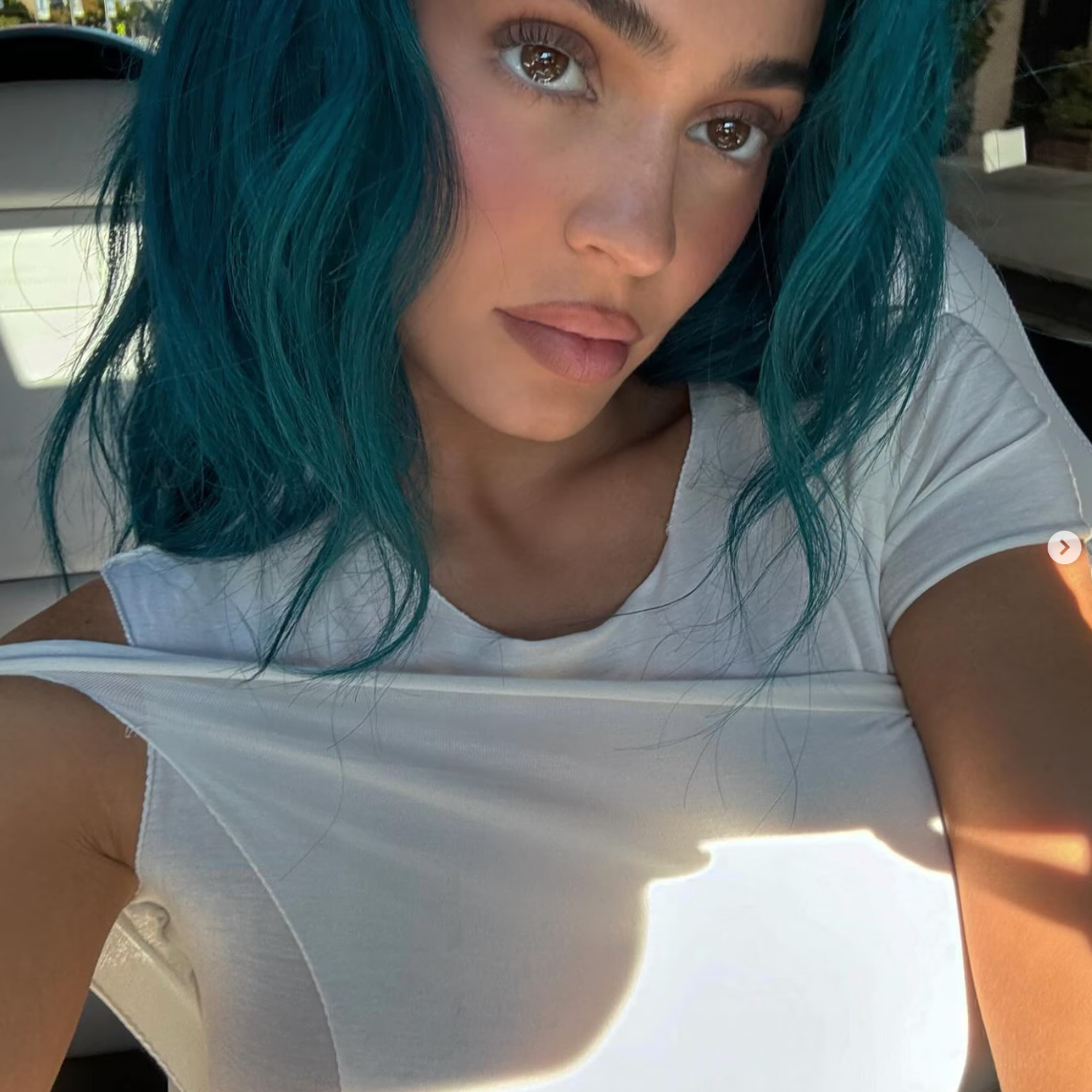
Fashion and beauty nostalgia have collapsed into one oversized throwback moment. TikTok is awash with side-by-side comparisons, users recreating their 2016 outfits or digging up photos to prove they were there the first time around. The 2016 filter itself is trending on TikTok, racking up over 230.9 million posts. What makes this resurgence feel bigger than a typical trend cycle is who’s participating. Celebrities are leaning into that nostalgia, too, posting their own throwbacks. Kylie Jenner, whose King Kylie era defined the aesthetic peak of the time, has been central to the revival. Her blue hair, heavy glam and Tumblr-era styling weren’t just popular, they shaped the visual language. Recently, she shared a throwback post on Instagram captioned, “you just had to be there”. Together, the fashion and beauty throwbacks stand in contrast to the last few years of hyper-curated micro-trends and algorithm-approved aesthetics. 2016 style didn’t demand an explanation or moodboard. In an era dominated by ‘clean girl’ minimalism, this return to excess feels almost rebellious. More was more, and nobody pretended otherwise.
“2016 sits just before a period of near-constant global anxiety.”
So why does 2016 loom so large in our collective memory? Nostalgia is an easy answer, but it’s not the full story. For many people, 2016 represents a pre-algorithm internet, or at least the last moment before everything felt hyper-managed. Online culture was spread across platforms: Vine, Youtube, Instagram, Twitter (now X). Memes moved fast and pop culture moments emerged organically rather than being funnelled through a single app. Viral dances and trends are resurfacing, from the ‘Juju on That Beat’ dance to Drake’s ‘In My Feelings’ car dance, reminding us just how infectious 2016’s pop culture was. Social media hadn’t yet calcified into personal brands and monetisation pipelines, and crucially, it wasn’t built around endless doom scrolling. Feeds still felt finite, where you could actually reach an end. Posting was messy, impulsive and often cringe, but it was also honest. Nobody was stress-testing captions or worrying about whether a post aligned with a digital identity. You just uploaded and moved on.
There’s also a broader cultural mood to consider. 2016 sits just before a period of near-constant global anxiety. In the UK, it was the year of the Brexit vote. In the US, Donald Trump was elected president. Politically and economically, the year was far from perfect, and the tensions that followed were already there. But in terms of pop culture and the way people experienced the internet, it felt lighter. That context makes the year feel sunnier in retrospect, even if it wasn’t perfect at the time.
The question isn’t really whether 2026 will be the next 2016. It can’t be, the internet has changed, culture has fragmented and nostalgia itself is now a content machine. What’s more interesting is why we’re reaching back so insistently. These trends aren’t just about copying old outfits or replaying old songs; they’re about longing for a cultural moment that felt less surveilled, less optimised and less exhausted.
If 2026 does echo 2016 in any meaningful way, it won’t be because we’ve decided to bring back bomber jackets or baked concealers. It’ll be because we’ve remembered how to be a little less polished, a little more chaotic and a lot less afraid of posting something just because it felt fun at the time.
- WriterYasmine Medjdoub
- Banner Image Credit@kyliejenner / Instagram