Shakespeare is back and more relatable than ever
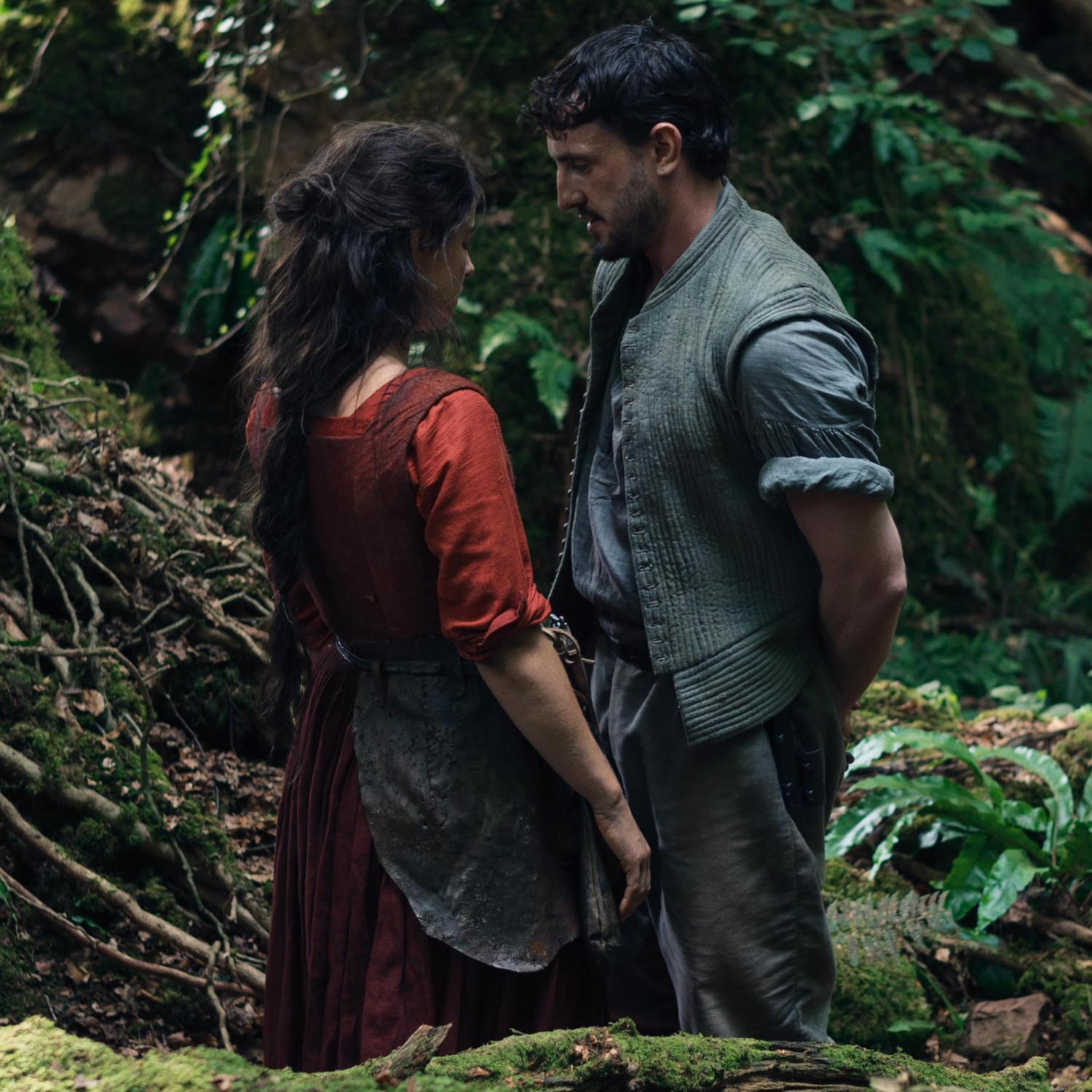
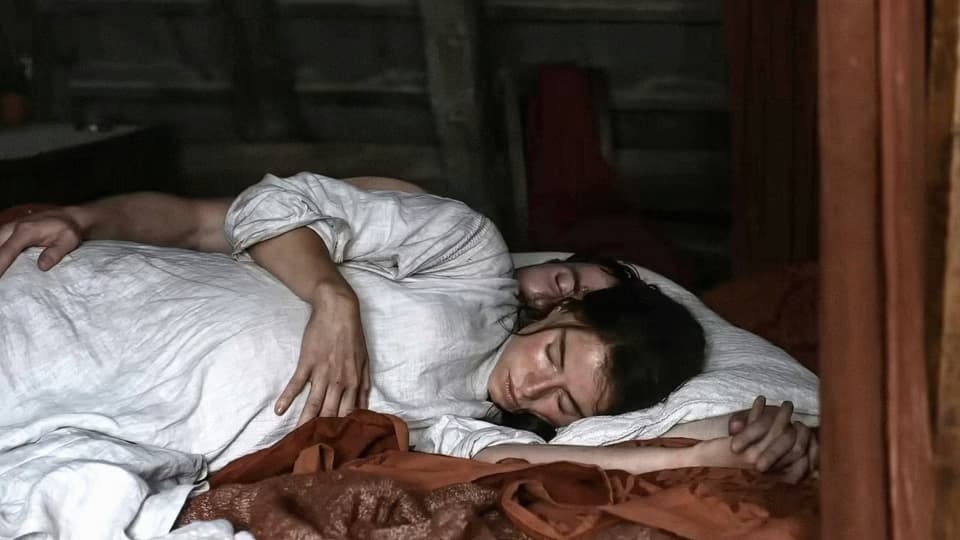
Hamnet doesn’t dwell on The Bard. It’s about absence, grief and the quiet devastation left behind. Chloé Zhao’s adaptation is tender and heartbreaking. You feel it in your chest. The interpretation isn’t about genius, it’s about humanity, loss and the spaces in between. The son who never grows up, the parent who must go on, it’s all there, in a way that feels intimate. Zhao’s cinematic language reflects this: long, still shots of domestic life, subtle gestures, the weight of silence. Watching it, you’re not studying history, you’re inhabiting it. What is grief, if not love persevering?
Hamnet is the apex of Shakespeare being embraced and adapted to a new generation. Not only does Jessie Buckley deliver a beautiful performance as Agnes Shakespeare, but she is already a frontrunning nominee for this year’s Best Actress Oscar. Meanwhile Jacobi Jupe gives one of the most affecting child performances to date as young Hamnet, tugging at the heartstrings of even those who wouldn’t consider themselves a traditional Shakespeare lover.
Before this came Liz Duffy Adams’ Born With Teeth. Showing on the West End at the end of last year, the play flipped the stage on its head. William Shakespeare and Christopher Marlowe were reimagined as young, queer, ambitious, flawed and very human. It was sexy and funny, but most of all, it was vulnerable. Starring Ncuti Gatwa and Edward Bluemel, the production didn’t hide from desire or tension, it amplified it. Audiences weren’t being taught Shakespeare, they were invited into the messy, brilliant chaos of youth, ambition and identity; relatable through the generations. And with its playful mix of eroticism and historical imagination, the show demonstrated that Shakespeare can still shock, excite and resonate centuries after his death.
Then there’s Robert Icke’s Romeo & Juliet. Showing on the West End from March until June 2026, the Shakespearean adaptation is another marker of this moment. The project promises raw emotion, immediacy and pulse. Casting Stranger Things’ Sadie Sink, a Gen-Z favourite, as Juliet, Icke has ensured the story will land for a new generation, one fluent in vulnerability and emotional openness. By centering youth, the production reframes one of literature’s oldest tales of star-crossed lovers as a story we can live inside, not just observe. Noah Jupe, fresh from appearing alongside his brother Jacobi in Hamnet, returns to Shakespeare’s universe as Romeo.
Across screen and stage, the pattern is clear: Shakespeare is being reclaimed, remade and reclaimed again. These adaptations are about resonance; they’re about what we want from stories today. And what we want, it turns out, is emotional honesty, intimacy and representation. Shakespeare, it seems, is flexible enough to hold it all.
Culture has changed. A generation raised online, scrolling endlessly, consuming media in bite-sized fragments, craves depth. Zhao, Adams, Icke and the teams behind these productions are exploiting this hunger. They aren’t updating Shakespeare to make him trendy, they’re translating him into emotion, intimacy and context. These projects speak to an appetite for stories that make you feel something you didn’t expect.
Part of what makes this resurgence exciting is that Shakespeare is no longer a museum piece. He isn’t just the subject of academic debate or literary analysis. He’s a cultural tool. He can be funny, messy, queer, sad, tender, absurd and feral. In Hamnet, grief takes centre stage; in Born With Teeth, desire drives plot; in Romeo & Juliet, fragility and impulsivity feel tangible. These stories are flexible enough to carry contemporary anxieties while retaining the power of their original poetry and drama.

These revivals also reflect a broader desire in culture: we want connection. We want to feel alongside others, whether in the dark of a cinema or the intimacy of a theatre. Shakespeare’s work, long admired for his insight into human emotion, suddenly feels like the perfect vessel. It can handle complexity, contradiction and vulnerability, and it allows audiences to do the same. Watching Hamnet, Romeo & Juliet, or Born With Teeth, we experience grief, desire, humour, and pain collectively, not just individually.
So what does this say about society in 2026? Perhaps it’s simple: we’re seeking depth and authenticity in a world that often feels curated, mediated or superficial. We’re drawn to stories that ask us to feel, not just consume. Shakespeare’s enduring relevance shows that even centuries-old narratives can be radically modern if we let them. And in the process, these adaptations give us a blueprint for the kinds of stories we crave: intimate, emotional, flexible and capable of holding us together even as we navigate chaos.
Shakespeare isn’t just back, he’s alive in a way that speaks to our generational anxieties and to our hunger for connection and emotional truth. And maybe that’s the point: in a culture obsessed with speed, efficiency and content, sitting still, feeling, and grieving with Shakespeare feels quietly necessary. It isn’t education, it isn’t an obligation; it’s resonance. It’s human. And in 2026, that feels exactly like what we need.
- WriterFlore Boitel