Why are celebrities so obsessed with Brazil right now?
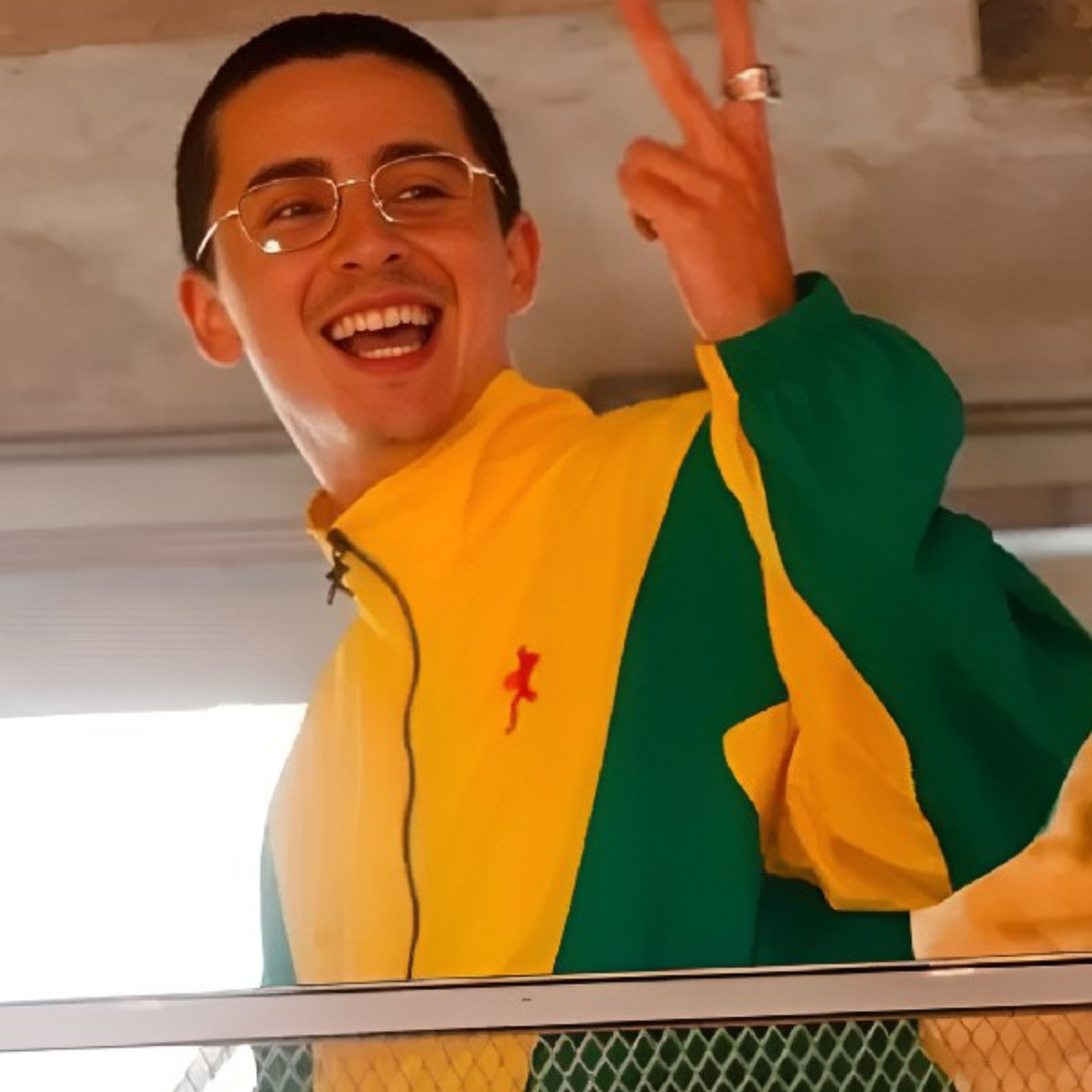
If you’re on social media, you’ve most likely come across a “come to Brazil” comment. For years, the phrase has flooded the comment sections of public figures, from pop stars and Hollywood actors to the most niche influencers. But celebrities don’t need to be urged to come to Brazil anymore. Judging by their Instagram feeds, they’re already there.
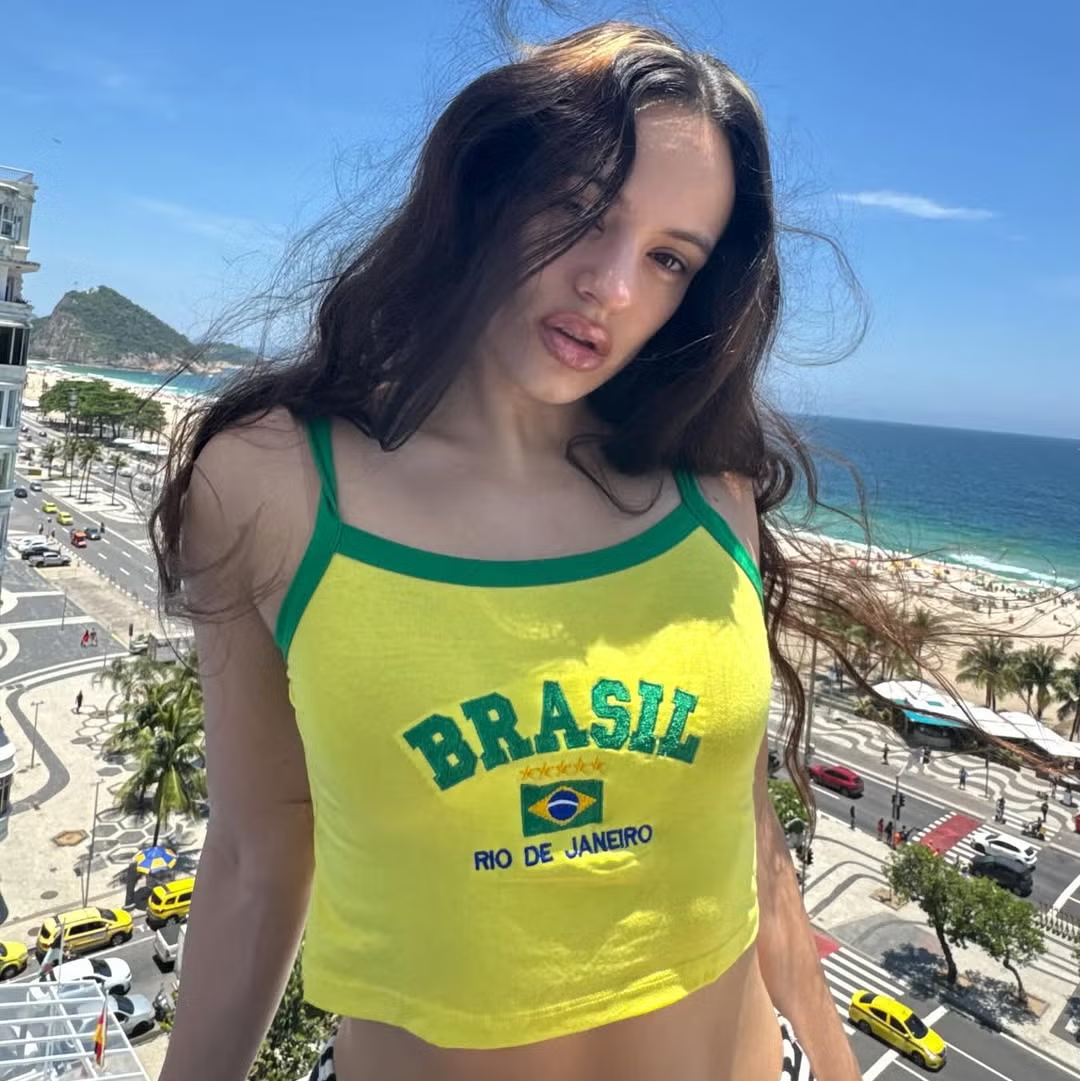
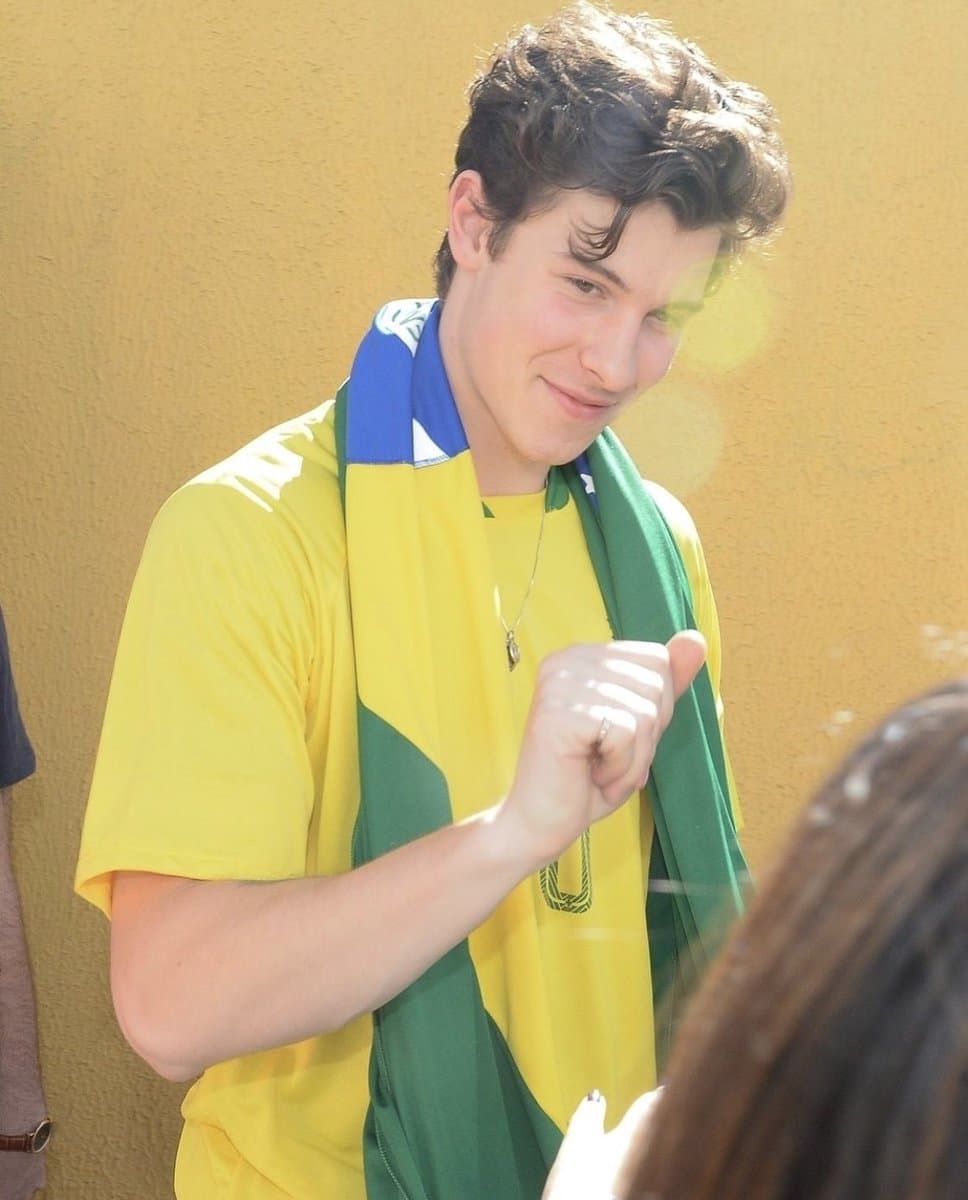
Whether it’s Rosalía ringing in the new year in Rio, Dua Lipa sporting tourist merch to Brazilian football matches or Timothée Chalamet dancing to Soulja Boy while wrapped in a Brazil flag, celebrities have been increasingly obsessed with the South American country. Even Shawn Mendes, who was initially scheduled to perform just one song at the Earshot Prize awards in Rio, ended up extending his trip to travel across four different states, stay at the home of one of Brazil’s biggest pop stars, join samba circles and go on dates. He was even rumoured to be filming part of a documentary with a local Indigenous community in Jaraguá. So what’s driving this obsession with Brazil? Why are so many celebrities suddenly being spotted there?
Well, this isn’t limited to celebrity Instagram feeds. The Brazil obsession has taken over the internet. In 2025, the country recorded over eight million international visitors, its strongest tourism performance to date. Much of this surge has been documented online, as seen on the countless TikToks from non-Brazilians sharing travel tips, ranking local foods and ranting about the depression that followed their return home. Even those who haven’t visited may already be dressing like proud patriots. The rise of the ‘Brazilcore’ trend has made yellow and green staple colours in our wardrobes, while Brazilian football shirts have become a fashion statement for people who don’t even care for the sport. Scroll through the Instagram pages of Rosalía, Lipa or Chalamet and you’ll see them too in these items. This Brazilcore movement has turned Brazil into a trendsetter, and everyone, including celebrities, is paying attention.
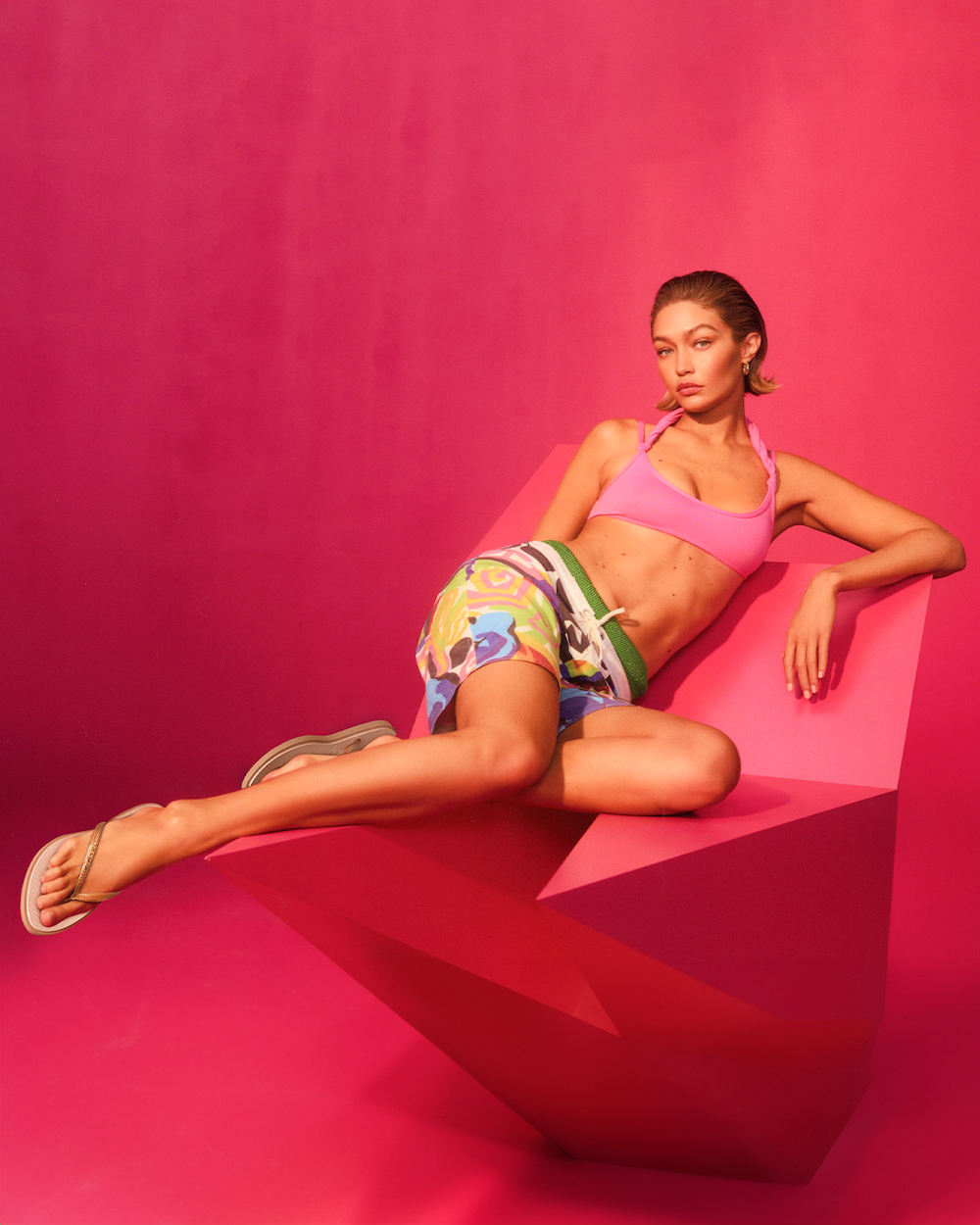
Some of Brazil’s most influential trends over the past year have emerged from fashion. Havaianas flip-flops dominated last summer, topping the Lyst Index report as the most in-demand product of the third quarter of 2025. Flip-flops, which have always been a subject of endless debate and once dismissed by Tom Ford as “never appropriate” for city wear, were suddenly worn everywhere, including at Copenhagen Fashion Week by many of its attendees. Gigi Hadid was named the brand’s global ambassador, while celebrity It-girls such as Olivia Rodrigo and Addison Rae were frequently spotted wearing them. Brazilian clothing and lifestyle brand FARM Rio also continued its international expansion. Just in London, the brand opened its third location on Carnaby Street, hosted a pop-up at Selfridges and was dubbed by Harper’s Bazaar as the “London’s fashion-girl favourite.” Plus, global luxury turned to Brazil for inspiration. Rabanne’s High Summer 2025 campaign, shot in Rio, drew directly from the city’s funk culture and the communities shaping it.
Beyond fashion, Brazil’s influence has surged across the arts and culture. Brazilian cinema reached a historic milestone when I’m Still Here became the country’s first film to win Best International Feature at the Oscars. Another Brazilian-produced film, The Secret Agent, is also currently sweeping major awards, including a Golden Globe for Best Foreign Language Film and Best Drama Actor for Wagner Moura, and is widely expected to win another Oscar for Brazil two years in a row. This unprecedented recognition has even drawn American filmmakers and actors to promote their own work in Brazil. Chalamet revealed in an interview with AdoroCinema that São Paulo was a priority stop for the Marty Supreme press tour, citing Brazil as having “one of the most passionate film communities in the world”, while also gushing over Fernanda Torres’ performance in I’m Still Here.
Brazilian music is experiencing a similar boom. After Beyoncé incorporated a Brazilian funk sample into Cowboy Carter, Brazilian producer and Latin Grammy winner Papatinho was contacted by Timbaland and Snoop Dogg for funk samples. Not long ago, Anitta was learning two languages to try to achieve global success, as songs in Portuguese did not achieve the same level of attention. Now, some of the biggest artists are seeking to collaborate with Brazilian musicians. Rosalía, for instance, cited Marina Sena and Caetano Veloso, whom Dua Lipa performed with during her São Paulo show, as Brazilian artists she hopes to work with. Even artists not directly influenced by Brazilian music are achieving major milestones in the country. In 2025, Lady Gaga performed the largest concert of her career at Copacabana Beach to a crowd of over two million people, Oasis concluded their legendary reunion tour in São Paulo and Olivia Rodrigo performed her first ever stadium show as a headliner in Curitiba.
For decades, the cultural output from the Global South was often dismissed by the West, or simply relegated to “global music” or “foreign language” categories at award shows. But now that perception is shifting for Brazil. I’m Still Here wasn’t just competing for Best International Feature at the Oscars; it was also nominated for Best Picture. Meanwhile at the Grammys, Brazilian icon Milton Nascimento was recognised in the Best Jazz Album category alongside US and UK artists.
As Brazilian culture gains more and more visibility, it’s no surprise that celebrities beyond its borders want to associate themselves with it. Proximity to Brazil now signals social relevance and an alignment with what’s trending. And many celebrities aren’t just passing through. After her São Paulo show, Lipa went straight to one of the city’s biggest club nights. Rosalía posted a photo with a bossa nova vinyl at a local record shop. And by this point, Shawn Mendes has seen more of Brazil than the average tourist.
Brazil’s global influence is only continuing to grow, and celebrities understand the importance of gaining the approval of Brazilian audiences and the visibility that comes with publicly declaring their love for the country. As Rosalía wrote in Portuguese on her Instagram story after leaving Brazil: “A place where I danced, laughed, cried, braked and accelerated, swam for a while, slept little, wrote something, made drawings, walked, got lost and found myself.” This is not to deny that their admiration is genuine, but it also benefits their careers. When Brazil is trending, being seen there means being in fashion, too, and a single photo in a Brazil top can generate millions of likes, not only from Brazilian fans but from a global audience equally obsessed with this hyper-relevant country.
- WriterMaria Celeste Vieira