The Emily Henry obsession: Yearning is hot again
Emily Henry has a knack for creating the men women have been waiting for. Forget the brooding, damaged, toxic archetypes that once dominated romance fiction. Her heroes are layered: rough around the edges, shaped by past trauma, often in therapy, but fully capable of care. They respect their partners, celebrate their ambitions, and yes, they even introduce them to their family. These are men who crave more than passion; they want true partnership. And it’s precisely these kinds of characters that have turned Henry into a literary powerhouse.
Henry has built a career most authors only dream about. Since 2020’s Beach Read went viral on BookTok, she’s published almost a book a year, with nearly every release landing on the New York Times bestseller list. She won the Goodreads Choice Award for Best Romance each year between 2021 and 2024 and, last year, secured multiple Libby Book Awards. Her novels are smart, funny and culturally tuned in: independent women who don’t need a partner but would like one, love interests who evolve without being tamed, and dialogue peppered with millennial and Gen-Z references. On the surface, they are romances, but at their heart, they are explorations of modern womanhood, with love as just one part of the story.
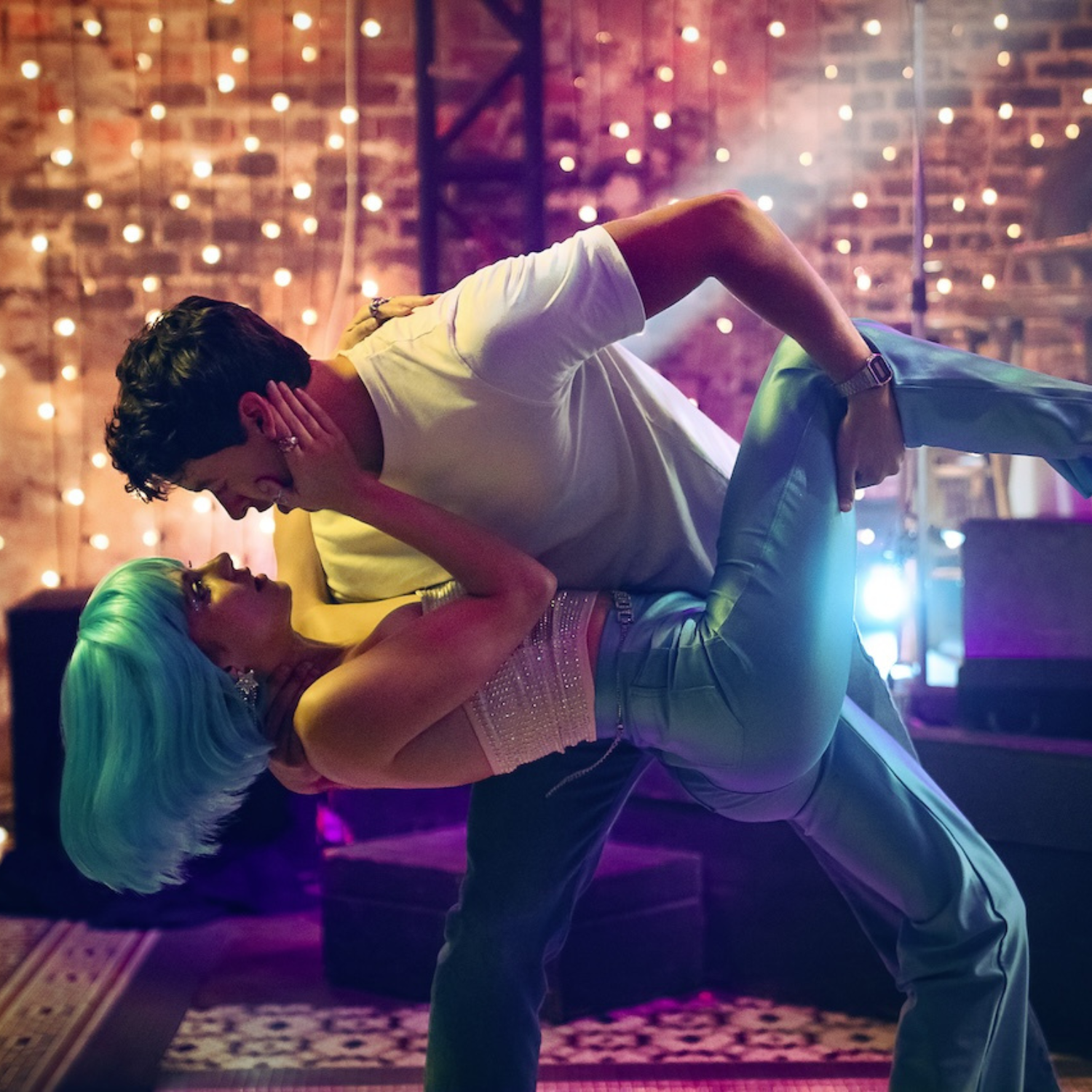
And now, Henry is quietly taking over Hollywood. After years of dominating the romance book genre, her novels are being adapted for the big screen. People We Meet on Vacation landed on Netflix earlier this month, starring Tom Blyth and Emily Bader, and the buzz is unmistakable. It instantly landed No. 1 on the streaming site. And, at the start of this month, Netflix announced that it is adapting two more of Henry’s novels, Funny Story and Happy Place. But Henry’s rise isn’t just about commercial success, it signals a cultural shift. In 2026, romance is finally becoming mainstream again.

Henry’s appeal lies in something deceptively simple: she writes men who yearn. Not the brooding, detached, ironic men that dominated the last decade of pop culture, but fully alive, emotionally literate, deeply felt male characters. They are responsive, reflective and tender in ways that feel revolutionary on screen and page alike. Her male leads do not humiliate, ridicule, or perform love as a social exercise, they inhabit desire, vulnerability and commitment in ways that somehow feel both real and aspirational. Charlie Lastra from Book Lovers, exemplifies this perfectly; beloved for being a nontraditional, caring and sharply snarky lead. One TikTok user even refers to the character as her “forever first love”.
For women navigating modern dating, Henry’s men are a revelation. Dating in real life can often feel uncertain: ghosting, ambiguity and emotional burnout are pervasive. In fact, almost 80 percent of dating app users say they feel burnt out. Henry’s characters, by contrast, offer clarity without condescension. They demonstrate how to communicate, care and yearn without apology. In this sense, Henry’s work functions as a kind of emotional literacy; a handbook for the kind of love people crave but rarely encounter in day-to-day dating. Readers don’t turn to her stories to escape reality. They turn to them to understand it better; to experience emotional clarity and human longing in a way that feels considered and honest.
This is part of a larger cultural moment. Romance is filling a void left by irony. For years, love in media leaned into detachment, sarcasm and performative aloofness; a reflection of dating culture’s phobia of earnestness. Apps, algorithms and casual relationships often commodify connection while discouraging commitment, leaving women seeking models of emotional authenticity elsewhere. Enter: Henry and the ‘Book Boyfriend’. Her books and now their film adaptations offer a radical counterpoint. It’s the appeal of ‘men written by women’, a phrase capturing how her work reframes desire through the lens of lived experience and emotional honesty. It’s a reminder that romance is not just about plot points or meet-cutes, it’s about emotional stakes, the thrill of vulnerability and truly being seen.
The timing of Henry’s rise couldn’t be better, and the commercial and cultural impact is undeniable. Women-led romance is no longer a risky bet. A key player in the Global Box Office’s multi-billion dollar revival and an ever-rising book genre, it is a proven powerhouse. But Henry’s dominance is more than a publishing or Hollywood phenomenon. It’s a cultural barometer, marking a moment where emotional literacy, romantic clarity and narrative softness are returning to the mainstream. In a world worn down by detachment, nonchalance and performative coolness, Henry makes a radical case for feeling deeply. In 2026, yearning is hotter than ever.
- WriterFlore Boitel
- Banner ImageFilm still from People We Meet on Vacation