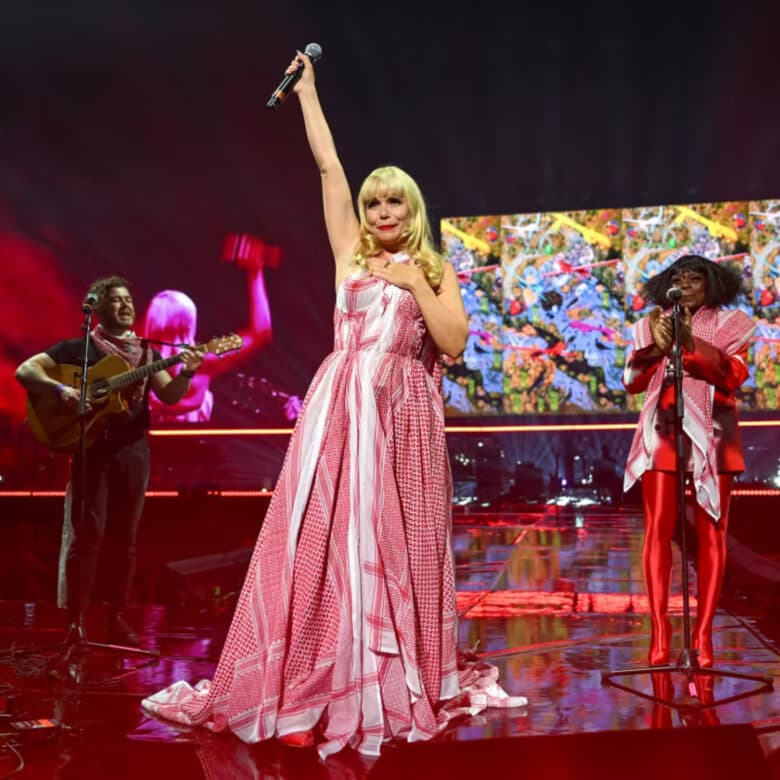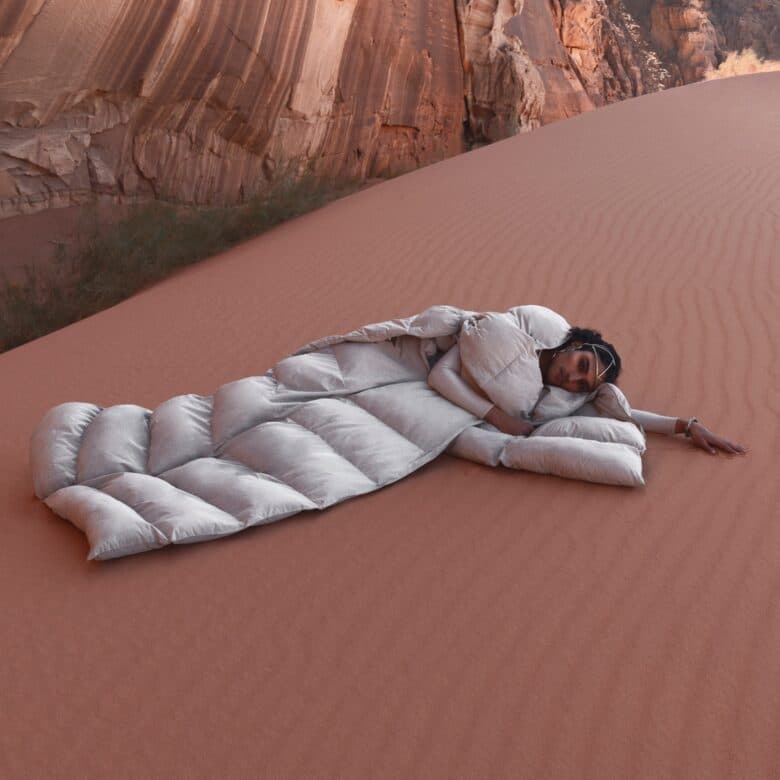
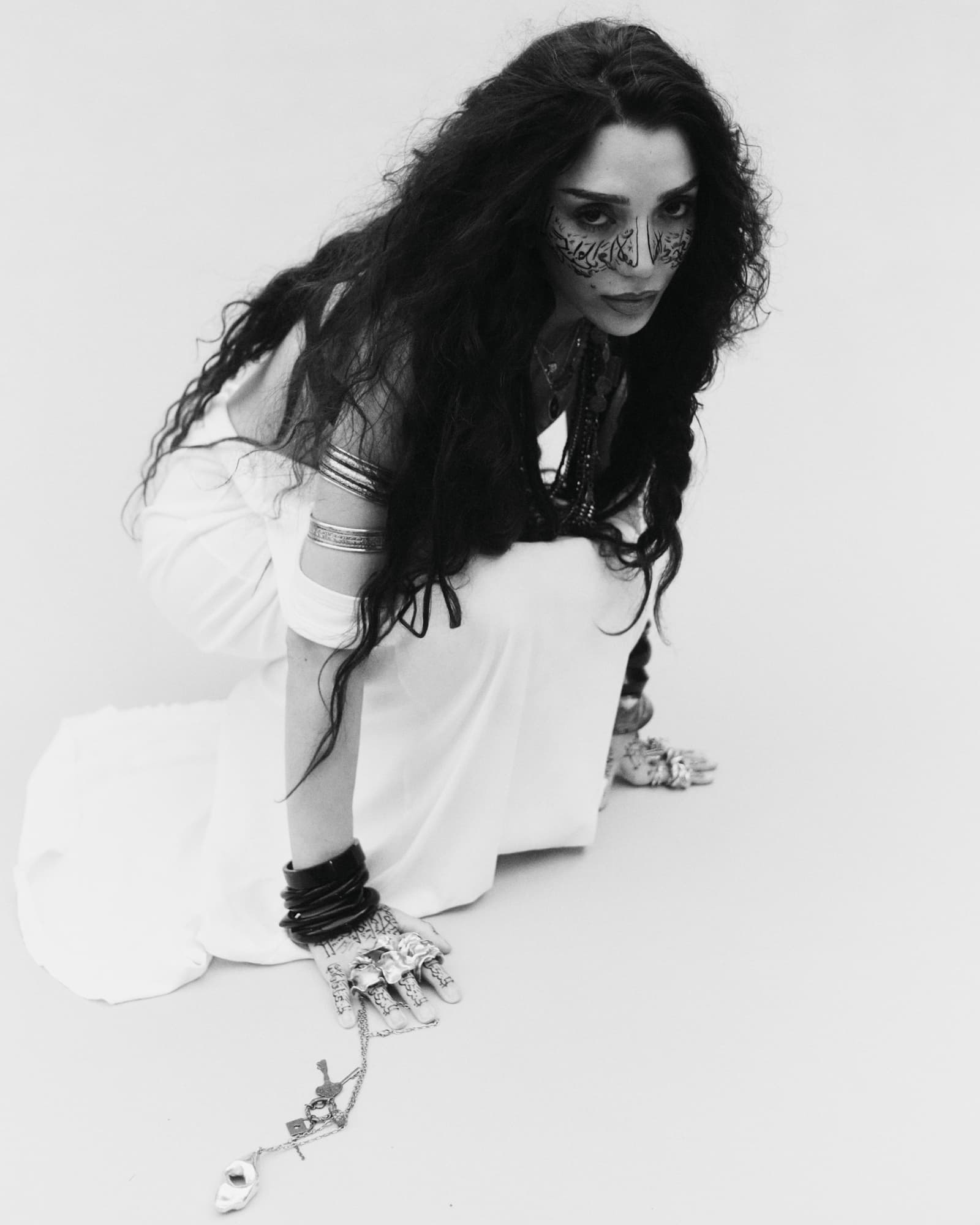
Gina Dirawi is a true multihyphenate — a television host, author and cultural force whose work has spanned between comedy, music, literature and visual storytelling. Born in Sundsvall in 1990 to Palestinian parents, Dirawi’s artistry has long been shaped by questions of identity, faith and belonging. She first rose to prominence through satirical YouTube videos before becoming one of Sweden’s most recognisable TV presenters, hosting programmes such as Melodifestivalen, Grammis (the Swedish Grammy Awards) and Musikhjälpen.
Alongside her television career, Dirawi has carved out a creative voice as both a writer and musician. Her debut novel, Paradiset ligger under mammas fötter (Paradise Lies Beneath Mum’s Feet), was released in 2020, followed by her debut album, Meet Me in Jannah, in 2022, establishing her as a fearless storyteller unafraid to move between forms and disciplines.
Now, Dirawi returns with ‘GENESIS’. Speaking to HUNGER, she reflects on how the track emerged from a period of profound personal and collective grief following the genocide in Gaza. Blending bilingual Swedish-Arabic lyrics with electronic pop, the song transforms sorrow into a ritual of release, drawing on dance music, spirituality and biblical symbolism to explore rebirth, compassion and the human need for empathy. It is a prayer, a catharsis and a reminder of music’s power to help us feel alive again.
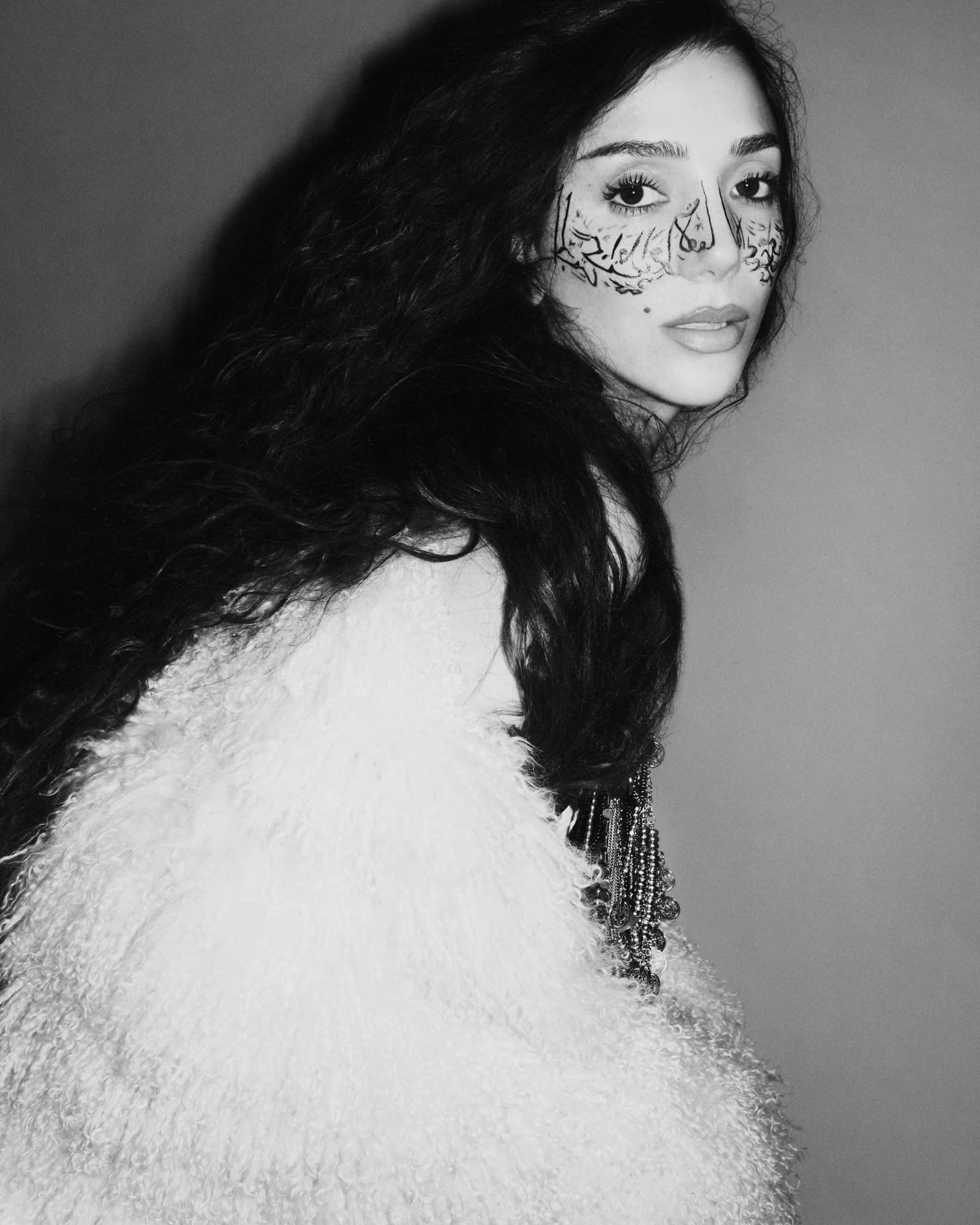
Can you tell us about ‘GENSIS’? What inspired it and what does it mean to you?
‘GENESIS’ was created in a time of grief for me. I was really in a stagnant place from everything that was happening in Gaza. It was really difficult knowing how to connect to people at that time, and I was reacting to how hard it was for people to find empathy. Even when they would talk to you, it would always be about politics, it’s like they forgot the human side of everything.
I was in desperate need to get out of my own head and my own body. I was crying all day, and then I was like, Okay, I need to get out of this, because otherwise this will eat me up. So I started listening to Swedish House Mafia — just dance music. I was dancing in my bathroom all the time to get out of the feeling and the state that I was in.
Then I went to the producer I was meeting with and told them — because my last album was very cinematic and dark — I was like, I need something to get out of this state. And I just laid down, and it came out almost like a prayer. It really is a prayer of wanting compassion. It’s only when you get that compassion from people that you can come alive and feel human again. You feel like you’re waiting to come alive, and you can only come alive when another person gives you that.
At the same time, I was reading the Old and New Testament, and I really got stuck on Genesis and birth. I started fantasising: Okay, in a year or two years, will we ever get out of this state? How long is this going to keep going? That came through in the song and in the video. You want to get out of the state of sadness, so you’re waiting to come alive, and then you have to go through the stages of sadness to break free again. That’s how it was created.
In the ‘GENESIS’ video there’s a lot of symbolism, from keys to olive trees to doves. Can you tell us more about the inspiration for the video?
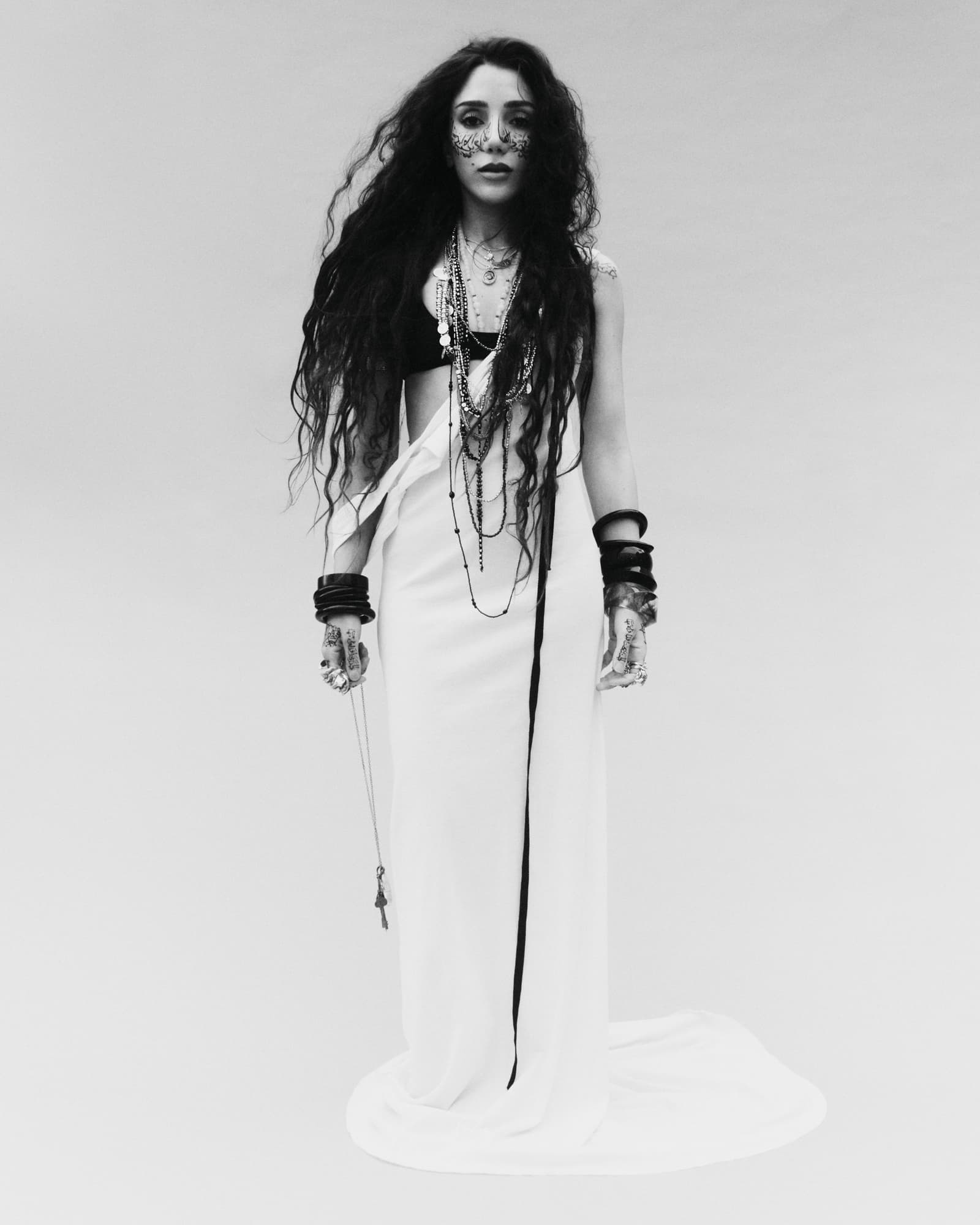
The Black Witch carries the sadness of the world. The keys are a big representation for Palestine — I mean, I want people to think of it however they want, but for me, she’s holding a remembrance of everything that was lost. She’s helping the keys, or the spirit of the keys, through her dance, to move on so new things can come to life.
The whole video is played out in this stagnant world where light and dark meet. In that world, nothing is alive. You have to do this ritual for it to fall down, for her to die, and then life can come again. She carries the weight of the world, then becomes the keys, and when she starts to work with all the elements and get her grief out — almost get swallowed by the grief — then she can bring new life and become something new.
There were a lot of biblical vibes. I’m from the Galilee in Palestine, and I was obsessed with Jesus. I was also born in Sweden in the north, so I grew up next to the woods with so much folklore and storytelling. My grandfather was an Imam, so I grew up around faith and symbolism a lot. This is so much my vibe — I can finally live it out. I hope that came through in the video.
Do you think interest in your work has changed, or has there been more interest since the genocide began in Gaza?
There were things I was going to release that I didn’t because I was like, Who the fuck cares now?
There’s this big summer talk thing in Sweden, one of the biggest things you can do and I told the story of when I went to Mecca. This was at the same time as ‘GENESIS’, actually. I was really looking into finding light in the world. I grew up religious — I’m maybe not religious now, but I do seek faith. I love talking about faith. I was looking into the Old Testament, New Testament and then I got a call: “Do you want to go to Mecca?” At this time I was also making Genesis, and I was like, Okay, something is happening because I’m seeking something different.
I went, but there I met two guys from Gaza, and the sadness I was running away from this whole time hit me really hard there. I saw people without hands, without legs, who lost their children. It really made me see that this suffering we see, we can’t really escape it. Even though you want to go into some music or something and escape, it’s better to just look at it sometimes and accept that this is it. You need to learn how to exist next to it.
I wrote something about it, and I feel like it was almost coming out for me, because it was telling the story of growing up and not feeling like you have worth in the world. My dad told me when I was a kid, “You’re Palestinian. No one’s going to protect you,” even though I grew up in Sweden in a stable place.
I had such a long lineage of people who didn’t have — who weren’t allowed — to tell their stories. Their stories were never heard. Their suffering was never heard. For me, I feel like, Fuck it. I’m going to use my voice in every lane.
You mentioned that you’ve moved between comedy and writing books, as well. Do you see them as separate careers, or all expressions of yourself?
I don’t see it as something different. I really see it as a palette, and I just live out different parts of myself. In Sweden, I think sometimes they want people to fit in a box. I’m very non-boxy. I always go with: What do I want to tell? Where is the energy right now? Then I follow that creative energy. If it’s in a book, then it’s in a book. If it’s in music, then it’s in music. That’s what always controls.
You’re launching a brand, ZËIYT, early next year. Can you tell us more about it?
It came from a place where I grew up. My grandmother was always talking about olive oil and how she would sleep under the olive trees. I imported my first olive tree from Palestine when I was fourteen with my grandmother because she forced me to bring it back. Olives have always been in my life, but when I was younger, I was just like, Take it away. I’m so sick of hearing about it. You don’t feel connected to it.
Also, like many Middle Eastern women, I hated my hair. I never wore it naturally. I didn’t find the right product. When I was in my early twenties, I started using a lot of hair products. I got sepsis and lost a lot of hair. That summer, when my hair was thin and damaged, I went to Palestine, and all my relatives had thick, long hair. I asked them what they do, and they said, “We oil”. So I started oiling. My hair grew out, and I just got really into olive oil and mixing products. I realised I’m becoming like my grandmother with all these natural things.
For me, ZËIYT is about creating a brand that is a hundred percent natural and clean, but also tells a story about the love of olives, the love for trees and how holy nature is, and the love Palestinians have for their oil.
- WriterSufiya McNulty
- Image CreditsFilip Hanning