Zeyne creates from the heart
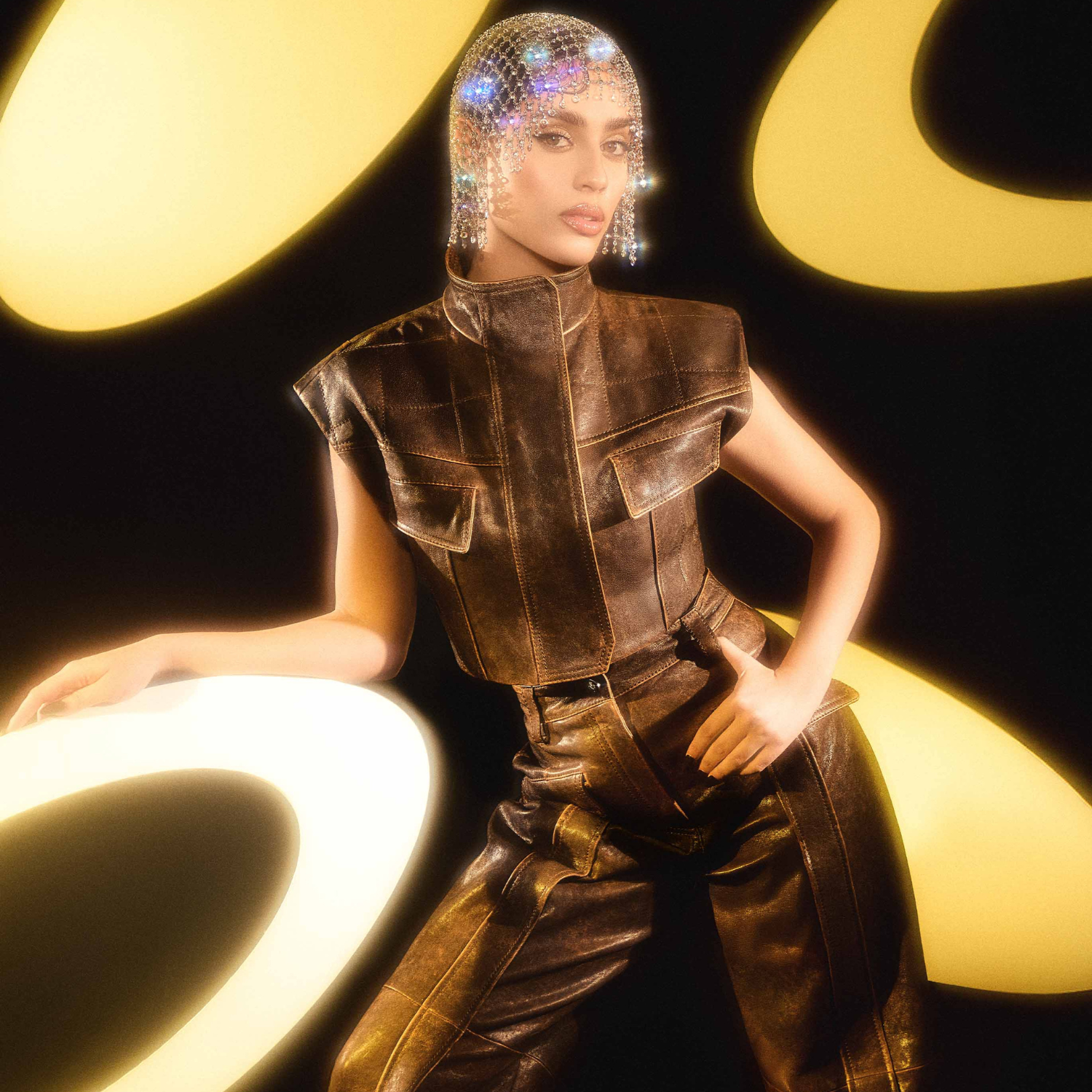
They say never to meet your idols, but with Zeyne, that couldn’t be further from the truth. I left our conversation with even more admiration for the singer, and thinking just how apt it is that, in Arabic, Zeyne means ‘beauty’. Indeed, Zeyne is a case of nominal determination inside and out. In July, the twenty-seven-year-old performed at Voices for Solidarity, an evening of music and
spoken word featuring the likes of Bassem Youssef, Juliet Stevenson and Paloma Faith. The event was organised by Health Workers for Palestine, an organisation founded in October 2023 by a friend of mine, Dr. Omar Abdelmannan. The organisation held weekly candlelit vigils outside Downing Street, commemorating health workers who had been killed in Gaza — a movement that quickly spread worldwide with cities across the globe following suit. Before our interview, I asked Omar what Zeyne was like to work with. “She’s awesome,” he said. “She’s so cool and down to earth.” He was right. Zeyne is articulate, kind-natured and open. She speaks gently, but with conviction.
Zeyne tells me that Voices for Solidarity was the first night she received a standing ovation. “It was just so surreal,” she recalls. “It was so inspiring to see people come together from all fields. It was such a special night.” When I ask about the responsibility artists carry in showing solidarity with Palestine, her answer is unhesitating. “I think as human beings, we all have a role in standing up against the injustices happening in the world,” she says. “Everyone should be speaking up, boycotting brands that support the genocide, doing everything you can to play an active role in spreading awareness about what’s happening, and hopefully ending the occupation.”
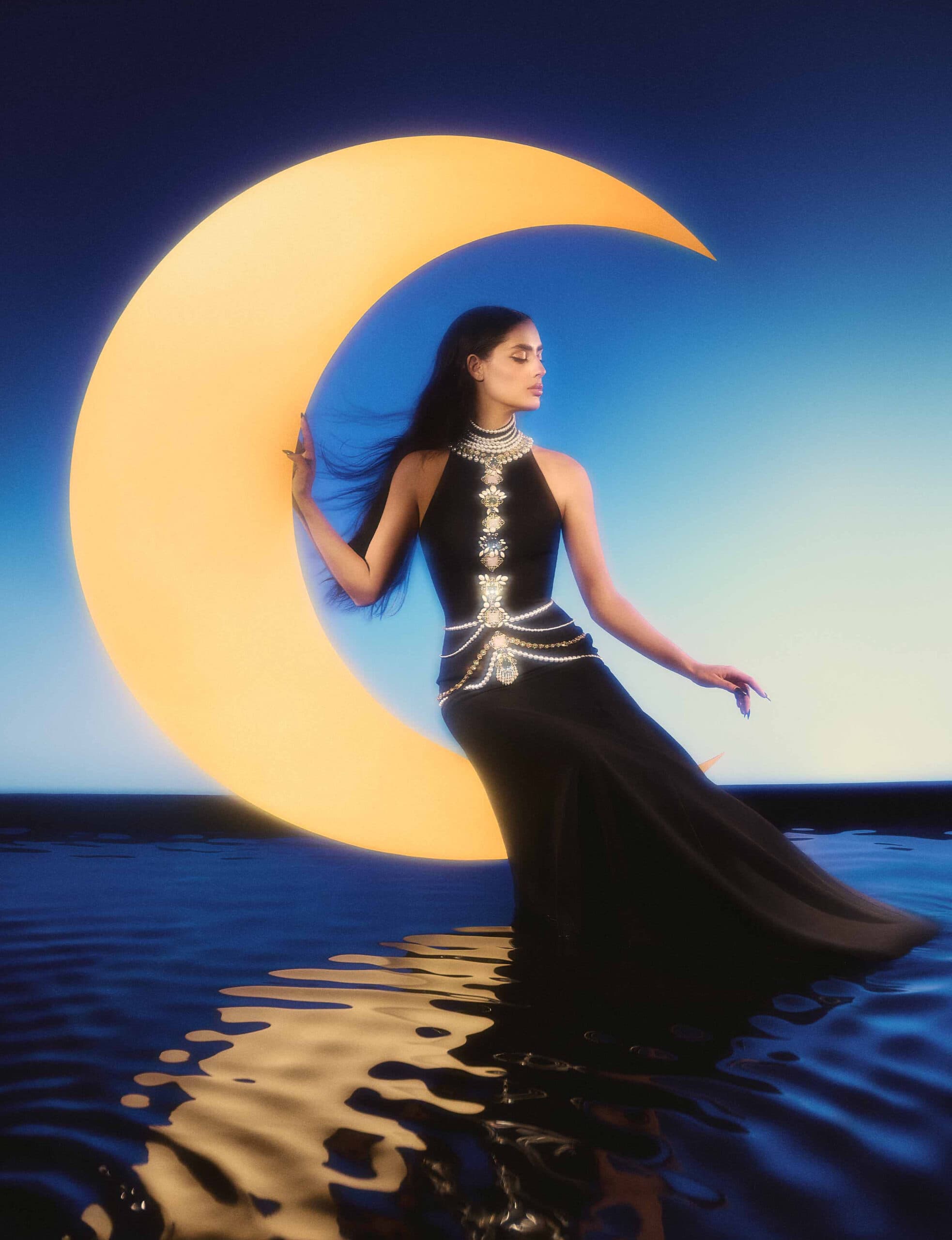
When I ask about representing Palestinian identity from the diaspora, Zeyne is equally thoughtful. “It’s my own identity, and of course, I wouldn’t have the same experience as someone living in Palestine, but what I can do is represent my own experience of living in a diaspora, living just right next door, and feeling so close yet so far from where I belong,” she shares. “It comes with great pride, but also immense responsibility, because it is a very sensitive and important cause that affects so many families, and I want to do it justice every time I talk about it.”
Zeyne’s family are from Nablus, Palestine, approximately forty kilometres as the crow flies from where she currently lives (and was born and raised) in Amman, Jordan. The short distance belies the reality of the journey, which requires visas, border crossings and checkpoints, if entry is granted at all. “I don’t know how safe it is for me to go now, especially after what I’ve put out and released as an artist,” she tells me. “In the past, I didn’t have a digital footprint or a platform where I was so vocal about Palestine and everything that goes on there.” Zeyne has visited Palestine three times — at six months old, sixteen and nineteen — and describes the experiences as “some of the best trips of my life”. “Not all Palestinians have the privilege of going to Palestine,” she observes. “I was privileged enough to be able to go, so I’ll never take that for granted.”
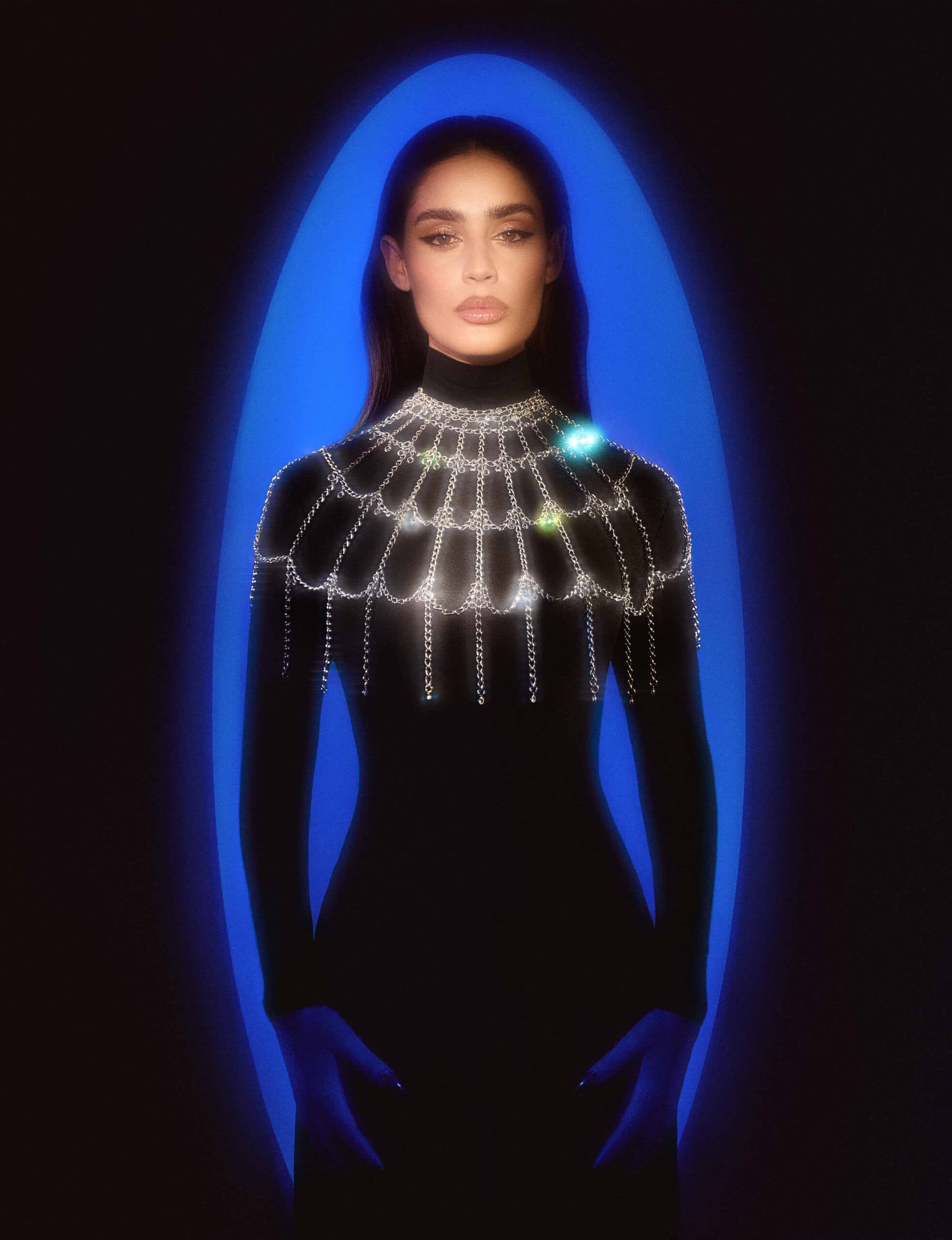
Her new album, Awda, is steeped in Levantine culture, spanning Dabke, a traditional Levantine folk dance, to the mijwiz, a traditional Arabic wind instrument, before culminating in the closing track ‘kollo lena’ a recording of Mahmoud Darwish reciting in Arabic, “On this land, life is worth living”. The thirteen-track album was born out of two transformative years for Zeyne, filled with highs and lows. It explores identity, empowerment, reclamation, self-love and “finding love, and falling out of it”. Reflecting on the album, she says it traces a now complete journey — from hitting rock bottom and confronting personal struggles to finding herself again within her community. “It’s a full-circle moment for sure,” she says.
But Awda is as much for Zeyne’s audience as it is for her. The title itself, meaning ‘return’, offers listeners an open invitation. “I wanted to give listeners space to decide where they want to return,” Zeyne explains. “Is it to themselves? To their identity? To their first love, their issues, their family?” And for Zeyne, who describes herself as not particularly vocal online, the album speaks where words cannot. “I’m not very vocal online. I let the music say what I feel,” she explains. “I spoke about everything — finding love, falling out of love, discovering my mom was ill, facing my mental health issues and my identity. Things I wouldn’t normally talk about online.” Writing from personal experience, I learn, is therapeutic for Zeyne. She’s drawn to music that emerges from vulnerable, deeply personal places — a quality she admires in Lebanese icon Fairuz. “She has this ability to express vulnerability in a very contradictory way musically, and I love that kind of contradiction — what you’re saying against the type of music that’s playing with it. I find myself using that.”
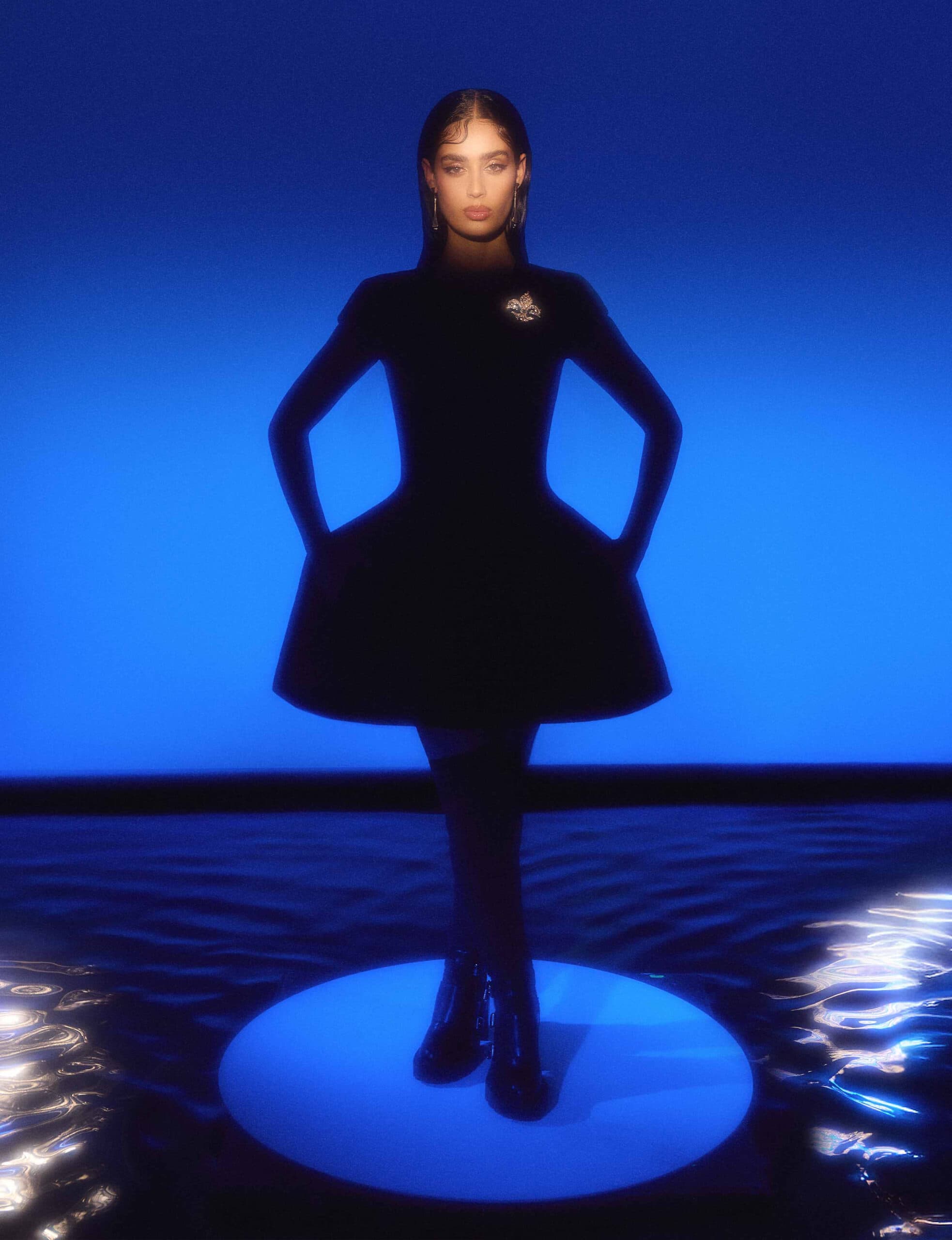
“I think as human beings, we all have a role in standing up against the injustices happening in the world.”
That vulnerability is central to her track ‘yom wara yom (ocd)’, where she explores a cycle of rumination, trapped in looping thoughts. “I don’t think I’ve ever spoken about my OCD and how sometimes I get stuck in this loop and have to face myself in the end,” Zeyne says. “That song was inspired by a very specific incident after I found out my mom was ill. It was a tough time. I kept imagining all the worst-case scenarios and felt trapped in my head with intrusive thoughts I didn’t want to deal with or believe.” She hopes the track will bring listeners the courage to open up in the same way. “I can only hope it inspires people to talk about their experiences and feel like they’re not alone,” she affirms.
That thread of personal honesty continues in ‘yamma’, a tender tribute to her mother and a reflection on the strength of maternal love. The song emerged during one of the most challenging periods of Zeyne’s life, transforming pain into something enduring and deeply moving. It’s clear that generational ties run deep in Zeyne’s family. She began learning piano at three and was performing in a Dabke group by five, with her mother guiding her every step. “My mom had a very big influence on me musically,” Zeyne offers. “She took me to piano and vocal classes, tried to teach me to harmonise on a Palestinian song I still sing, and she’s actually in the recording — you can hear her voice.” When Zeyne told her mother she wanted to pursue music full time, the response was immediate encouragement. “She was like, I always wanted one of my kids to go into the arts,” Zeyne recalls with a smile. Her mother’s influence weaves through Awda in profound ways. “My mom inspired a big part of Awda, whether it was in ‘hilwa’ with positive affirmations about acceptance, or in ‘bali’, when I started finding out about my mom’s illness and reflecting on everything in the world.”
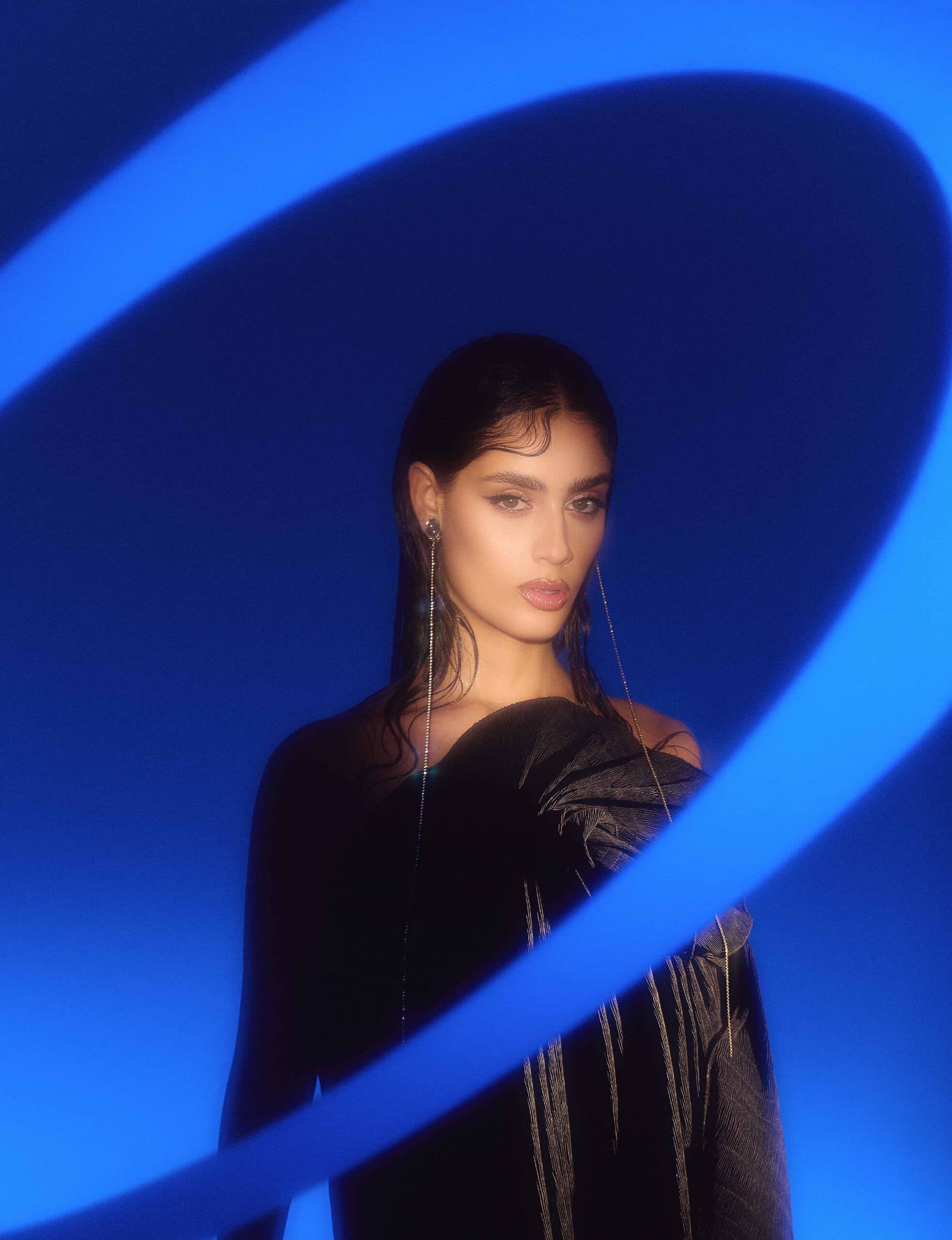
Released in July, ‘hilwa’ (‘beautiful’) pays particular homage to the generational ties between the women in Zeyne’s life. The music video, shot across Jordan’s landscapes, shows three generations of women with plaits tied together like unbreakable generational rope. The lyrics, translating as “you’re beautiful and no one can say otherwise”, offer affirmations passed down through time. “We wanted to bring that generational bonding of, just, love and trust through the braiding scene — take that into ‘hilwa’ and translate it to the mother and then to the grandmother, because it shows how much they pass down to you, and how connected you are to each other. Symbolically, that was done by the braid.”
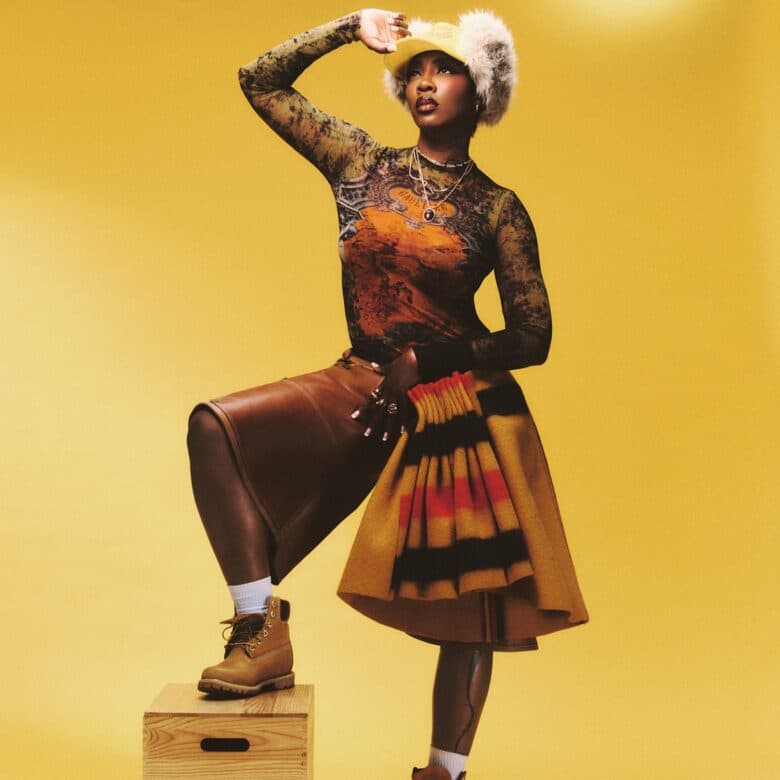
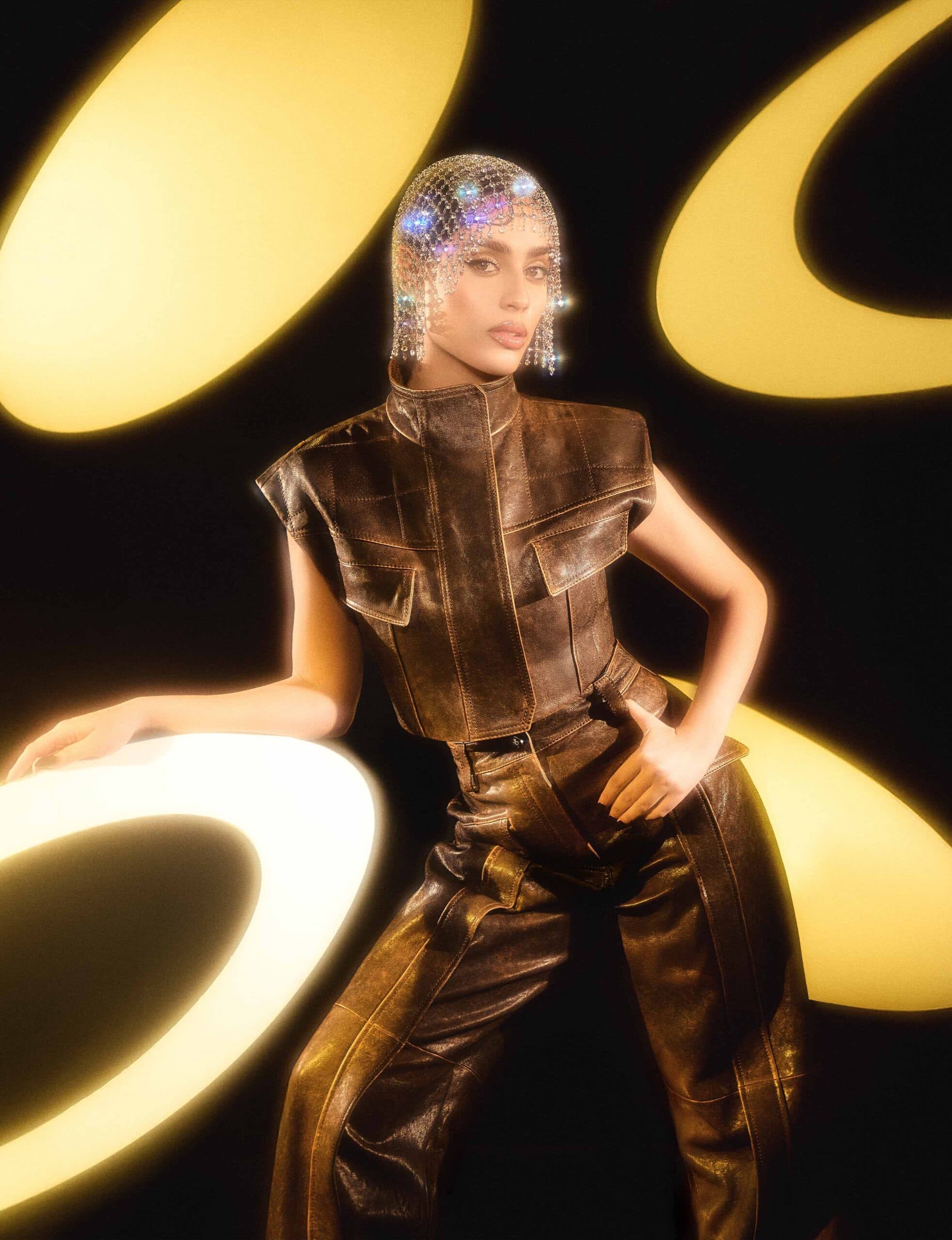
This attention to detail carries through to all of Zeyne’s visual direction. She describes herself as “such a nosy person” who loves to be involved in every aspect of her projects — video, audio, production, marketing. She describes her personal aesthetic as “a more futuristic-leaning tone with cultural elements, a less-is-more kind of approach”. But ultimately, it comes down to intuition.
“I’m a very, extremely vocal person, so I feel like if something doesn’t align, my gut will so quickly tell me that, Okay, no, this doesn’t feel like you, or, This doesn’t feel like this project,” she explains. “Let’s just stay in the world of the album, or in the world of who I am right now, because I’m sure that’s going to be ever- evolving and is just going to keep growing and changing.”
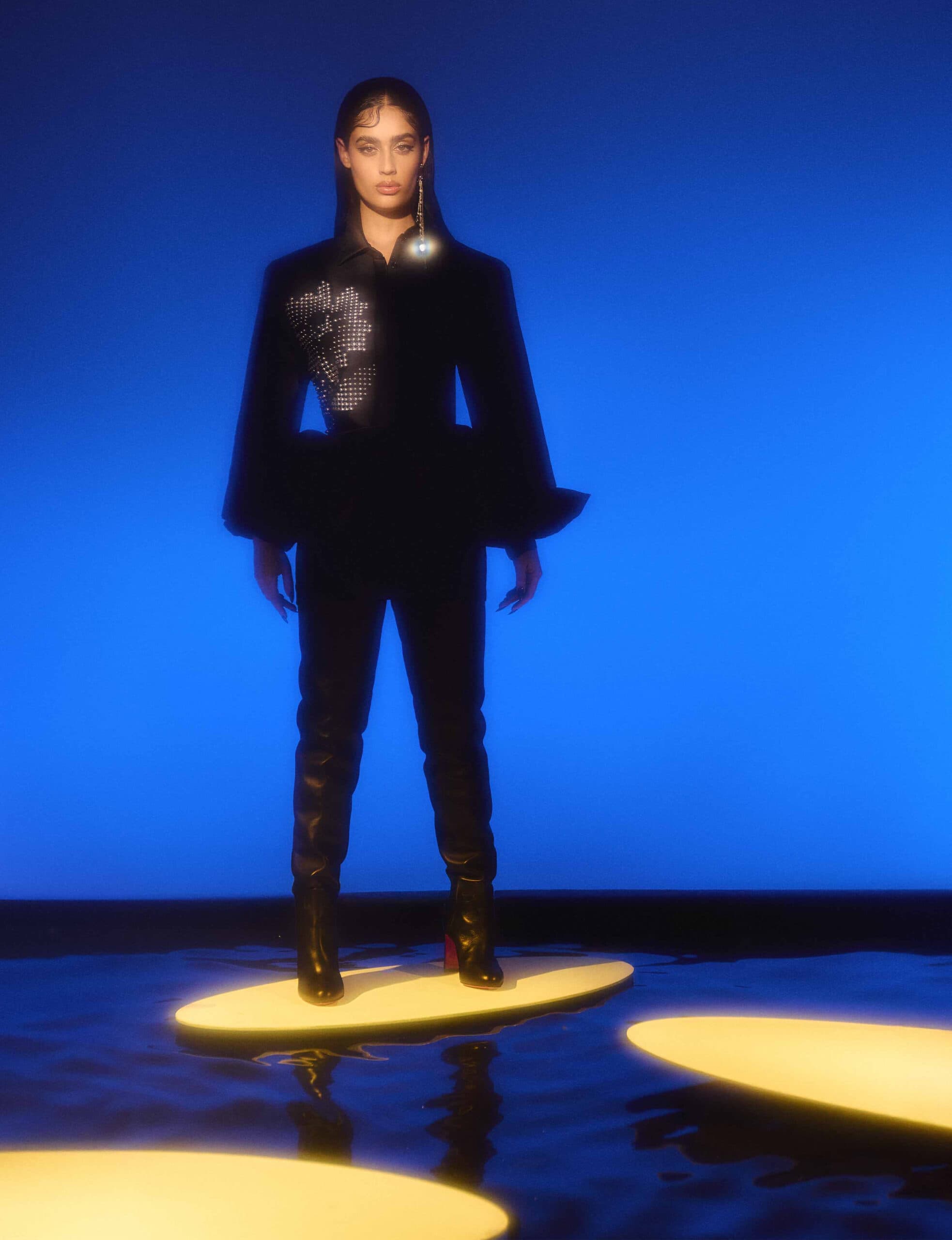
Beyond Awda, 2025 has been a landmark year for Zeyne. She performed to tens
of thousands at Abu Dhabi’s OFFLIMITS Festival and, as an ambassador for EQUAL Arabia, took over a Times Square billboard, celebrating Arab and Palestinian identity and female empowerment. She became the first Levantine woman to appear on COLORS with ‘Ma Bansak’ and the first Arab artist to join YouTube’s Foundry Program 2025, joining a roster of global artists at the forefront of today’s music landscape, such as Rosalía and Dua Lipa. Zeyne is ending the year by playing with Saint Levant in Bahrain and at Sole DXB.
When I follow up with Zeyne a few weeks after the release of Awda, her gratitude is evident. “The response to Awda has been beyond anything I could have imagined,” she effuses. “Seeing people connect to the songs, not just in the region but around the world, has been really emotional and so beautiful to see.” This is especially true for the singer since, as well as sharing her culture on the album, she also filled it with her own story. “This album came from such a personal place,” she reiterates, “and to know that its stories and sounds are resonating so deeply with others makes me so grateful and so inspired to keep creating from the heart.” Zeyne’s artistry, then, lies in her courage: to speak openly, fearlessly and to turn life’s complexities into music that resonates. She stands as one of music’s most important voices today, not only for what she sings, but for the conviction with which she sings it.
- PhotographerVadym Yatsun
- Fashion and Beauty DirectorMarco Antonio
- WriterSufiya McNulty
- Hair StylistAlex Sarghe using SCHWARZKOPF Professional Session Label
- Photographer's AssistantsDenis Nosik and Nicola Sclano
- Production DesignerPo Tsun Lin