Abel is the natural perfume brand speaking straight to your subconscious
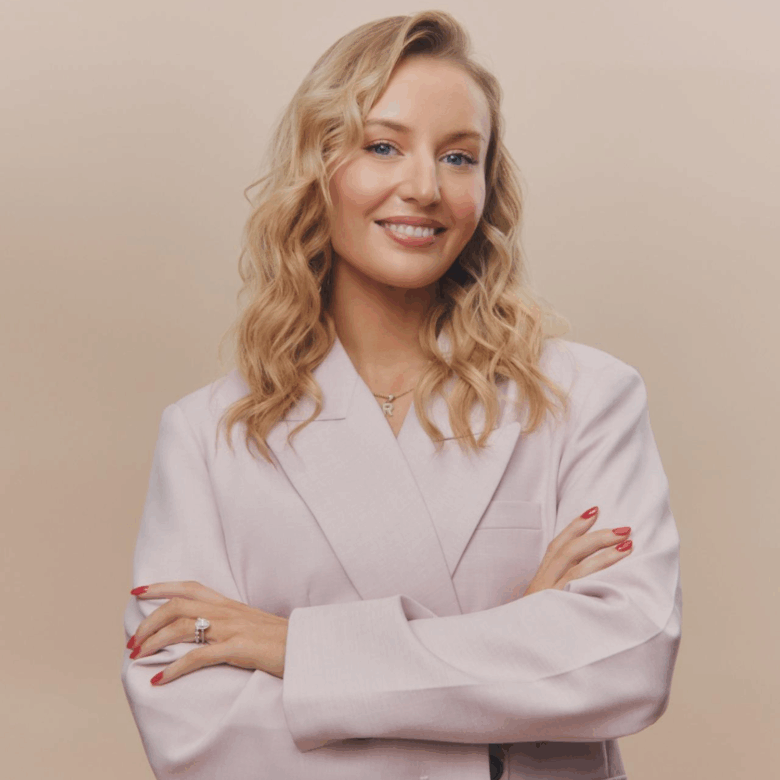
For Frances Shoemack, fragrance is the most direct route to making the intangible tangible. It appears before language, before thought, slipping past logic and straight into feeling. On her way to meet me, Shoemack travelled through central London at rush hour, packed onto the tube at 8:45am. By any standard, it’s an assault on the senses, with layers of metal, movement and the residue of the night before lingering in the air. For Shoemack, smell isn’t something to be judged, but something that attaches itself to experience. The same air that signals fatigue to one person might, for another, carry the nerves of a first day at work, or the charged anticipation of heading somewhere that matters. Smell, she believes, bypasses explanation and goes straight to the subconscious. Abel, the fragrance house she founded over a decade ago, is built on that premise.
A former winemaker from New Zealand, Shoemack grew up close to nature on a farm, immersed in processes that demanded patience and intuition. When she later moved to Amsterdam and fell into the world of niche fragrance, she was struck by what was missing. Amid the beautifully designed bottles and evocative narratives, there were few perfumes that aligned with how she wanted to live: thoughtful and uncompromising. Abel emerged as proof that sustainability, science and sensuality need not exist at odds. Working closely with Master Perfumer Isaac Sinclair and biochemist‑turned‑perfumer Dr. Fanny Grau, Shoemack approaches each fragrance as a collaboration without a brief. Inspiration is rarely abstract: the saline pull of the ocean in Cyan Nori, clean linen drifting through open windows in Laundry Day, or the soft, enveloping calm of Nurture.
Sitting down with HUNGER, Shoemack reflects on scent as memory, and on why, in a world saturated with noise, smell remains one of the most eloquent ways we understand ourselves.
How did Abel come to exist?
I grew up in New Zealand on a farm. My background was in winemaking, and my mum is a yoga teacher, so I had a very natural upbringing. Winemaking is already such a natural process, you take grapes and turn them into wine, so that way of thinking was really ingrained in me. When I moved to Amsterdam about thirteen years ago, I started discovering what was, at the time, an emerging world of niche fragrance. It felt so different from the celebrity, duty-free perfume world I’d known. I loved that fragrance could be inspired by real people, places, movement and real life.
At the same time, I was looking for a natural, more sustainable perfume brand within that space. You could already buy beautiful natural skincare and make-up, but when you asked for a natural perfume in those same stores, you were almost pushed towards an organic supermarket. That disconnect felt strange to me. That’s really where Abel began. Our mission has always been to work with nature and science to create fragrances that are incredibly beautiful and can stand beside the world’s best, while being genuinely natural and sustainable behind the scenes. For the customer, though, it’s simple: we just want you to love your perfume.
Perfume feels deeply personal. What do you think scent gives people?
For a lot of people, it’s such a beautiful ritual. The feedback we get most often is: “I feel confident. I feel ready to face the day.” It’s a really special way to be part of people’s lives. Sometimes I meet someone and they’ll say, “I wore your perfume to my wedding”. That’s such an honour. It’s also what draws me to scent so much. Scent is so connected to your mood, your memory and your inner world. It’s not a surface product. Fashion has such an impact as well, but scent is the next level above that.
You’re not a perfumer by training. How do you approach the creative process?
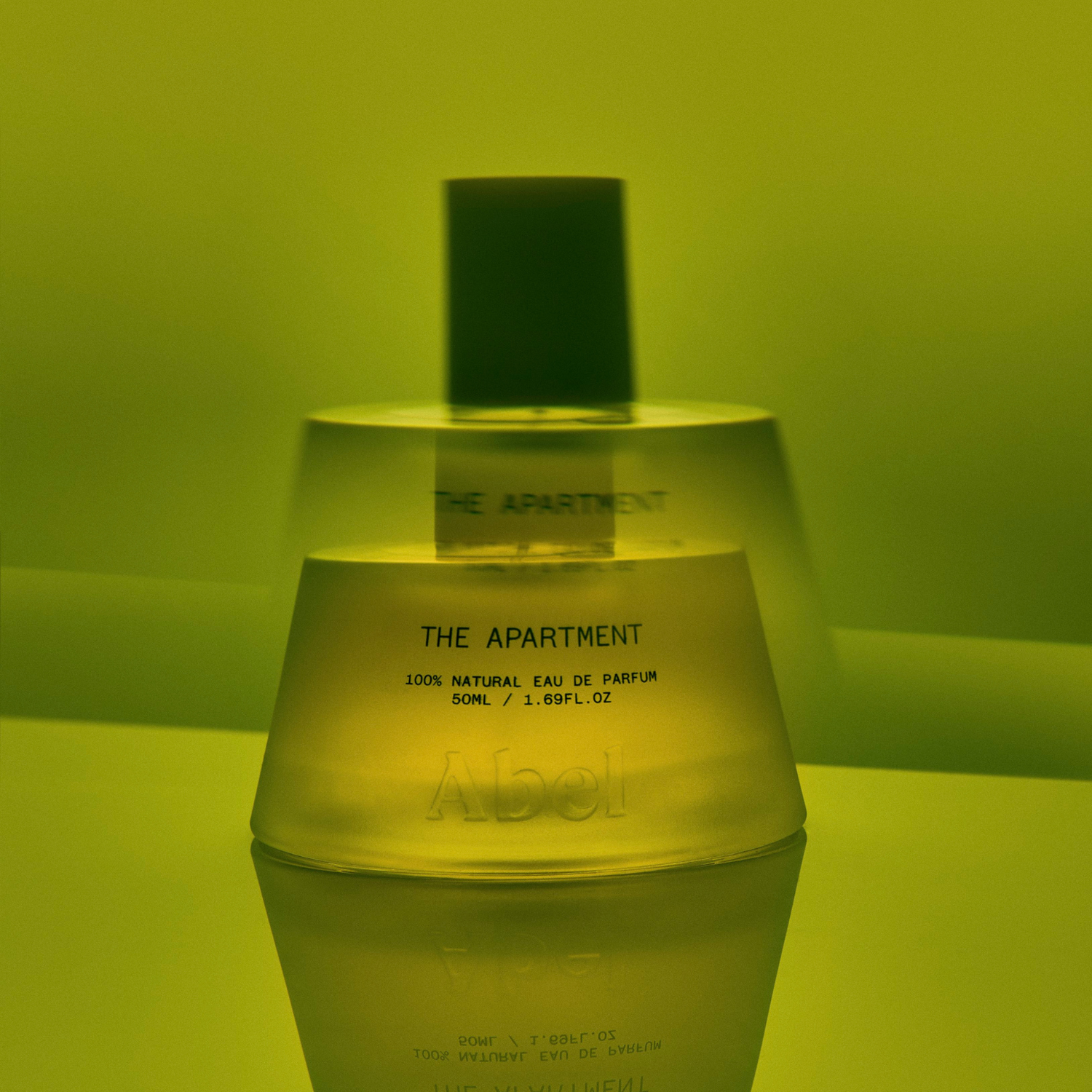
From the very beginning, I knew I wasn’t a perfumer. Our main perfumer, Isaac Sinclair, is the only master perfumer from the Australia–Pacific region, and a few years later we brought in Dr. Fanny Grau, a French perfumer and doctor of biochemistry. It’s very different depending on the perfume, although it’s always collaborative. Unlike the normal perfume relationship where a brand has a concept and the perfumers pitch, I sit down at the table with the perfumers. We ask each other, “What’s inspiring you?” For example, The Apartment, one of our bestsellers, came from sitting in a beautiful apartment together. I turned to Isaac and asked, “If you lived here, what would you smell like?” That’s how the fragrance began. Another one, Laundry Day, was inspired by a memory of New Zealand spring and asking how we capture optimism and that very joyous feeling through scent. It’s not about fresh sheets, but the day when you hang your sheets out and the grass is fragrant and so are the trees, and there’s a beautiful energy.
How long does it usually take to create a fragrance?
It varies a lot. The shortest was Nurture, which we created specifically for new and expecting mothers. When I called Fanny to ask if it was a crazy idea, she told me she was pregnant, so we had a pregnant perfumer creating a fragrance for pregnant women, working within a very tight window before she went on maternity leave. That one took about seven months for the perfume itself, but usually I wouldn’t try to do anything in under a year once packaging is included. Some fragrances take three or four years. Sometimes you reach a creative stalemate and need to walk away for a while before coming back.
Nurture feels very universal, even beyond pregnancy. Was that something you anticipated?
That’s something we’ve really embraced. It was created for pregnancy in mind, low allergen and very gentle, but over time, we realised it speaks to anyone who wants a sense of softness and care. When we reformulated our entire collection last year, Nurture didn’t change at all. We realised that making it stronger didn’t feel right. It’s meant to be soft and nurturing and everyone deserves that, regardless of whether they’re a parent. You can be a nurturer in many ways.
Are you wearing a fragrance today?
Yes, Cyan Nori. It’s more of a skin scent, so I wear it when I know I’ll encounter lots of other smells. It layers beautifully. It was inspired by moving from living on canals to living right by the ocean in New Zealand. I wanted to capture the power and energy of the sea. It has real seaweed in it, a salty, umami quality. When I wear it, I feel like I’m floating in the ocean.
Has working with scent changed how you experience smell in everyday life?
Definitely. Once you remove synthetic fragrance from your life, you become incredibly sensitive to smell. So many things are scented: washing powder, dish soap, candles. If I go to an Airbnb, the first thing I do is put all the scented candles away.
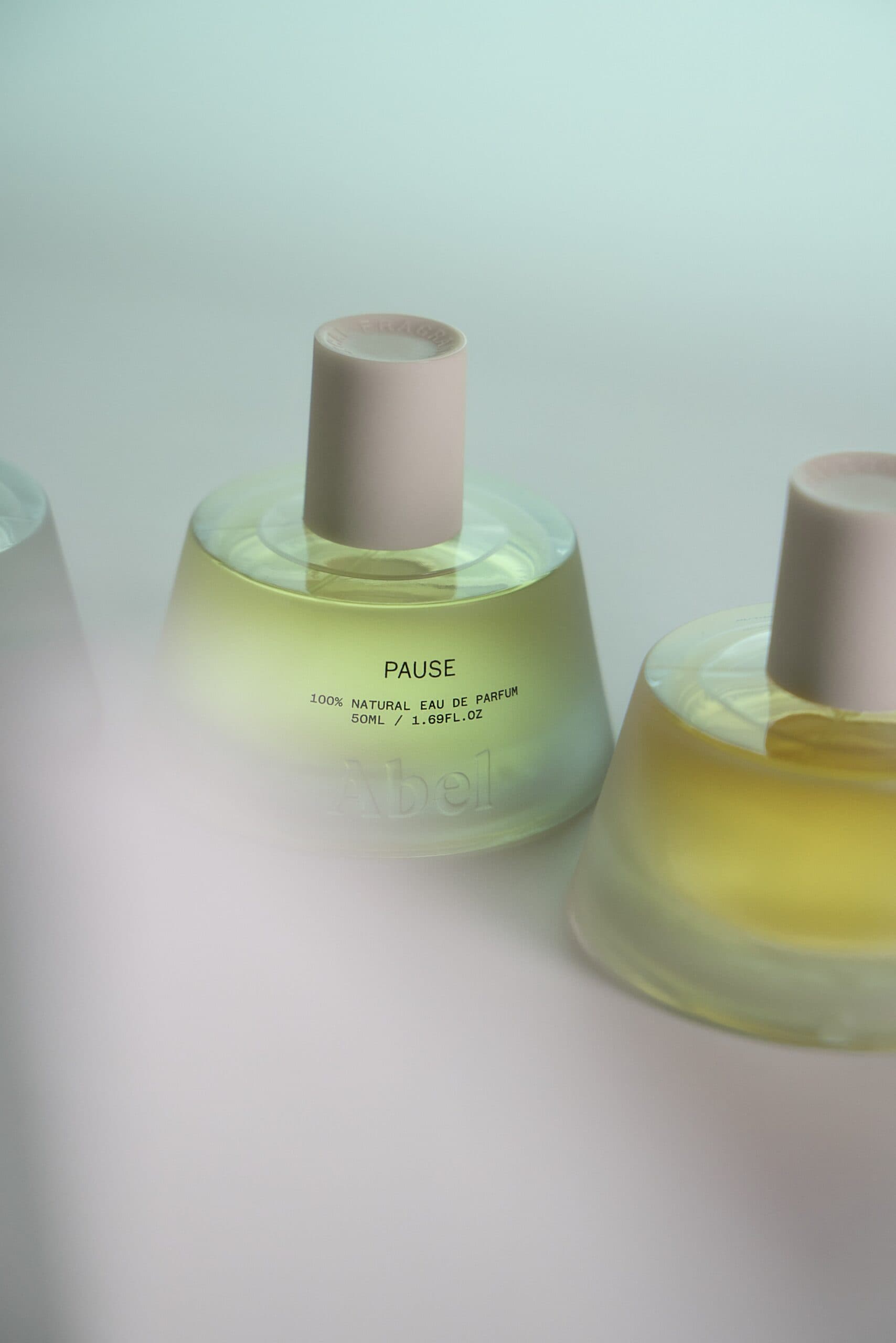
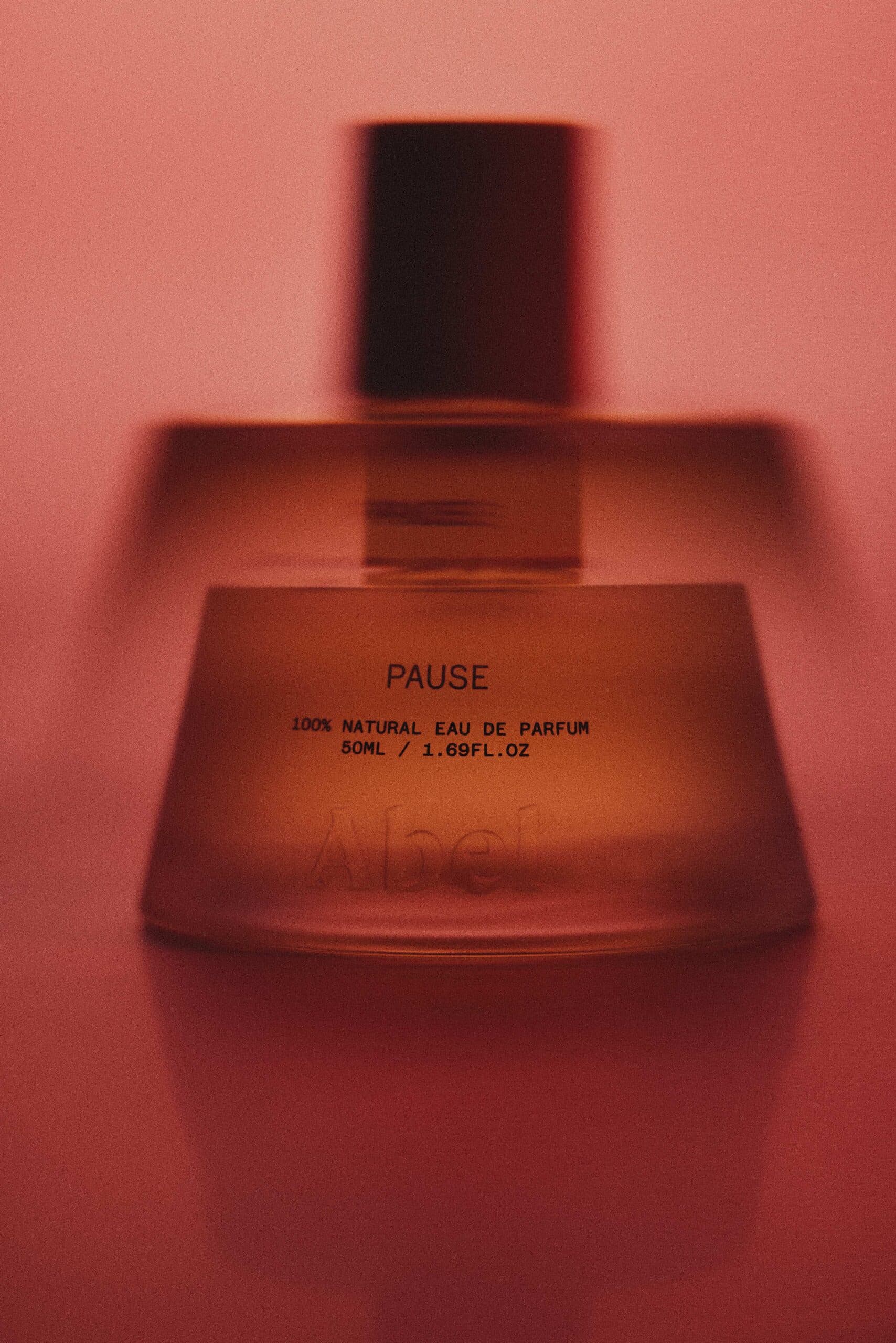
I had so many conversations with people, and the way that they interact with our perfume, and I think that’s really powerful. People talk about the perfume as a reset in the morning, and a boost of confidence. With Pause, which we created around perimenopause, there are ingredients that are good for you during that journey. Women tell me they feel validated when they wear it and I get exposed to all these beautiful stories about the way that people feel when wearing it. I wear perfume very intentionally now, with different scents for yoga or for when I want to feel energised. That’s very different from how I used fragrance years ago, when I’d just wear one perfume until the bottle ran out.
When did this awareness of sustainability and transparency first click for you?
I think I’ve always been a natural consumer, but I remember conversations with my sister over 20 years ago, starting with things like organic tampons and realising how much we absorb through our bodies. When I started buying niche perfumes, I loved them, but I also knew I should be questioning what was in them. When I couldn’t find a natural alternative, it felt crazy. That said, I don’t want to be a fearmonger. If someone has worn Chanel No.5 for 40 years and it makes them happy, I’m not here to tell them to stop. For us, it’s about education and the choice to know what is going on your body, and also falling in love with the fragrance first.
You often emphasise biotechnology rather than fear‑based messaging. Why is that?
Yes, biotech is exciting because it’s a scalable, low-impact alternative to fossil fuels. Every industry needs to move in that direction. One of our upcoming launches, Miami Split, uses an upcycled banana note extracted from wastewater in the food industry. It’s sustainable, but it also smells incredible; it’s a tart, green banana rather than a candy sweetness. We pushed it into an unexpected, darker, more edgy direction instead of a traditional gourmand. Sustainability only works if people genuinely love what they’re wearing. Otherwise, it’s just a waste of products
You’ve said fragrance isn’t an adornment, but an extension of the self. What can scent express that words can’t?
Fragrance cuts through in the way music does and it speaks directly to your subconscious. It’s immediate. You can talk all day, but a single smell can transport you instantly. Your subconscious recognises it before your conscious mind catches up. That’s the beauty of scent, it’s more eloquent than words. It’s closer to poetry.
- WriterRoisin Teeling
- Image CreditsAbel