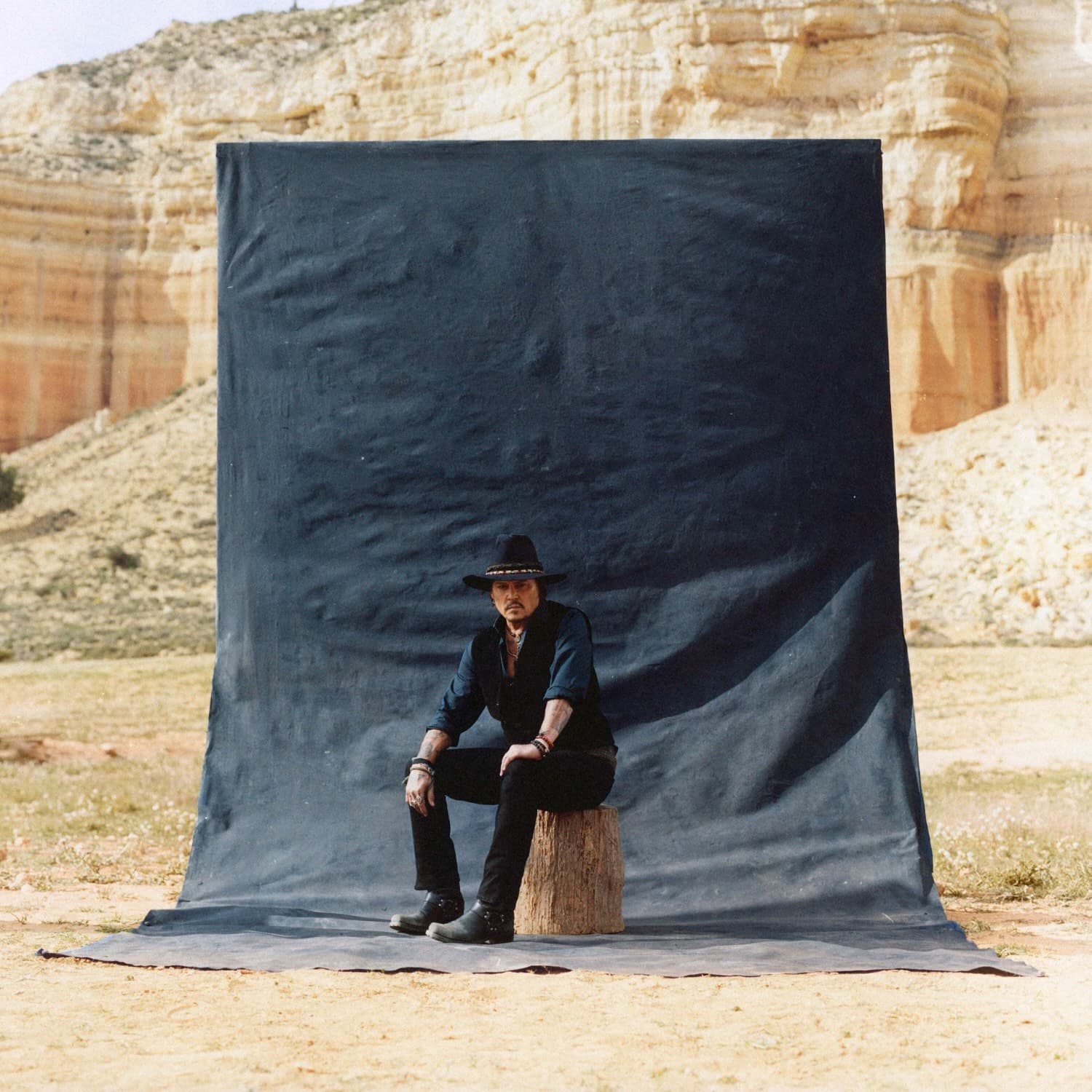
HUNGER: The Sauvage film was shot by French photographer Jean-Baptiste Mondino. Can you describe your relationship?
Johnny Depp: Jean-Baptiste is a very renowned photographer of course, but he is also a great renegade filmmaker. I could do twenty-five films with him or read the telephone book for him if he wanted me to. When we worked together the first time, for the first Sauvage film, it felt to me like I met this wonderful kindred spirit who was as interested as I was in letting moments create themselves. He allowed an infinite amount of freedom than you would normally have on a film shoot. He wants imagery, he wants to create poetry and he has the best eye and the best sense of humour. He has no fear, and is the sweetest man in the world, but also absolutely stuck to his vision. Jean-Baptiste is one of the most creative people I have ever worked with. I adore him.
H: How well does he know you and how much of yourself went into the making of this Sauvage character?
JD: He definitely knows me well. When you work and collaborate with someone so closely, you come to understand one another pretty quickly. It was very instant for me with him, and I think it was mutual. We both have a kind of absurdist take on the world but we also both love poetry and are very attached to the idea of capturing something as opposed to just creating something. He’s a fountain of ideas. When you shoot with him, you’re not hanging out in your trailer for an hour, he’s always seeking, and he constantly finds new ideas for shots.
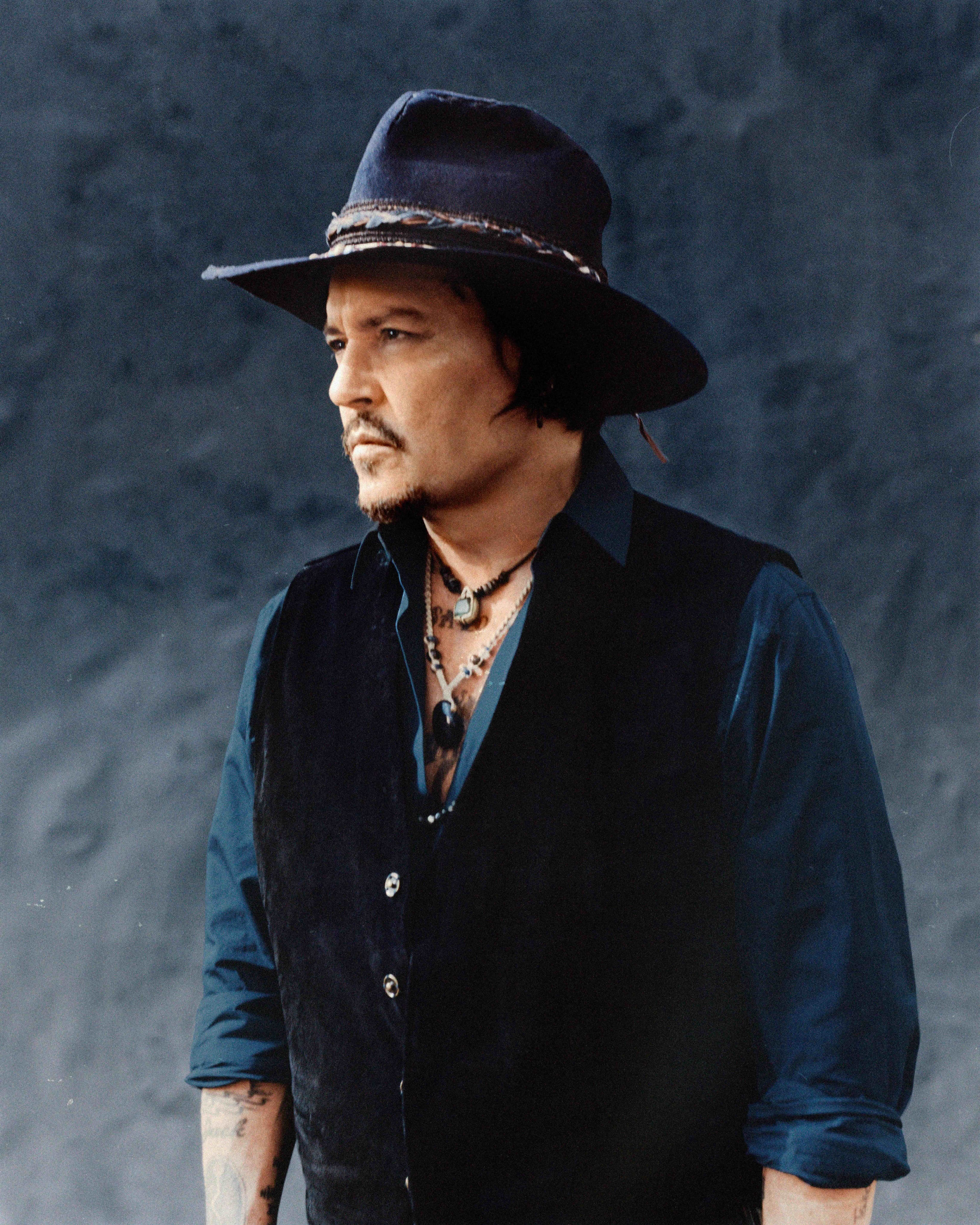
H: The film pays homage to western movies. You became an actor after their heyday but did you grow up watching a lot of them?
JD: Most westerns I remember seeing as a kid were about cowboys and bang bang shootings. They bored me to tears. But I do love Sam Peckinpah’s The Wild Bunch. I also made an epic western poem with Jim Jarmusch called Dead Man, and I like Patt Garrett and Billie the Kid, with Kris Kristofferson and James Coburn. And one of my favourites of all time is Cat Ballou, with Jane Fonda and Lee Marvin.
H: In the Sauvage film, is your character giving the gold back to the earth a form of reversed gold rush?
JD: That’s exactly it! Instead of someone on the search for something of monetary value, it’s the idea of appreciating where you are — of understanding everything around you and remembering that moment because it’s special. It’s less of a search for self and new things than it is about acknowledging your experiences in your life and the ability to let certain things go.
H: Do you associate the characters you played with scents?
JD: Absolutely. Certain characters that I’ve played have a scent. Like in Laurence Dunmore’s The Libertine, John Wilmot was a bit of a dandy, so his scent was really important to me. Or for Barnabus Collins, the two-thousand-year-old vampire from Tim Burton’s Dark Shadows, we mixed all these strange things together — with a dirt base of course…
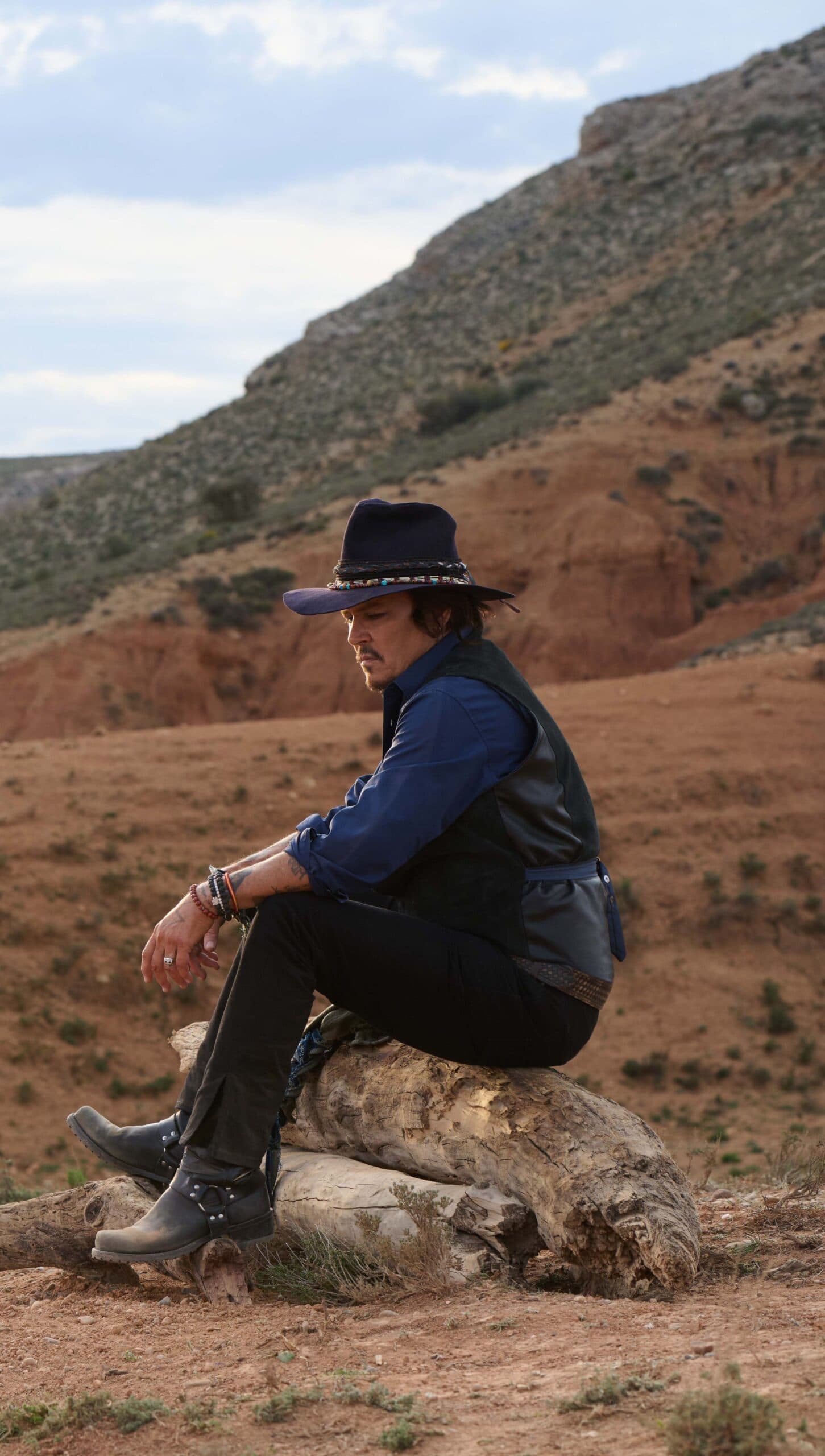
H: You have been the face of Sauvage for ten years. What made you initially say yes to Dior, the first luxury brand you chose to work with?
JD: At first, I was kind of shocked. Dior has been maintaining an elegance and a sense of legacy for almost a century. The fact they saw something in me that they felt could express what they were looking for for Sauvage meant a lot.
H: Has working with Dior and Francis Kurkdjian made you more aware or knowledgeable about scents?
JD: Infinitely. I’ve been so lucky and privileged to have been able to sit down with the ‘nez’ at Dior, and I learned a lot talking to the various perfume creation directors. For example, I had no idea that pretty much every Sauvage perfume starts with Calabrian bergamot. I also learned about ambergris, which is collected from wild whales and is actually worth more than gold! That blows me away.
- Image CreditsEric Guillemain and Otman Qrita for Christian DIOR Parfums