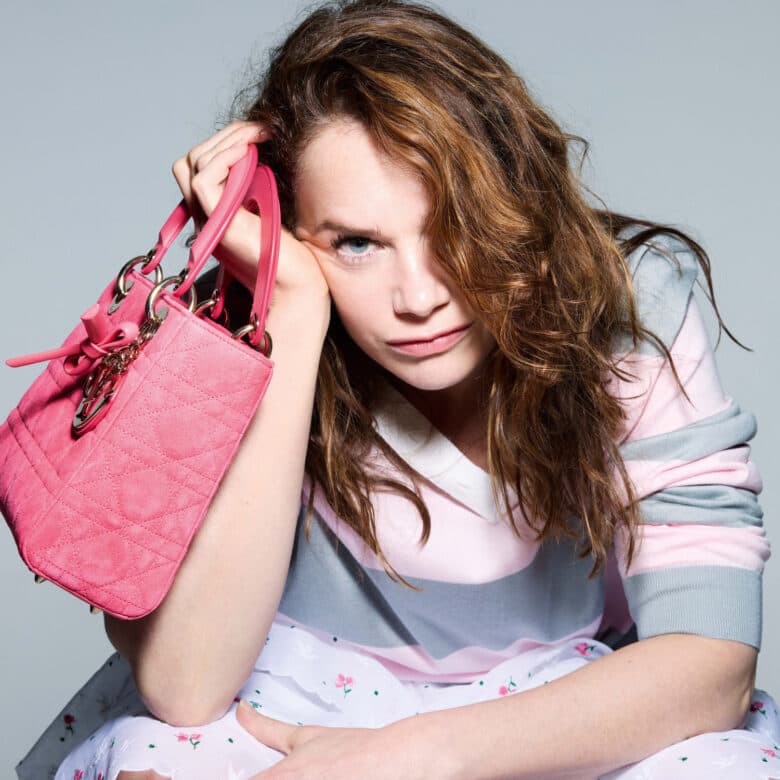
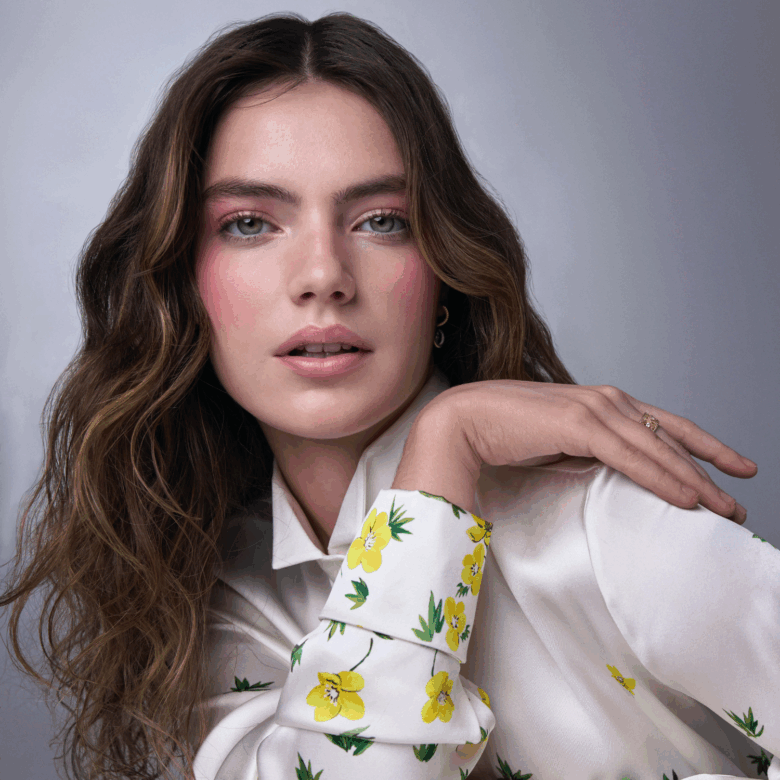
Minnie Driver is having her “Minnaissance”
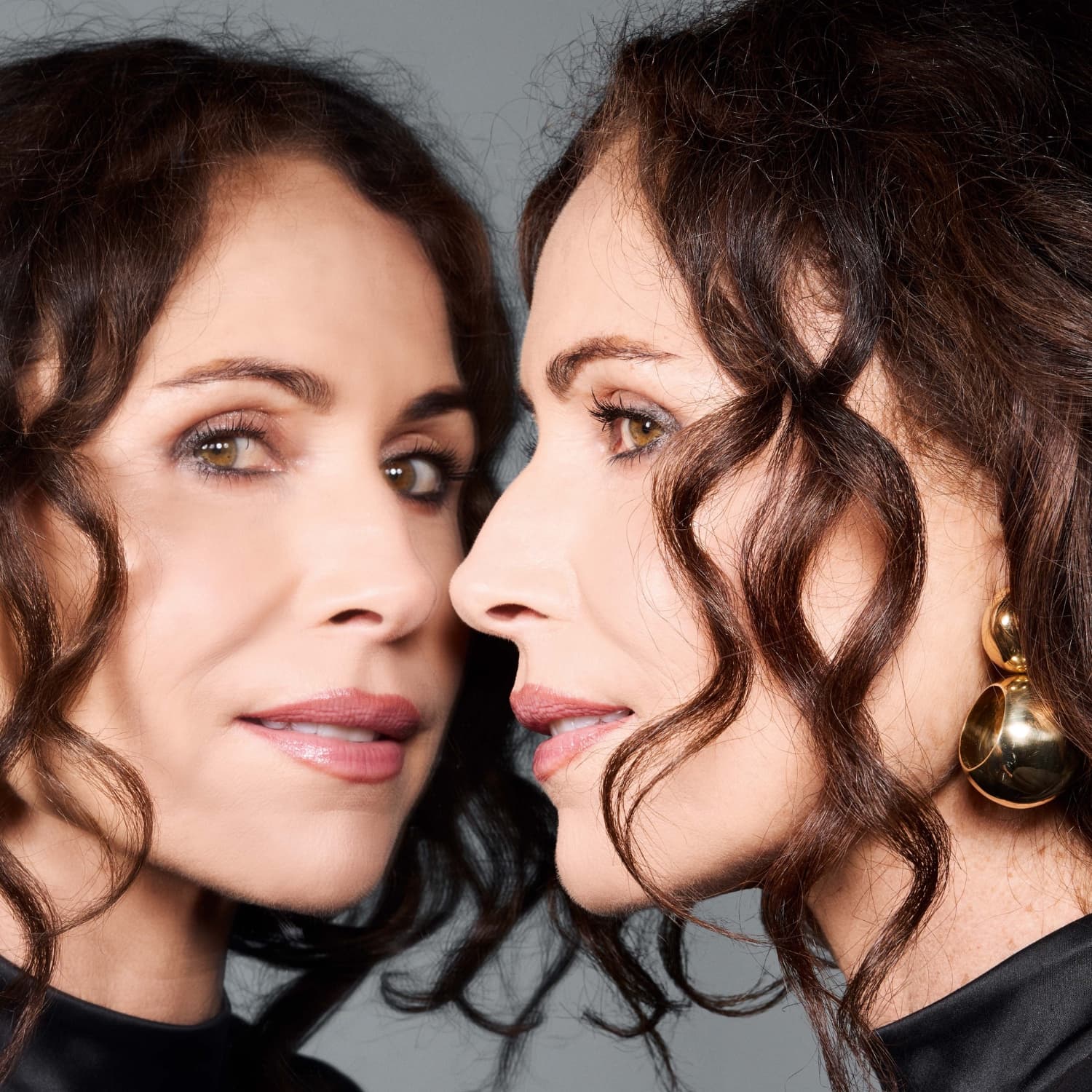
“I was weirdly filleted,” says Minnie Driver, her trademark corkscrew curls loosely tied back as she dials in from her London home (which she splits time between and her home in Malibu). Her knees are tucked up to the table in a self-protective, childlike way. We’re speaking a few days after the end of her run in Every Brilliant Thing at Soho Theatre, the one- person show by Duncan Macmillan about a child trying to help their mother’s depression through listing every brilliant thing about life. “My whole everything was fried while I was doing this play, I just had no, kind of, life skills. It takes every single ounce of focus and energy.”
Driver is one of the most enduringly recognisable actors around. While her Oscar-nominated role as Skylar in Good Will Hunting in 1997 alongside then boyfriend Matt Damon is what propelled her into public consciousness, Driver has a knack for picking projects with staying power. Her other projects of the same decade, which have now made their way into cult classic territory, include Grosse Point Blank, Big Night and Circle of Friends.
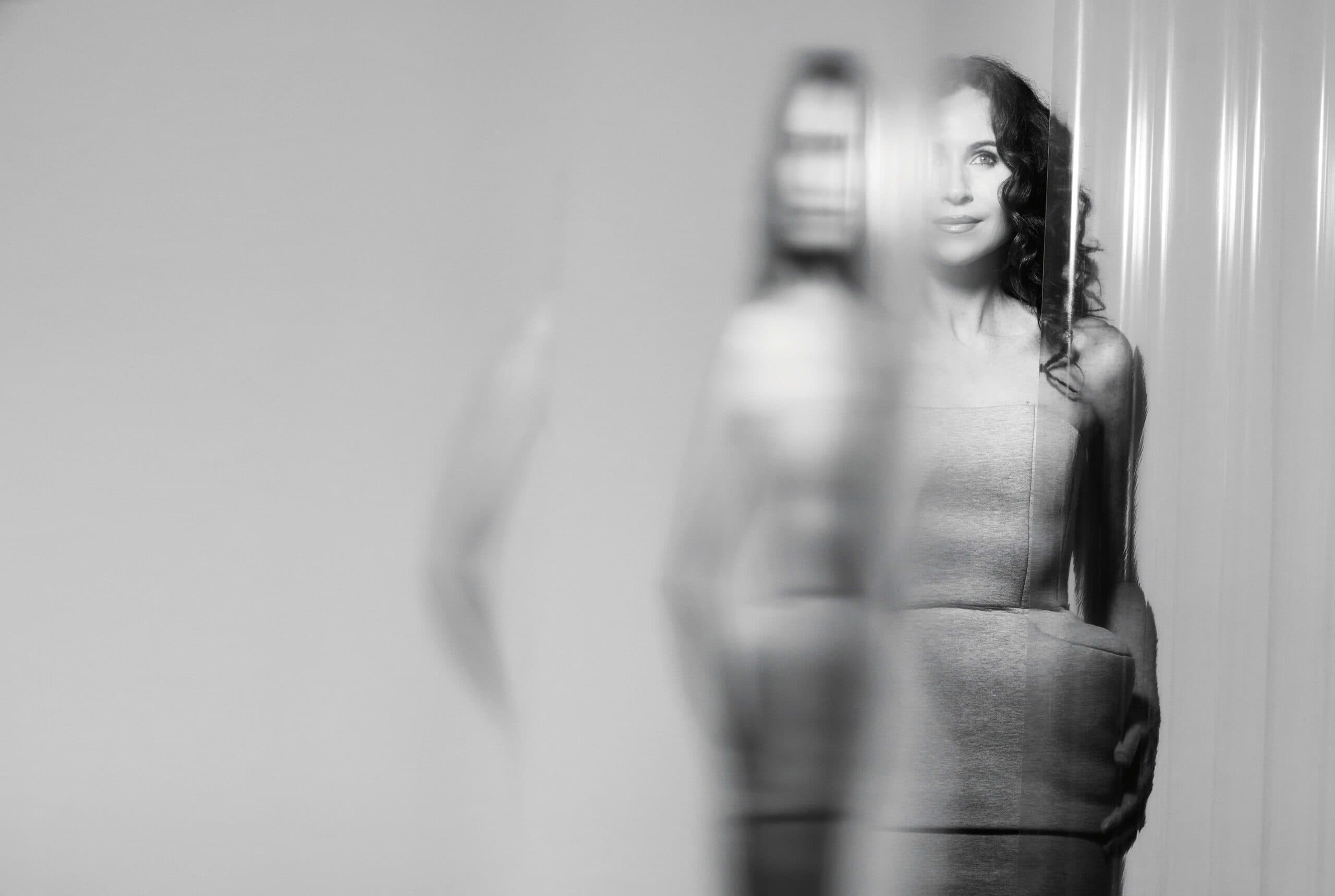
Yet, theatre wasn’t a string Driver had in her otherwise multifaceted bow (which also includes three albums, a podcast and a memoir) until this year. And it’s proving a revelation. “I couldn’t imagine a process that was more satisfying creatively,” she says. And whatever post-show loss Driver feels at the time of our conversation, it’s undeniably been a brilliant year for the actor. She’s got a couple of Netflix hard-hitters in the pipeline. In December, Driver will appear as Princess Jane in season 5 of Emily In Paris, and at the start of next year, she’ll star in the new Harlan Coben adaptation of Run Away, alongside James Nesbitt and Ruth Jones.
But for the rest of the year, Driver tells me, it’s about taking it easy. “I want to metabolise what I did this year, because it was mental,” she says. “It was an amazing year.” Then, a glint in her eye, the actor adds: “2025 was the Minnaissance.” Driver is evidently, and rightfully, pleased with her self-coined term. As am I — she’d done my job for me. “That’s brilliant,” she smiles. “There’s your copy.”
Marina Rabin: So, how are you feeling since the end of the play?
Minnie Driver: I feel really heartbroken. I really don’t have any reference. Honestly, I’ve done two other plays in my life. When I did Sexual Perversity in Chicago in the West End in 2004, I was just having a great time and playing softball with Matthew Perry and Hank Azaria. This is something else. I don’t know if this is common only to one-person shows, but I don’t know where to put it now. It’s kind of like you’ve fallen off the edge of a cliff, but everything’s going on around you. The garden’s still the garden, the dog still needs to be walked, the buses are going by. It’s just a very weird feeling where you’re back in your everyday life and you don’t have anywhere to put all of this unbelievable energy and adrenaline and focus that you had before.
“You don’t have to be happy all the time. You’ve got to have some contrast.”
MR: Do you think that’s partially because of the heavy subject matter, or a personal attachment to the show?
MD: I don’t say it lightly, it’s the highest degree of difficulty that you have as an actor. It’s not a typical one-person show. There’s no other show that I’ve come across that’s like it. But I think that’s what I loved. I require quite
a hard degree of difficulty at this point. I’ve done this for a really long time. And I haven’t been challenged in this way in so many years. I was so grateful for it.
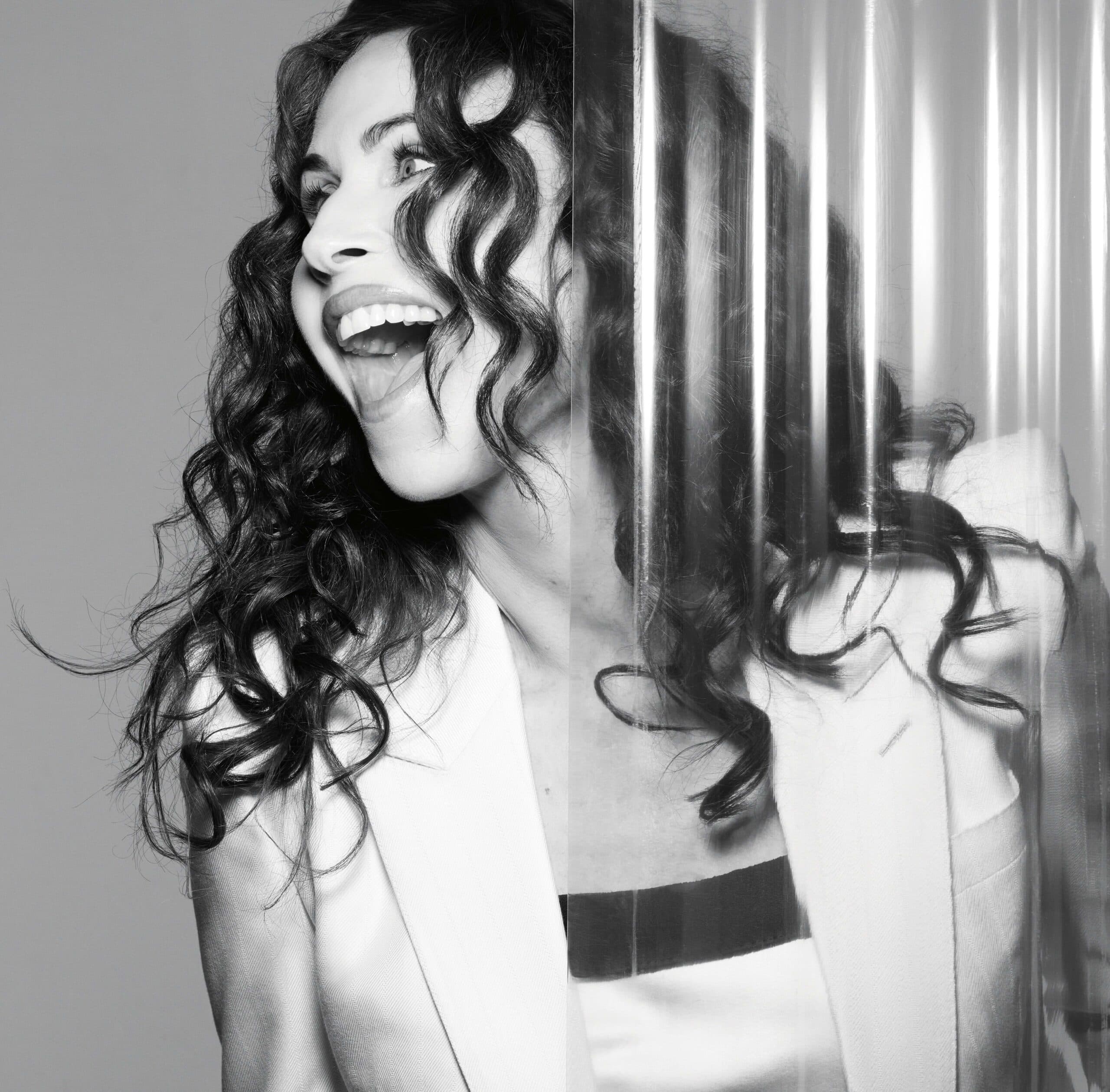
MR: Ostensibly, it’s a show about depression and suicidal thoughts. But really, it’s a play about living, isn’t it?
MD: Jeremy [Herrin] and Duncan [Macmillan] co-directed this, and it’s hard to remember who gave which note, but there was a note that was, ‘this play is about joy as an act of resilience’. And I thought that was the best note that they ever gave me, not just in terms of the playing of it, but because it’s about: how do you live? How do you carry on living with joy, even with the spectre of depression and suicide? Just in terms of meeting sadness with gratitude — the counterintuitive notion of when you’re feeling sad, identifying the things which you’re grateful for. They elicit a response. I think about my son or I think about my boyfriend, or I think about my friends, my family, my home. Also [warming] up to the idea that you don’t have to be happy all the time. You’ve got to have some contrast.
MR: I saw on your Instagram the other day, before you finished the play, you were talking about the anticipatory grief of finishing the project. Has there been another time you’ve felt something close to this in your career?
MD: Even with films like Good Will Hunting, that was a beautiful piece of art that still stands up. But at the time, it was about the rabid nature of being famous, not the notion of having actually explored and fallen in love with the process of making something. But this is different, maybe because I’m older. I’m aware of how good this is because I’ve made plenty of choices that were purely practical, and made a lot of mediocre work, and did stuff just because I had to pay the bills. But at this point, I was really luxuriating in the experience of doing something that was so unfathomably satisfying creatively.
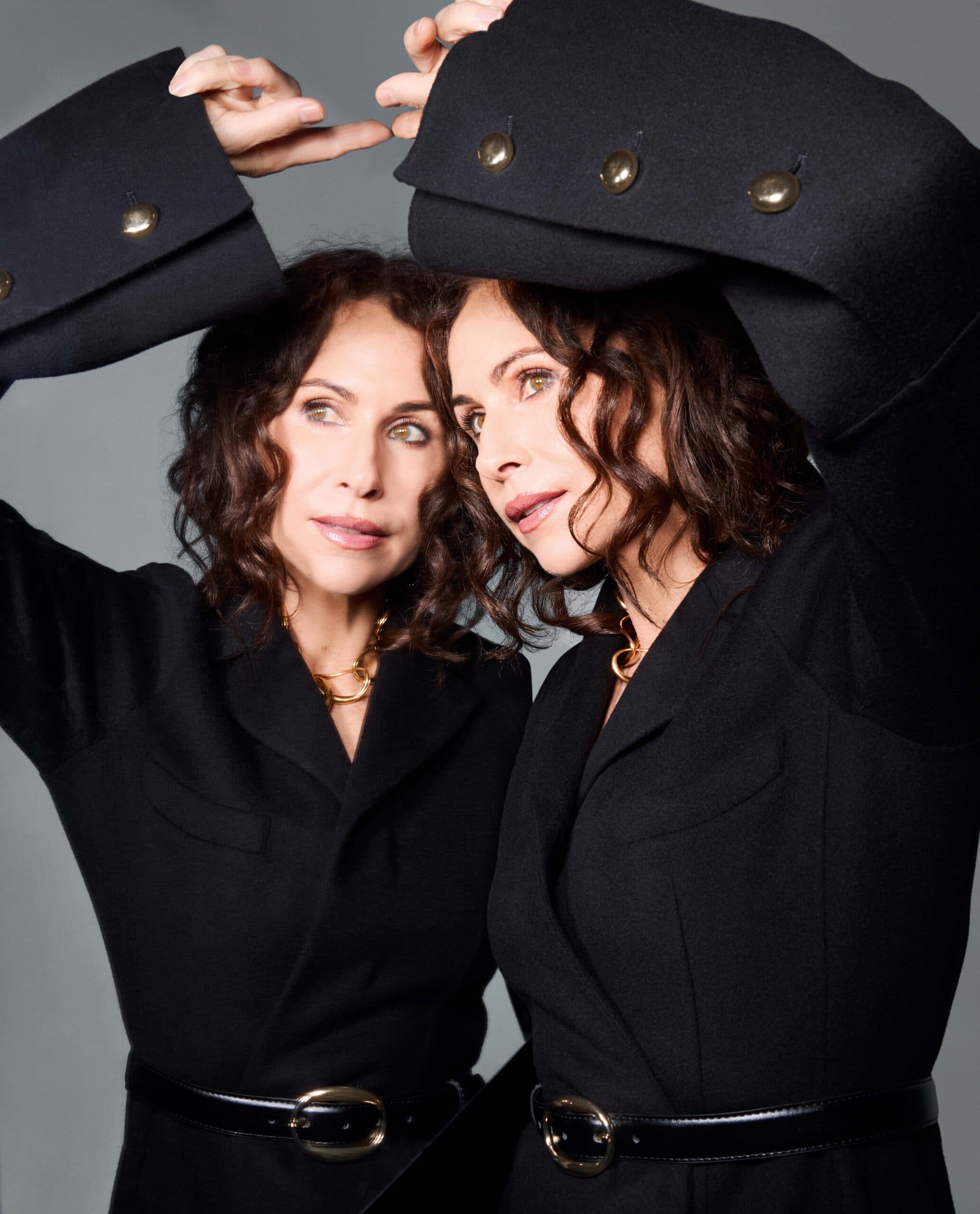
MR: Maybe with this project, there was something sacred about it not being entangled with the idea of fame?
MD: I think this was the purest version of storytelling, which is even more distilled in today’s age, because there’s this extraordinary prevalence of people who just want to be famous. The idea of fame for the sake of fame has been augmented, underwritten and now propped up as an actual life choice. I wanted to be successful, for sure. I’m not sure about the notion of fame, but I loved it for a time. It was heady and amazing. But just to do something to feel and to share, and then to have that received, that’s a really extraordinary experience. Everyone standing up at the end of the show, on their feet, everyone having this collective experience. That is just fucking undeniable.
MR: I wanted to ask about your relationship with the press and the idea of fame as you’ve gone through your career, because you had a rocky time with it.
MD: I think most women did in the nineties. I don’t think it’s as indicative of me as it is of the toxic environment. And I think that’s what is interesting. Journalists ask me about this and I actually now feel like throwing it back and going, This was never about me, ever. It was always about the toxicity
of that environment, and the fact that it was unregulated, and there was no way of answering back, so you just have to suck it up. And that does something to you. What’s different now is there are much more direct- to-consumer ways of dealing with all of this stuff, which I think is positive. Yes, you have more commentary, but I still think it’s better, I really do, to have a voice.

MR: I also think being ‘outspoken’ now is something that’s valued, whereas before, it was something that was turned on women.
MD: I’ve never really understood that word. I’ve only ever understood it as a pejorative that is applied to women, primarily. I’ve never understood why it’s a bad thing to speak outwardly. Why when we speak, are we called outspoken? With my generation, there were labels assigned, and that was mostly from the media. And once you had that label, that label was your label, and it would be repeatedly used, almost like a mantra. So it didn’t matter whether there was veracity [in it] or not.
“Surfing really saved me from being completely obliterated by Hollywood.”
MR: You said you’d be given a label — was there a point you’d start to believe it yourself because you’d been told it so many times?
MD: It’s weird because it would come up against the part of me that knew it wasn’t true. And yet, I couldn’t affect any change around it. All you could do is just carry on. It was agony when I was younger, but it didn’t cave me in. I come from a long line of very strong women, and I think there was a certain amount of acceptance that there was always going to be a whole lot of bullshit thrown your way, and that was just life.
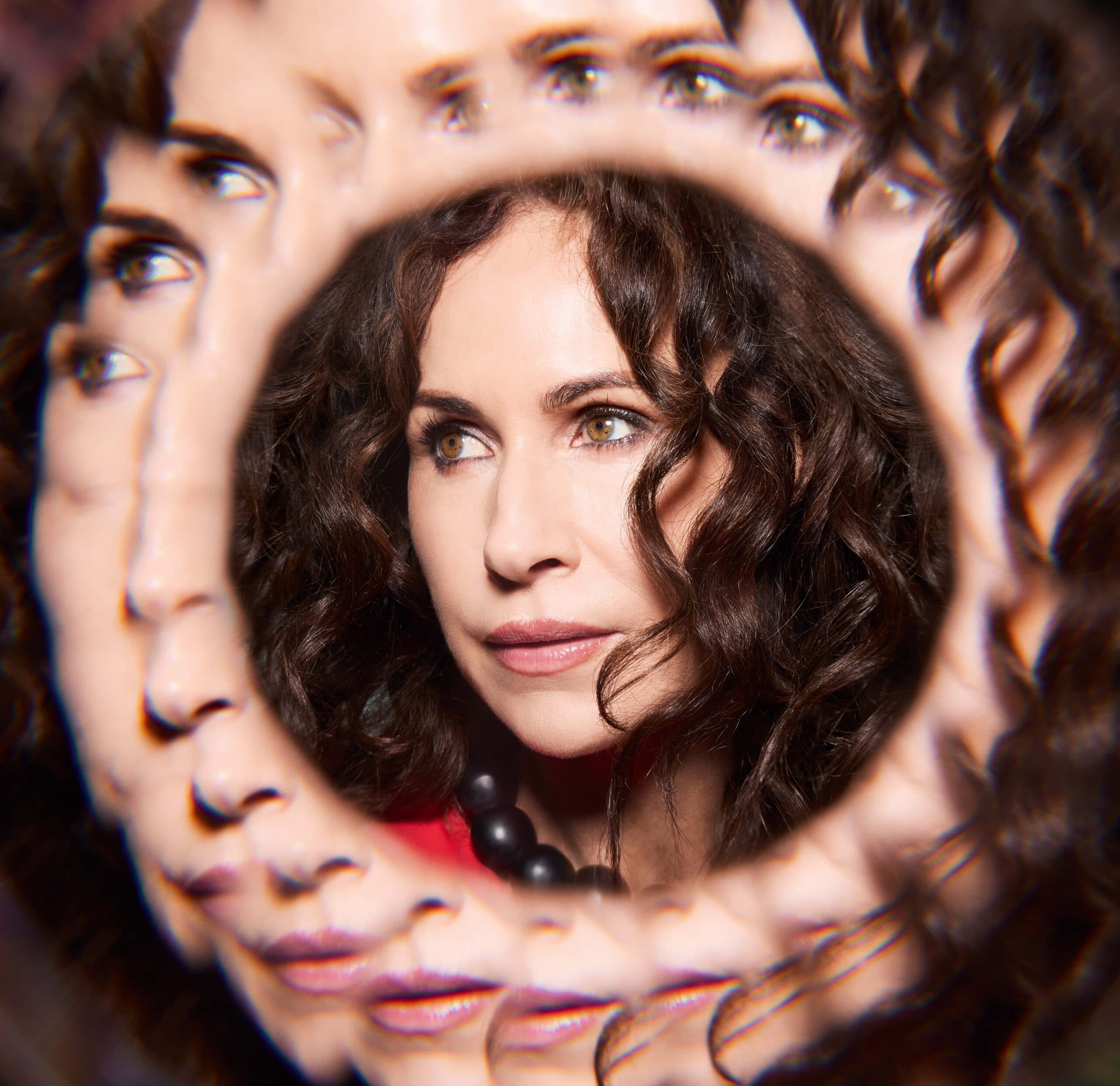
MR: One thing that’s helped you “carry on” is your other passion: surfing. Can you tell me about that?
MD: Surfing really saved me from being completely obliterated by Hollywood — chasing this idea that, unless you maintain a certain level of fame, your relevance and therefore your actual sense of self ceases to exist. Don’t get me wrong. I don’t like it when people slag off Hollywood, because it’s like, that’s your bread and butter. It gave me the most unfathomably amazing opportunities, opportunities I just wouldn’t have had. But you know, it doesn’t come with warning instructions about what will happen to you when you get addicted to the notion of being famous. Hollywood is just a business, and it’s fantastic, and it churns out all this entertainment, but you have to find a way of balancing it. I’ve never felt worse [after] getting out of the water. And it’s a brilliant parable for life. Some days you’re right in the pocket and it’s beautiful and it’s easy and it’s amazing. And then there are days where you get pounded and you almost drown, and it’s terrible and frustrating and you get yelled at. But you keep going back, and the experience keeps teaching you.
- PhotographerRankin
- StylistMartha Ward
- WriterMarina Rabin
- Make-Up ArtistBuster Knight at The Only Agency using DR ALTHEA
- Hair StylistLewis Pallett at Eighteen Management using SCHWARZKOPF Professional Session Label
- Make-Up AssistantMarcela O’Meara
- Fashion AssistantJessica Miller
- RetouchingFTP Digital