The independent cinemas you need on your radar in 2026
Streaming always promised convenience but what it really delivered was decision fatigue, half-watched films and the slow death of the collective gasp. Meanwhile, across London, independent cinemas are quietly (and sometimes loudly) refusing to disappear. They’re not just surviving, they’re becoming cultural sanctuaries for a generation that’s bored of scrolling and hungry for something real. As advocated by Stellan Skarsgård during his Golden Globes speech, “In a cinema, where the lights go down and eventually you share the pulse with other people, that is magic. Cinema should be in cinemas.”
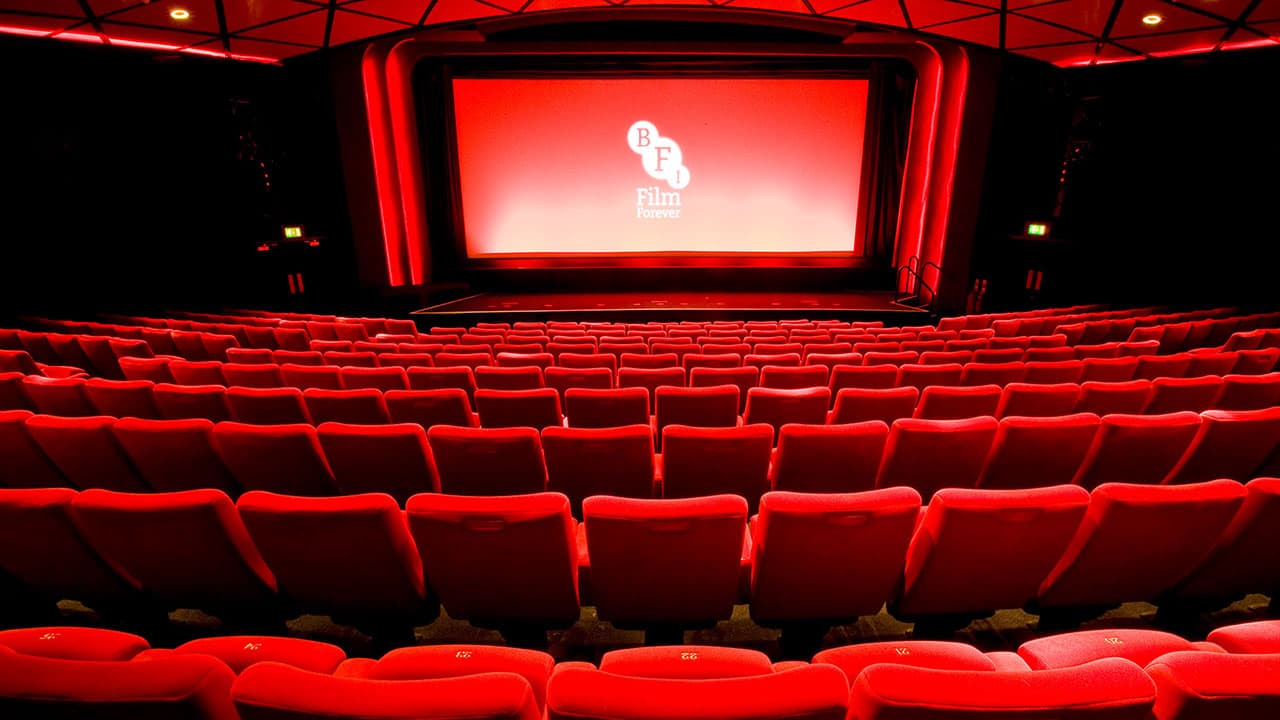
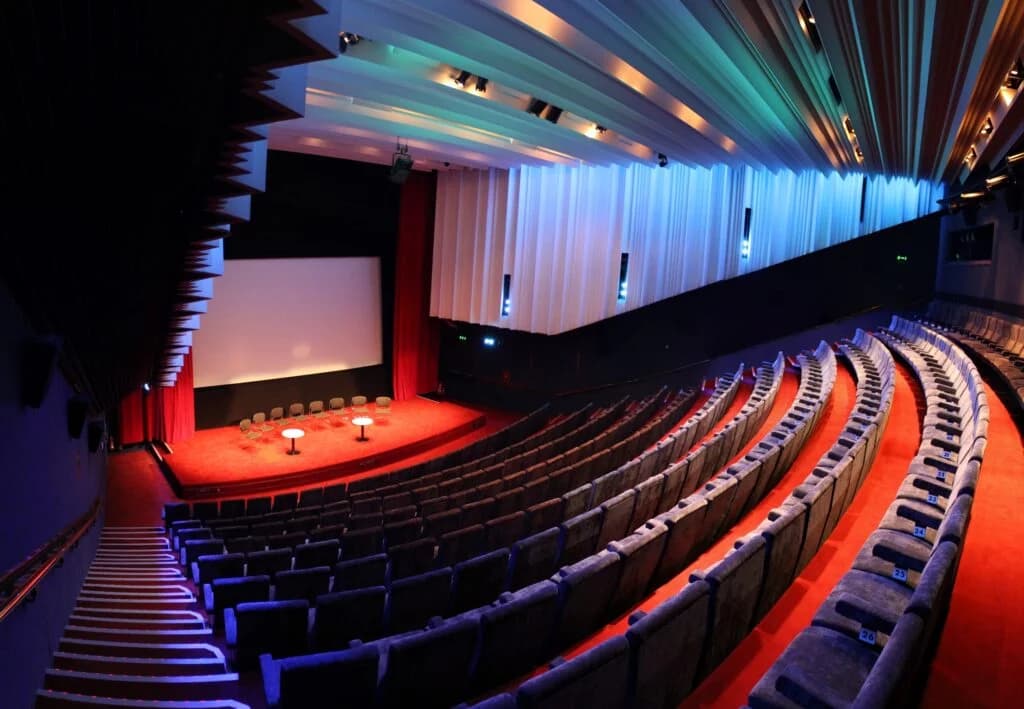
At BFI Southbank, cinema operates like a living archive. Run by the British Film Institute, it’s where you go for classics, independent releases and non-English language films, acting as a reminder that film history didn’t begin in 2014. There’s something grounding about sitting in the dark with strangers who actually want to be there, phones face-down, eyes up. And if you’re hoping to hear your favourite actor talk craft at a post-screening Q&A, this is the place. With four screens open seven days a week, BFI Southbank offers one of the widest selections of films in the city, all set within a scenic riverside landmark where you can eat, shop and linger long after the credits roll.
Then there’s the Barbican Cinema, where film exists in conversation with everything else. You can watch an experimental European drama, catch a play about Peter & Wendy, then end the night inside an exhibition. It’s cinema as part of a wider creative ecosystem, less “film night”, more full cultural immersion. Each year, the Barbican presents an eclectic programme spanning film, music, theatre, dance and the visual arts, featuring both emerging and established artists. Alongside new releases, the programme includes filmmaker talks and major curated seasons. And if you’re aged 16 to 25, discounted tickets make it one of the most accessible cultural destinations in the city.
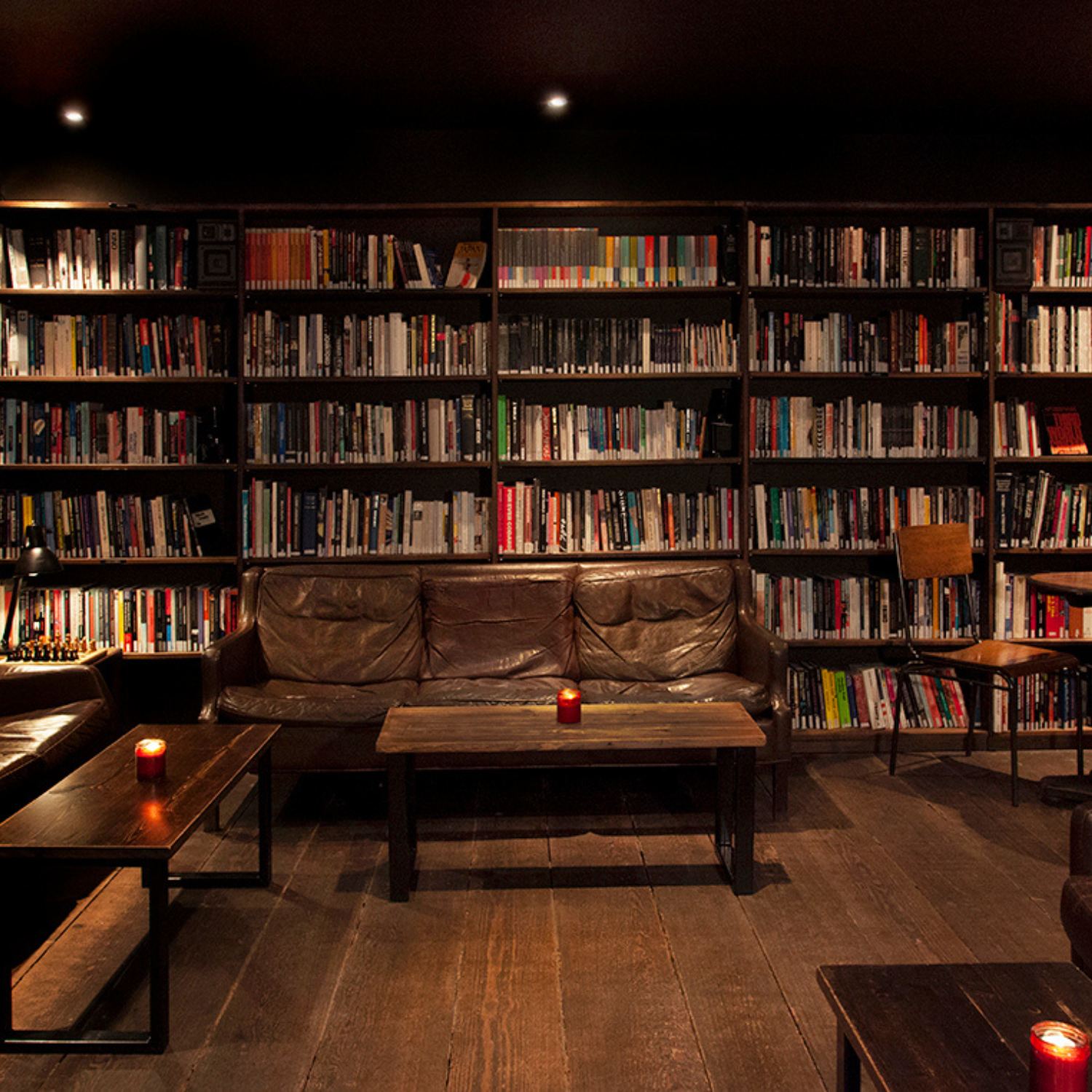
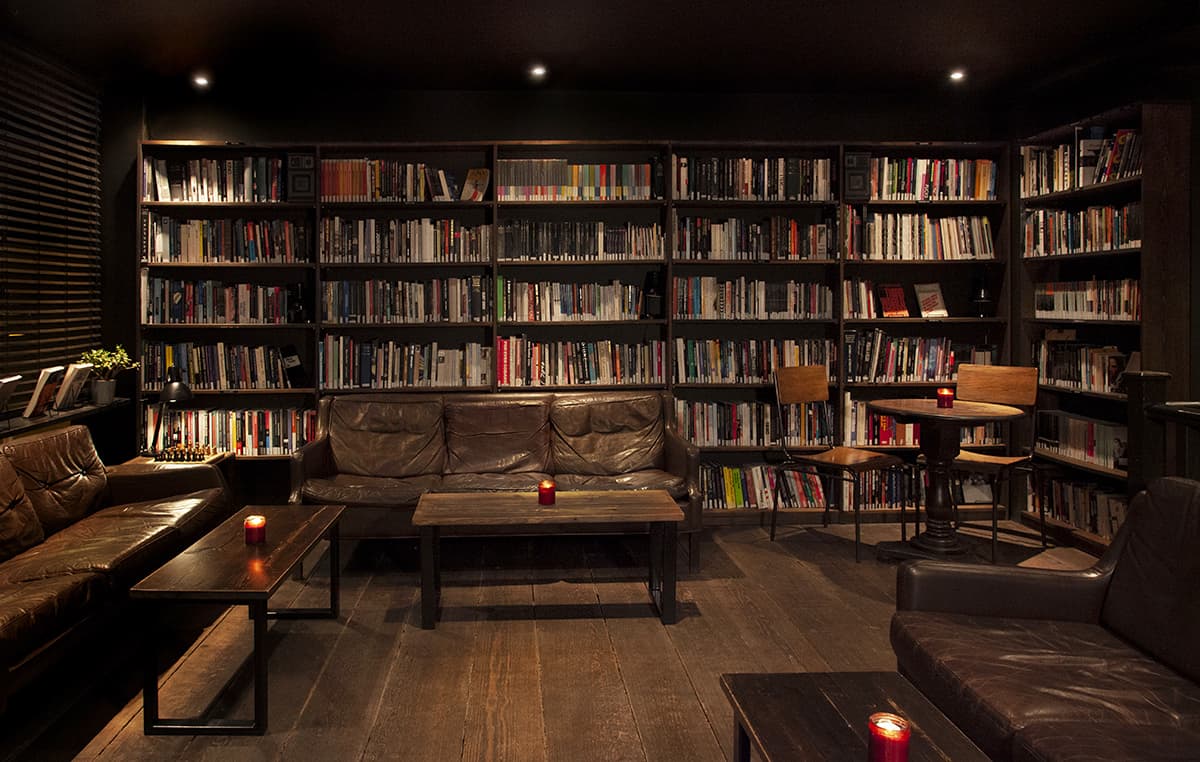
For hardcore cinephiles (and devoted Letterboxd users), Close-Up Cinema is sacred ground. Small, serious and obsessively programmed, it’s where silent films, early classics and deep cuts are treated with the respect they deserve. With just 40 seats, Close-Up is the most intimate alternative to the multiplex experience, screening films on 35mm and 16mm, and championing independent and experimental work that sits at the intersection of art and film history. Part arthouse cinema, part resource centre, it’s also home to a carefully curated library of rare films and books dedicated to early cinema, international film and experimental practice. No distractions, no algorithm, just film as film.
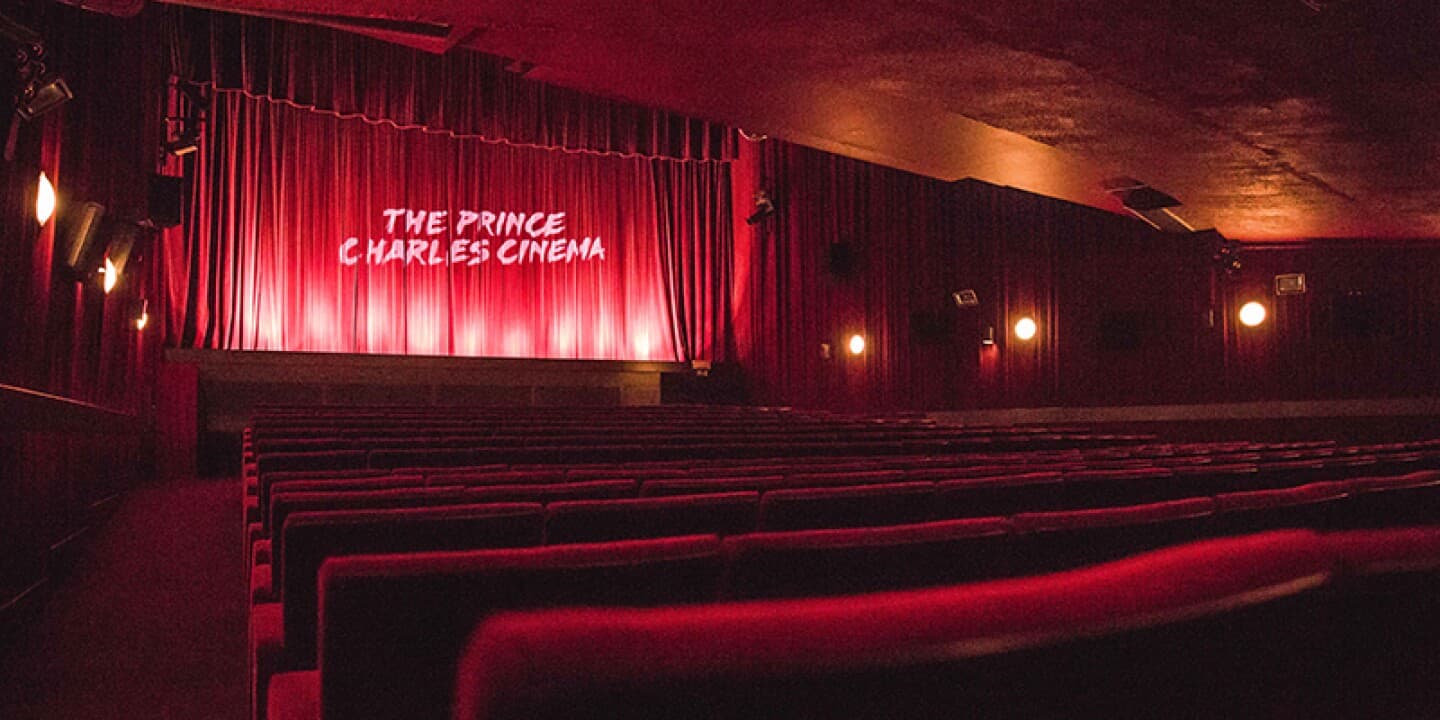
If Close-Up is reverent, the Prince Charles Cinema is pure chaos but in the best way. Tucked just off Leicester Square, it’s built a cult following on midnight screenings, quote-alongs and unapologetic nostalgia. This is where The Room becomes a communal sport, and where classics are screamed, laughed and loved back to life. Cinema, but make it feral. Earlier last year, the venue narrowly avoided closure, sparking the #SaveThePCC campaign: proof that London still wants places where a Twilight or Lord of the Rings marathon feels like a rite rather than a guilty pleasure.
South Kensington’s Ciné Lumière offers something softer, slower, more European. Housed within the Institut Français and named after the Lumière brothers, it’s a key destination for French and francophone cinema, alongside international releases and carefully curated programming. New and exclusive French releases screen daily, alongside classics, giving the cinema a rhythm that rewards repeat visits. Intellectual without being intimidating, it’s the kind of place that makes you want to linger after the credits have rolled. From documentaries and family screenings to UK premieres and its own festival, My French Film Festival, Ciné Lumière remains one of London’s most distinctive arthouse cinemas.
London’s indie cinemas aren’t just about what’s on screen, they’re about the people watching together, and Genesis Cinema in Whitechapel gets that. Part cinema, part bar, part community space, it’s the kind of place where a film turns into a conversation and a quick drink turns into a long one. The building has been doing its thing since 1848, first as a music hall (yes, Charlie Chaplin once performed there), before becoming a cinema in 1912. Today, Genesis mixes blockbusters with arthouse picks, throws in the occasional 35mm screening, and brings old favourites back to the big screen. It’s not flashy, but it’s full of character and that’s exactly the point.
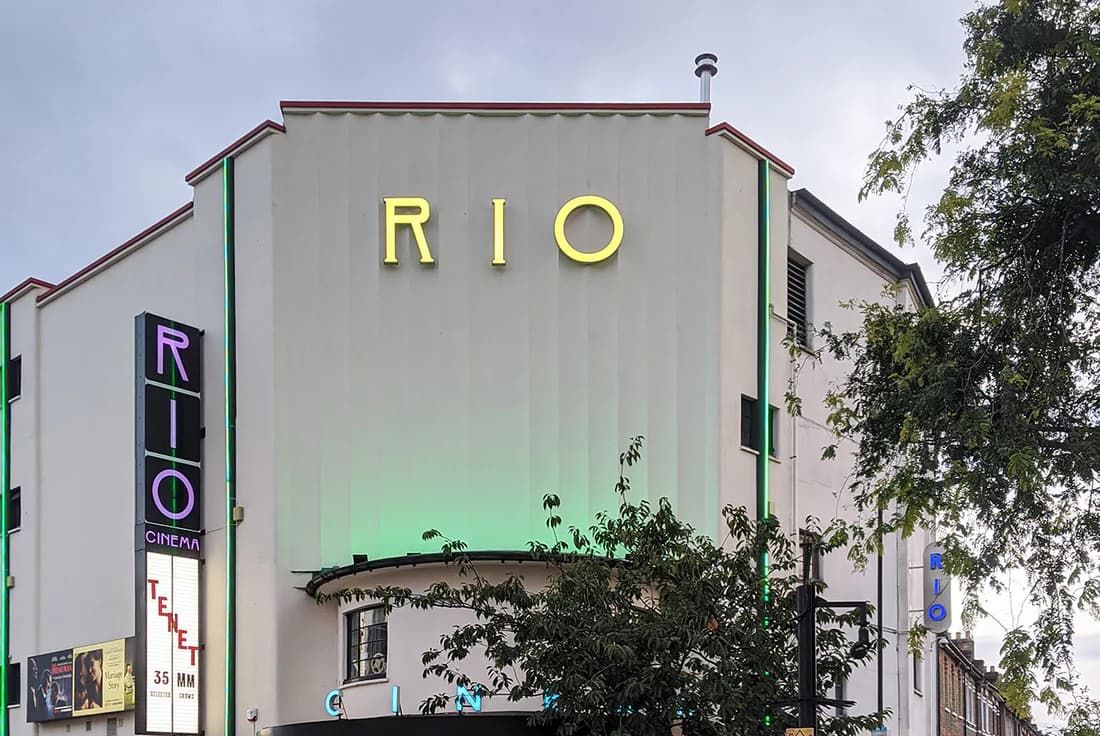
Rio Cinema in Dalston is proudly independent, community-owned and politically engaged. It is proof that cinemas can still stand for something. A Grade II–listed Art Deco landmark on Kingsland High Street, it’s been part of East London life for over a century, opening in 1909 and adding a second screen in 2017. Known for its carefully curated programme, premieres, Q&As and community events, Rio has a loyal following and a strong sense of togetherness. More than just a place to watch films, it remains a cultural hub with activist roots; the kind of cinema that feels genuinely connected to the people who keep it alive.
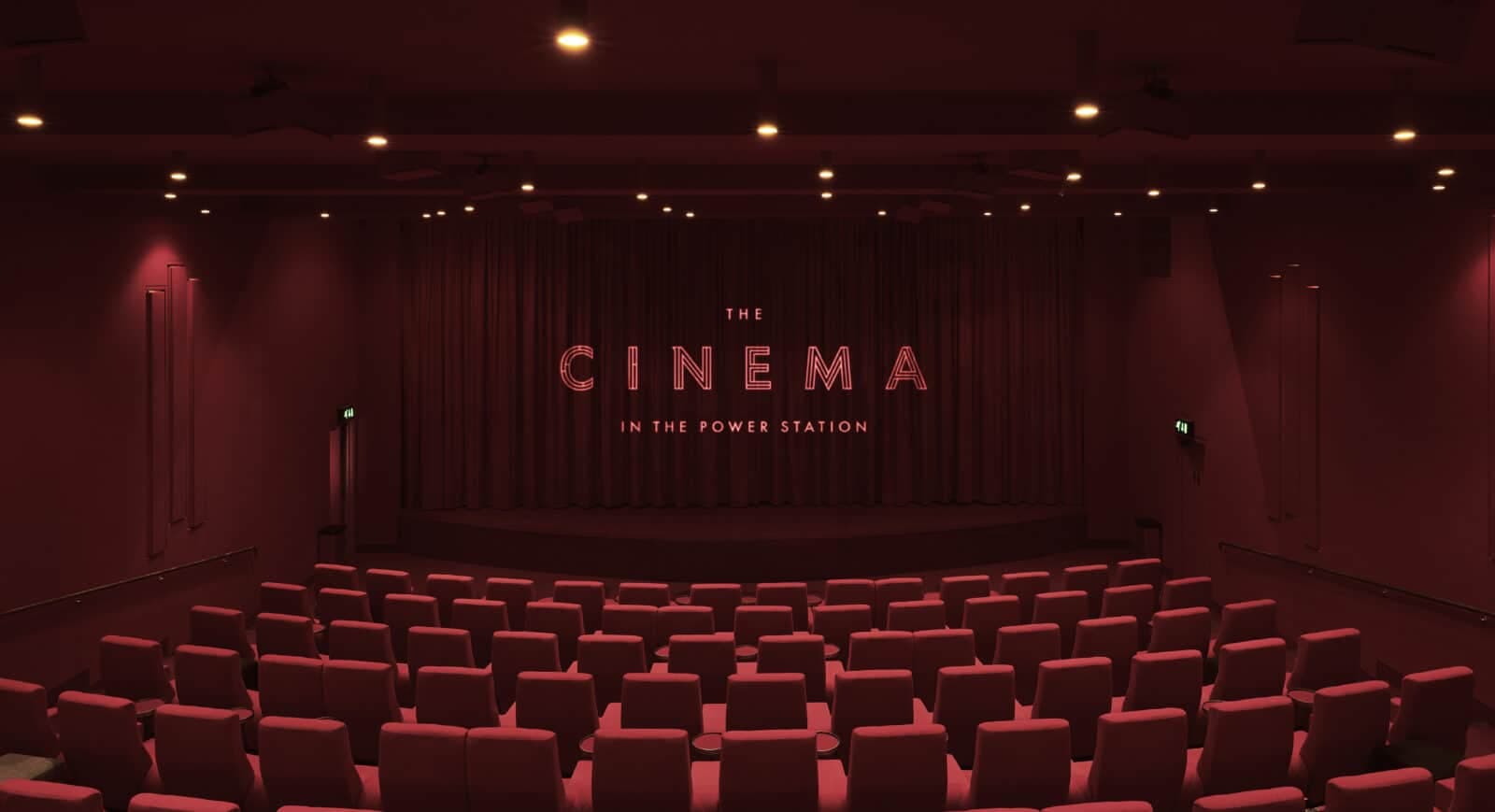
The Cinema in The Power Station
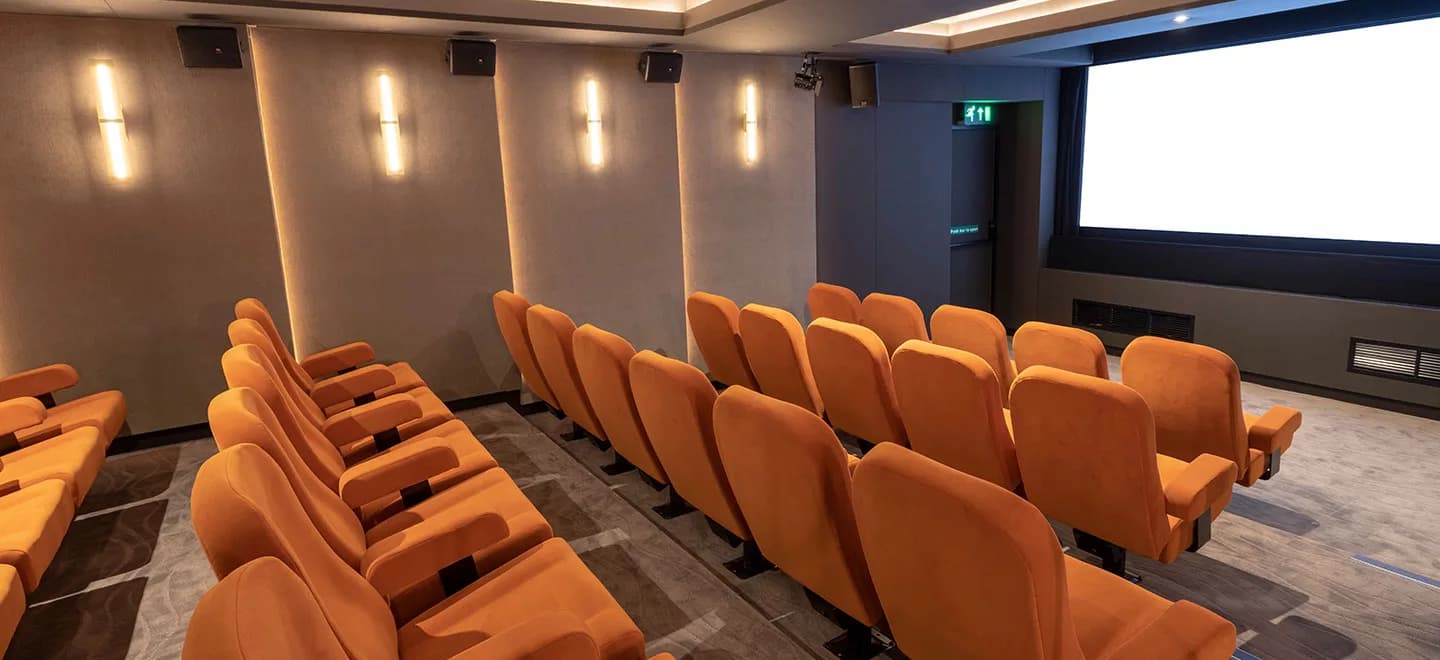
Even newer additions like The Cinema in The Power Station prove that physical screens still matter, even in hyper-commercial, hyper-developed spaces. Because no matter how shiny the surroundings, the ritual remains the same: lights down, phone off, world paused. Inside the iconic Battersea Power Station, this luxury cinema mixes blockbusters with indie and international cinema, from crowd-pleasers to hidden gems. Its Dolby Cinema screens deliver crystal-clear picture and sound, and its in-seat food service lets you enjoy popcorn, wine and delicious homemade treats without missing a moment.
In a screen-swiping era, these cinemas offer something rare: presence. They’re spaces where culture isn’t optimised for engagement but experienced collectively. Where watching a film is a choice, not background noise. In a city that moves fast and forgets faster, London’s independent cinemas are holding the line, one screening, one audience, one shared silence at a time.
- WriterFlore Boitel