The fear and the pleasure of David Lynch one year on
My first encounter with the world of David Lynch was Rabbits. Now available to watch on the late film-maker’s YouTube channel, the 2002 web series stars Naomi Watts as one of three humanoid rabbits who have a disjointed, miserable conversation punctuated by a sitcom-style laugh-track. I watched it in my first year of university as part of an attempt to get into ‘experimental art’. It terrified me. Today, I am discovering Lynch’s oeuvre with the same uneasy wonder. It is one of his greatest achievements as an artist that he was — is — able to surprise, delight and unnerve audiences without fail.
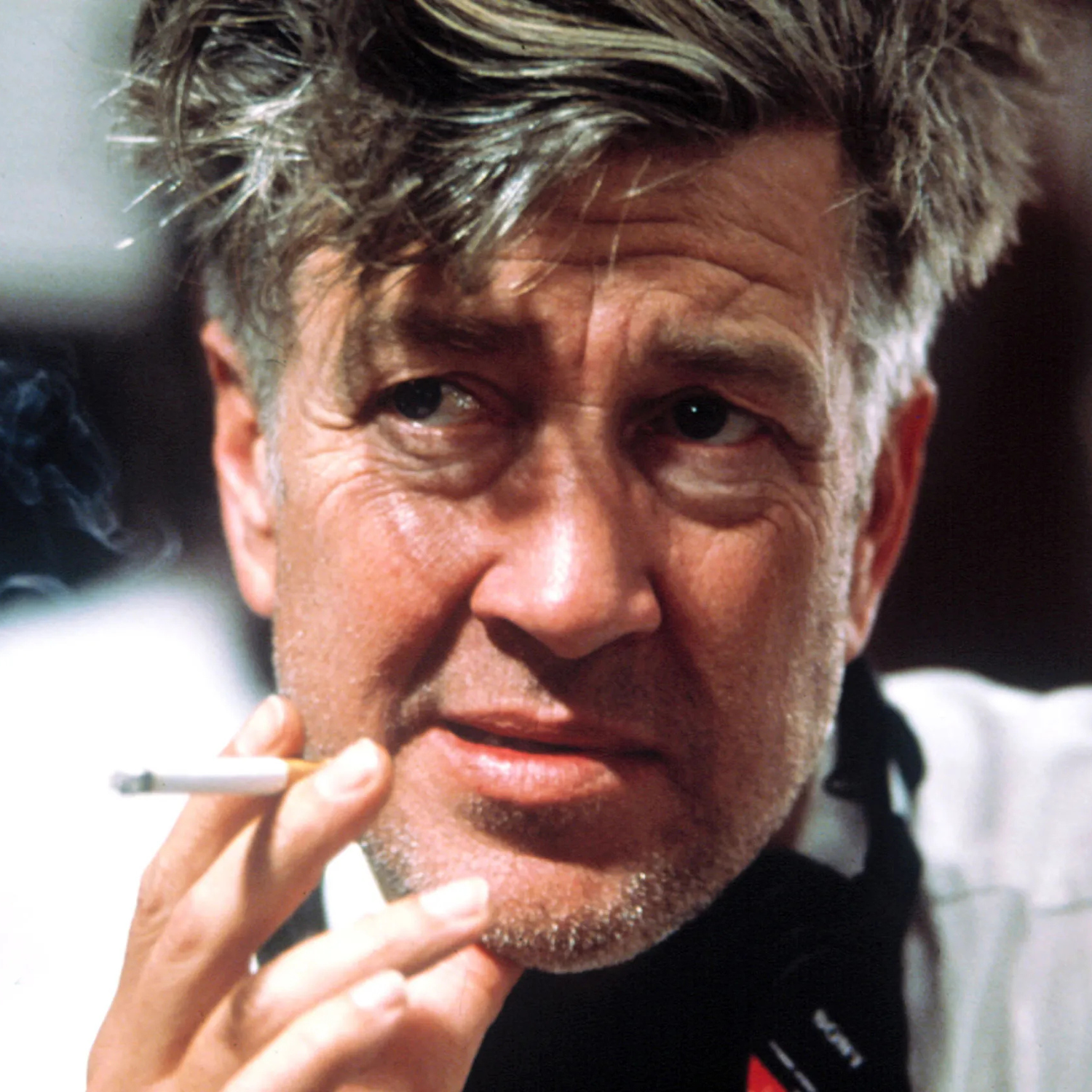
Lynch was not strictly a director of horror, but an artist concerned with surrealism, and the eternal struggle between good and evil. It is likely you know this already. As the mind behind the zeitgeist-defining works Mulholland Drive and Eraserhead, he was deeply loved, widely referenced and seriously mourned when he died on 16 January last year. Even if you’ve never seen a Lynch film, you know the score: doppelgangers and detectives; nightmares and dreamworlds; sex, violence and American-pie wholesomeness.
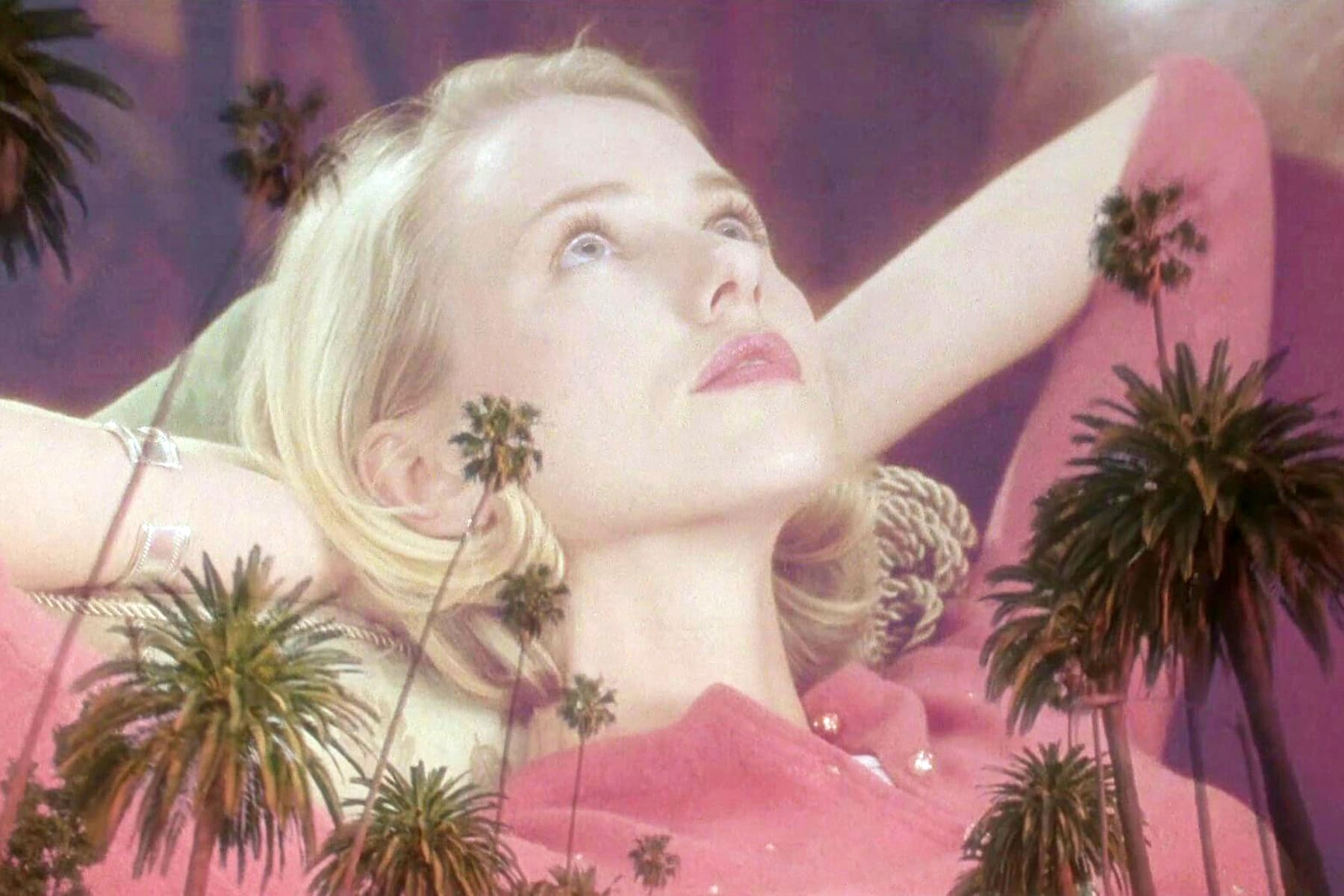
It was a fascination with the classic Americana of his childhood that drew Lynch to visions of 1950s suburbia and other trappings of a bygone era — which he beautifully reproduced and gruesomely ripped apart. Blue Velvet opens with a Rockwellian montage of an idyllic neighbourhood. Then Jeffrey, the film’s hero, played by Kyle MacLachlan, finds a severed ear near his home and the illusion is shattered, its sinister underbelly exposed. In Mulholland Drive, a perky blonde arrives in Hollywood, eager to become an actress, and that’s when things stop making sense.
Though seemingly obsessed with the past, Lynch had an uncanny sense of perspective. He mingled horror with rapture: a combination we can all understand, even if only on an unconscious level. It’s a concept that evokes Bob, the villainous entity in Lynch and Mark Frost’s TV show Twin Peaks, who feeds on “the fear and the pleasures” of his victims. Lynch, too, could tap into the fears and pleasures of his audiences, due to his willingness to unlock his own and offer them back to us. A fair exchange. When our waking life seems nightmarish, as it often does today, it can be perversely comforting to turn to art that confirms those nightmares as real, and refuses to look away.
Nevertheless, it would be fair to imagine Lynch as a self-indulgent genius detached from reality. He was known for his eccentric speech and penchant for Transcendental Meditation; he raged against studios for not allowing him to “go dreamy”. But it is the presence of both the mundane and the macabre in his work, as noted by David Foster Wallace, that imbues it with real-life resonance. His films are challenging, each more mystifying than the last, but it would be wrong, I think, to believe he wished to alienate viewers. For all his idiosyncrasies, Lynch was, as Sherilyn Fenn puts it, a straight-seeming guy who happened to have strange ideas in his head. He was the comedic foil to his own peculiar inventions. And his work has proved to resonate with all kinds of people, reverberating across time and generational divides.
Lynch was 78 when he died. He touched the lives and screens of his own generation, that of my parents, who watched the original run of Twin Peaks in the 1990s, and my own. For Gen-Z fans, the algorithm can become its own Lynchian rabbit hole, inundated with memes idolising Laura Palmer — whose picture adorns ash trays in Etsy shops run by teenage girls — and Special Agent Dale Cooper, who is not just an aspirational figure to young men but to lesbians and autistic people everywhere.
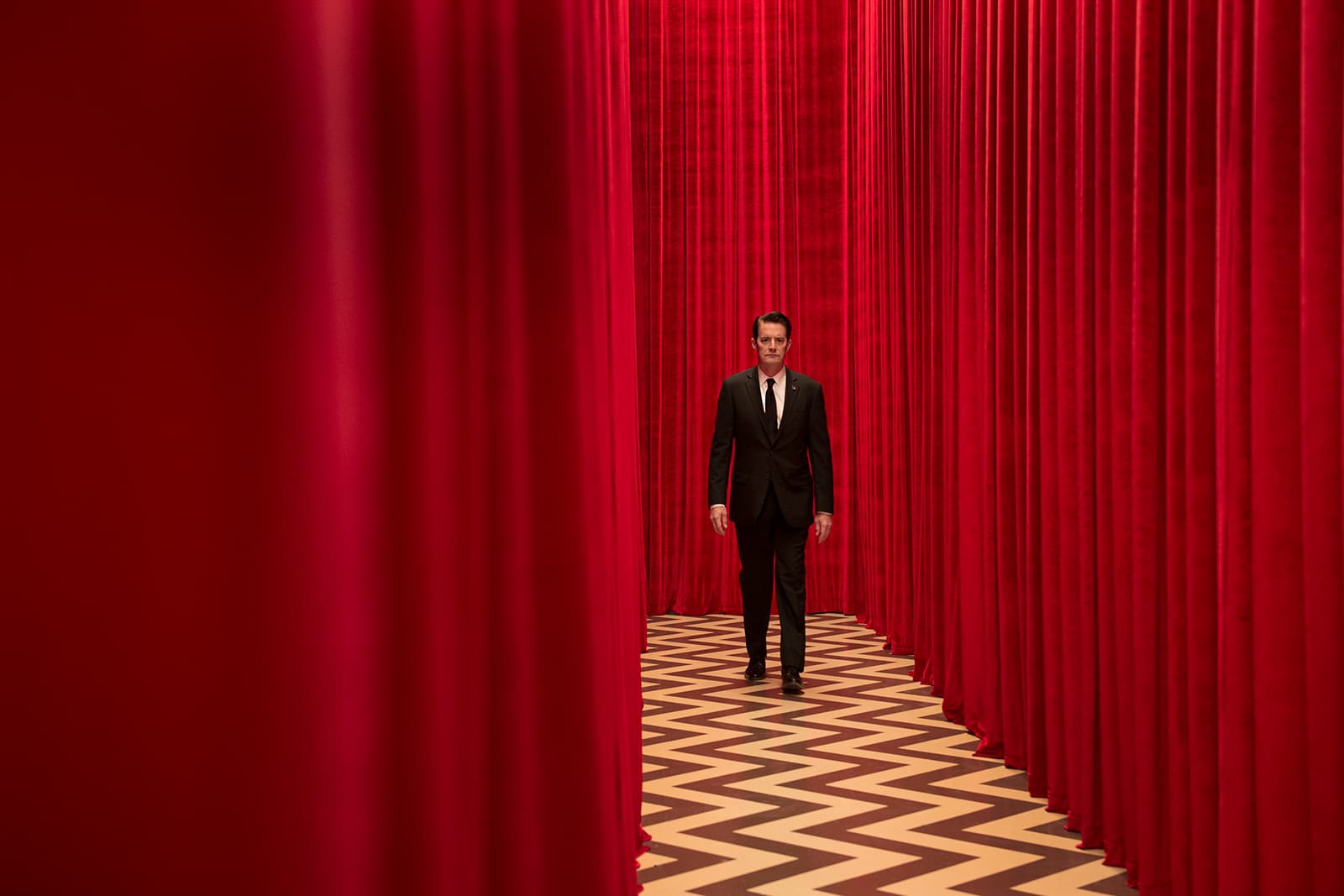
That is not to say Lynch’s work is everyone’s cup of joe. It features, after all, such characters as a woman who receives clairvoyant ‘messages’ from her log, and a sadistic maniac given to shouting “Baby wants to fuck!” before engaging in acts of sexual violence.
Those memorable words — delivered by Dennis Hopper as Frank Booth, one of the best antagonists in movie history — mark a particularly horrifying moment in Blue Velvet, which I watched at a revival screening at the Curzon. In the darkness, a theatre full of strangers burst out in nervous laughter in response to Hopper’s line. This, I realised, is the delight of watching Lynch: it is almost impossible not to be disturbed, moved, bewildered and amused, sometimes all at once. Season two of Twin Peaks contains one of the scariest scenes I’ve ever witnessed, which prompted the kind of vivid nightmares I haven’t had since childhood. It also features a storyline about saving an endangered local species, culminating in the furry creature biting someone’s nose in an incident referred to as the “pine weasel riot”. I could confidently make the argument that Twin Peaks is a comedy (and a musical — but that’s another story).
These colourful characters and evocative moments demand to fill wide, open spaces — and so, it is appropriate that cinemas including the BFI, Cineworld and the Prince Charles are featuring an array of Lynch screenings in their programmes this season. It’s a well-timed celebration of the auteur’s life work, and perhaps his birthday (a quintessential Aquarius). Returning fans and newcomers alike will agree that these creations are worthy of a big-screen experience. Except, of course, Rabbits, which should be viewed exclusively at low-res on a buffering laptop screen in university accommodation, with the sounds of a party going on upstairs.
- WriterDaniella Parete Clarke