Sinners deserves all the Oscars. Here’s why
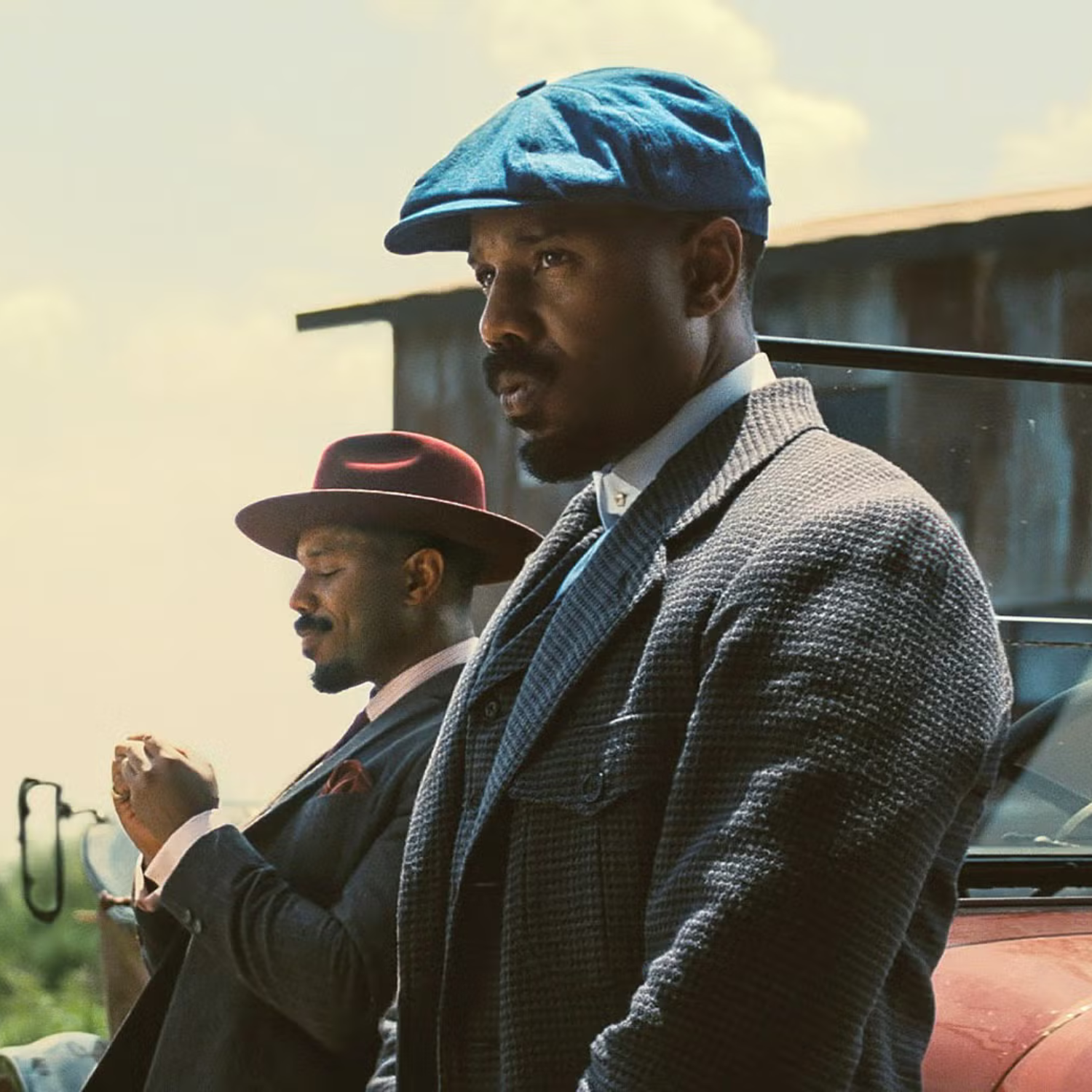
With two Golden Globes and three BAFTAs in its arsenal already, Sinners is the first film in history to land 16 Academy Award nominations. That’s not even momentum — that’s domination. Directed by Ryan Coogler and fronted by longtime collaborator Michael B. Jordan, Sinners isn’t just another prestige contender. It’s a blood-soaked, bass-thumping, genre-defying film that has cinephiles (and the Academy) in a chokehold. And honestly? It deserves every single nod.
On paper, Sinners is about vampires. Twin brothers (both played by Jordan) return to their hometown to outrun their past, only to find something far more sinister waiting for them. But this is Coogler we’re talking about. The man doesn’t do surface level. What unfolds is a Southern, Gothic fever dream, celebrating Black history with an innovative blend of folklore and mythology. It’s about legacy. About guilt. About the ghosts we inherit and the demons we create. The bloodshed is plentiful, yes, but the emotional stakes cut deeper. This is blockbuster filmmaking with an auteur’s pulse. Every frame is intentional. Every shadow breathes. And the music? It doesn’t just underscore the film, it makes it.
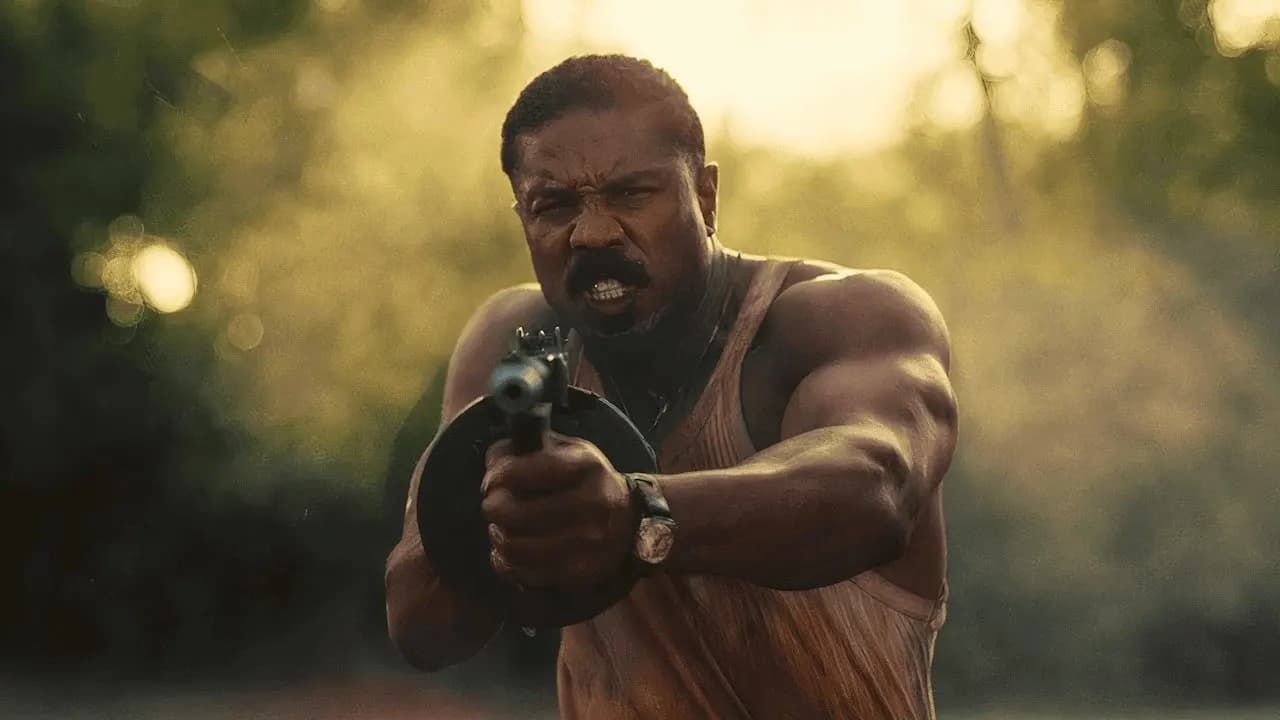
We’ve watched Jordan grow under Coogler’s direction, from Creed to Black Panther, but Sinners feels different. Bigger. Riskier. Playing twins is already a technical flex, but making them feel like entirely separate souls is veritable star power. One brother simmers with rage, coiled and combustible, carrying his past like a loaded weapon. The other moves through the world heavy with regret and desperate for absolution. Jordan differentiates them with subtle shifts in posture, tone and gaze. The chemistry between the two, despite being embodied by the same actor, is astonishingly real. He navigates both roles with striking precision and vulnerability, delivering a performance that feels less like acting and more like exorcism. It’s undoubtedly one of the strongest performances of his career — and, in turn, amongst this year’s Academy Award contenders.
Then, there’s Miles Caton — a name that isn’t going anywhere. In his screen debut, Caton delivers something quietly seismic as Sammie, A.K.A. Preacher Boy. His voice is textured, haunting and completely singular. And it appears in song as well as script. In addition to contributing to Ludwig Göransson’s film score, Caton also performs the song ‘I Lied to You’ in the film. There’s something rare about watching a star be born in real time and this is one of those moments. Although he didn’t receive an acting nomination at the Oscars — he did nab the Critics’ Choice Movie Award for Best Young Performer, however — he absolutely deserves recognition for Best Original Song with ‘I Lied to You’. It’s a track that lingers long after the credits roll, and the kind you find yourself replaying on the journey home — proof that Caton’s performance carries emotional weight far beyond his screen time.
And then, Delroy Lindo steps in and elevates everything. 50 years into his career, his performance as blues player Delta Slim is the emotional spine of the film, stitching together its horror and humanity. With remarkable control, he balances gravity and vulnerability, finding moments of unexpected humour without ever undercutting the stakes. Every line and every gesture feels intentional. His Best Supporting Actor nomination isn’t just deserved, it feels essential. A titan of the screen for decades, seeing Lindo recognised on this scale feels long overdue. He holds the chaos of Sinners together effortlessly.
The rest of the supporting cast is equally electric. Wunmi Mosaku, nominated for Best Supporting Actress, delivers the performance of her career as Annie, a Hoodoo priestess and herbal healer. Her character is fierce, layered and emotionally unshakeable. She is a woman navigating grief with quiet strength. In the role, Mosaku brings a grounded intensity to Sinners that balances the film’s operatic highs, making her one of its most compelling forces.
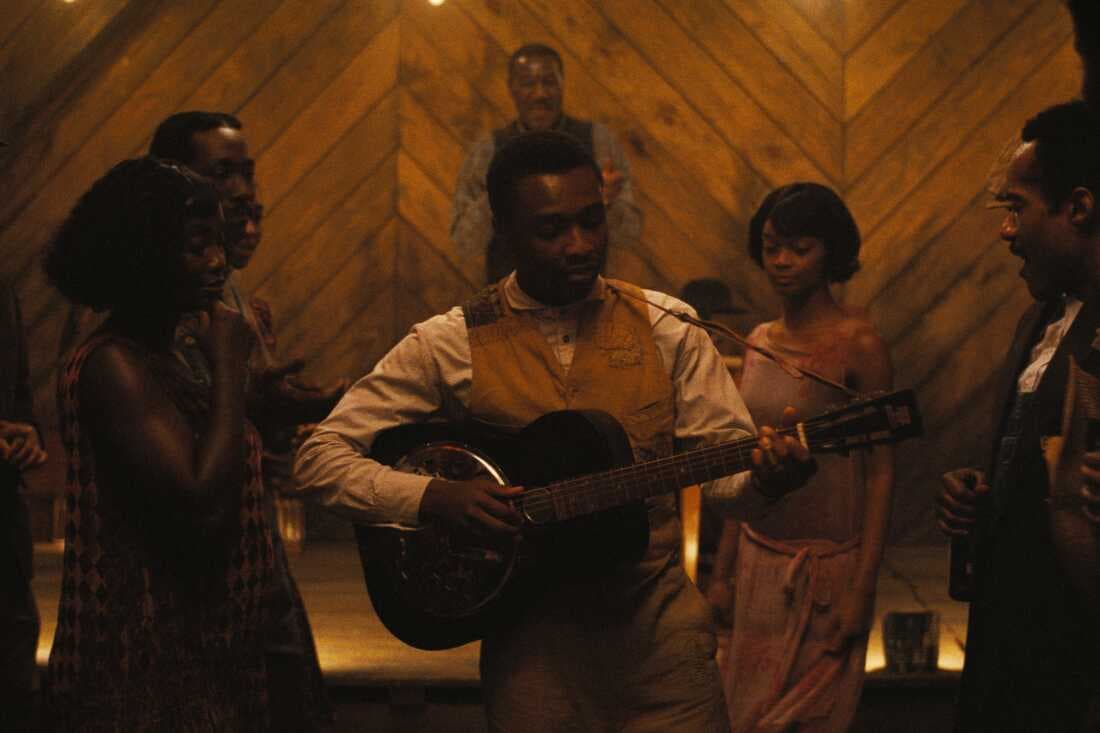
Beyond its stellar cast, what makes Sinners such a strong contender is its refusal to soften. It is culturally rooted, stylistically bold and sonically alive. The score thunders with intention, the visuals linger and the narrative never flattens its characters for accessibility or comfort. It trusts its audience to sit with discomfort and complexity. In an industry that often sidelines originality in favour of safety, Sinners is fearless. It proves that genre cinema can be both art-house in ambition and mainstream in impact. That horror can hold history and that spectacle can carry substance. Sinners is a film built to last. It expanded what a blockbuster can look and feel like, celebrated Black storytelling at scale without compromise, and rewarded risk instead of playing it safe. For that, it deserves the ultimate win: Best Picture.
Its 16 nominations have already carved Sinners into Oscar history, but a Best Picture win would mark a milestone moment for something bigger than the film itself. It would signal that the Academy is willing to honour bold, original filmmaking over safe, predictable formulas. This Sunday (15 March), the Academy has the opportunity to recognise something fearless, original and alive. Plenty of films will be crowned winners, but only one feels like the most culturally important film of 2025. Sinners isn’t just the most nominated film of the year — it’s the one that defines it.
- WriterFlore Boitel
- Image CreditsWarner Bros