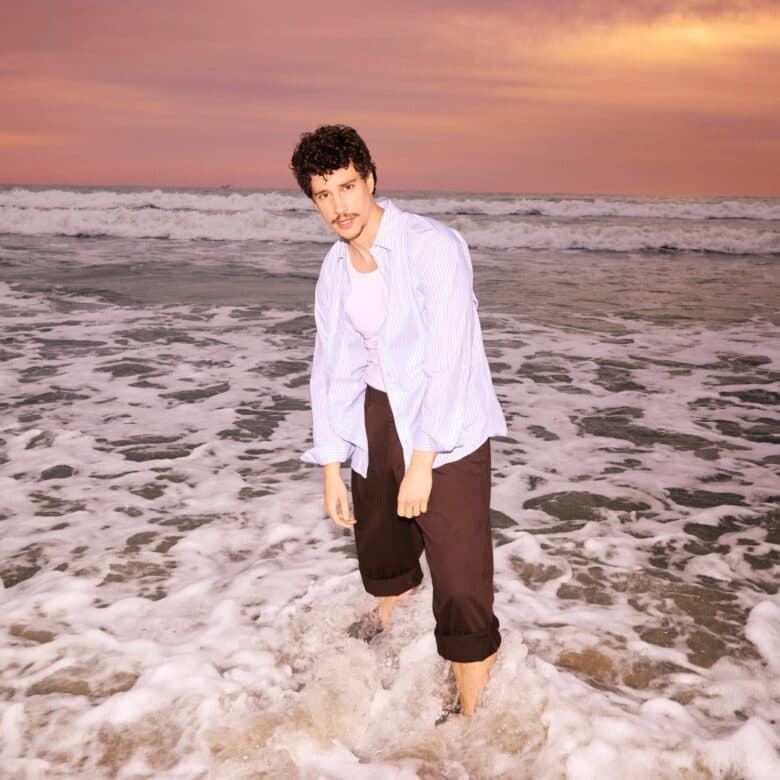
Through the lens of Chad Mclean
Chad Mclean isn’t afraid to take the road less travelled as long as he’s following his heart. Having spent the first half of his twenties training to be a mechanic at the Silverstone Circuit and following his dreams to work on trainers with Nike, the London-based artist does whatever he enjoys most in that moment, pursuing what he calls, “small little passions”. Resultingly, the 33-year-old has, since his first commission in 2020, built a portfolio boasting commercial collaborations with top-selling footwear companies such as Dr. Martens and JD Sports, as well as editorial shoots with artists ranging from Beabadoobee to Teezo Touchdown. If one thing is clear, it’s that Mclean’s success isn’t in spite of his refusal to embrace tradition; it’s because of it.
Instead of taking conventional classes or being born into a family of photography aficionados, the Northampton native taught himself how to use a camera by diving straight into studio work and behind-the-scenes photography before he even knew how to control the shutter speed. “I’m a little defiant to learning the traditional way,” Mclean says. “I’d rather come across a challenge and figure it out when [I’m] there.” Whenever he captured an image without understanding how he achieved the final product, he would research, trace back the method and attempt to recreate it in a bid to intimately understand how his camera worked. He experimented with exposure, framing and lighting in a way that birthed the distinct style he’s honed over the years, as seen in works like Arlo Parks’ ‘Caroline’ single cover to Richard Riakporhe’s Dior Homme campaign.
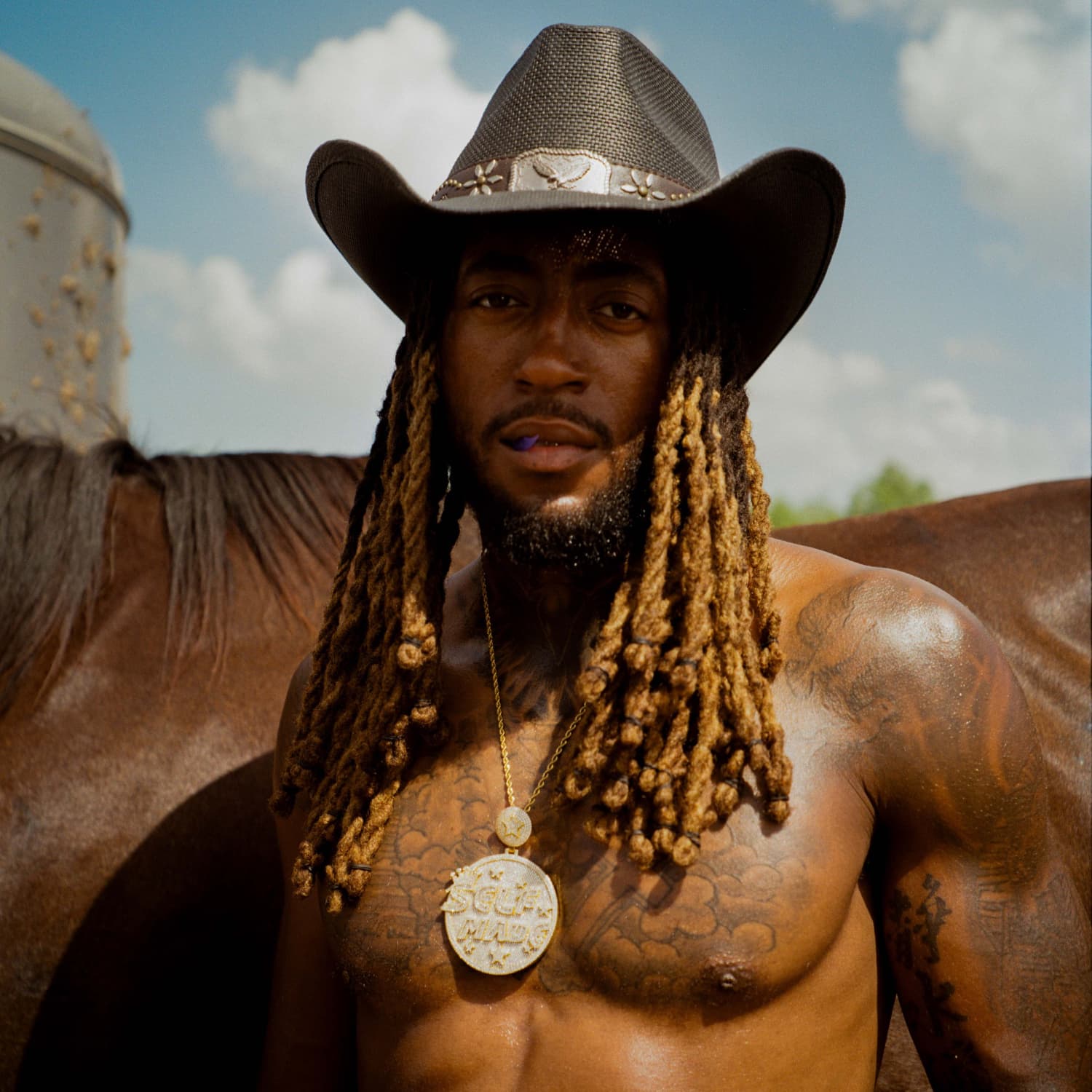
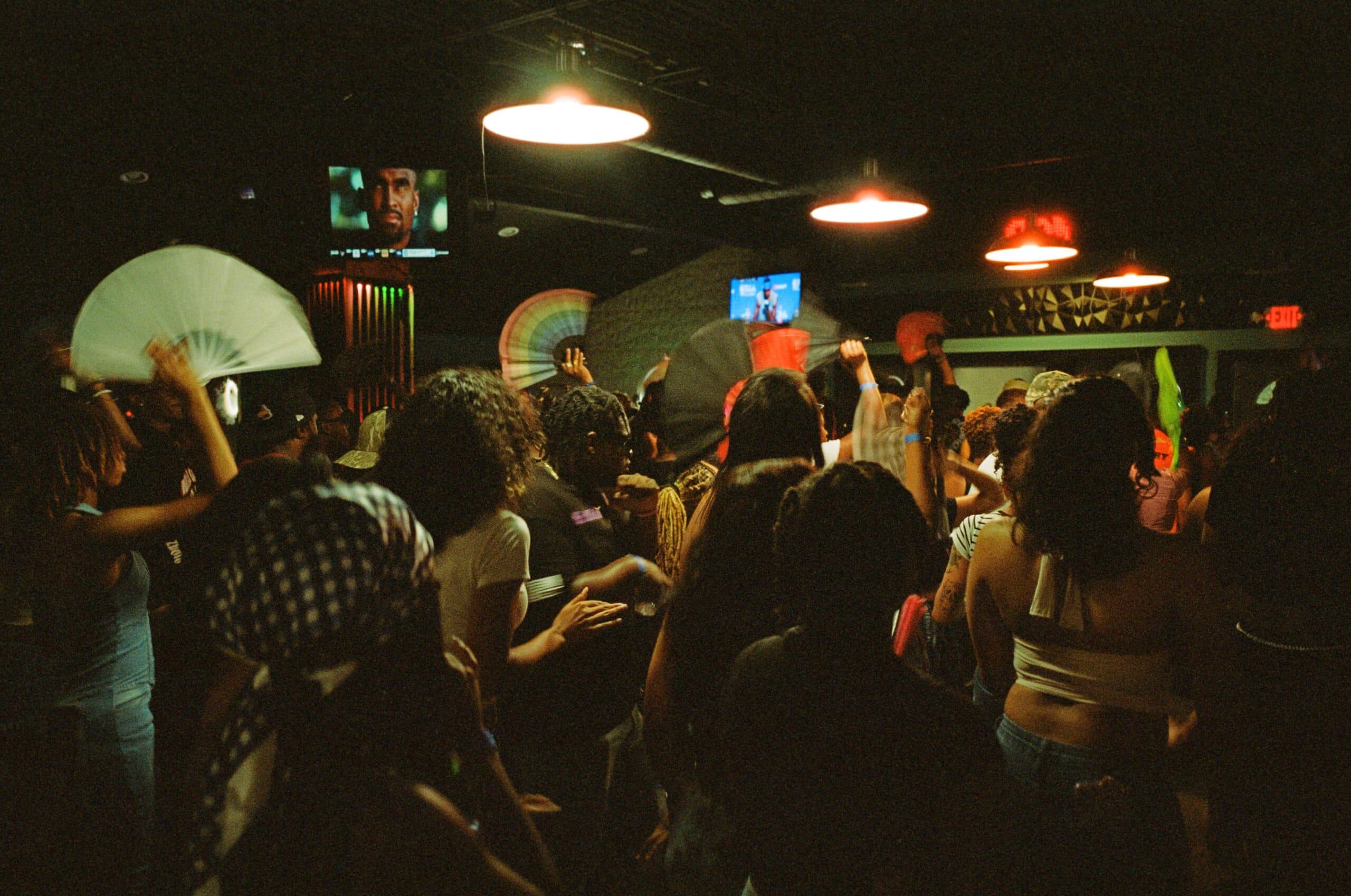
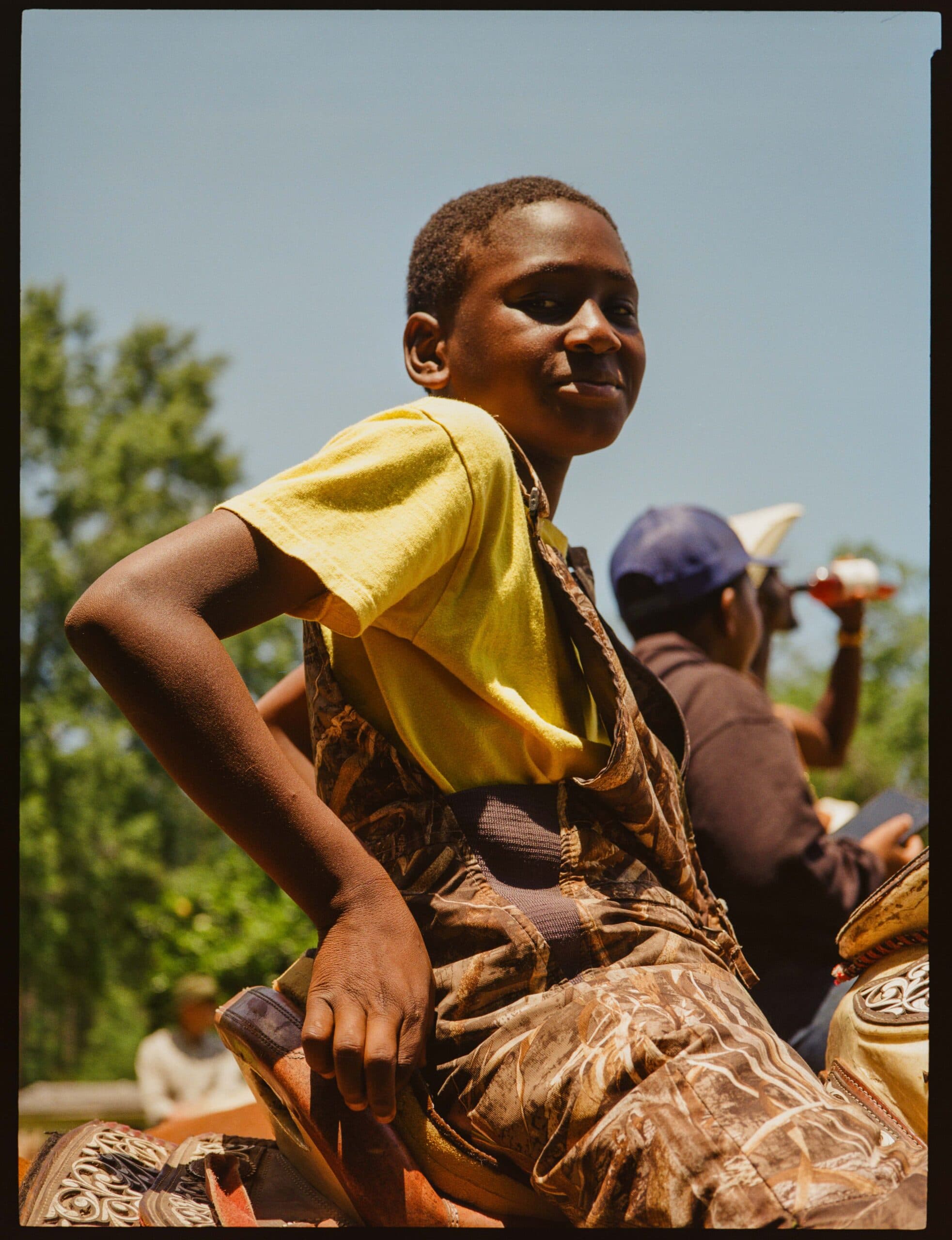
Six years on and Mclean is pivoting again; this time to documentary-style portfolios covering cultures honestly. He lets his subjects tell their own story as if capturing them with a mirror. His latest series, Black Horse Power, explores a month-long venture through South Carolina and Texas to meet Black horse-riding families. The images are familial and empowering, capturing a sense of community that even the viewer can see Mclean was warmly welcomed into.
Kathryn Vann: Being born and raised in the UK, how did the concept of Black horseback riding in the American South come to you?
Chad Mclean: Crazily enough it was from a TikTok. I saw this Black family riding horses in Alabama and I was like, ‘This is so far from anything I’m used to as a British-born Jamaican person.’ I wasn’t aware of Black families in the south having horses. Then, as the algorithm works, I was seeing more and more trail riding and rodeo, and I was like, ‘Wow, Black people do this, we just don’t see it.’ That history of America, I feel like it’s really important for people to know that they weren’t just slaves. The stereotypes of Americans, Black Americans specifically, aren’t always the best, and their history is really important. Even though I’m not of that heritage, and it has been shot by other people, I really wanted to experience it.
KV: Whether you’re English or American, owning horses comes with an implication of class. What was significant to you about Black families riding horses?
CM: Growing up in England. if you have a horse, you’re either rich or you’re a member of some old aristocracy. That’s the only time you see people on horses. It gives you power.
KV: The people who own these horses in the south are families and communities. Before you arrived, how did you build a relationship with your subjects?
CM: I didn’t… I tried to get in contact with them through email and DMs, but nothing worked. I was like, ‘I’m gonna have to guerilla it’. I knew who I needed to talk to, booked all the fights and turned up early to every event. If everybody was supposed to get there at 11 to leave at half 12, I was there at eight o’clock.
KV: When you finally made connections with these families, how did it alter your experience of documenting them?
CM: I always try to build a rapport with my subjects so I can reflect them. I think that’s super important in all of my work. Obviously as an artist, you want to show what you feel, but it’s super important to reflect them and show them to the world as they want to be seen, not just how you want them to be seen or how you see them.
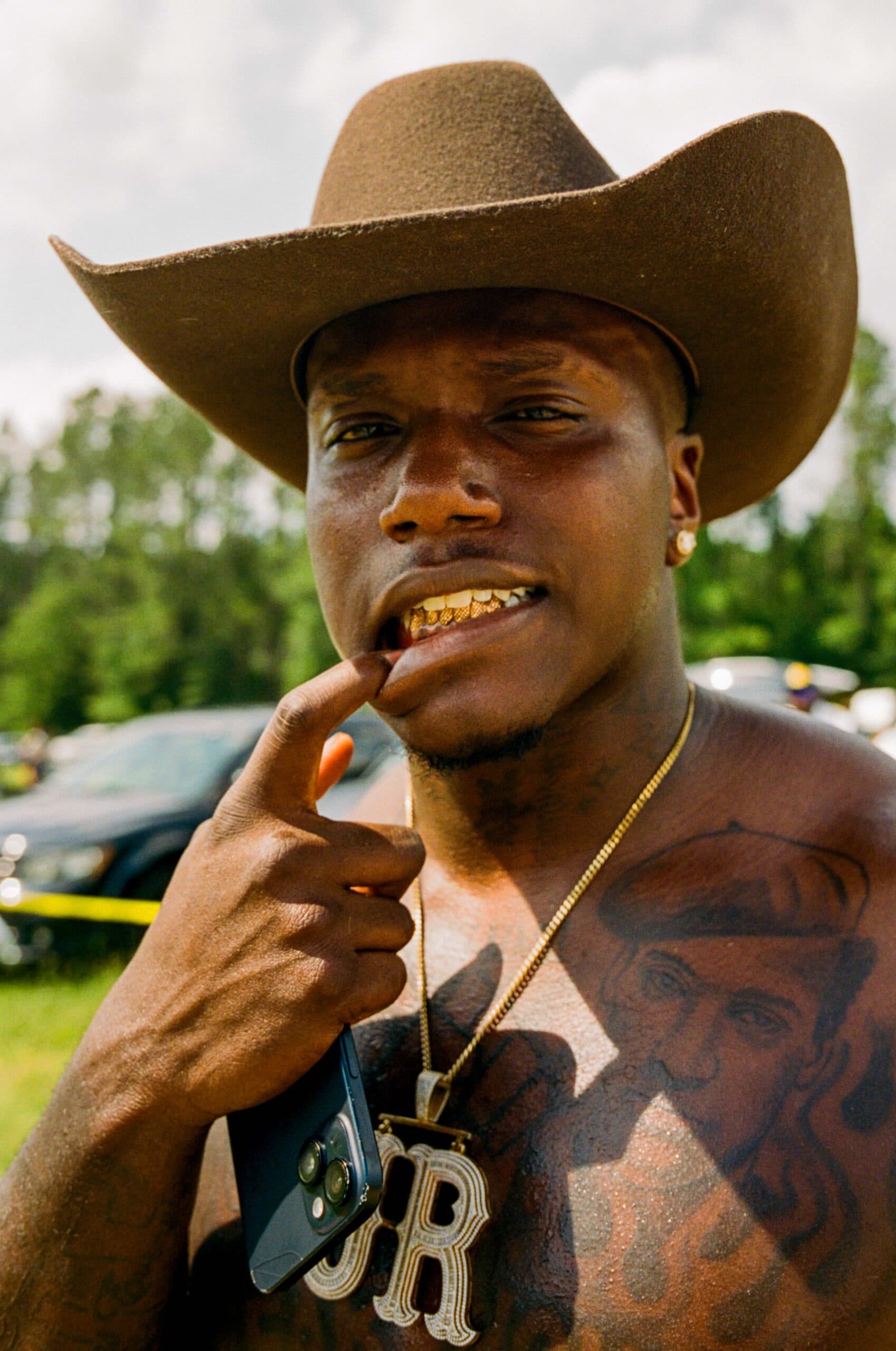
KV: What were you trying to reflect in these images?
CM: Who they are. They’re not what you expect. Boozer, the guy with the chain on and the black hat, he trades stocks, but he has two horses. I wanted to show, in the most beautiful way, who they are — how these people are carrying
on old traditions and how South Carolina is so beautiful, but it also carries so much weight and pain through history. But these guys are perfect. Without even realising it, they’re persevering and celebrating heritage and history.
KV: Did you come across any challenges or inhibitions while capturing these moments?
CM: I don’t think there were challenges or any problems at all. The first point we have in common is we’re both human, and then from there, you grow step by step. So I never saw it as a challenge. I’m very observant and understand they’re humans. We’re not in a zoo, right?
KV: Some pictures are candid, while others are posed with the subjects looking down the barrel. Was this intentional?
CM: A bit of both. I wanted to get them in their habitat. With some images, like the woman on the horse, I went down low. I don’t know why I wasn’t scared of being snapped or bitten by a horse at all. [Laughs.] I’ve never been that close to a horse’s face in my life. I wanted to make these women powerful, as well. Man, you’re on a horse, you are powerful. I think that’s also why the project is called Black Horse Power. I wanted to exalt these people who are just living their normal life and show them to the world as these powerful people. I wanted to celebrate that.
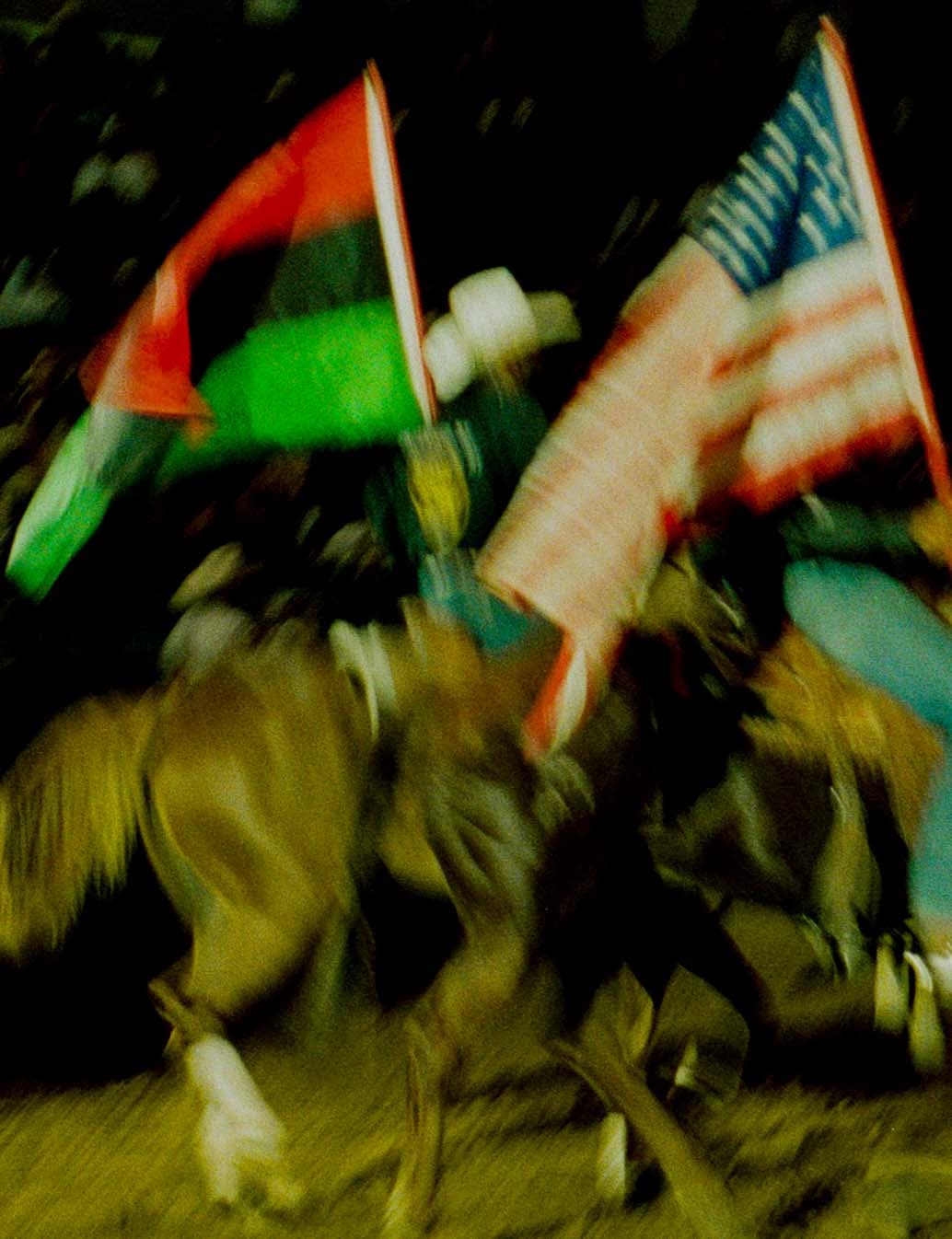
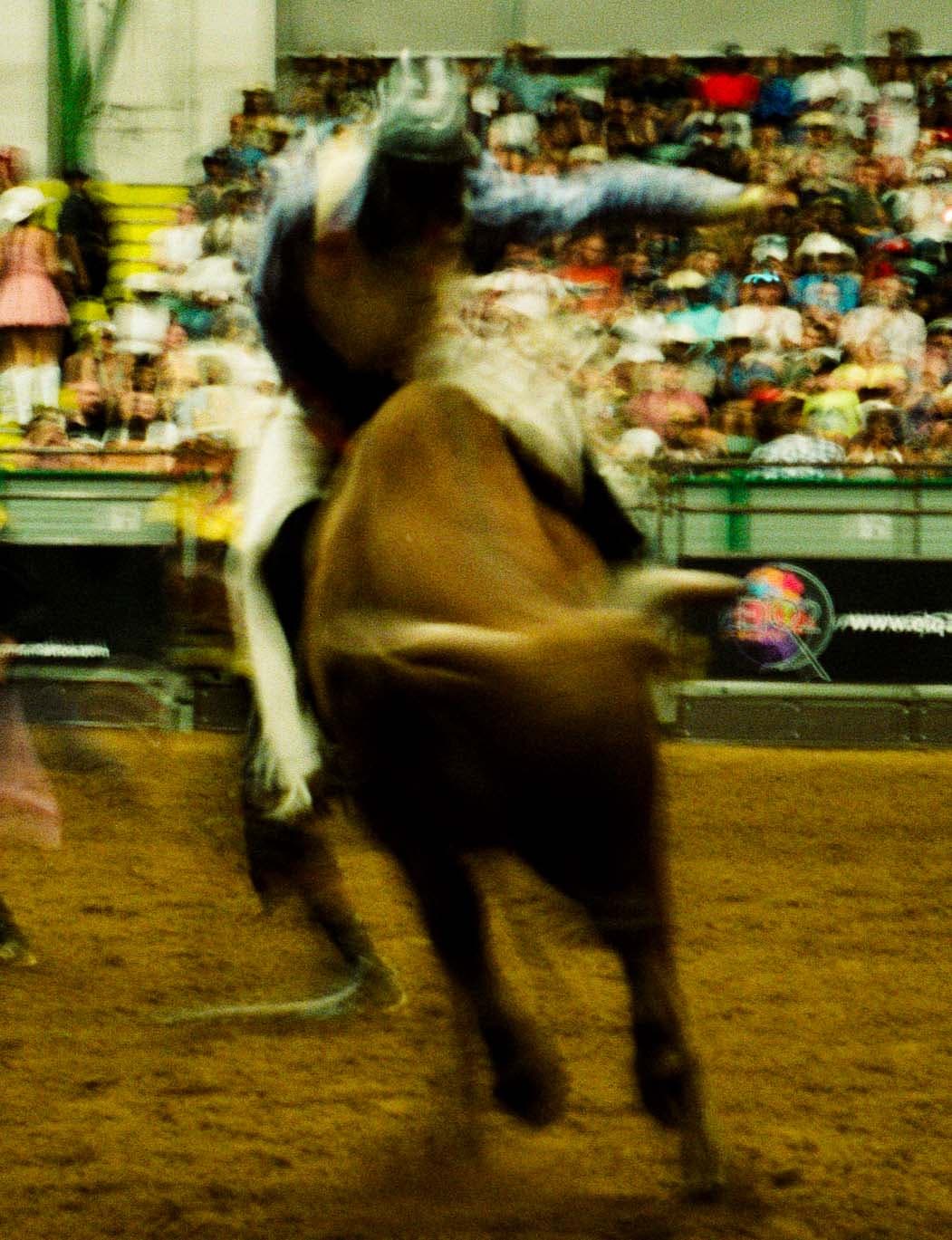
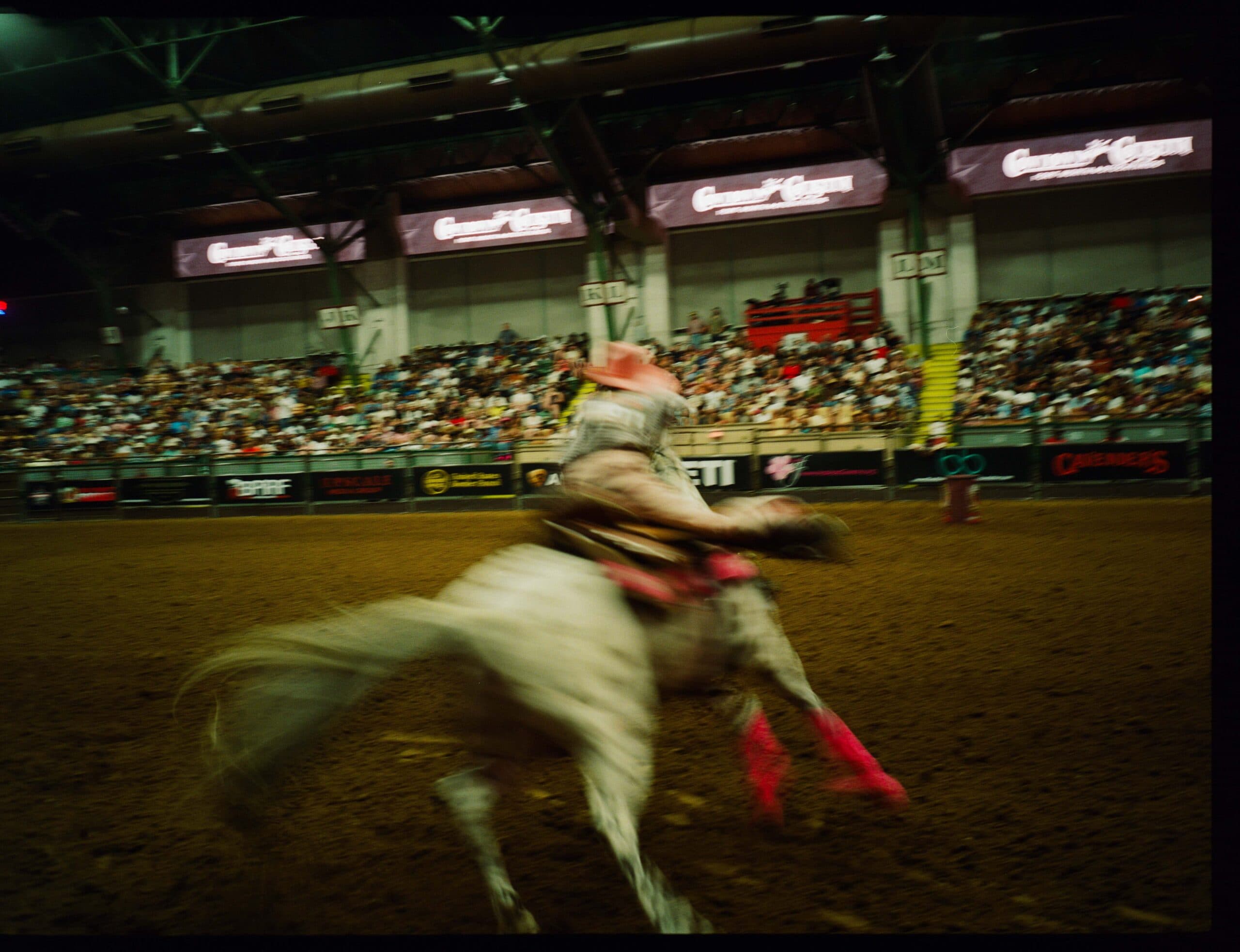
KV: Some images remain raw, unedited stills, while others begin to lean into your style, like the bull rider in ‘The Rodeo’. How did you decide when to incorporate your signature style?
CM: I kind of intended [to initially], but then I really wanted the whole project to be raw images — how I saw it and that’s it. I feel like, for the documentary basis, that’s absolutely fine. But, as an artist, you constantly have this battle within you: ‘Will I underrepresent the people? Does it look like there’s nobody there? Will the viewer understand it?’ Which is so bad. It was very conflicting. I had to tell myself, ‘Remember who you are. Remember what you love’. So, I started finding a sweet spot.
Chad Mclean’s Black Horse Power will debut in an exhibition as well as a photobook this summer.
- PhotographerChad Mclean
- WriterKathryn Vann