RAVE ONE captures the original church of acid house, The Haçienda, in photos
In the early ’80s, the streets of Manchester were littered with the fractured rubble of political austerity and economic despair that was Margaret Thatcher’s Britain. But what grew beneath, thanks to a loose collective of creative pioneers, was instead a cathedral — holy ground so sacred that it’s still revered today. In a time plagued by unrest, freedom was gifted in the form of the hallowed Haçienda.
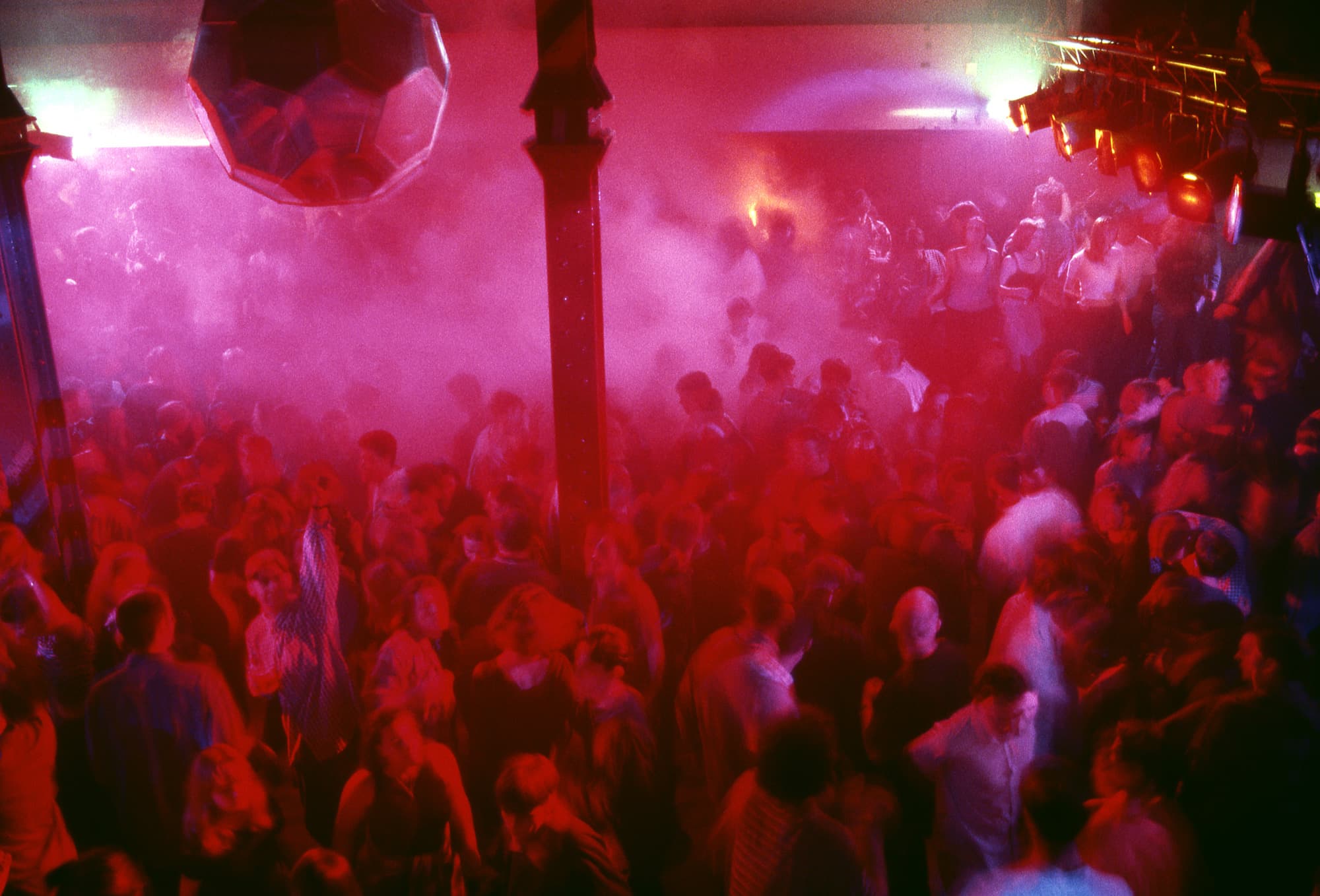
The cavernous dance haven was originally conceived by Rob Gretton and Tony Wilson. Intended as a paradigm for a “New York-style nightclub”, what it became was something far greater: an institution of its own. Its towering interior — owed to the building’s former life as a yachting showroom — was redesigned by Ben Kelly and financially backed by New Order.
Such a convergence of creative minds needed a name fitting of the egalitarian ethos it stood for. Influenced by the Situationist movement, Wilson drew from the slogan, “The Haçienda Must Be Built”, taken from Ivan Chtcheglov’s 1953 essay Formulary for a New Urbanism. And, almost prophetically, he was right — the Haçienda had to be built.
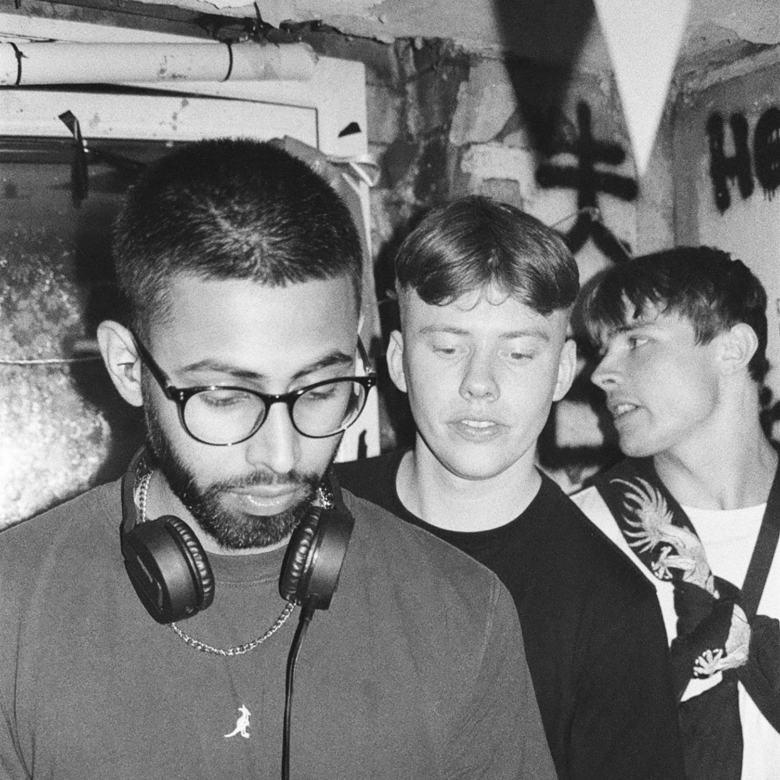
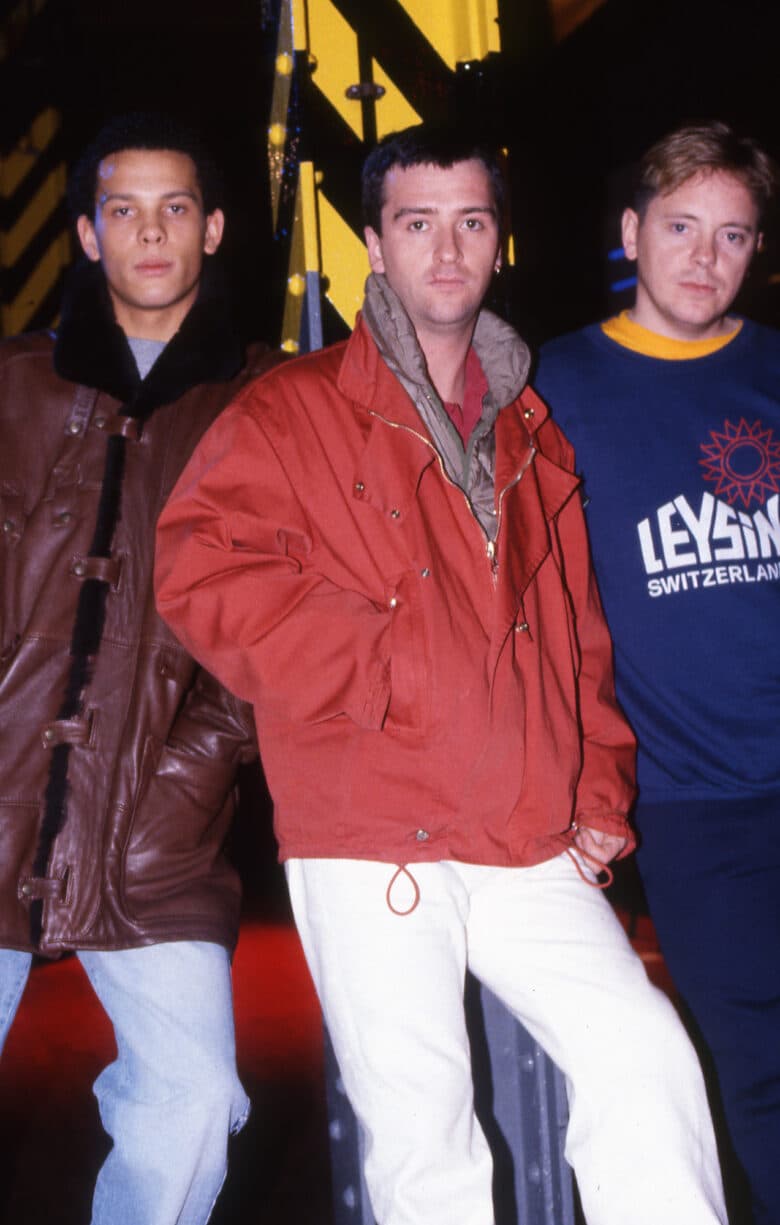
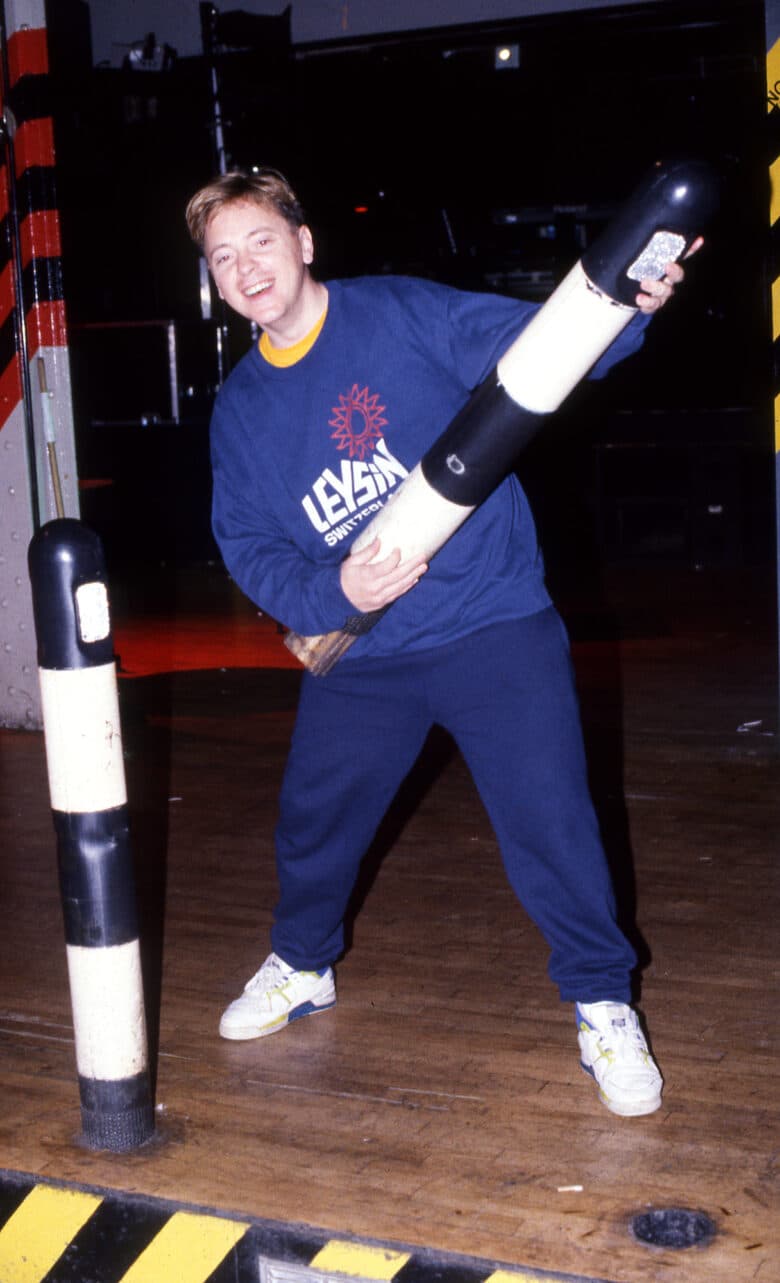
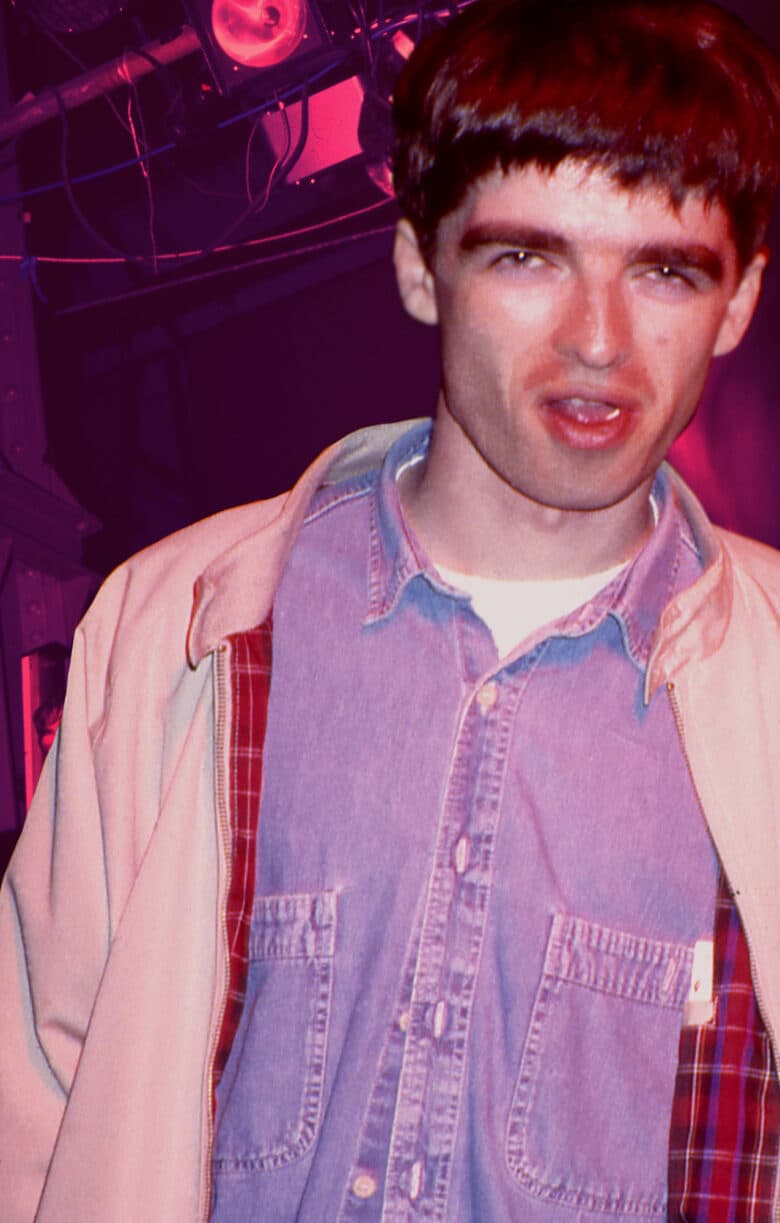
At the epicentre of the Madchester epoch was photographer Peter J Walsh, not only documenting the heyday of the Haçienda, but living as part of its ecosystem. He began as a punter when it first opened — when it was “really quite empty”, and still relying on New Order’s financing to stay open seven nights a week. But as Walsh grew as a photographer, so too did word of the Haçienda. Consider it patient zero in the Acid House bug that spread across the country. Eventually commissioned by NME, The Face, Mixmag and i-D to photograph the scene, Walsh — who had a genuine love for the music — was as infected as the rest of them.
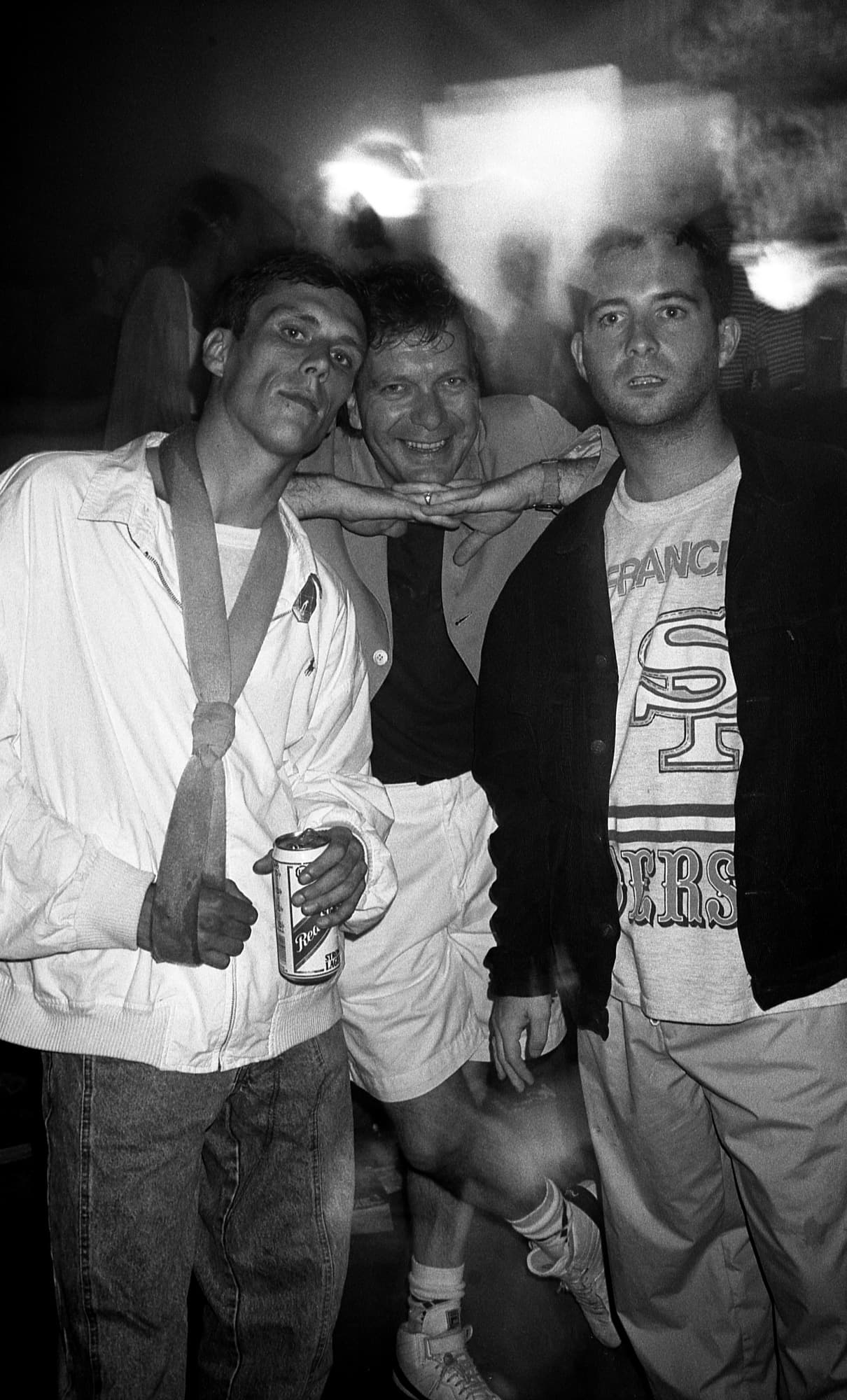
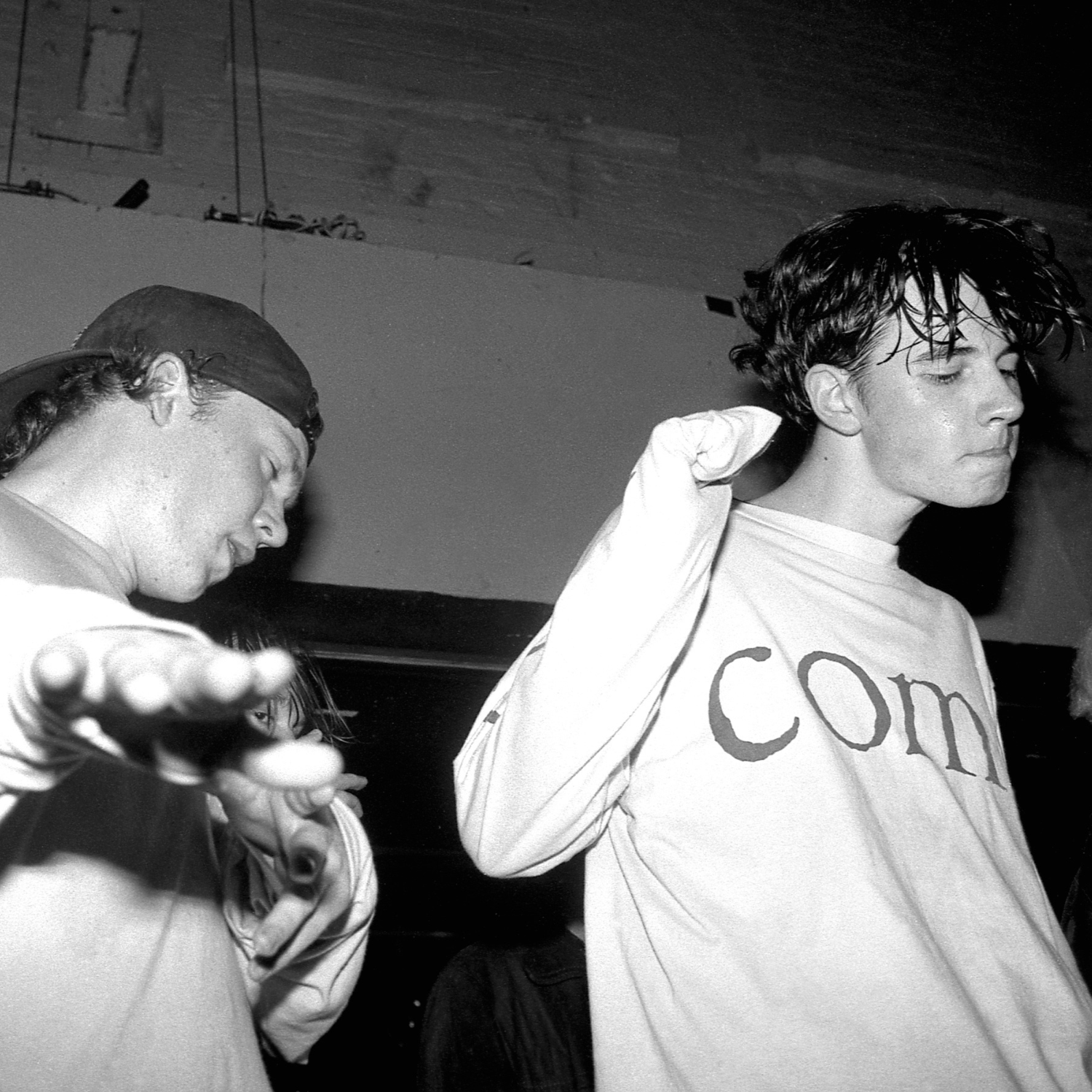
But what made it so addictive? With unemployment at an all-time high, Walsh points to “the creative explosion of Acid House”. Specifically, The Haçienda provided “a relief from the drudgery of normal day-to-day life”. The cultural mecca was nothing like other clubs in Manchester at the time. Unlike The Ritz or Jilly’s, where suits and ties were expected, The Haçienda had only one dress code: whatever you could dance in.
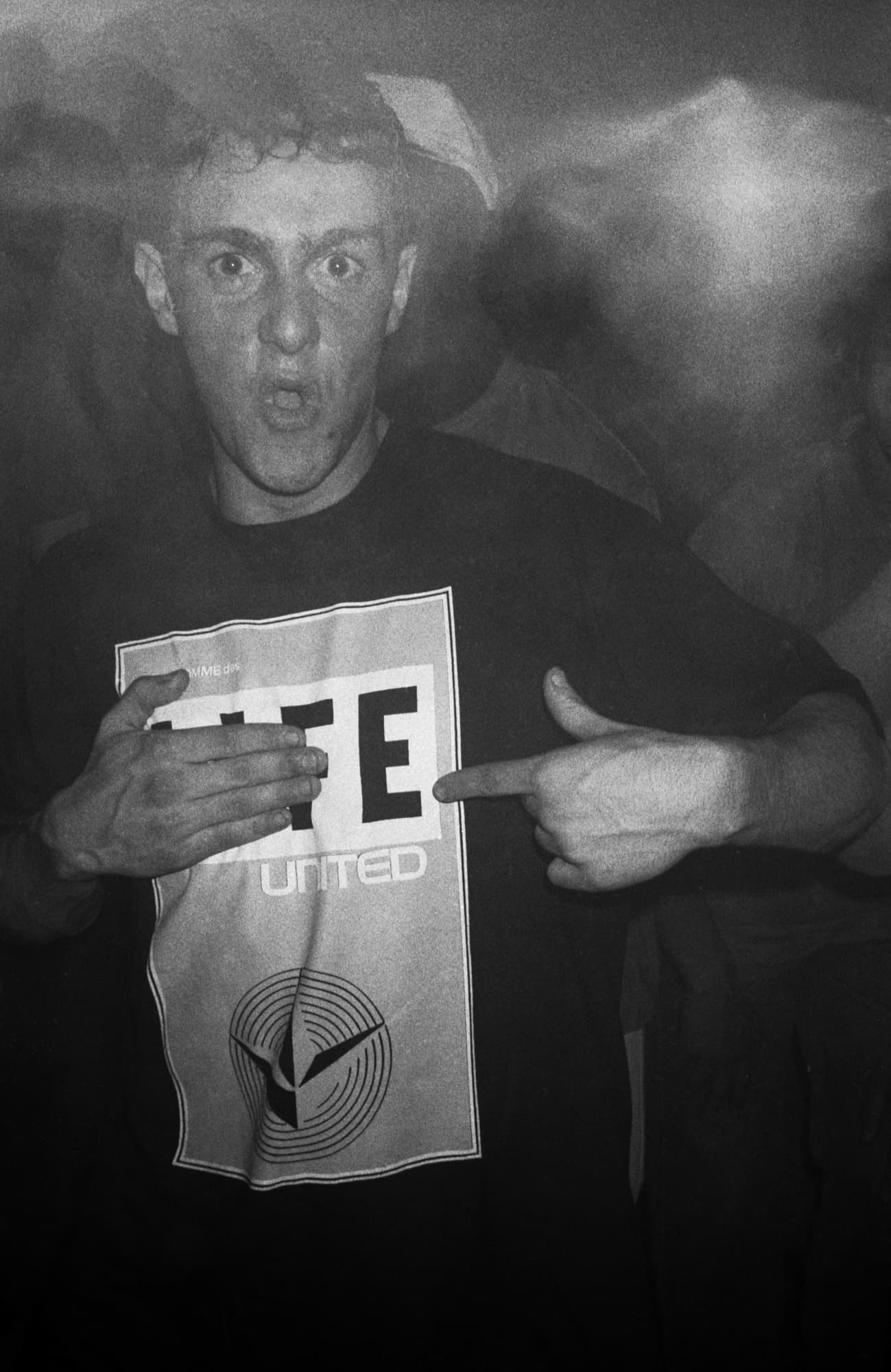
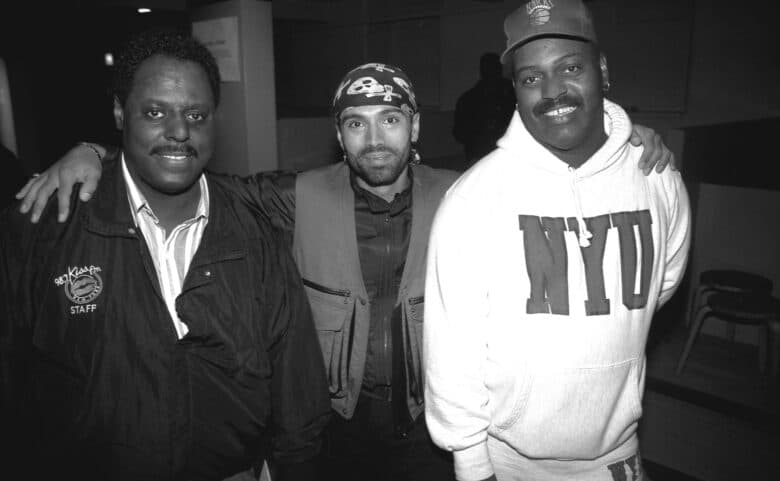
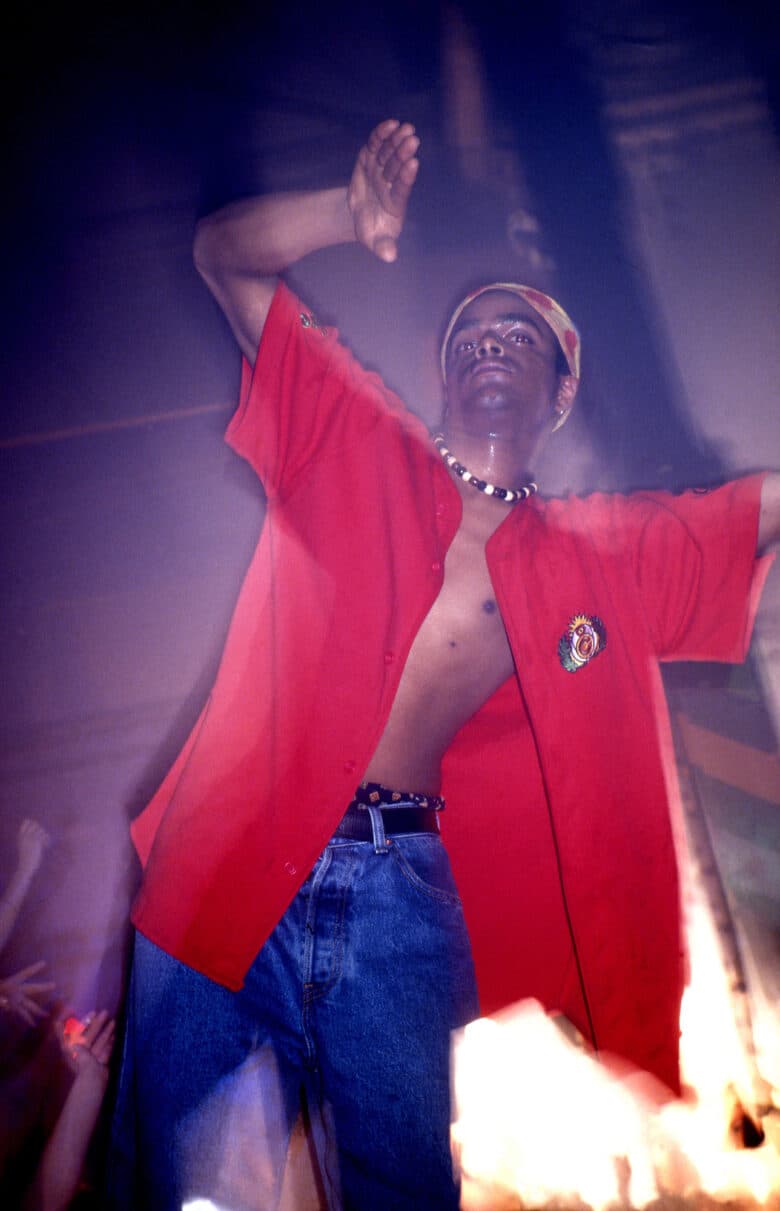
In Walsh’s photographs, you can almost feel that freedom — men and women dripping in baggy clothes and sweat, moving in near-religious fervour. A nocturnal reprieve, a midnight prayer and a good fucking time. “We were communists,” Walsh says. There was no us and them, no VIP areas — it was unity, a celebration of the music, not status or recognition. “You’d go in and stand next to New Order, or Inspiral Carpets, or Happy Mondays,” the photographer continues. “There wasn’t a roped-off area… We were all in it together.” The crowd moved as one consciousness — an Acid House valhalla for anyone who made it past the long queue. Bar staff, security and, of course, Walsh himself were all there for the drug that was The Haçienda (among others).
For Walsh, it was “life-changing”. Nights devoid of prejudice, a virtuous hedonism to the beat of a psychedelic paean. And by the mid-’80s, the Haçienda’s popularity had grown rapidly — it was so popular that ravers began lining up streets away. Due to fire regulations, once max capacity was reached, no one else was allowed in. But with burgeoning crowds, hungry and wanting, clubs began opening up throughout the city. A “creative renaissance” was ignited, a phosphorescent glow that enraptured the North. A call to arms of sorts, or at least an extended hand.
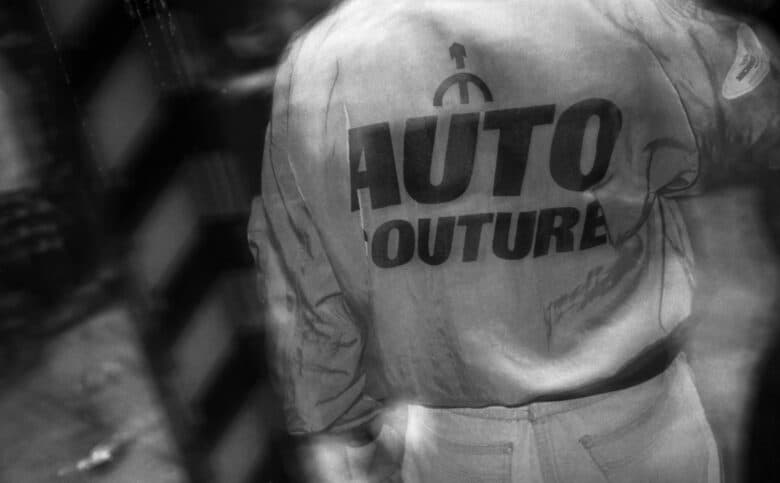
The height of The Haçienda sat at the sweet precipice before the flood of mobile phones — before capturing the moment was more pressing than being in the moment. There was a certain freedom that seems lost in clubs today — a knowing that the right now stayed there, only to be reflected back in nebulous, blurred memories. The genius of Walsh’s pictures is that they don’t imbue a sense of permanence. Rather, they feel like a flickering half-dream. An offering to experience, rather than a museum to observe. In RAVE ONE, we move with the crowd, we drink their piss and dance in its shower, and we wake up wondering how we got home.
But, as we all know, moments like this aren’t meant to last. In the hangover of the mid-’90s the sacrosanct hall shut its doors for good. Sometimes the beauty of an experience is that it is fleeting. In the end, it was gang violence and financial strain that finished The Haçienda off. Despite its closure, the effect of the club had already proliferated throughout the city. The wave of electronic worship had bestowed Manchester with an invaluable gift: release in the form of revelry. Something that is still alive and well in the city today.
It’s not surprising that in the wake of Madchester’s dispersal, Walsh found his way to Buddhism. “The opening up of your heart and mind on the dance floor made me more open to spirituality,” he says. In many ways, the ethos of both Buddhism and The Haçienda rests on the same principle: togetherness, presence, a dissolution of the self into something larger. Most Buddhists aren’t big into ecstasy, but the parallels remain.
So, could we ever have something akin to The Haçienda again? Or are the times too different? For Walsh, “it was about the people”. More than a club, it was a community. The Haçienda had to be built. But Chtcheglov and Tony Wilson didn’t mean the building itself (beautiful as it was) — its heart was always the life within. Its physicality provided the temple, but it was the people who sang the hymns.
The Haçienda lives on whenever you find yourself on a dancefloor — at a house party, a squat rave, your friend’s weird boyfriend’s gig. It’s the coming together, when the world feels cold, and you’re sweating in the heat of strangers beside you. Maybe it’s no longer the ’80s, and New Order aren’t dancing next to you, but here’s a secret: if you close your eyes and listen to the music, The Haçienda is still here. And if that doesn’t work, Walsh’s book will do just the trick.
Buy RAVE ONE: Peter J Walsh’s Photographic History of Legendary Manchester Nightclub, The Haçienda here.
- WriterAbi Turner
- Image CreditsPeter J Walsh