Arty Appetite — Schiaparelli: Fashion Becomes Art at the V&A
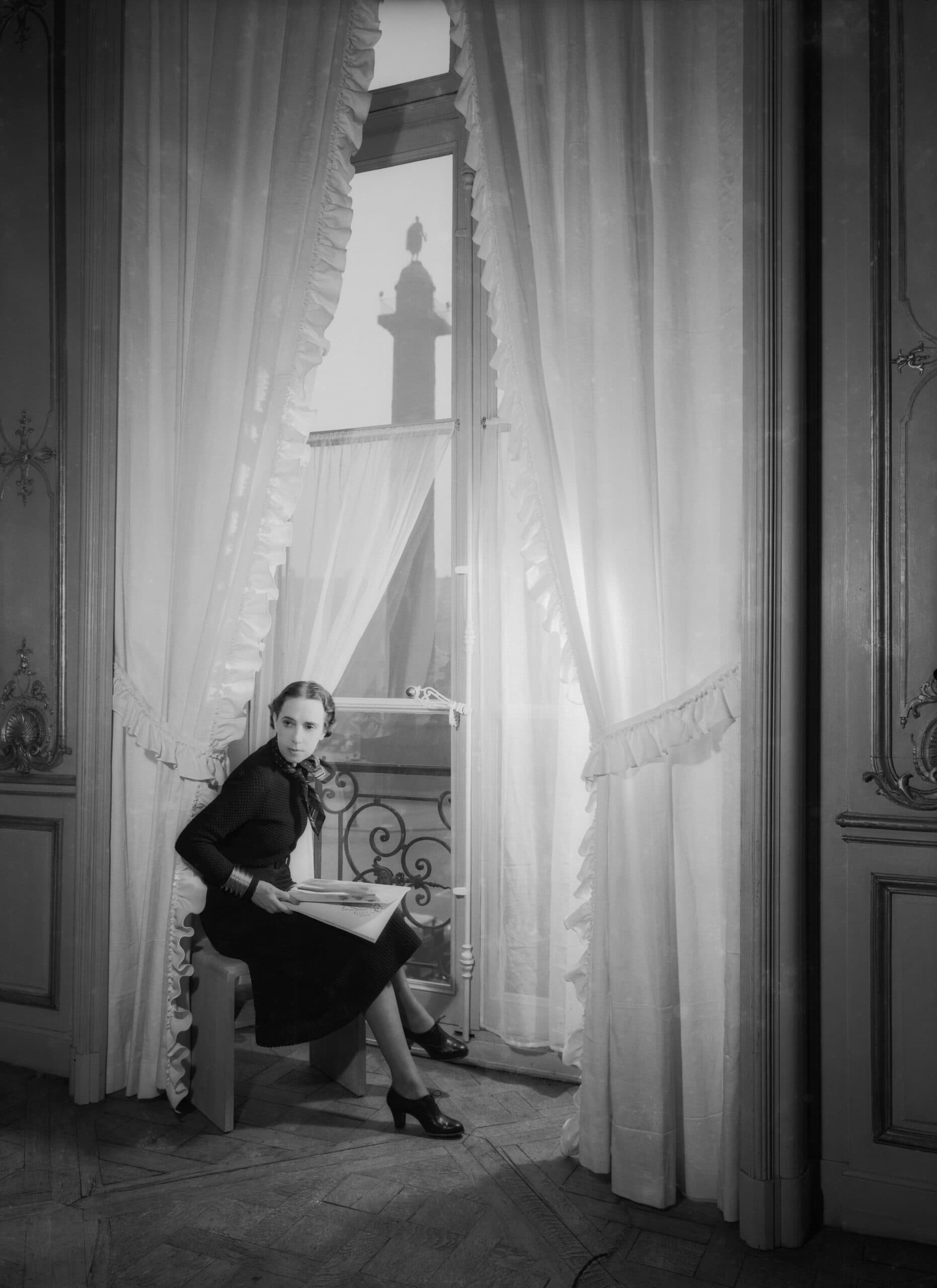
Coco Chanel once dismissed her rival Elsa Schiaparelli as “that Italian artist who makes clothes”. At the time, the remark seemed to undermine Schiaparelli’s legitimacy as a couturière, reducing her work to something less than fashion. Today, however, it reads quite differently. Schiaparelli stands apart from other designers precisely because of her artistry – the surrealism woven into the seams and stitches of her most extraordinary creations. It is this very idea that lies at the heart of the Victoria & Albert Museum’s latest exhibition, Schiaparelli: Fashion Becomes Art.
The exhibition, which opened to the public on 28 March and is curated by Sonnet Stanfill, explores the legacy of the house from its inception, highlighting Elsa Schiaparelli’s avant-garde approach to design and her deep connections with the art world of interwar Europe. It also traces the brand’s influence throughout the early to mid-20th century, as well as its resurrection half a century after its closure.
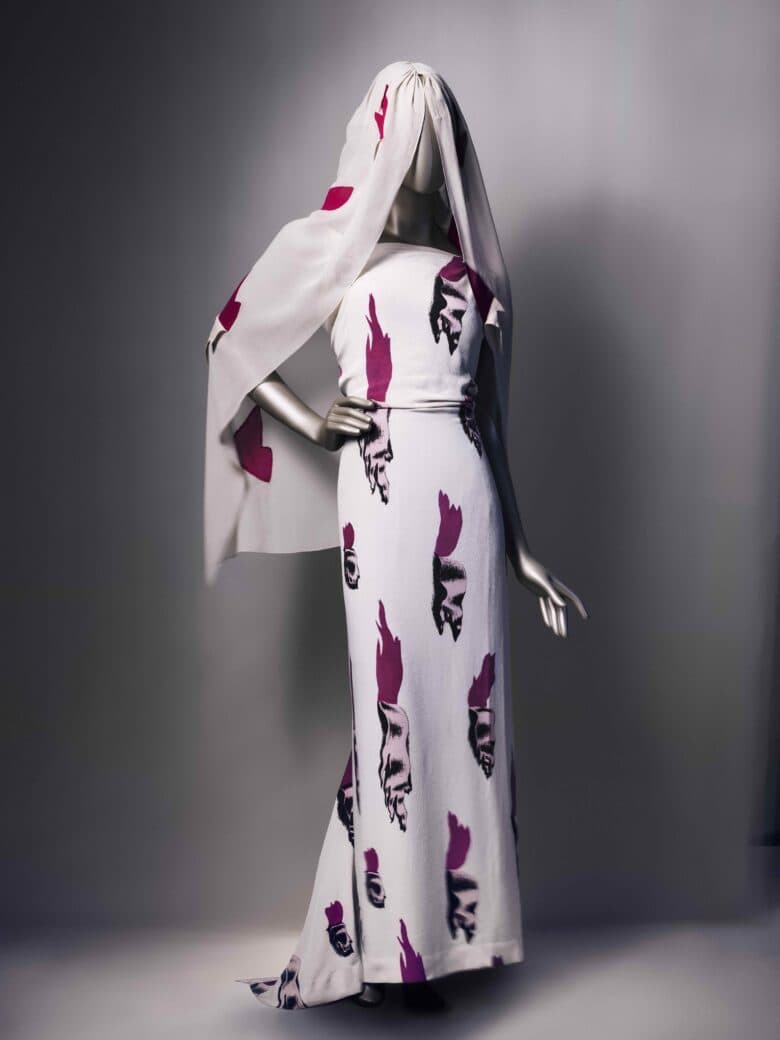
Synonymous with sculptural designs and striking silhouettes, Schiaparelli’s work is thrust into the spotlight in an exhibition featuring over 400 objects. These include 100 garments, alongside accessories, jewellery, paintings, photographs, sculpture, furniture and perfumes, spanning from the 1920s to the present day.
Upon entering, visitors are greeted by a trio of sweaters, including one of the house’s earliest designs: the trompe l’oeil bow-knot sweater from 1927. With its bold geometric pattern, it stands modestly encased in glass, a quiet introduction to the exhibition. A fiercely red gown is illuminated through an arched opening while dinner suits from the Pour le Soir collections line the gallery.
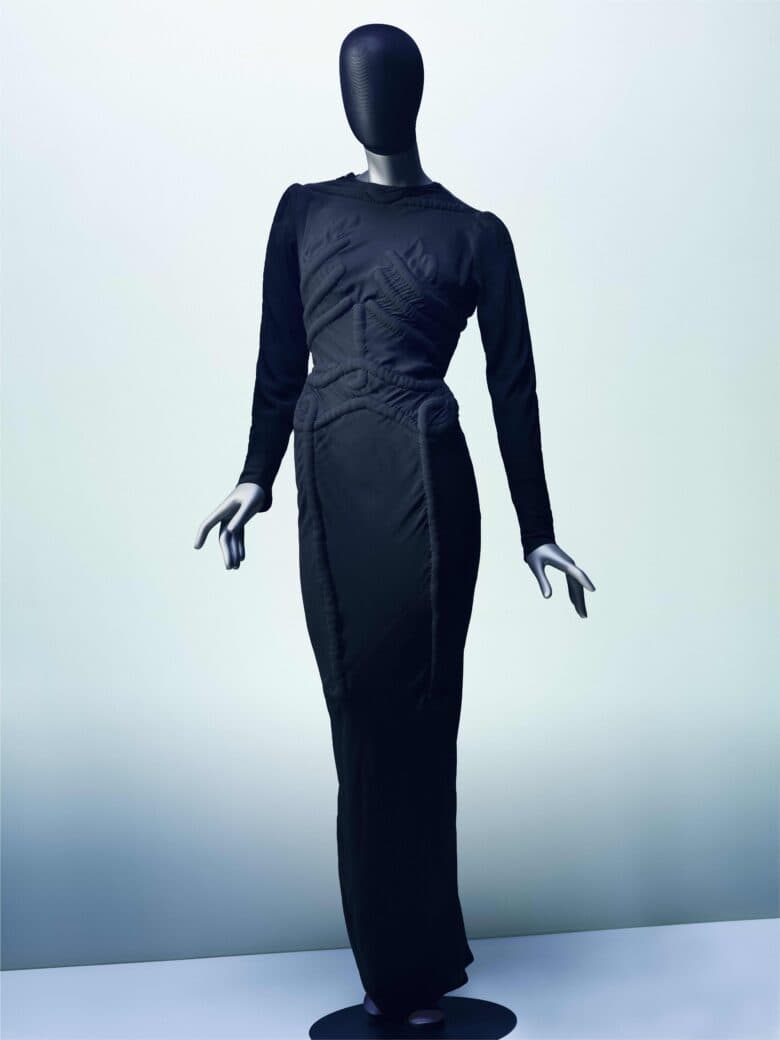
Schiaparelli’s intrinsic connection to surrealist themes, such as the uncanny and the fragmented, alongside artistic techniques like automatic drawing, is brought to the fore in pieces such as the 1938 black sculptural Skeleton Dress and the Tear Dress, which stand on display with striking grandeur. On the Tear Dress, pale blue fabric – now faded to an off-white – is layered with ripped pink and red off-cuts.
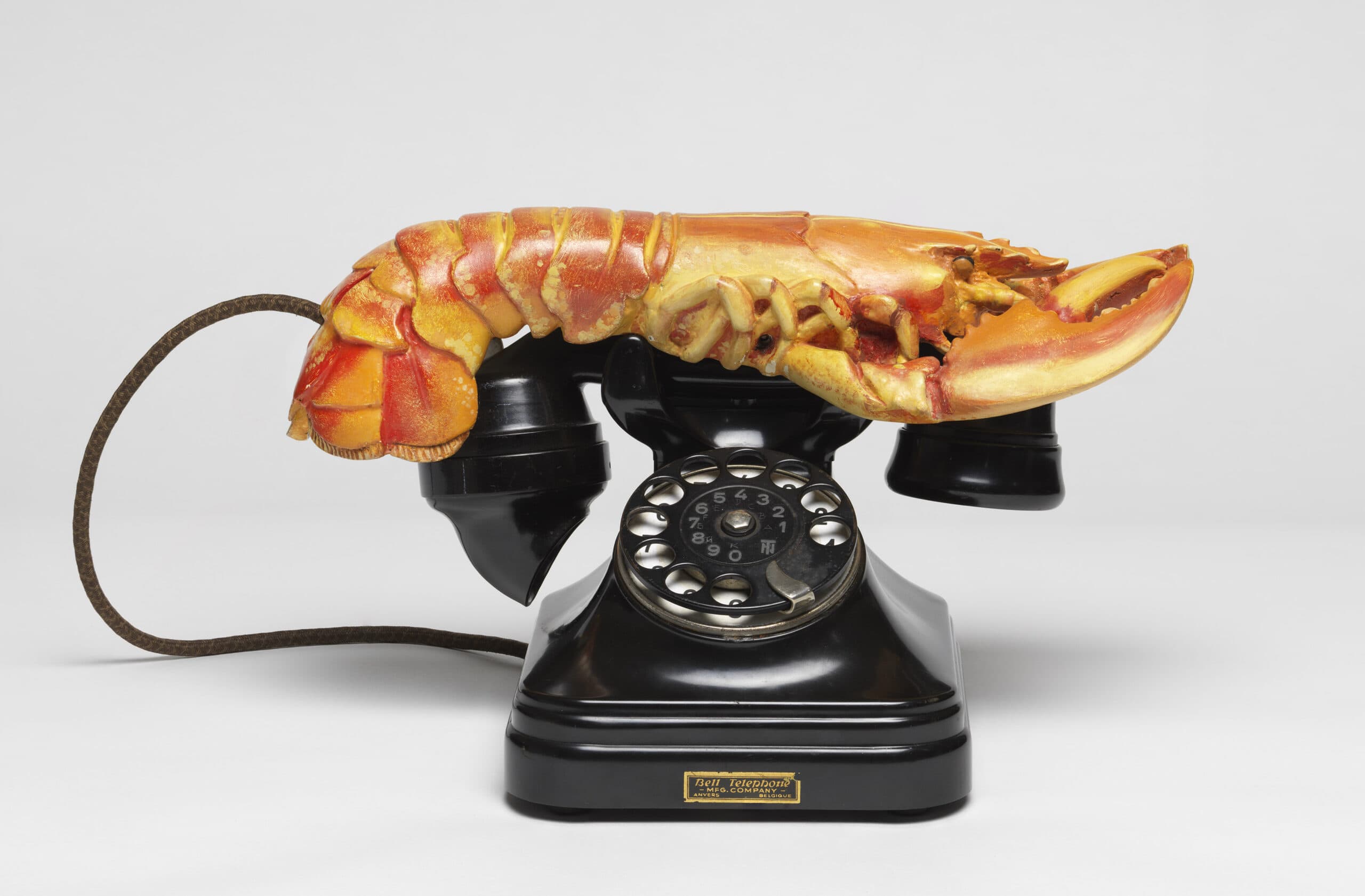
This is perhaps most evident in the designer’s collaborations with Salvador Dalí, where art and fashion cease to exist as separate disciplines and instead merge into one. Revered as a piece of history in its own right, the 1937 Lobster Dress is displayed alongside Dalí’s 1938 ‘Lobster Telephone’ – a pairing that positions fashion as an equal force in shaping artistic expression. The garment itself is an ivory-hued party gown featuring a sleeveless design and a cinched waist, adorned on the front with a cooked pink and orange lobster.
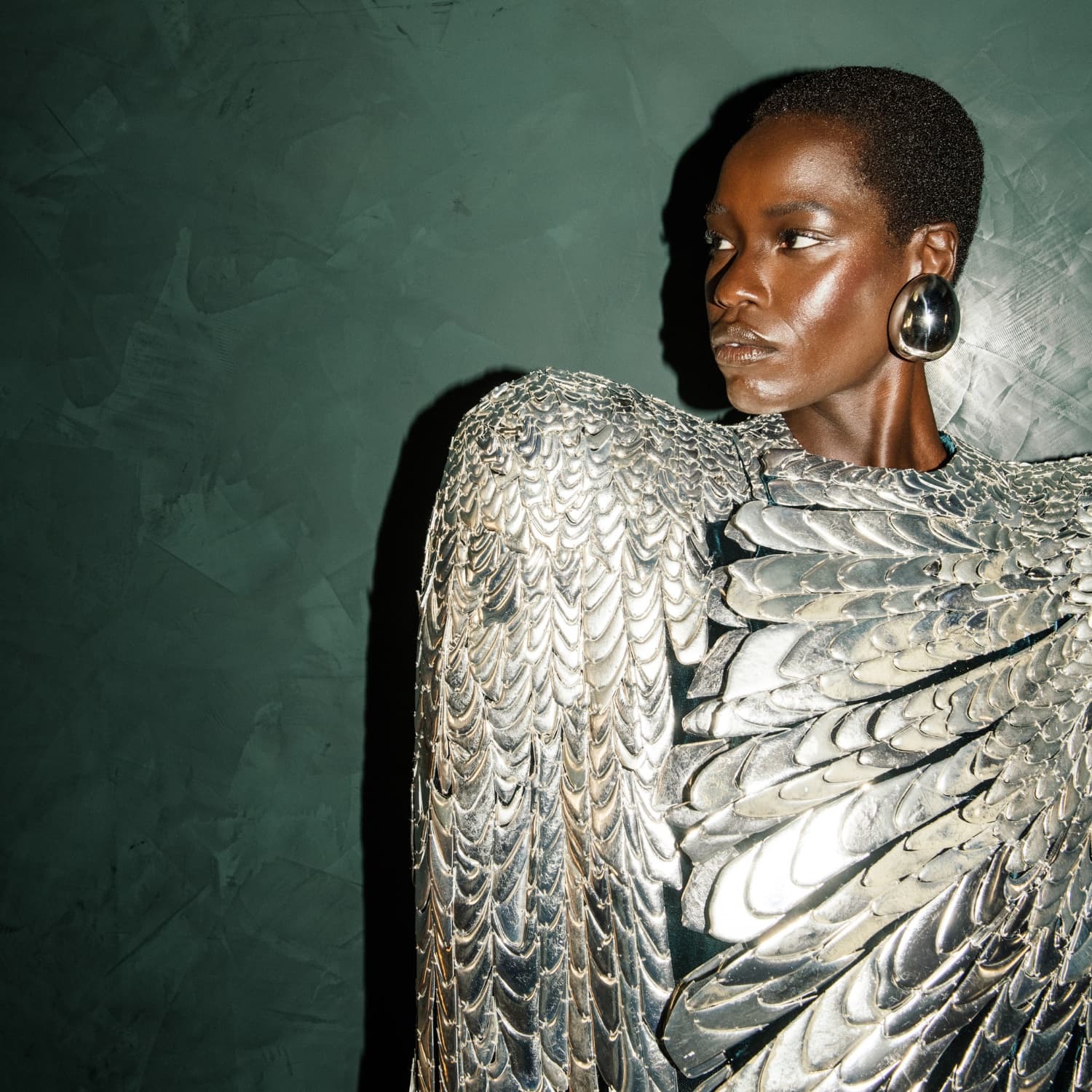
The exhibition also highlights the brand’s new era under its current creative director, Daniel Roseberry. During his tenure at Schiaparelli, which began in 2019, Roseberry has revived the brand’s connection to surrealism while reinterpreting its history through metalwork, molded leather, and upcycled denim. These technical innovations push the boundaries of modern couture, much like Elsa Schiaparelli did in her own time.
One garment that has become etched in the minds of fashion enthusiasts and cemented as a key piece in the brand’s legacy is the golden bronchial-lung necklace and gown worn by Bella Hadid at Cannes in 2021. Rather than being reserved for the finale, the garment is displayed upon entry, demonstrating that Roseberry’s vision is very much in tandem with the lens Elsa Schiaparelli cultivated much of her garments with decades earlier. It’s a continuous dialogue of influence that is tinged with innovation.
- WriterMaria Sarabi