Inside the costumes of 100 Nights of Hero with Susie Coulthard
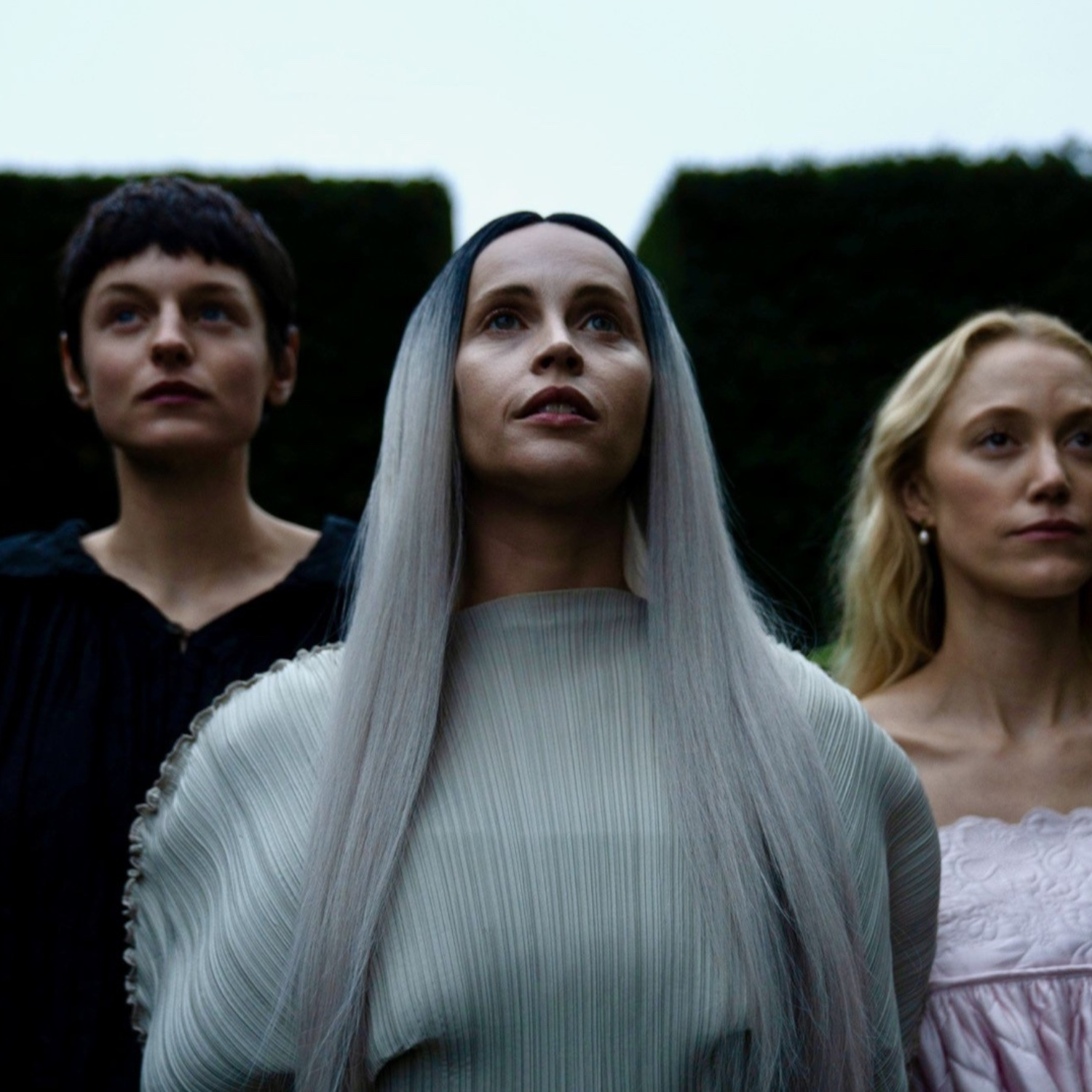
100 Nights of Hero is the compelling and eccentric culmination of the mind of director Julia Jackman and Isabel Greenberg’s titular comic. Inspired by the classic Middle Eastern folktale of One Thousand and One Nights, the film takes place in the fantastical kingdom of Migdal Bavel, where women are forbidden from reading or writing. The kingdom is crowned by a three-mooned sky (a hint at the film’s central triad) and ruled by their capricious bird-God, Richard E. Grant in a comically large beak.
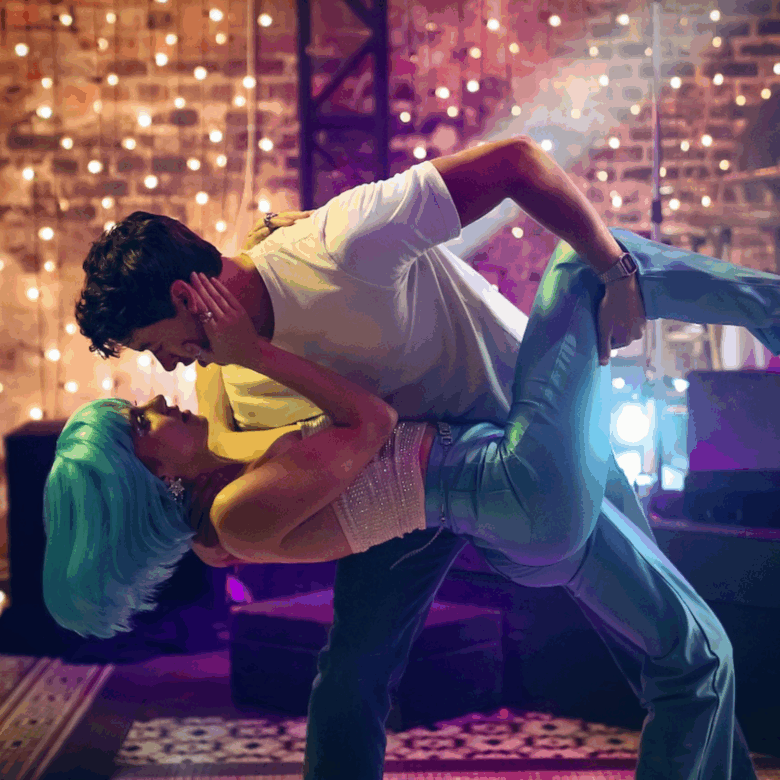
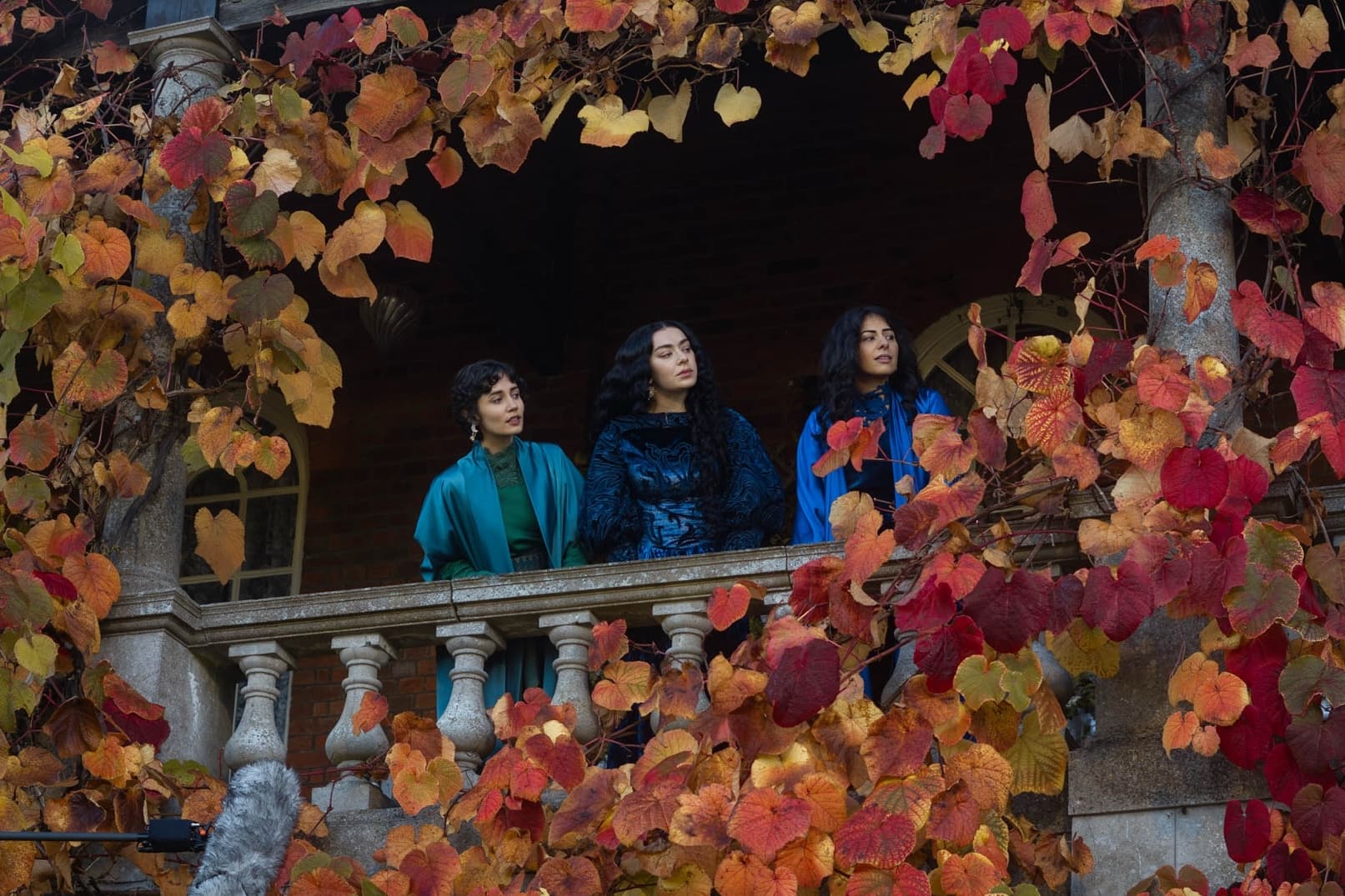
The film follows newlywed Cherry (Maika Monroe) who, in a test of fidelity, is abandoned by her neglectful husband, Jermone (Amir El-Masry) for — you’ll never guess — a hundred nights. Left in the company of the seductive and charming Manfred (Nicholas Galitzine) and her devoted maid (Emma Corrin), her familiar life begins to fracture. What unfolds is a colourful hurricane of betrayal, love, madness, Charli XCX in a fabulous blue dress and the powerful tool of storytelling — wielded against the oppressive powers that be. Especially poignant, considering the world at the moment.
Not only is the film conceptually intricate, but it is also visually stunning. It isn’t just Miss XCX’s dress that strikes you, but the costumes throughout, which almost become characters in their own right. This is due to the brilliance of acclaimed costume designer Susie Coulthard who, with only a four-and-a-half-week prep window, designed and produced 100 Nights of Hero’s material world — and what an impressively beautiful world it is.
Can you talk me through the early stages of 100 Nights of Hero?
It all happened so quickly. I read the script and immediately started drafting ideas. We had so little time to turn this around, but it was a good thing. Usually I’m quite a slow designer, breaking things down bit by bit. But with this project, as soon as I read the script, I felt like I knew what it needed to look like straight away. Thank God, because then we had to whack it out in an insanely short time.
What was the collaboration process like with Julia Jackman?
She’s super collaborative, Julia. She had really strong ideas about what she liked and didn’t like, and brought a lot of ideas to the table, so it was a really nice collaborative effort between the pair of us.
The costumes feel almost like characters in themselves. Were there particular fashion or historical references you were consciously drawing from, or was it more intuitive?
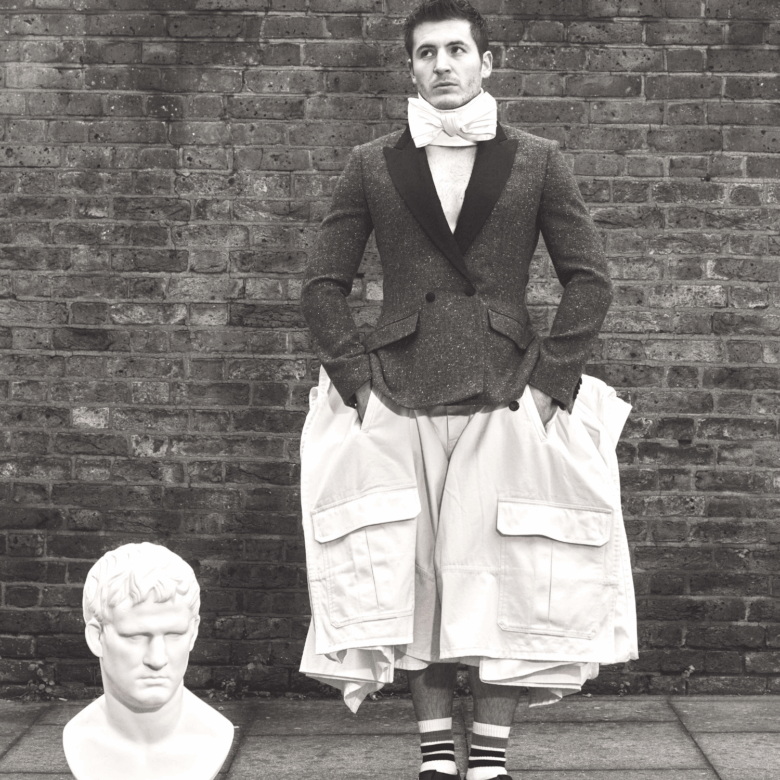
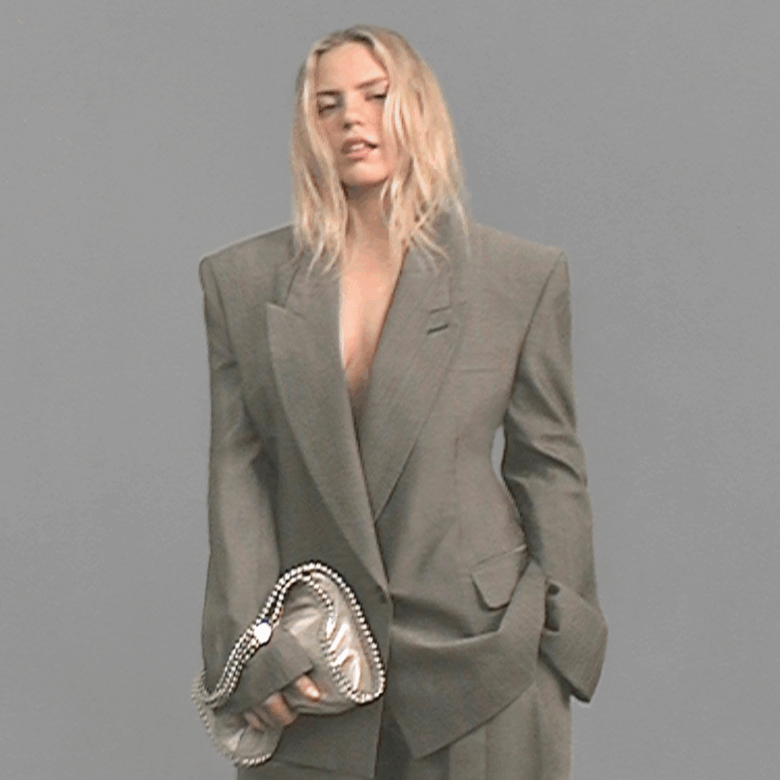
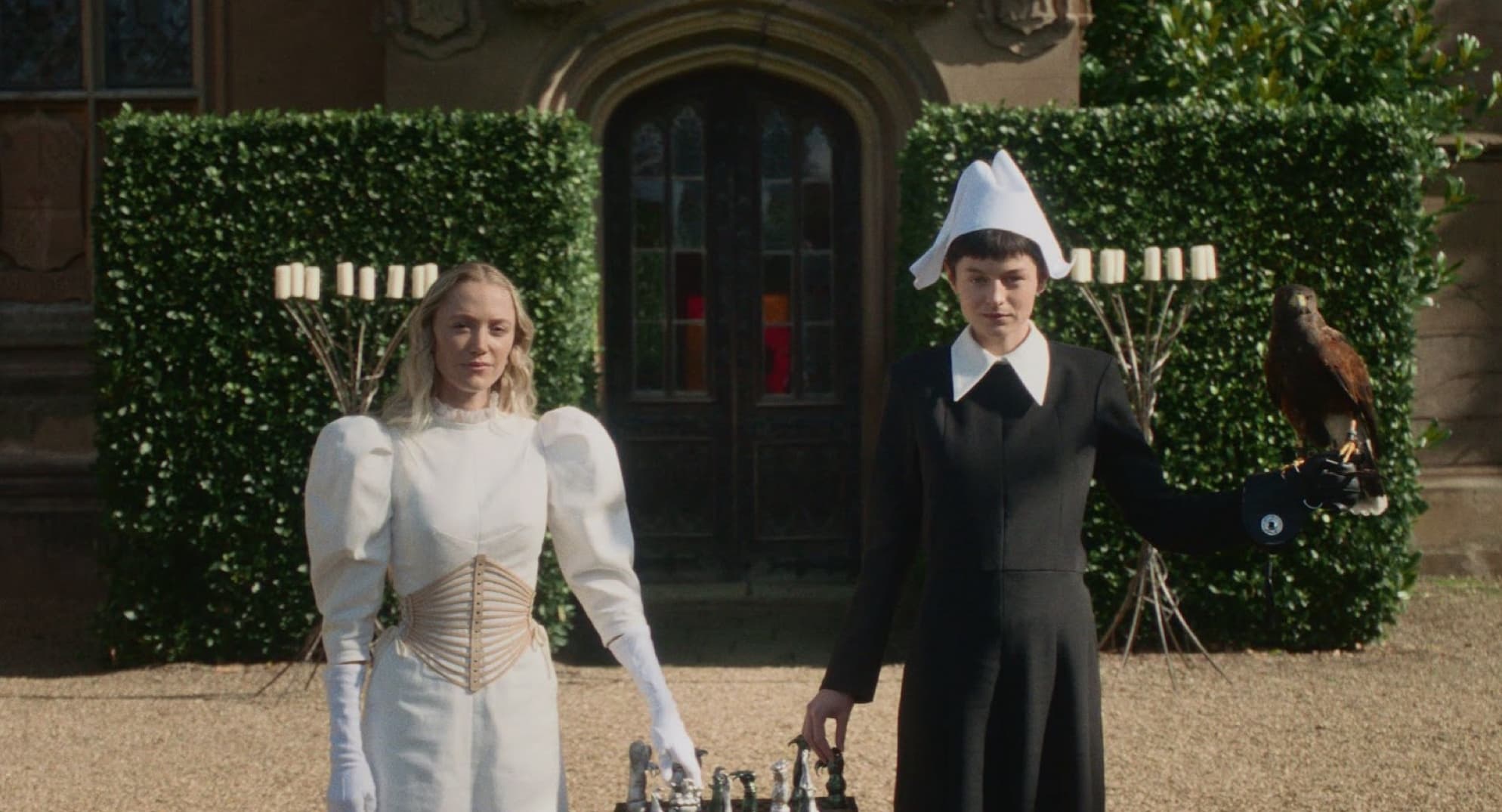
The way that I normally work on a project with both little budget and little time is essentially a smash and grab of everything that you can find that is amazing and that fits within the world. I knew Cecilie Bahnsen had some great pieces and she shipped some stuff over to us from Denmark. And I had the leather corsetry made by Paul Seville, a long-time collaborator of mine. And the pointy hats specifically came from Steven Meisel’s Organised Robots photoshoot, which we drew heavy inspiration from. It’s really handy to have strong references that you love and collaborators that you can rely on, especially when there isn’t much time.
The costumes feel like they exist outside of a specific time. Was anachronism something you embraced as part of the storytelling?
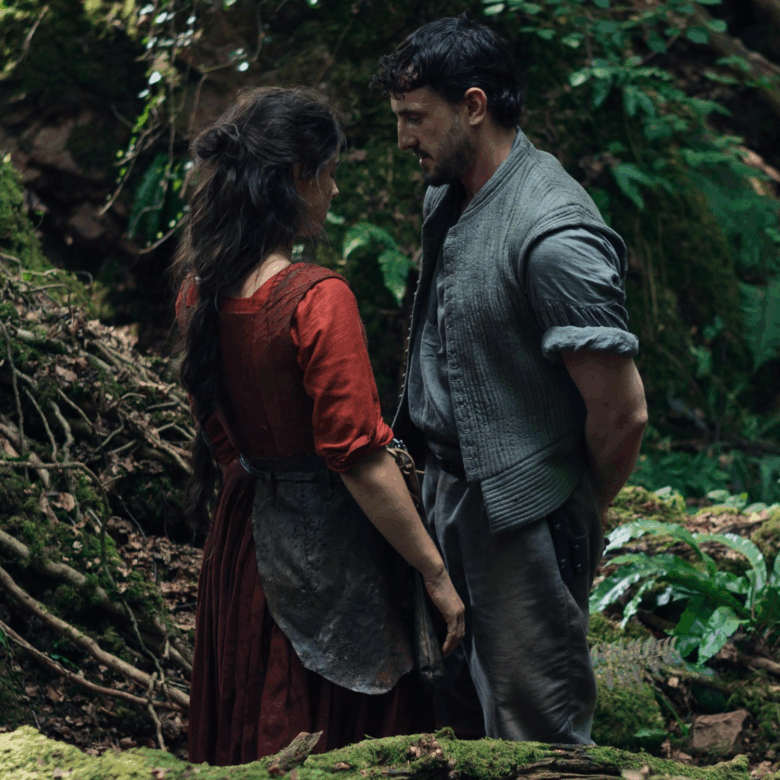
Yes, definitely. Another costume designer — a good friend of mine, Ian Fulcher — would have a spat over this, because he likes everything to be period correct. But with this, there is no period. It’s a made-up thing. I think the overarching theme was something medieval-esque, but if we had put everyone in just medieval costumes it wouldn’t have worked. We had to do some worldbuilding for sure. You have to allow those anachronistic looks to elevate the story into something new and fresh.
In this world, women are forbidden from reading and writing, and there’s an almost comical contrast between the lives of men and women. How central was that imbalance of power when you were designing the costumes?
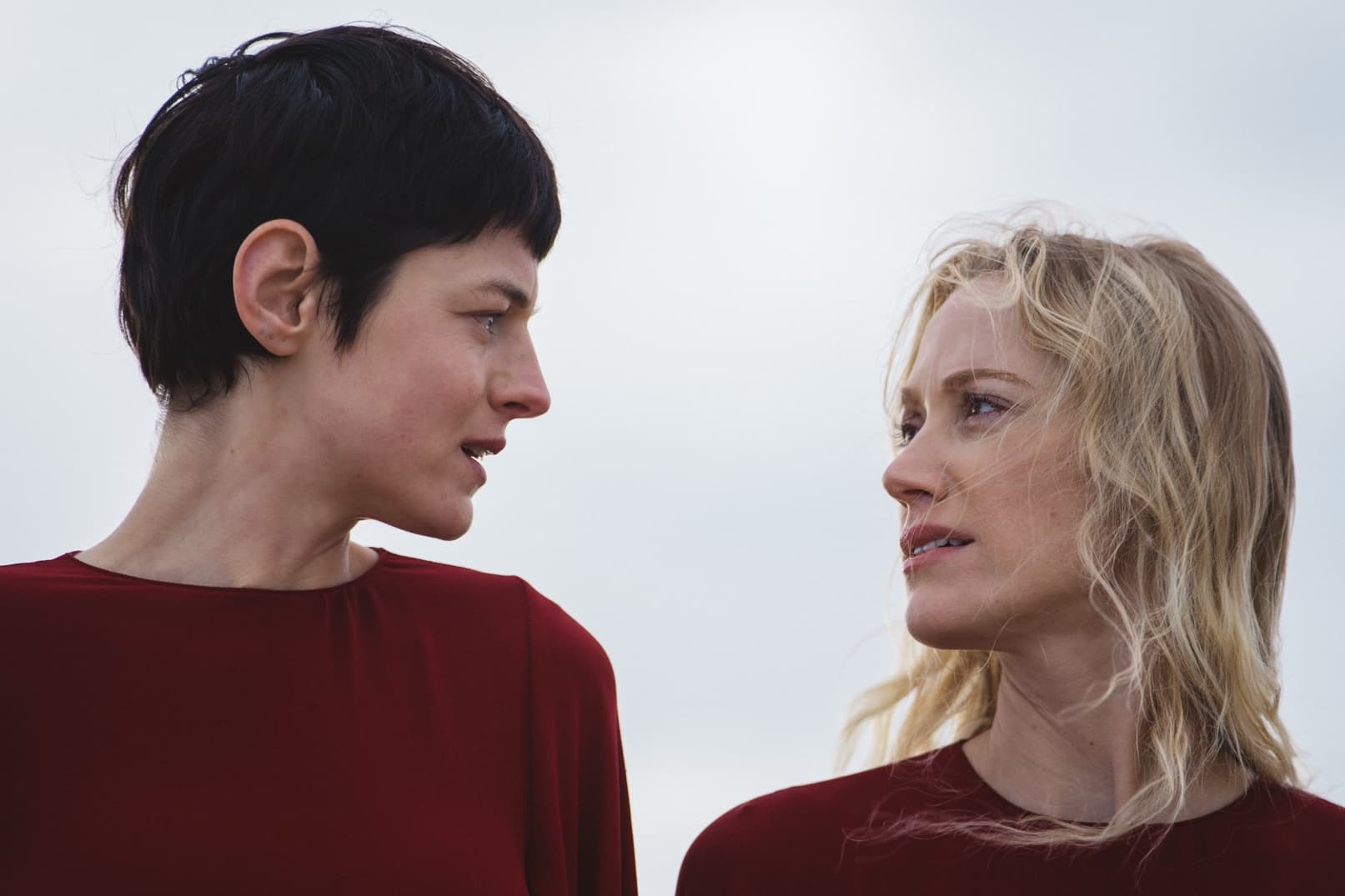
I definitely wanted the women to feel restricted, whether it was Hero — very maid-like: starched collars, starched hats, very black and white — [or] Cherry, caged up in her corsetry, loosening up as the story progresses. For the men, frivolous, peacocking, the ridiculousness of Birdman’s beak — you know. Taking a dig at the patriarchy is something I always like to do. Women subjugated, men ridiculous — just like the real world.
Did working on a female-led story like 100 Nights of Hero feel particularly resonant for you at this moment in time?
Yes, definitely. I also just love women’s clothes more than men’s clothes — although I do love wearing a men’s suit. People often gravitate towards menswear because there are more male-led stories, but for me, it really comes down to how I feel when I read a script. If I don’t respond to it, I wouldn’t take on a film. I have to connect with the story.
And what was it about this film that you connected with?
Honestly, I just really loved the script. I thought it was an interesting — and actually quite funny — story, and a great opportunity for world-building. That sense of creating a whole new visual language was really exciting for me.
[And a last note from Susie:]
Don’t forget to put in there: males are ridiculous.
- WriterAbi Turner