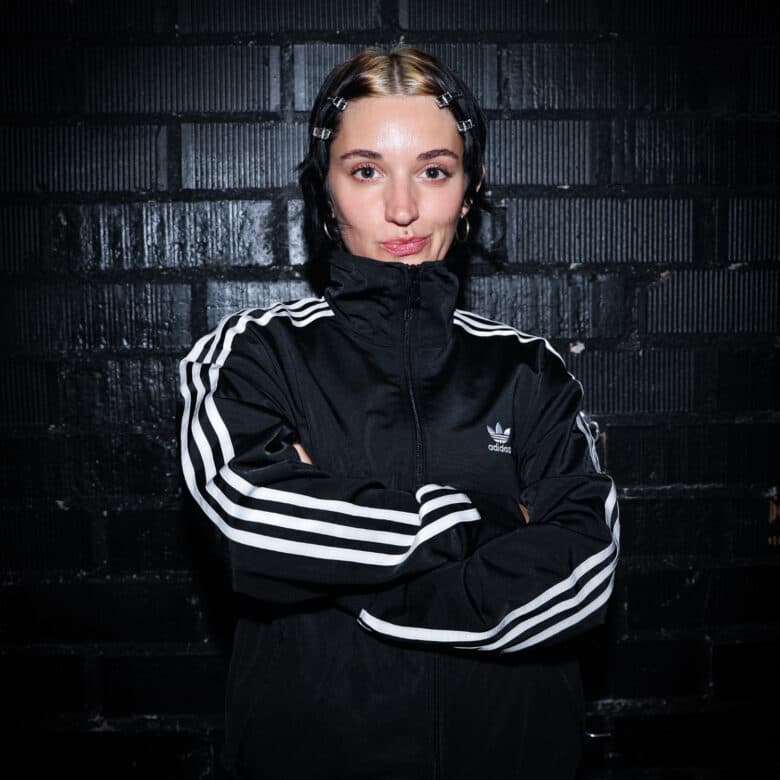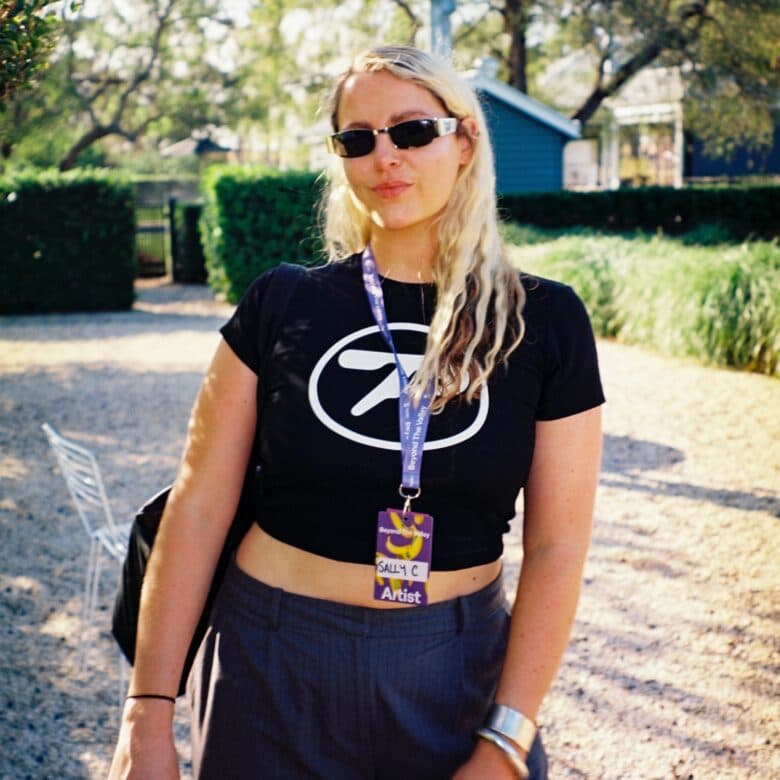
“What’s the point of having walls?” Sudan Archives asks, face scrunched in thought. I pause, waiting for her to expand. She’s sitting on a wooden bench outside her LA loft, palm trees rigid like props behind her, framing the Zoom window. “I used to take the doors off in all my other apartments,” she continues. “I would just hit my head on them all the time; literally walk through the door not realising it was there.” We both laugh, taking a moment to acknowledge the bazaar territory we’ve entered into. It’s this kind of free-flowing energy that sets the tone of our interview. There are seemingly no pretences, no careful calculations of what a sentence might indicate, just a basic understanding that we’ll chat for a while about her work, about which she is ever excitable and proud to discuss. And rightly so. Archives’ first album, Athena, secured fourth place in the New York Times’s Top 10 Albums of 2019, and she won the 2023 Libera award for Breakthrough Artist as well as Best R&B Record for Natural Brown Prom Queen. As for her latest project, The BPM, well, she says: “people are saying really nice things.” (Read any album review for a far glowier perspective.)
There’s an ‘ask me something interesting, or don’t’ energy to our conversation, underpinned by the subtle distraction of a possible mail delivery; Archives is awaiting a North Face jacket and a pair of Salomon trainers. The “perfect swag” costume for the next section of her North American tour that will take her cities like Atlanta and New York, and the reason that we are speaking together today. Because really, everything is always about the music with Archives. The Cincinnati-born artist (real name Brittney Parks) began teaching herself violin in fourth grade using YouTube videos, after becoming inspired by the Canadian folk band Barrage. From there, she went on to take part in the bands at the seven schools she attended, join a prestigious string programme in Wyoming, and perform at church three times a week. As for everything else we touch on — AI, meditation, ultra-processed foods — there’s a sense that Archives is thinking, ‘Yes, I have opinions, but can we get back to the music, please’.
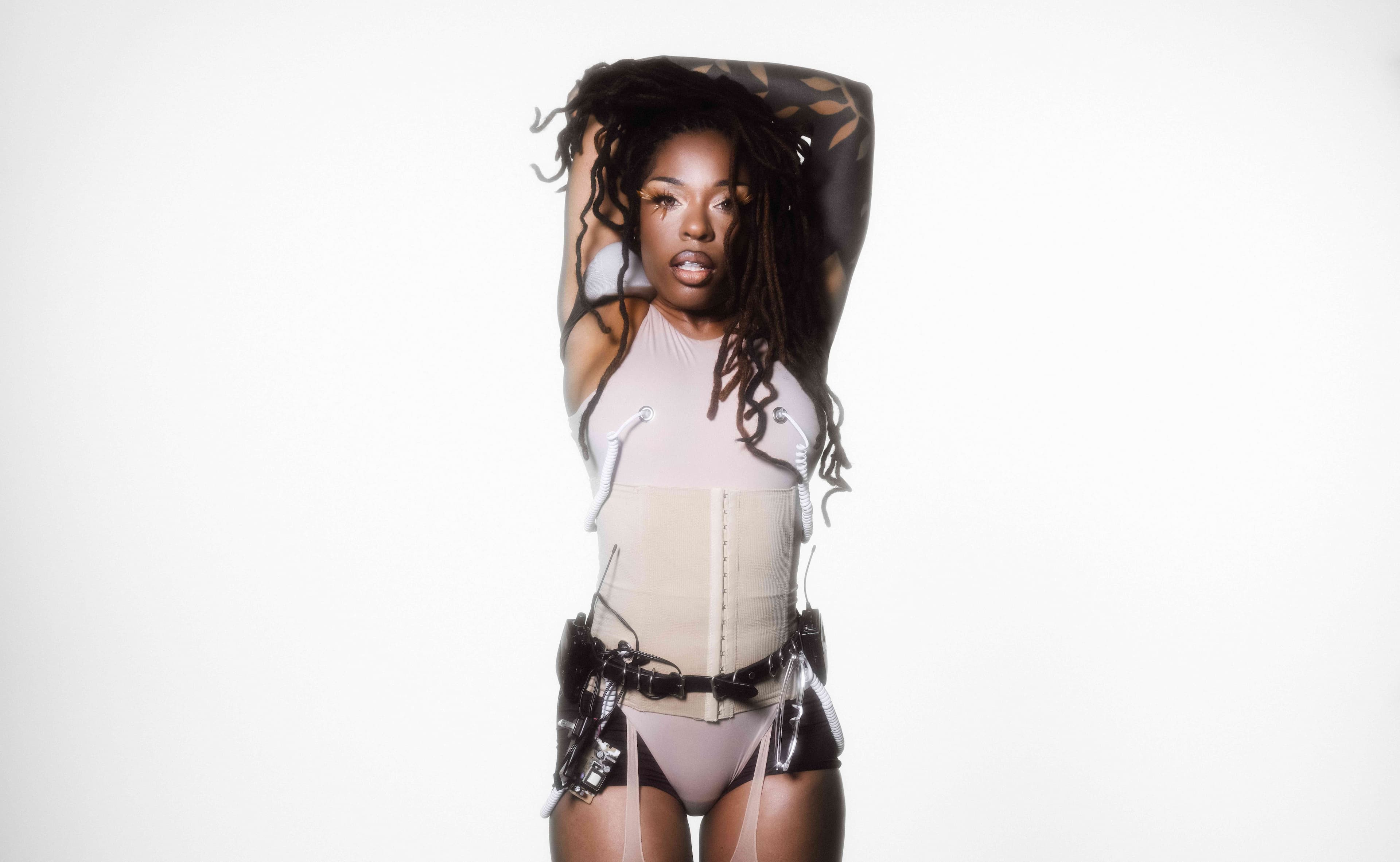
The result of this lifelong dedication to honing and playing with her craft is a critically acclaimed and diverse music catalogue blending folk, R&B, electronic dance music, pop, neo-soul and classical sounds across three albums. But above all else a violinist, her fiddles come front and centre on stage. “Look, it’s just me up there, so [attention] needs to be focused on the thing on my boobs,” she says. Her musical process, too, is based around the instrument. “Once I find a violin loop that I really like, the whole song has to be built around it.” She’s even created an educational Instagram reels series titled ‘Fun With Fiddles 101’. Her face notably lights up when I mention it. Archives wanted to get an ethnomusicology degree but doesn’t have the time. Instead, she collects “fiddles from all over the world, whenever [she] goes on tour”, hangs them on the wall in her loft and shares what she knows about them online. “One string, three string vibes,” she says loosely of the different types. Never has a self-described “orchestra dork” seemed so blasé.
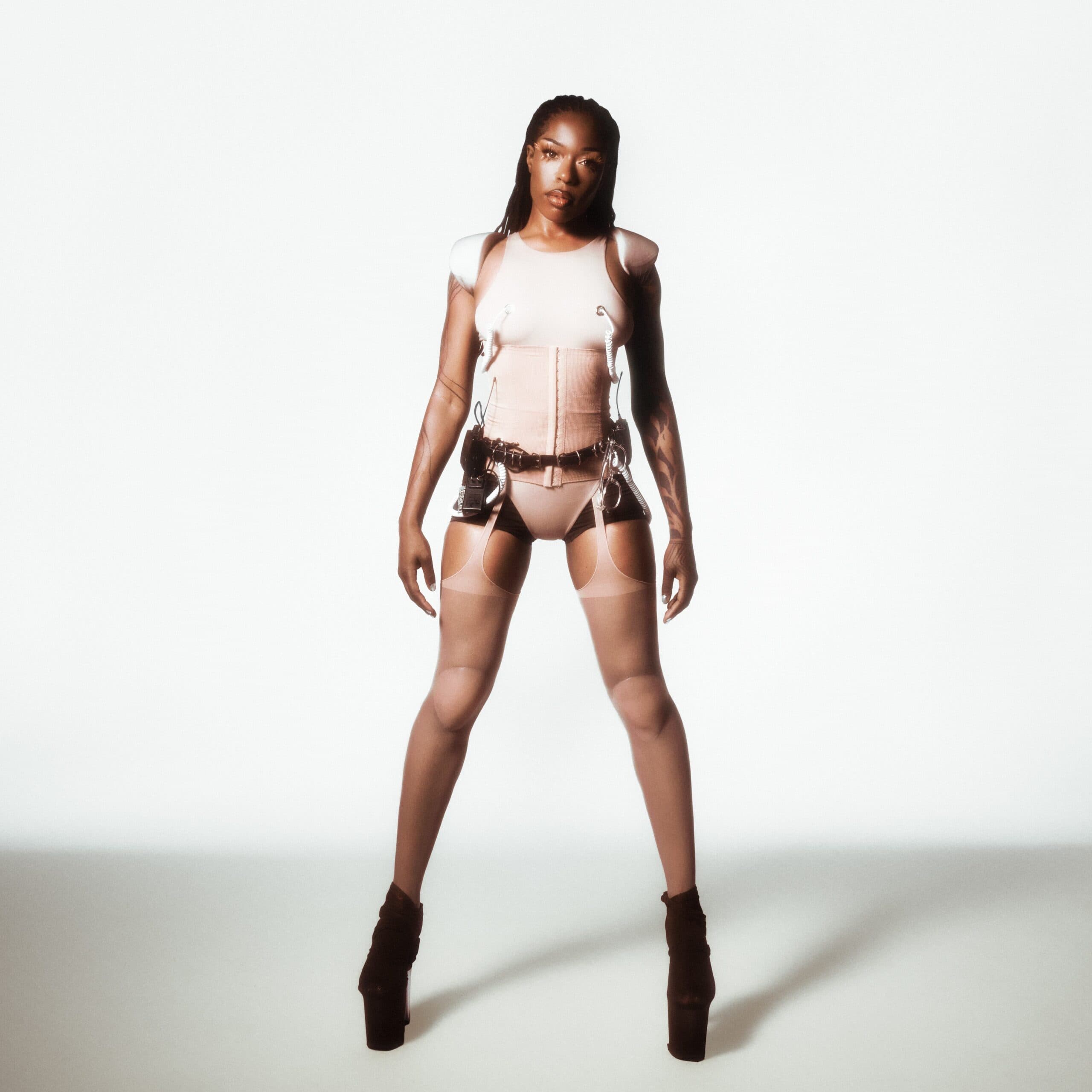
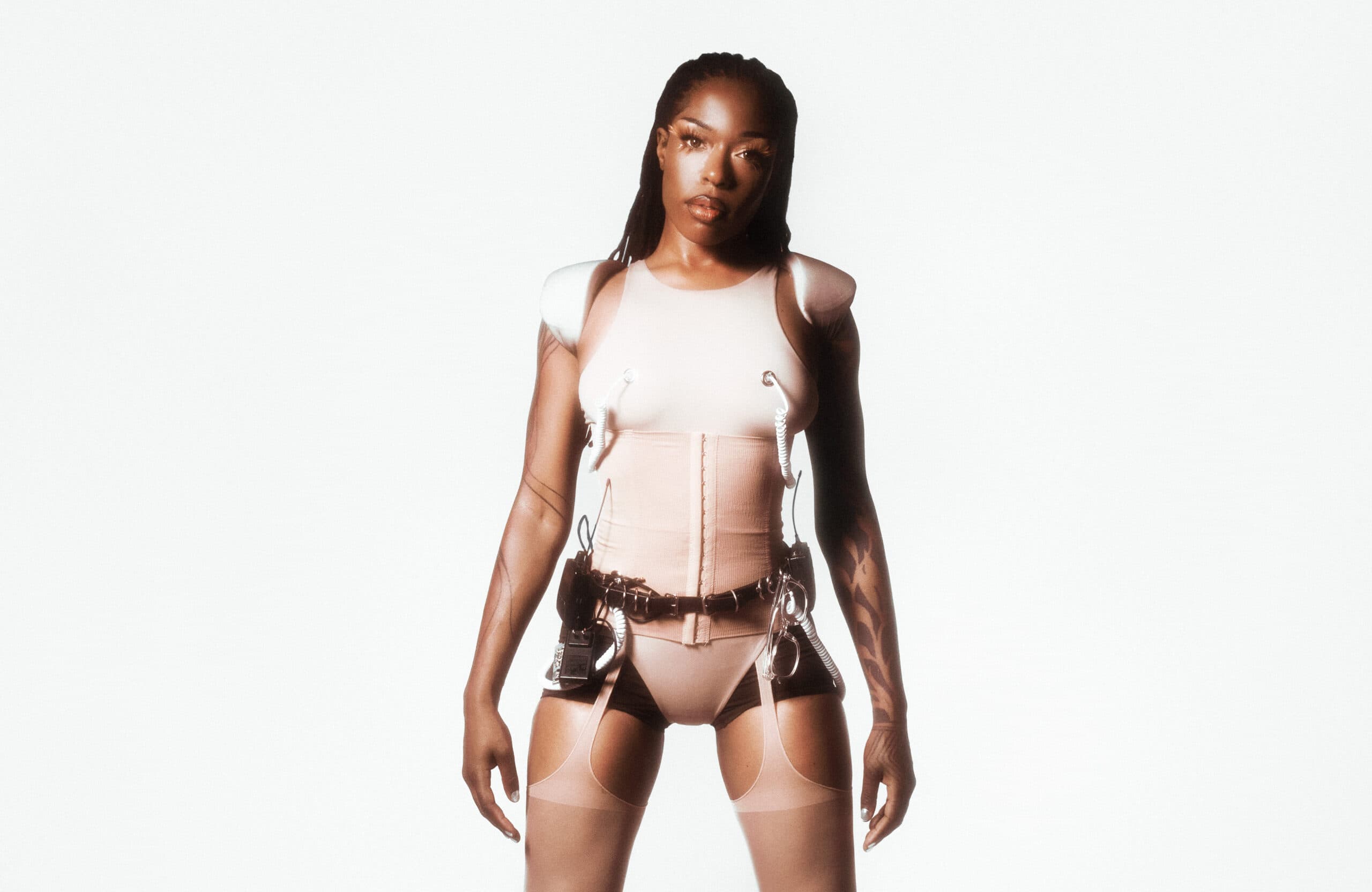
But along with this fiddle-mania comes an immersive set of fantastical worlds attached to all her albums. Athena (2019) was inspired by the Greek goddess, while Archives dressed up as a geisha in the ‘Glorious’ music video to explore her lifelong obsession with the overly-fetishised female performers. In Natural Brown Prom Queen (2022), Archives adopts the character of Britt, a confident high schooler who directly refers to race, gender and sexuality, in contrast to Archives’ usual, more abstract approach. And then there’s Gadget Girl, the tech-loving alter ego from The BPM, who plays out the artist’s internal battle of wanting to be “full gadget girl”. Archives would use Guitar Centre on her iPad growing up to find instruments, she prefaces, before changing the course of our conversation. She admits to being incredibly sensitive. Archives went through a break-up while writing her latest project, and performing all the songs on tour has been “so annoying”. She laughs: “I have to go through all the feelings, and really I’m up there singing, about to cry.” Though the least human of her personas, Gadget Girl is still the identity she feels closest to.
“I was a manager at 16 at McDonald’s,” she tells me. “The reason why I was so good was because I was really good at multitasking. They would only need to hire me for the night shift, because I could take orders on both lanes with the headset mic, prepare the food, take the money and then take the orders at the front. I’m doing the same thing now,” Archives adds, “but with my drum machine and my stations on stage.” I ask if, like an actor post-project, Archives struggles to shake off these personas, these worlds she’s invented. The artist admits that this type of “role-playing” comes naturally to her. Her stepdad, who died shortly after she moved to LA at 19, was “such a character”. “He loved acting,” Archives says. “He went to school for theatre, so maybe I’m, like, a secret theatre kid, too. Aside from [being] a violin, orchestra dork.”
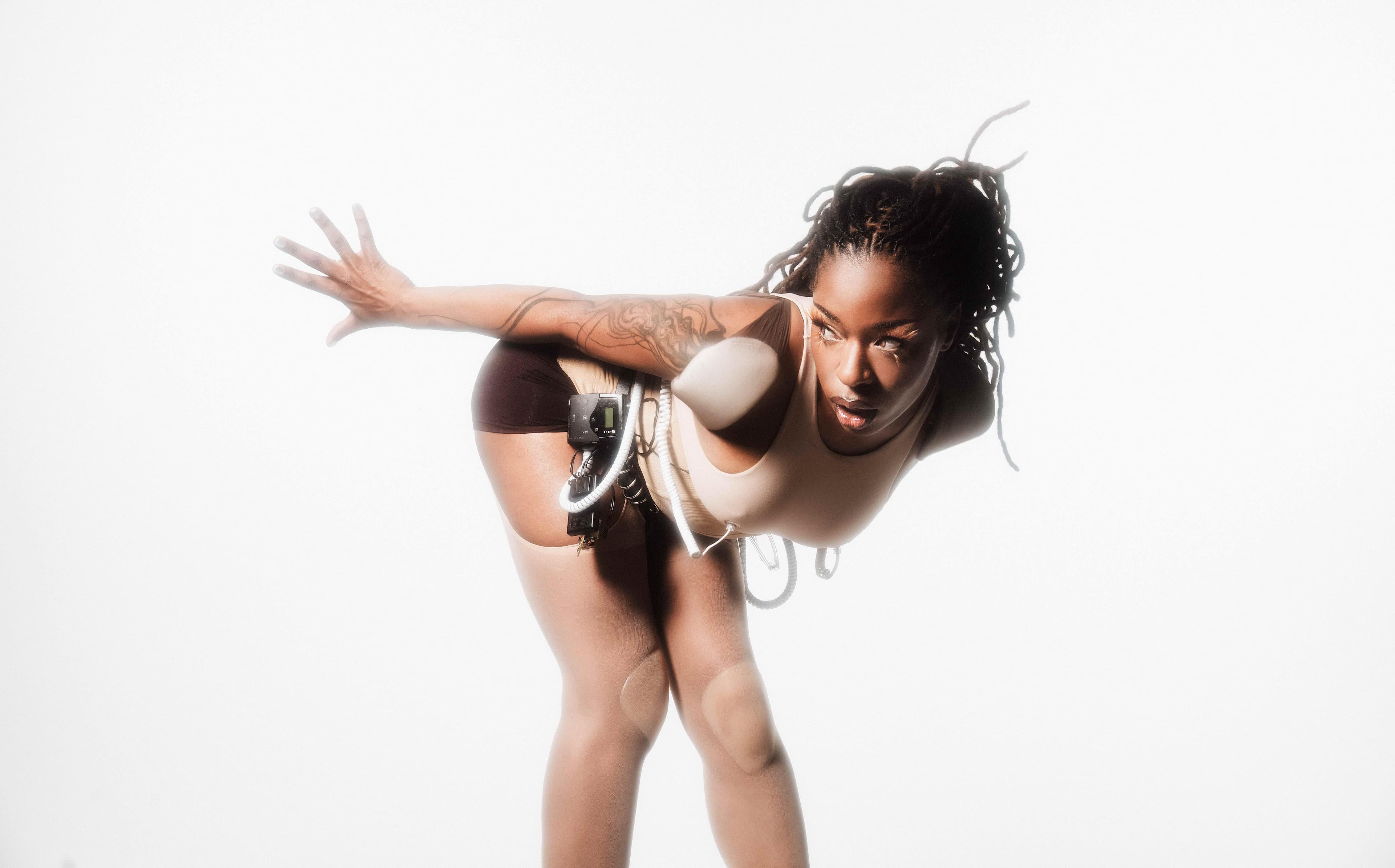
Fittingly, Archives plans on turning the next section of The BPM tour into a show slash play. “I envision the set having these acting moments and dancers in between songs,” she tells me. The artist already uses a light bar to code the show, turning it up at the start to mimic “loading myself into a video game”. Her favourite game is Gris, by the way. But she wants to work with her family, who are already a big part of the album’s production — producer Eric Terhune is her cousin’s partner — to further build the immersive world of Gadget Girl. Despite all the tech, though, there is an LA earthiness to the artist, a slow focus on being present. Archives likes doing yoga, she brings an egg poacher on tour with her and listens to meditation music more regularly than anything ‘dancy’. “I don’t even know if I’d listen to myself,” she admits. Though pre-show, she plays a whole playlist with Megan Thee stallion and a load of other “upbeat stuff to get me lit”.
Does Archives think Wellness culture is killing dance music? “You shouldn’t be too anal about anything,” she says. “If your booty hole squinched up, then you just gonna like, not be doing anything cool.” Though creating a balance, eating well and self-enforcing moments of quiet are vital to her wellbeing. “My Dad struggled with bipolar, and he had a lot of energy,” she says. “I feel like I take after him in that way, so I try to keep myself grounded.” Playing the violin and focusing on her music is, truthfully, the only thing that works. There are always “so many things on my mind”, Archives says. “It’s really hard. When I play violin, that’s when I don’t really think about anything. That’s why I like [it].”
The rumblings of her next album seem to combine all of this, more evidently exploring this energy split between a love of gadgets and the natural world. “I’ve always been just as much inspired by nature as I am by technology,” Archives says. She credits much of this interest to Ethnomusicologist Francis Bebey’s book, African Music: A People’s Art, in which he writes about blending electronics with traditional string instruments. As for what to expect from Archives’ next world? She envisions herself on an island, walking around with a bunch of “shakers on her feet and tambourines [in hand]”. “Actually”, she laughs, “I want so many shakes, like a shaker explosion.” But for the time being, she’s more of a “track star, ready to race” off into the next chunk of her tour, pending the arrival of her Solomons, of course.
- WriterHattie Birchinall
- Image CreditsYanran Xiong