It’s a ‘Party Girl’ Christmas: Why you need to watch this cult classic right now
Long before the debaucherous summer of Brat, in 1995 to be exact, there was a film so exciting and bewildering that it resembles a prescient historical artefact — like a medieval tapestry depicting a natural-wine bar. I am, of course, referring to Party Girl, a film starring Parker Posey as Mary, a stylish NYC club rat who reforms as a librarian. With its loving nods to LGBTQ+ culture, the Dewey Decimal System, falafel vendors and the philosophical work of Albert Camus, it’s not that surprising that this film did not achieve mainstream success upon release.
Now, thirty years since it premiered on the internet — the first feature film to ever do so — it has been lifted to the status of ‘cult classic’. Anyone who sees the film can see why. Bursting with energy, colour, comedy and depictions of groups that are still underrepresented in Hollywood, Party Girl is not only the perfect 1990s movie, but, I believe, the perfect movie to watch during the festive season.
While it’s unclear what time of year Party Girl is set (there are hotpants and sunglasses, but also brightly coloured tights, layered long-sleeved tops and statement outerwear), to me, it screams Christmas. Don’t let the lack of any Christmas references throw you off, though, because what this film lacks in Hallmark-variety yuletide gayness, it makes up for in actual gayness, aforementioned hosiery and a sense of cheer and goodwill to all that far exceeds most offerings within the canon.
Traditional Christmas movies — the ones you know off by heart — are comforting in their predictable and sometimes banal plotlines. There’s nothing wrong with that. Each year, I watch the crème de la crème (It’s a Wonderful Life, A Muppet Christmas Carol, The Holdovers) with great comfort and joy. But there is such a thing as festive fatigue. Once you’ve seen one, it can seem as though you’ve seen them all. And let’s face it, you probably have. Many, many times.
“The meaning of life is whatever you’re doing that prevents you from killing yourself.”
Party Girl has a plot, of sorts, but it can probably best be described as ‘vibes-based’, with surreal, inexplicable scenes that consist of outrageous dialogue and dancing. This is because the film takes inspiration from absurdism. After finding out about The Myth of Sisyphus, twenty-three-year-old Mary declares: “I think I’m an existentialist, I do”. Another reason is because the film’s primary preoccupation is with having a good time. If we apply Camus’ belief that the “meaning of life is whatever you’re doing that prevents you from killing yourself”, then the meaning of Mary’s life is partying, her relationships and, later, the library. Parker Posey carries this off with her signature unhinged style and screwball charm, cementing herself as the modern-day Katherine Hepburn. Much like a Hepburn comedy, Party Girl is uplifting without any of the sentimentality or sappiness of your average holiday-season watch.
Although your loved ones will likely recognise Posey from The White Lotus, You’ve Got Mail or Kicking and Screaming, it’s unlikely they will be familiar with this film. With any luck, it will surprise them, delight them and spark an invigorating conversation. Possible topics include: what clubbing was like in the Nineties; society’s devaluing of librarians and libraries; women’s self-actualisation; clothes.
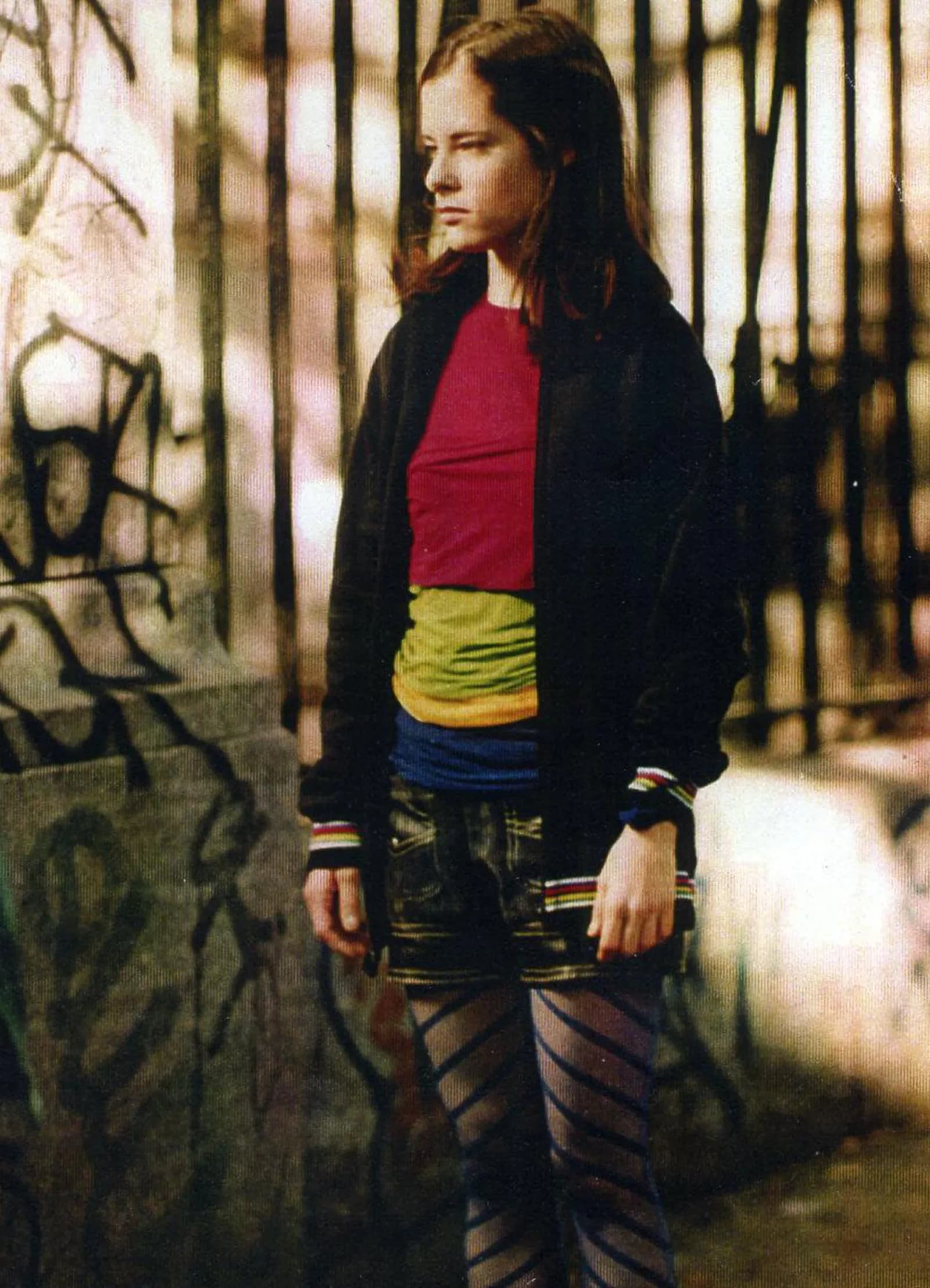
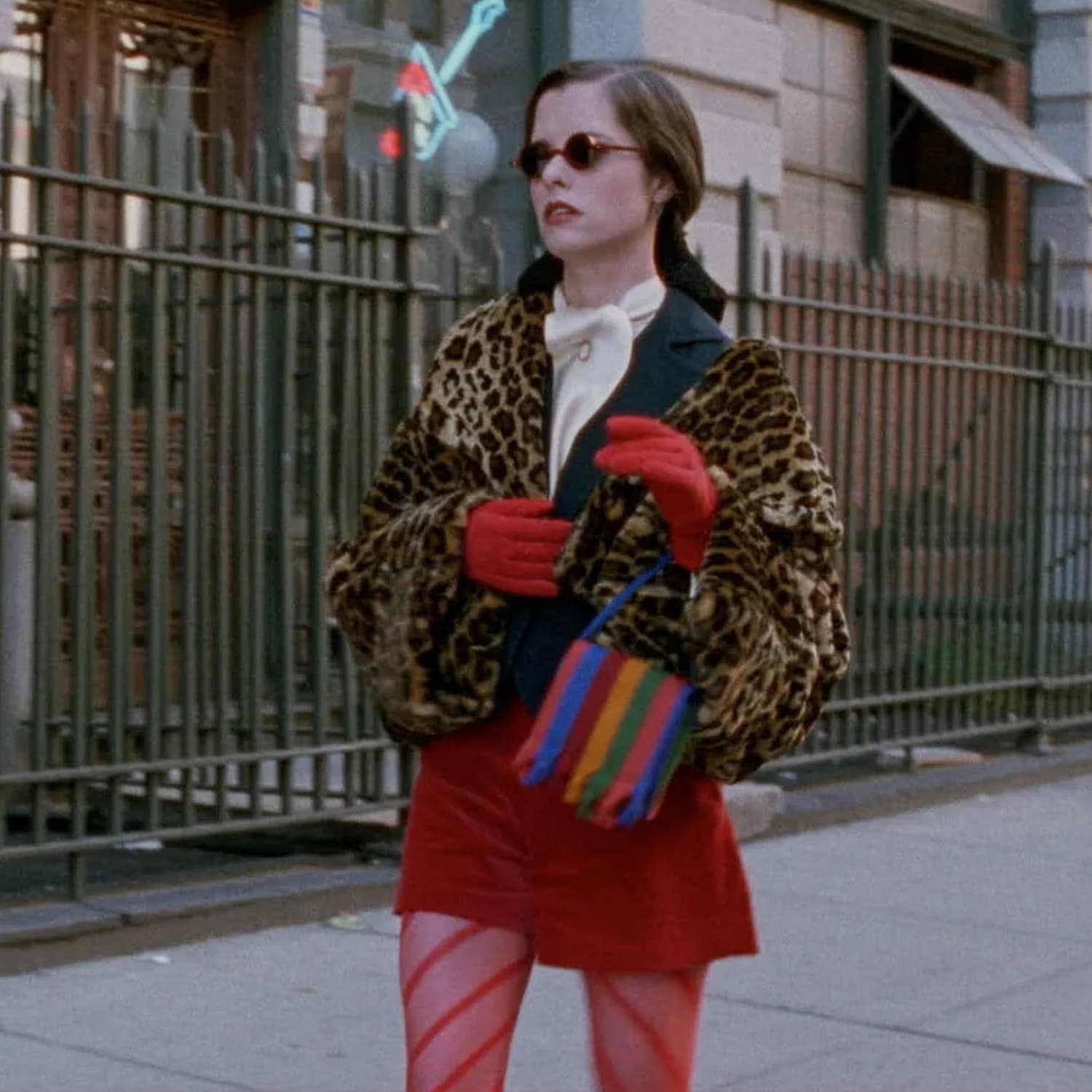
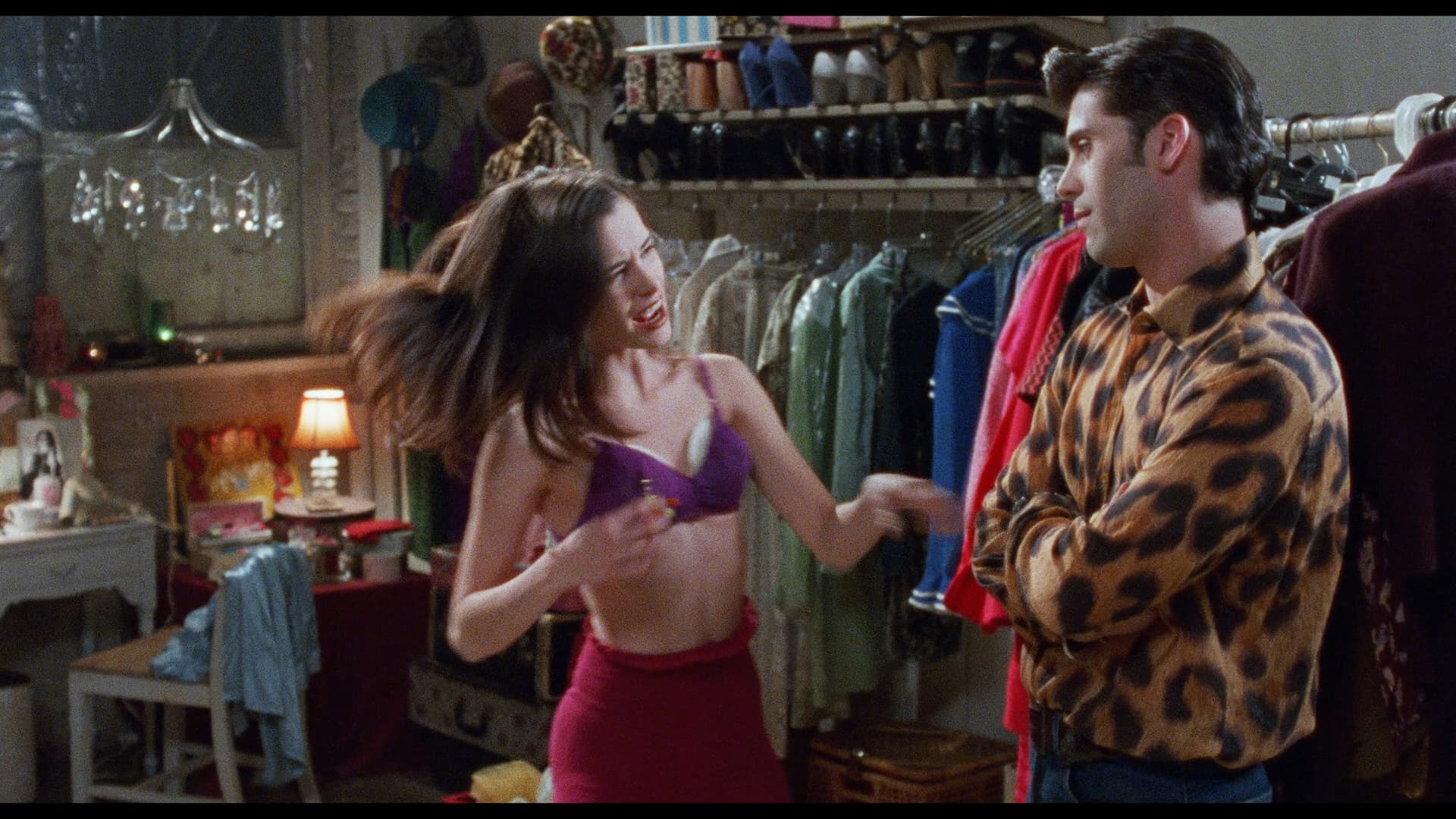
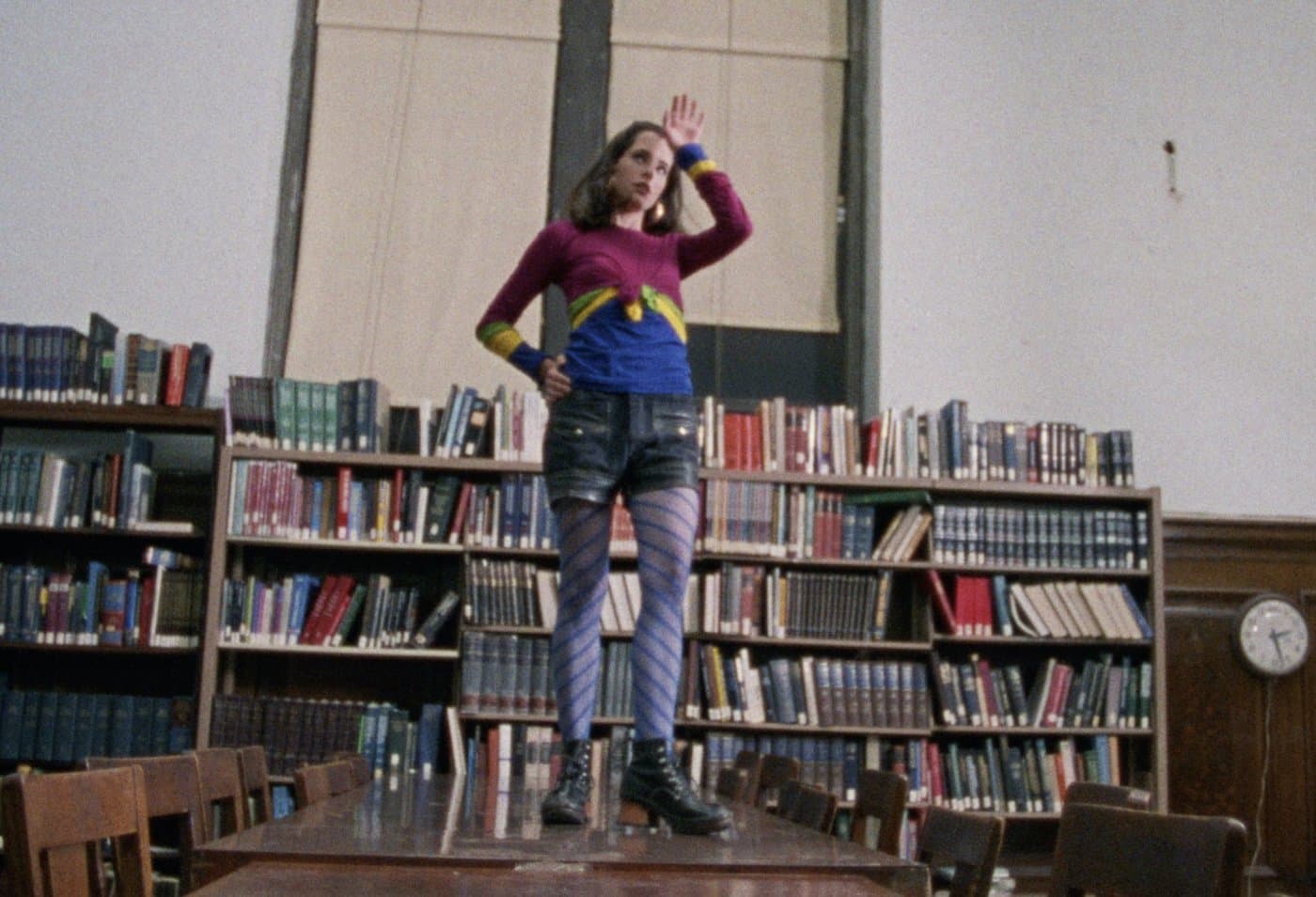
Indeed, it’s hard to talk about this film without dissecting the fashion, which feels both visionary and quintessentially Nineties. I challenge even the most sartorially unbothered person in your viewing party to go uncharmed by Mary’s outfits. Her wardrobe is a revolving door of thrills comprising rhinestones, primary colours, huge hoop earrings and a pair of blue-satin opera gloves. Even your dad will probably say things like “wow” or “your mum used to wear shorts like those”.
“What could a fur coat over a pair of purple tights be trying to say, except for, ‘I just came from the library, and I’m on my way to the club’?”
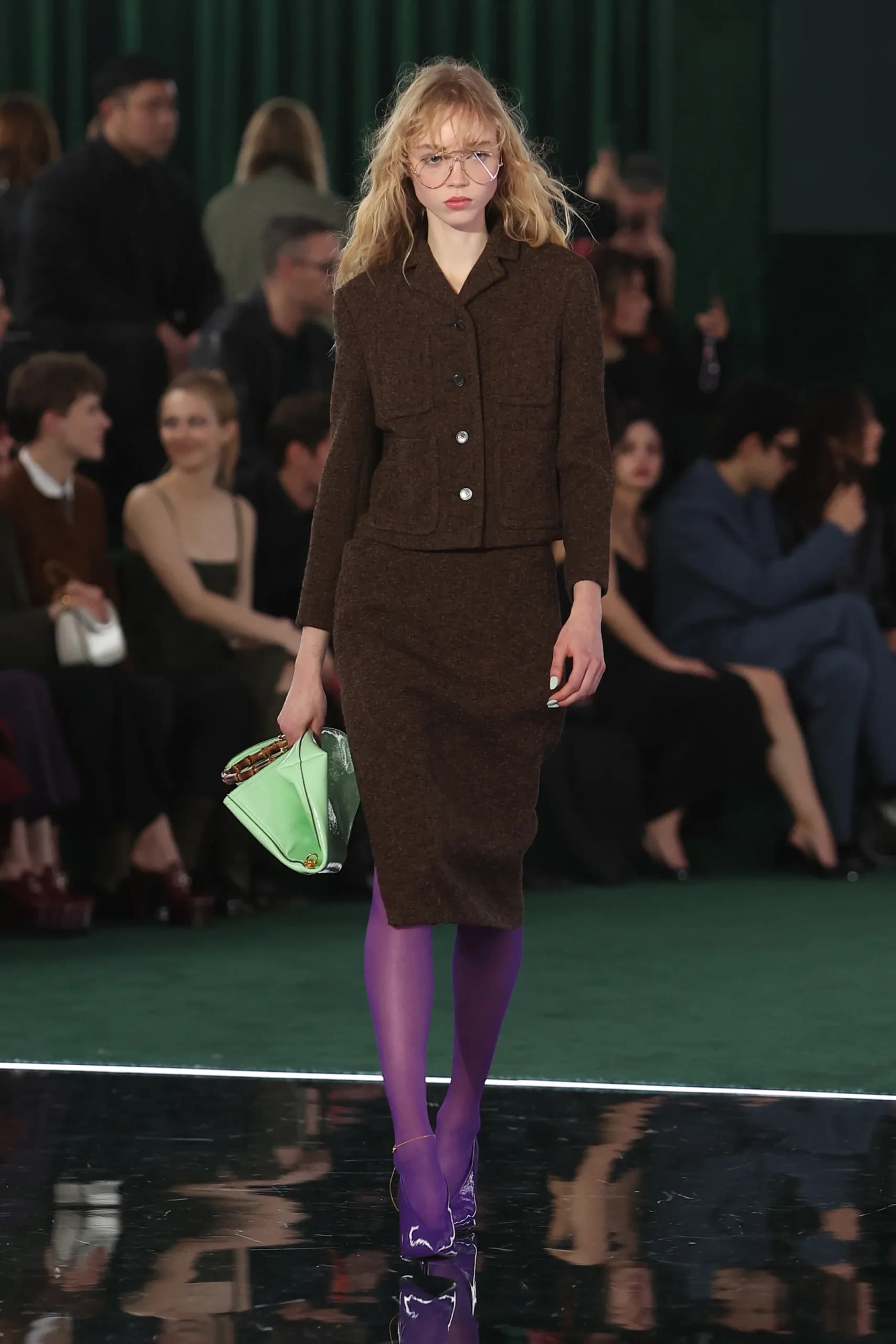
At Gucci’s AW25 show, models came down the runway in neon colours and lacy lingerie, paired with buttoned-up tweed suits, glasses and prim accessories. What could a pink-latex skirt suit, or a fur coat over a pair of purple tights be trying to say, except for “I just came from the library, and I’m on my way to the club”? The Italian fashion house simply captured the essence of Party Girl.
The fact the film continues to influence fashion and culture is even more impressive when you consider Michael Clancy designed its costumes on a shoe-string budget. He did this by begging designers for cast-offs, borrowing vintage pieces and stealing from Posey’s own closet. In her bid to secure the lead, she told Daisy von Scherler Mayer, the director and co-writer, that she had “eighty pairs of shoes, I have to play this part!”
The fact the film continues to influence fashion and culture is even more impressive when you consider Michael Clancy designed its costumes on a shoe-string budget. He did this by begging designers for cast-offs, borrowing vintage pieces and stealing from Posey’s own closet. In her bid to secure the lead, she told Daisy von Scherler Mayer, the director and co-writer, that she had “eighty pairs of shoes, I have to play this part!”
And play this part she did; Mary is perhaps the actor’s most memorable role, one that joyfully places Posey — who has often been relegated to “quirky friend” or “abrasive girlfriend” — front and centre. It’s hard to imagine anyone else playing this heroine, who is pulled between such different worlds. Posey is in her element as the couture-clad rave ringleader, voguing with drag queens and taking “a nice, powerful, mind-altering substance, preferably one that will make my unborn children grow gills”. She’s similarly good at communicating emotional depth and determination, and, while it shouldn’t be a shock that a girl who parties can also do things like master library science and fall in love, the tension between these poles of womanhood is as much a hot topic now as it was in 1995.
Take, for example, Charli xcx. One of the key themes of Brat is internal struggle: a life of partying versus a desire to raise a family; maintaining a vapid cool-girl image while wanting to be taken seriously; a coke-fuelled god complex that doesn’t quite mask a sea of insecurities. These concerns are mirrored in the singer’s personal life and career. After she released what was received as the going-out album of the decade, she got married, took charge of the soundtrack for the film adaptation of a literary classic, and started a Substack. She’s far from the only It-girl to cross into lit-girl territory, planning to balance nightlife with daycare, but she serves as our most famous female reveller, navigating these obstacles very publicly and in real time.
“You regress into a spoilt and bratty version of yourself, but beneath that is a desire for connection.”
It’s fitting, then, that Charli revealed the 1995 film inspired the album, and that the words “party girl” appeared in her lyrics, as well as on a T-shirt she wore for her Boiler Room DJ set.Perhaps this goes some way towards explaining the appeal of both Charli and Mary; for all their edgy humour and performative confidence, they have a soft and earnest centre. Perhaps Party Girl just evokes the experience of being in your twenties. Or, maybe, it’s akin to the feeling of coming home for a family Christmas. Yes, you regress into a spoilt and bratty version of yourself, but beneath that is a desire for connection. And a desire to wear nice outfits and read books. What could be more festive than that?
- WriterDaniella Parete Clarke
- ImagesStills from Party Girl