Liam Oh rejects the manosphere
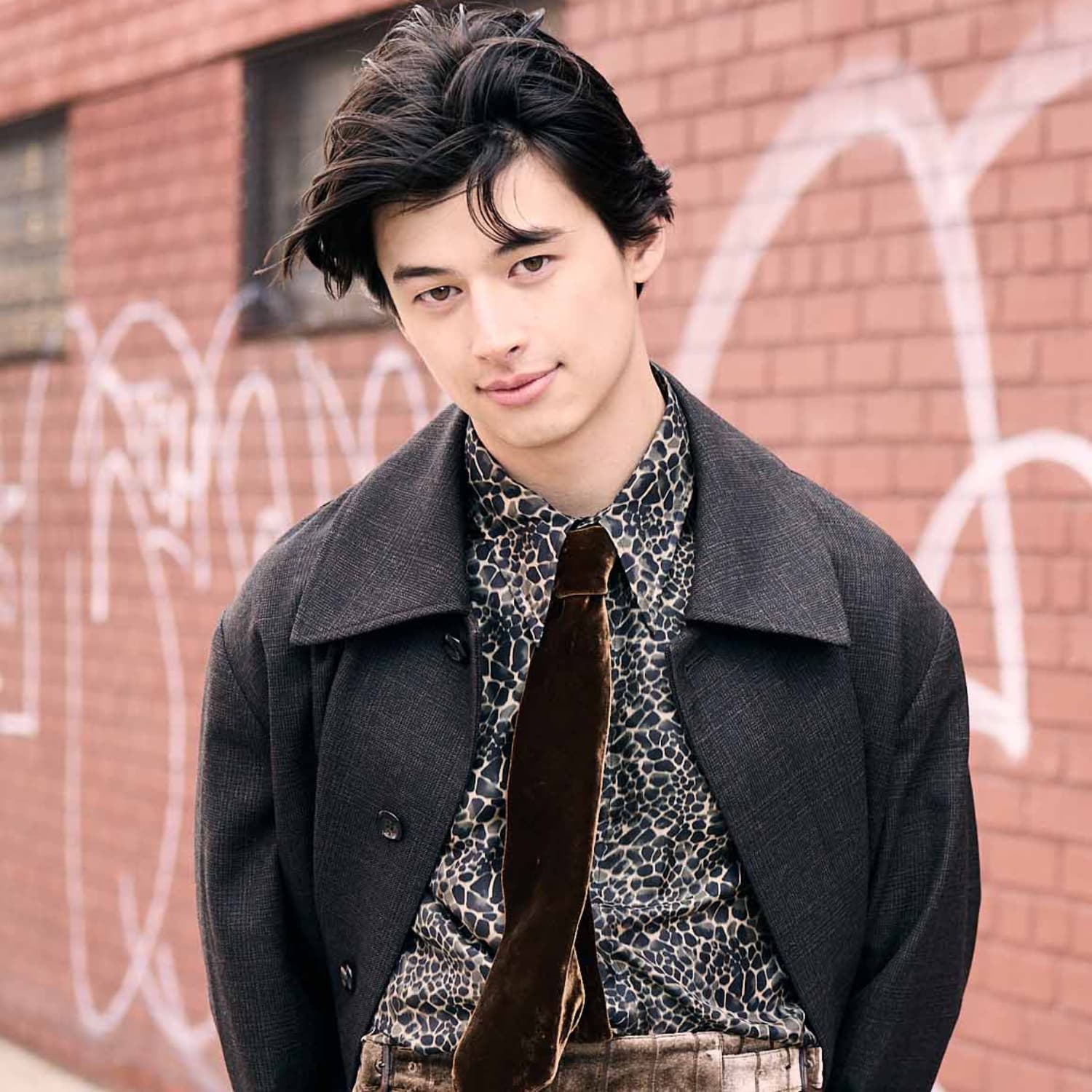
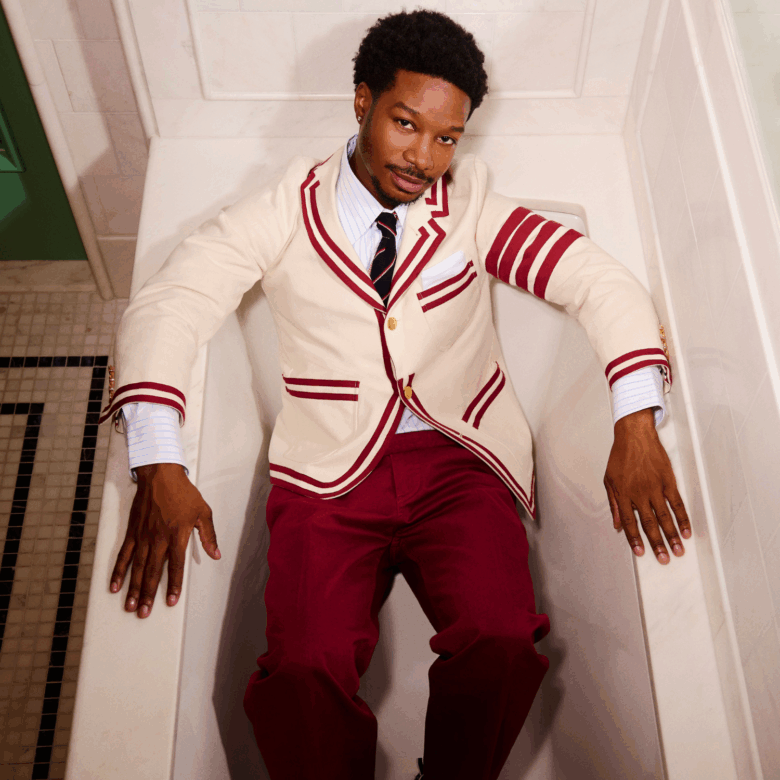
Liam Oh fits every stereotype of the New York City transplant. Originally from the small town of Wilmette, Illinois, the actor phones in from his Brooklyn apartment, carving out time between walking his golden retriever, throwing clay at his weekly Wednesday pottery class and filming self-tapes. “I’m an unemployed actor at the moment, so I’ve got to find a job,” he says, laughing with disarming candour. Let’s just say, with his effortlessly in-the-know charm — the kind that could only belong to a Gen-Z Brooklynite — he definitely owns a Trader Joe’s tote bag.
Oh, who originally trained in musical theatre, recently made his television debut in the Netflix series Boots. The show, a military coming-of-age drama, follows a gay teenager, Cameron Cope, navigating the Marines in the nineties — a time when being openly gay in the military was still illegal. Oh plays Cameron’s straight best friend, Ray McCaffey. “The Pentagon said the show was ‘woke garbage’,” he laughs with an unmistakable pride. “So I think we’re hitting a nail on something.” Clearly, the actor is vehemently against the notion of ‘toxic masculinity’. “People think that’s a controversial term now, but it just exists,” he notes, becoming notably animated. “I think it’s really important — I really fucking reject the manosphere side of things,” he tells me.
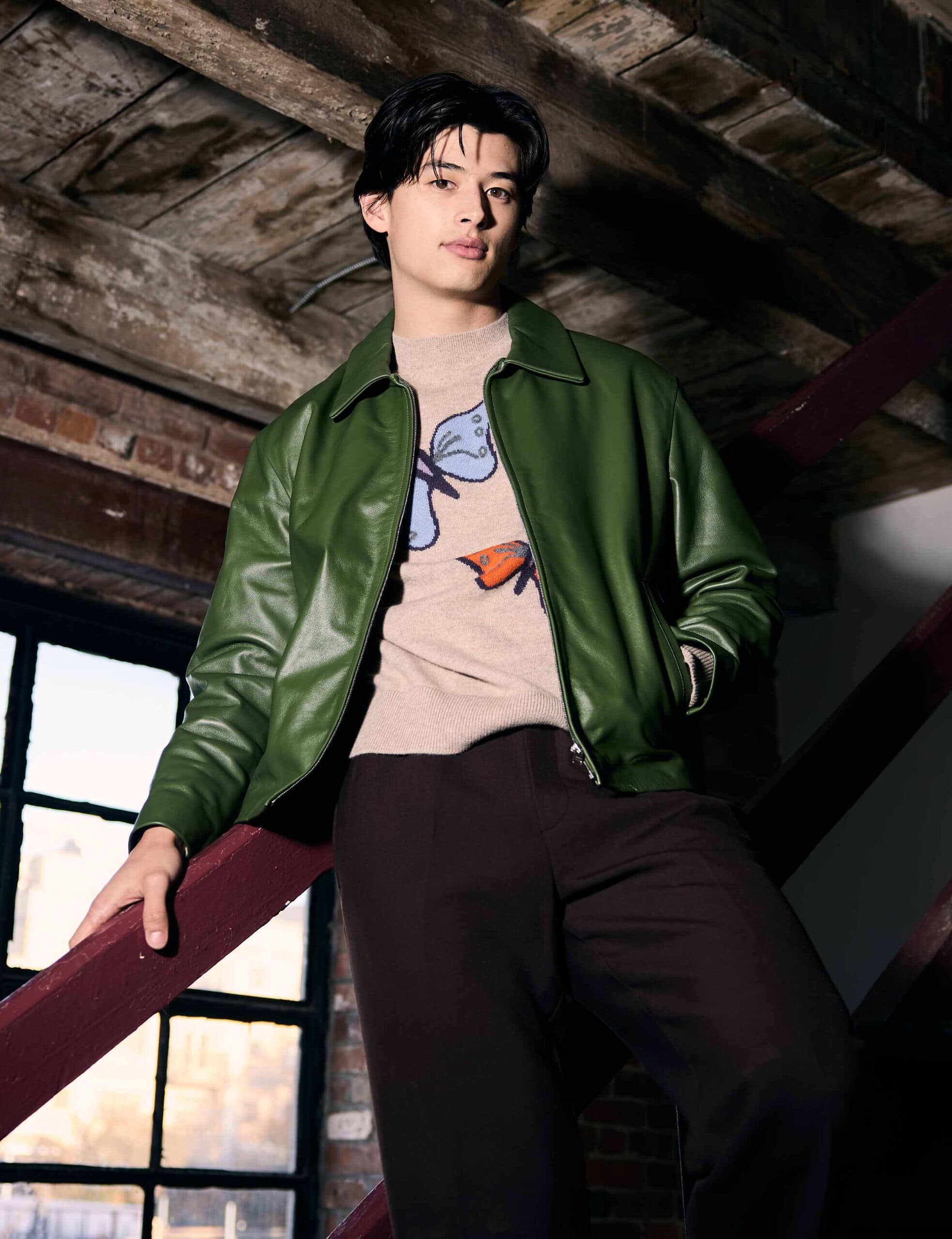
Like his character, Oh is evidently layered. He’s instantly kind and open, showing me his apartment, his dog and chatting about his morning within the first five minutes of the call. Yet, it’s evident that the actor is still grappling with the weirdness of his newfound fame. “It’s been a little overwhelming at times, but it’s mostly been good,” he says. One facet of that is his relationship with social media — something he hates but can’t quite escape. “I’ve never been a huge social media user,” he admits nervously, “but it’s part of my job right now.” When it comes to social media, authenticity is universally slippery. Everyone’s performing something. But with Oh, what you see is both exactly what meets the eye — and not at all. In other words, Liam Oh is just human.
Hanna McNeila: Boots is your TV debut. What inspired you to start acting?
Liam Oh: It’s probably because of my oldest brother. He started acting first, doing local children’s theatre. I think you idolise your oldest brother — whatever he’s doing, you end up wanting to do. When I was about five years old, I saw him in a community theatre production of Peter Pan. They actually got rigging and put him in a harness, with the dads backstage pulling on ropes. I saw my brother fly. I think that was it, you know. I genuinely think that moment was this, kind of, real magic that I’ve kept trying to access. In some ways, I’ve just been trying to get back to what that felt like for the next twenty years of my life. So really, I blame Peter Pan.
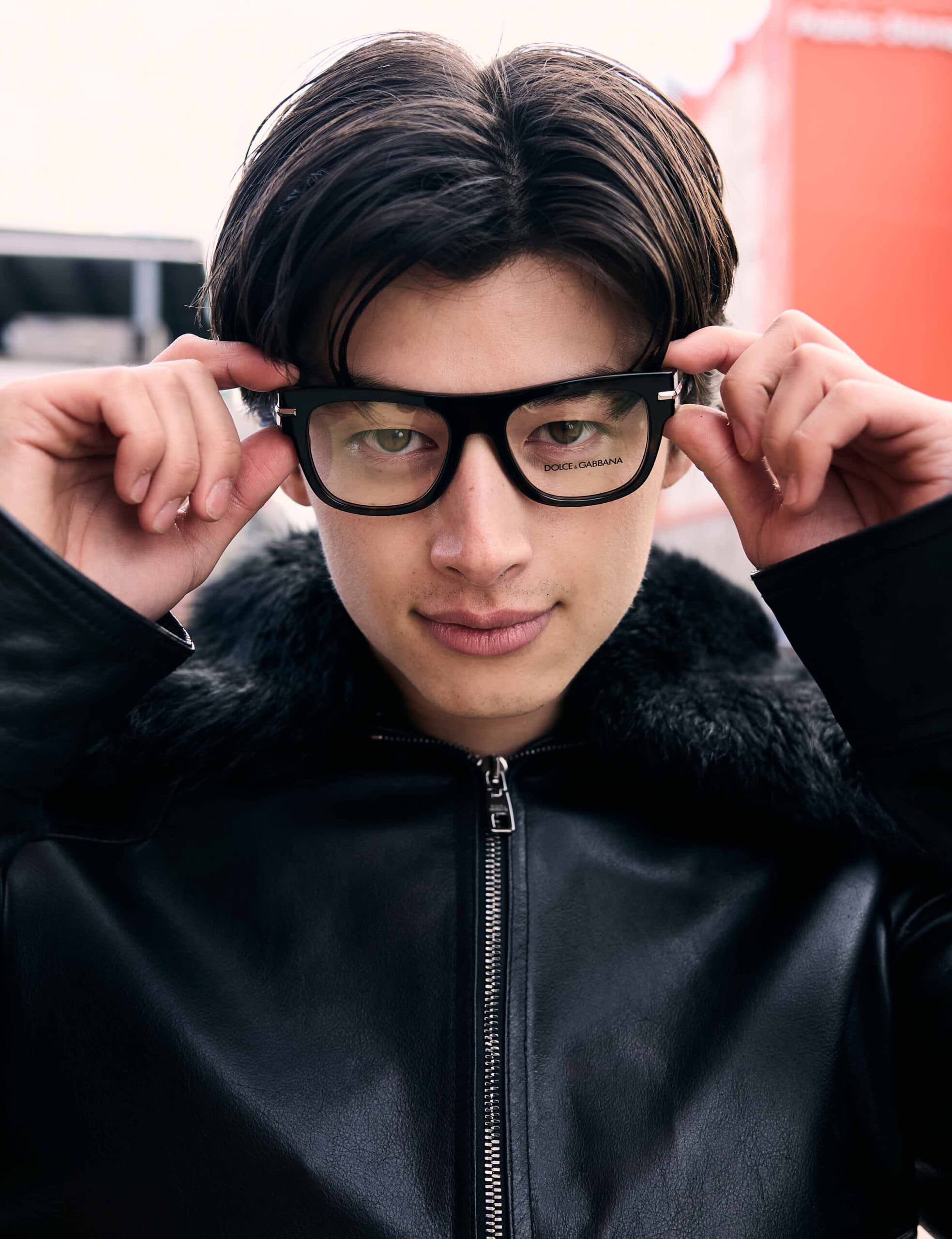
HM: You were in the theatre before your foray into television. How was that transition from stage to screen?
LO: It was a little mad in some ways, because I didn’t have a lot of prep time for [Boots]. Between getting the job and starting production, I had about three days to move from Chicago to New Orleans. Honestly, I was just kind of faking it from the beginning. For the first couple of episodes, I pretended I knew what I was doing and hoped no one noticed. It was a lot of learning on the job. People think there is a huge difference between film and theatre acting, and what I found is that the differences are a lot smaller than you think. Ultimately, the core of the job is the same — you’re just trying to tell the truth.
“I really fucking reject the manosphere side of things.”
HM: With the rise of the manosphere and toxic masculinity creeping back into our cultural conversations, Boots shows a complex representation of what it is to be a man. How did you approach portraying masculinity through Ray?
LO: I think what Boots does really well is show the breadth and range of what it means to be a man — that it’s not a monolith. We’re all dealing, in different ways, with the roles and expectations placed on us. Some people fight back, some people buy into it, and it destroys a lot of people. What I loved about the show is that it offers a softer view of masculinity — one where softness doesn’t equate to weakness. People think that toxic masculinity is a controversial word now, but it just exists. Ray rejects that premise entirely — you can be soft, kind and empathetic, and still be strong and masculine. I really reject the fucking manosphere side of things — but I do think the men drawn to that world often feel like they don’t belong anywhere. They think it’s a false choice — you’re either a soft, liberal, artsy guy or a hardline alt-right dude, and there’s no middle ground. A lot of men don’t fit either and feel alienated. That’s dangerous. So we need portrayals of men who offer another way forward.
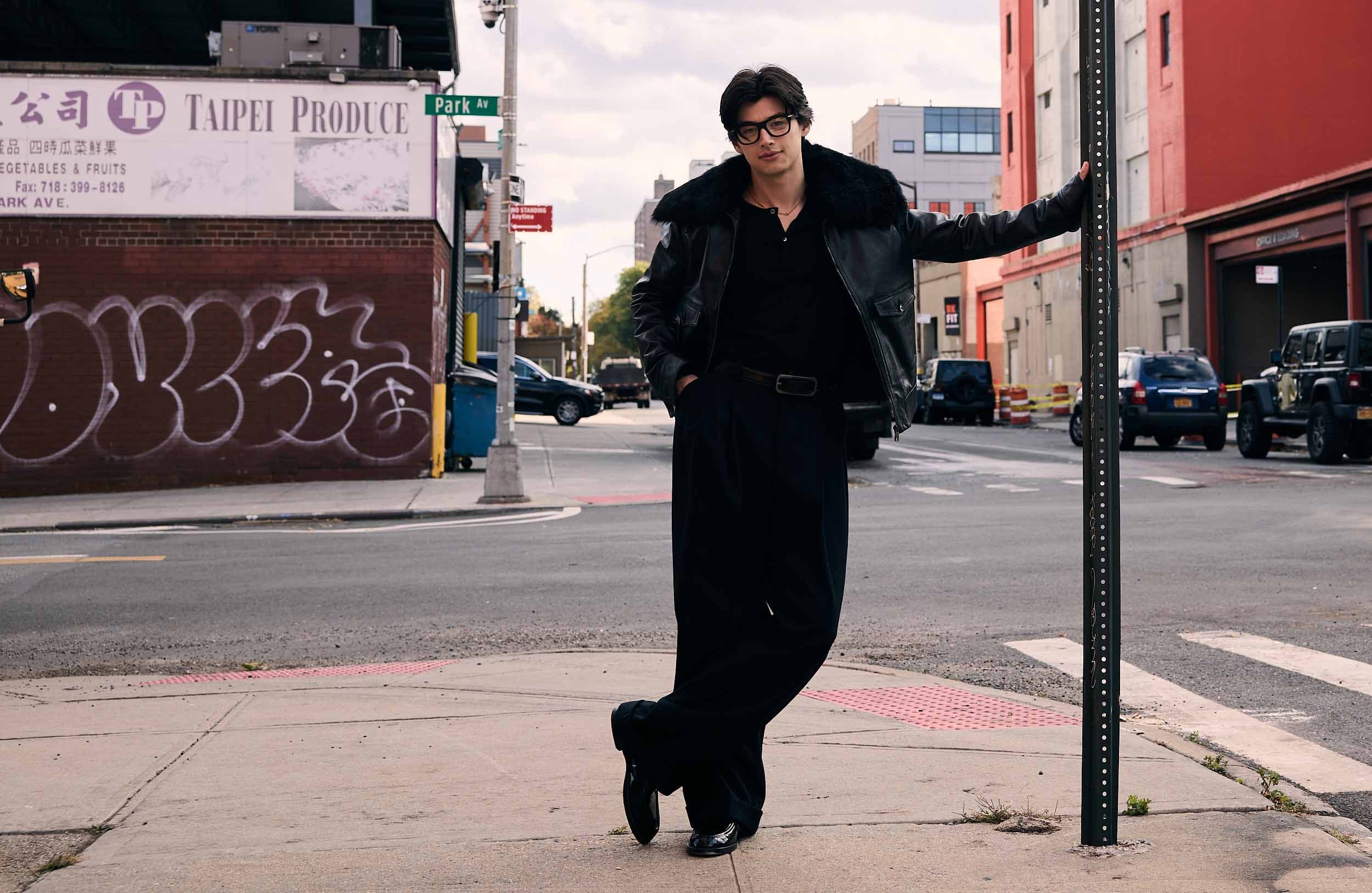
HM: So really, the show couldn’t have come at a better time for showing a complex portrayal of masculinity.
LO: Well, hey, the Pentagon said we’re ‘woke garbage’. I think we’re hitting a nail on something.
“I pretended I knew what I was doing and hoped no one noticed.”
HM: How have you found the response to the show?
LO: I’m someone who chronically keeps my expectations low so they can be exceeded. I told myself it would drop, a few people would watch, then it would disappear. That didn’t happen. The response has exceeded my wildest dreams — especially considering it’s my first time doing something like this. It’s been a little overwhelming at times, but mostly wonderful and meaningful. Seeing people respond to something you made, it’s really touching. Sure, people can be crazy on the internet but luckily, I can just turn off my phone. Ninety-five percent of it has been lovely, kind, cool people. With that being said, I’m looking forward to deleting Instagram in a month — I just need it off my phone for a bit. I’ve never been a huge social media user, but right now it’s part of the job. Still — I hate it.
HM: In terms of what’s next, what do you want to do?
LO: I want to get back to theatre. I really miss it. I haven’t done a play since that one I was doing when I got Boots, almost two years ago. That’s the longest I’ve ever gone without doing a play. Theatre is my artistic home, and I think it always will be.
HM: Do you see yourself continuing with TV and film as well?
LO: Absolutely, yes. I fell in love with the process. I’ve always been a huge movie nerd. I love it. There’s a different kind of magic to it. But it’s a challenge and I’m still learning. I watch some of Boots and think, Man, that’s not great, because it was my first time. I just want to keep getting better.
HM: Are there any dream projects or people you’d love to work with?
LO: I think, for me, it’s about directors and individual artists rather than dream roles. I mean, maybe this is me shooting my shot, but Yorgos Lanthimos is one of my all-time favourite directors. I’d love to work with him someday.
HM: Okay, last question, what are your plans for the rest of the day?
LO: I’m going to my pottery class, which I have every Wednesday. Then I’ve got to shoot a self-tape — because, you know, I’m an unemployed actor at the moment. I’ve got to find a job.
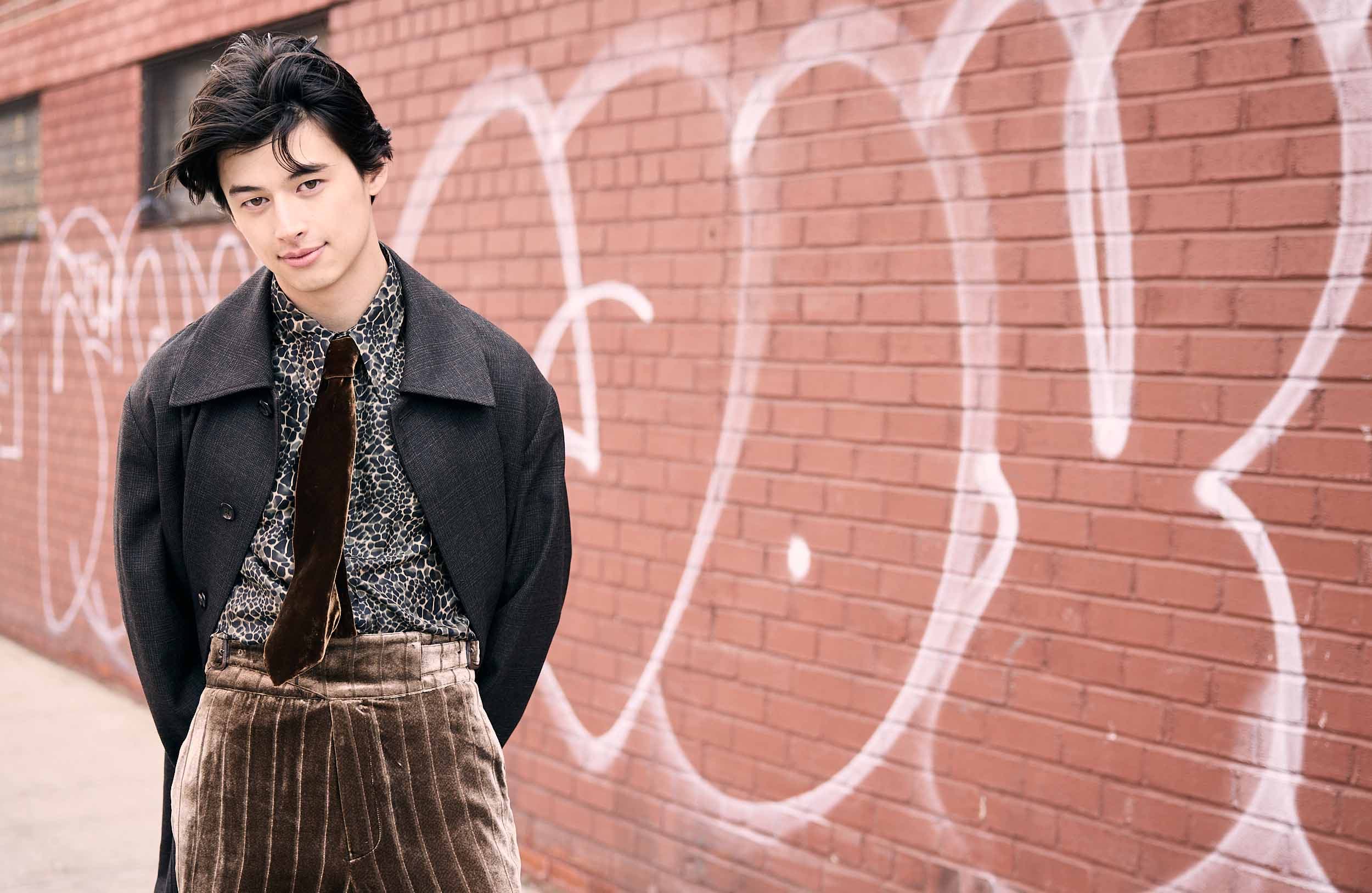
- PhotographerJordan Rossi
- StylistJake Sokoloff at Forward Artists
- WriterHanna McNeila
- GroomerMelissa DeZarate at A-Frame Agency using CAUDALIE
- Photographer's AssistantCecilie Mengel
- ProducerPru Ainslie
- RetouchingAlice Constance