Jessica Henwick is dreaming small

Jessica Henwick has spent years in worlds of dragons and spaceships, but off-screen, she’s been learning a different kind of craft: how to dream small. Catching the actor proves tricky, but her shoot for HUNGER Issue 38 wraps early, so we meet last-minute over Zoom, Henwick logging in from our London studio, AirPods in and dressed head to toe in blue. With no time to spare, we jump straight in. I ask if she always knew she wanted to act. Henwick smiles, leaning in. “I knew I wanted to tell stories but I wanted to be a writer before I wanted to be an actor,” she says. “I always wanted to entertain, to engage, to express emotion.” Acting simply arrived first. Since then, Henwick has built a career that spans global franchises and indie films alike, from Game of Thrones to The Matrix Resurrections, and most recently, Apple TV+’s Silo. For a self-professed nerd who grew up obsessed with fantasy and sci-fi, it’s been a surreal trajectory. “I can’t complain,” she says. “What a privilege.” But privilege doesn’t exempt you from pressure. In How to Make a Killing — her latest A24 black comedy thriller, where she stars opposite Glenn Powell — Henwick plays Ruth, a woman who challenges the “dream big” mantra. One line in particular lodged itself under her skin: “No one teaches you how to dream small”. “That really struck me,” the actor says, looking out of the window. “It speaks to something I’m seeing in my friends and even personally.”


As her career has progressed, as has Henwick’s perspective on success. “It’s one thing to do well for your parents and fulfil the dreams they have for you, but I’m reaching a stage where I don’t want to work for the sake of working,” she says. “I want to pursue joy. I want to be content. It can get really easy to get caught up in the noise of the business, rather than focusing on the craft.” Actors are conditioned to chase the bigger role, the better billing, the next franchise. “If you say no, then someone new is going to come and take it,” she recalls thinking, evoking a former mentality she has fallen prey to too many times before. It would see her moving from job to job, towards opportunity and, sometimes, away from her problems. It’s the perfect time for a POV shift, too. Henwick notes that this is the Year of the Fire Horse — a year for taking risks, being bold and moving forward. It’s no longer about the numbers, the auditions, the bookings or the size of the role, and no longer something she views so clinically. “Success to me is: am I happy? Am I healthy? Am I able to sustain a good relationship with my family and friends?” the actor says. “I don’t want to lose myself so completely that six months go by and I realise I haven’t done anything for myself.”

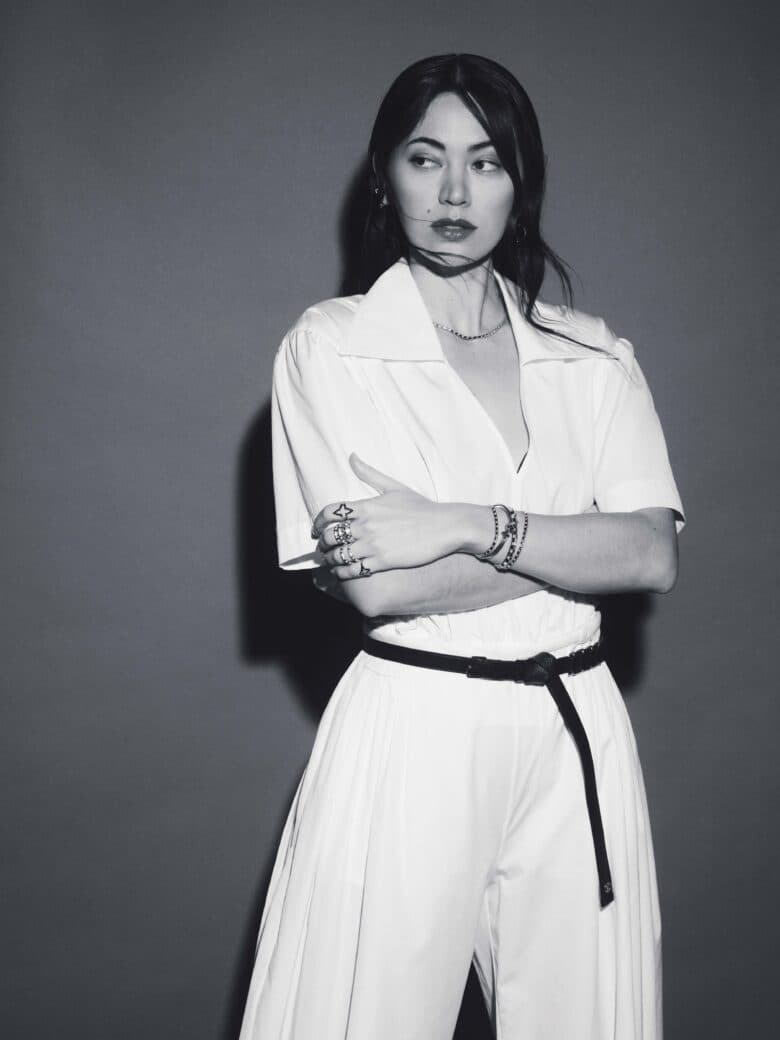

That recalibration doesn’t mean the fire’s gone out. If anything, it’s burning brighter than ever. On screen, Henwick is still drawn to characters wrestling with difficult, defining choices. In How to Make a Killing, Ruth, who trades her glittering childhood ambition for a more fulfilling career as an English Literature teacher, serves as the emotional anchor — a steady presence amid the chaos. Playing her demanded a different kind of discipline. “Honestly, it was a challenge being on a set where everyone gets to play these larger- than-life characters,” Henwick admits. “Your instinct is to go, ‘That looks like so much fun, I want to do that’. But I had to remind myself the only reason those crazy, wacky choices work is because someone has to stay grounded.” Ruth had to be recognisable, real and relatable. “I needed the audience to empathise with her. To root for Beckett [Powell] and Ruth to get together, even though she has no money, isn’t glamorous and isn’t living the life we’re told we should want,” Henwick explains. “You still have to get behind them and want him to realise that life is more than just a get-rich-quick scheme.”
“No one teaches you how to dream small.”
In Powell, Henwick found a collaborator equally devoted to the craft. The two workshopped scenes extensively, sometimes rewriting lines to ensure Ruth never tipped into cliché. “You don’t want her to seem boring, dumb or like a goody-goody,” the actor says. “She still has to feel alive, to have her own flaws and failings. I feel really privileged to have worked with a director and lead actor willing to collaborate at that level.” Henwick was also struck by Powell’s disciplined, almost scientific approach to their shared profession, from meticulously organised meal plans and pre-planned routines to a refusal to “fuck around” on set. “He lives and breathes entertainment,” she says, recalling echoes of her younger self in Powell’s relentlessness. “I used to be like that. But similarly to Ruth, I think I’m in a transition phase now.”


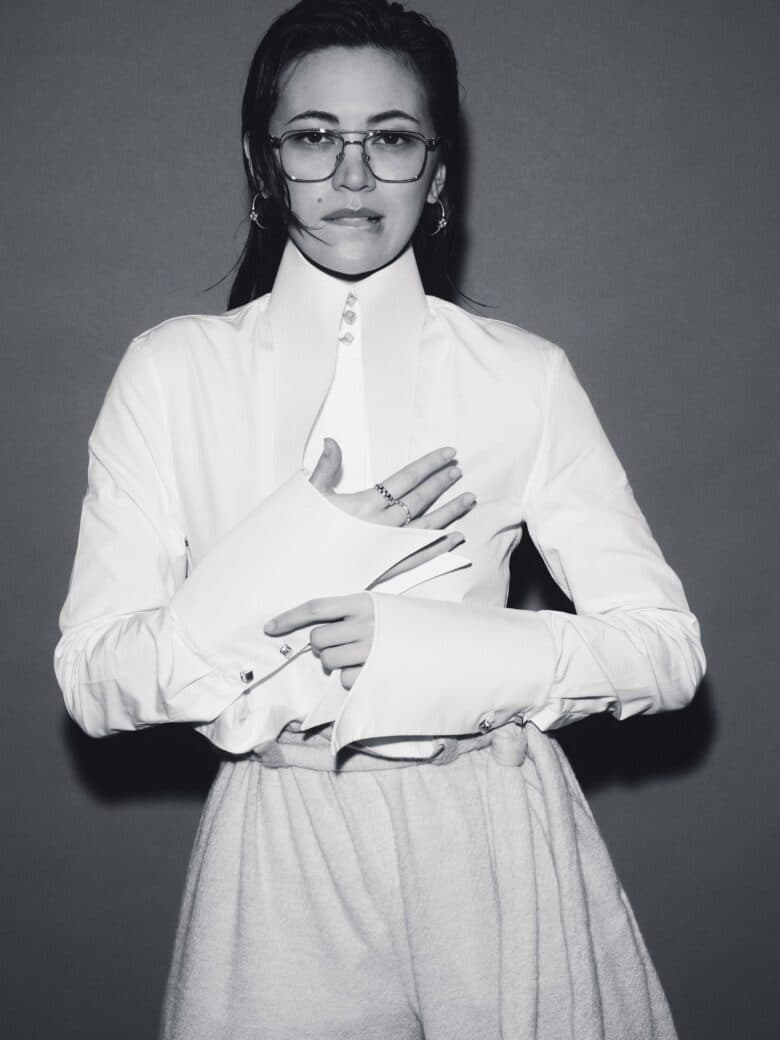
Henwick has also explored directing through observation, shadowing filmmakers such as Rian Johnson. She notes how observing different styles has helped her refine her own approach. “At the end of the day, you naturally develop your own language and style,” she says. After directing two short films, she realised that meticulous preparation is key to creative freedom on set, much like Powell’s disciplined approach to acting. “I guess I direct the way he acts,” she says. Looking ahead, Henwick is focused on getting her debut directorial feature funded. She is drawn to character-driven stories, often centering on complex, nuanced portrayals of women. And there’s one she’s particularly honing in on. “Because I’m trying to get funding right now, I don’t want to show my hand too early,” she says, “but it’s a story about obsession and addiction, and it’s about two women.”
“I knew I wanted to tell stories but I wanted to be a writer before I wanted to be an actor.”
Although directing has become a passion, Henwick isn’t stepping away from acting anytime soon. Her upcoming projects include Vladimir, a Netflix limited series opposite Rachel Weisz, and Silo season three. “I read the first episode of Vladimir and immediately had to read the book,” she says. “Julia [May Jones] is such a talented writer, and it’s rare to see a story about a middle-aged woman, especially one who’s prickly and unlikable.” Henwick, who has made a point of working with emerging female creators, saw the project as a natural fit. And she aligned with her character’s struggles just as much. “Cynthia is figuring out who she wants to be, taking it one day at a time,” the actor says. “I wasn’t in a great place last year, and really understood what she was going through, so it clicked.” However, Henwick admits the part almost slipped through her fingers. “I auditioned, and they initially said no. I didn’t seem like someone who would be depressed,” she explains. “But the funny thing was, I was definitely depressed when I made that tape. So I went home, clipped in a fake fringe, and did the tape again. Literally the next day, I got the offer.” The experience is proof that Henwick can take her career in her own hands, and navigate the profession on her own terms. The industry says dream bigger. Build louder. Move faster. Jessica Henwick is taking a different approach: what if ambition isn’t about doing more, but about doing what actually matters?
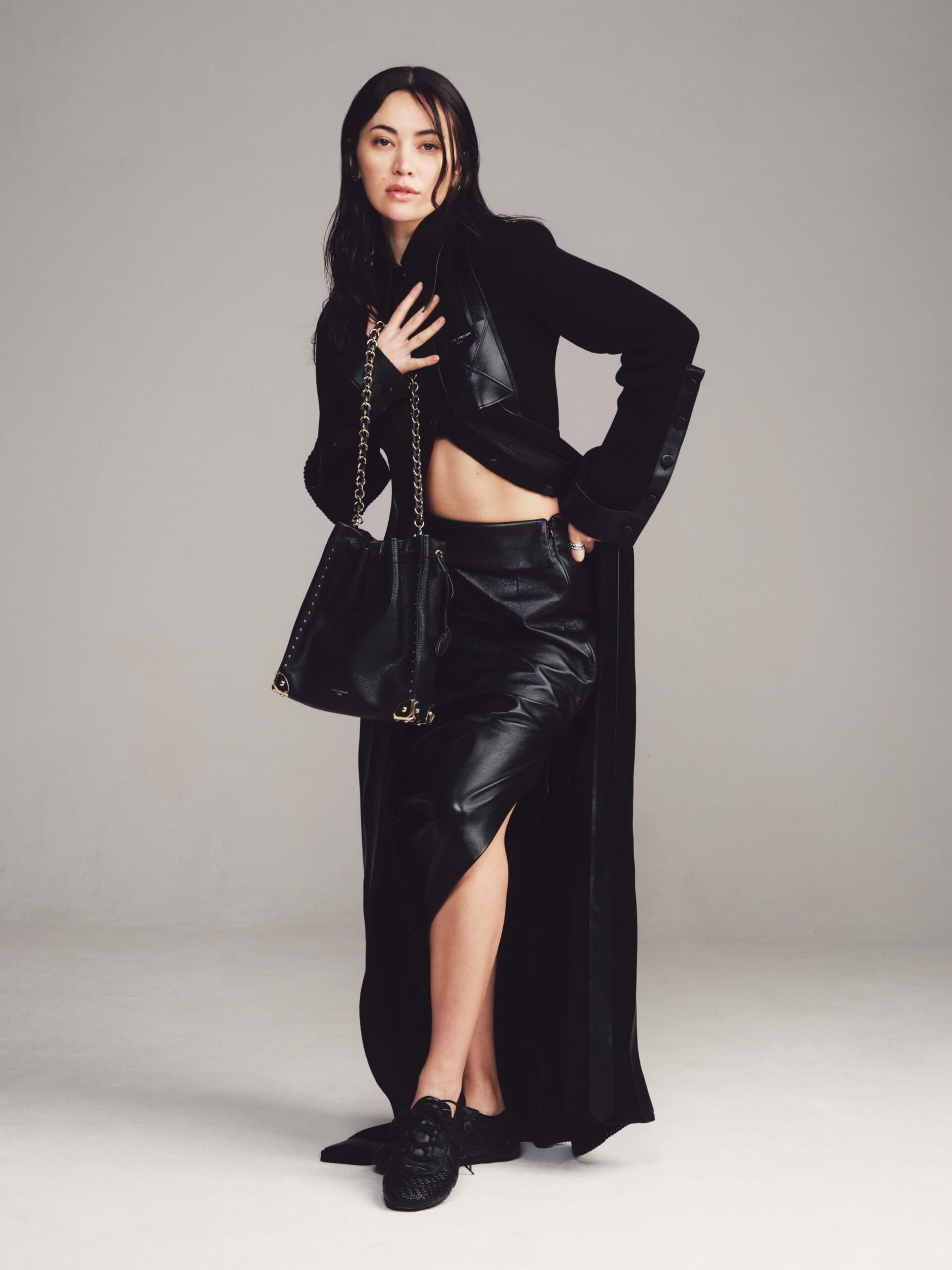
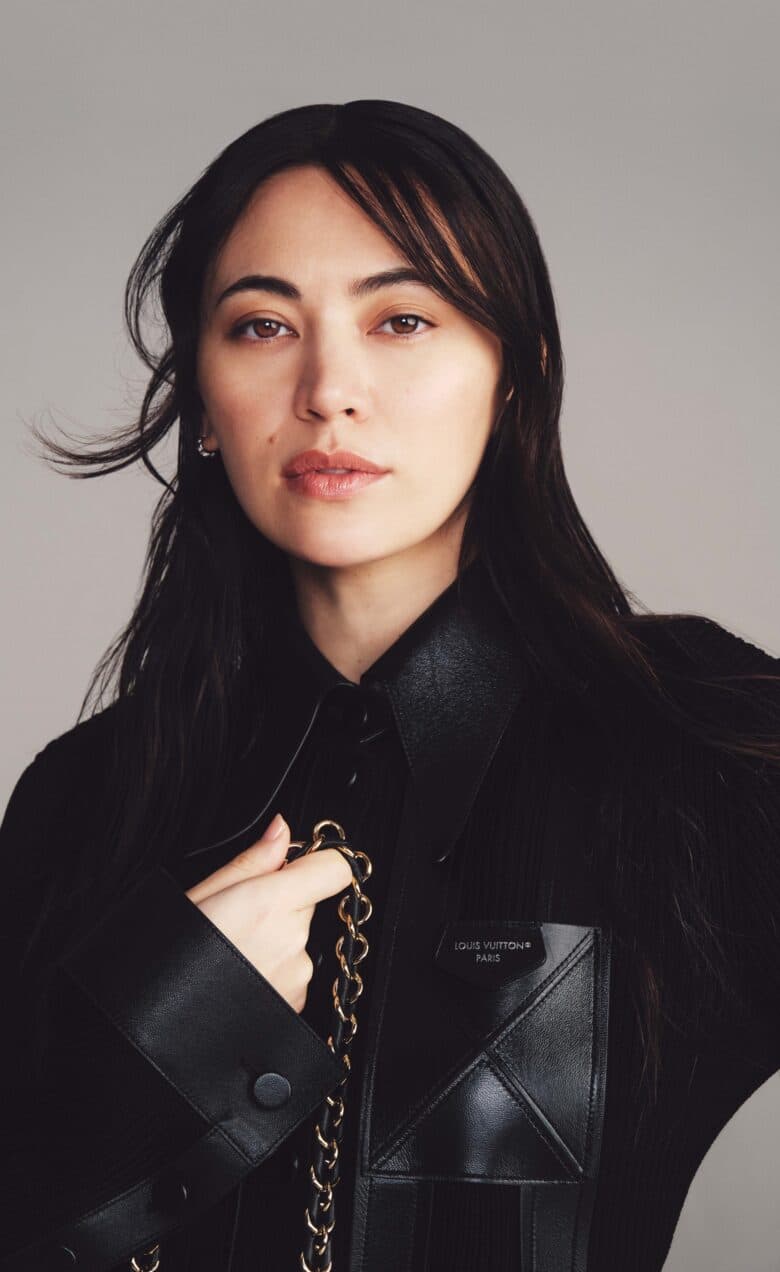

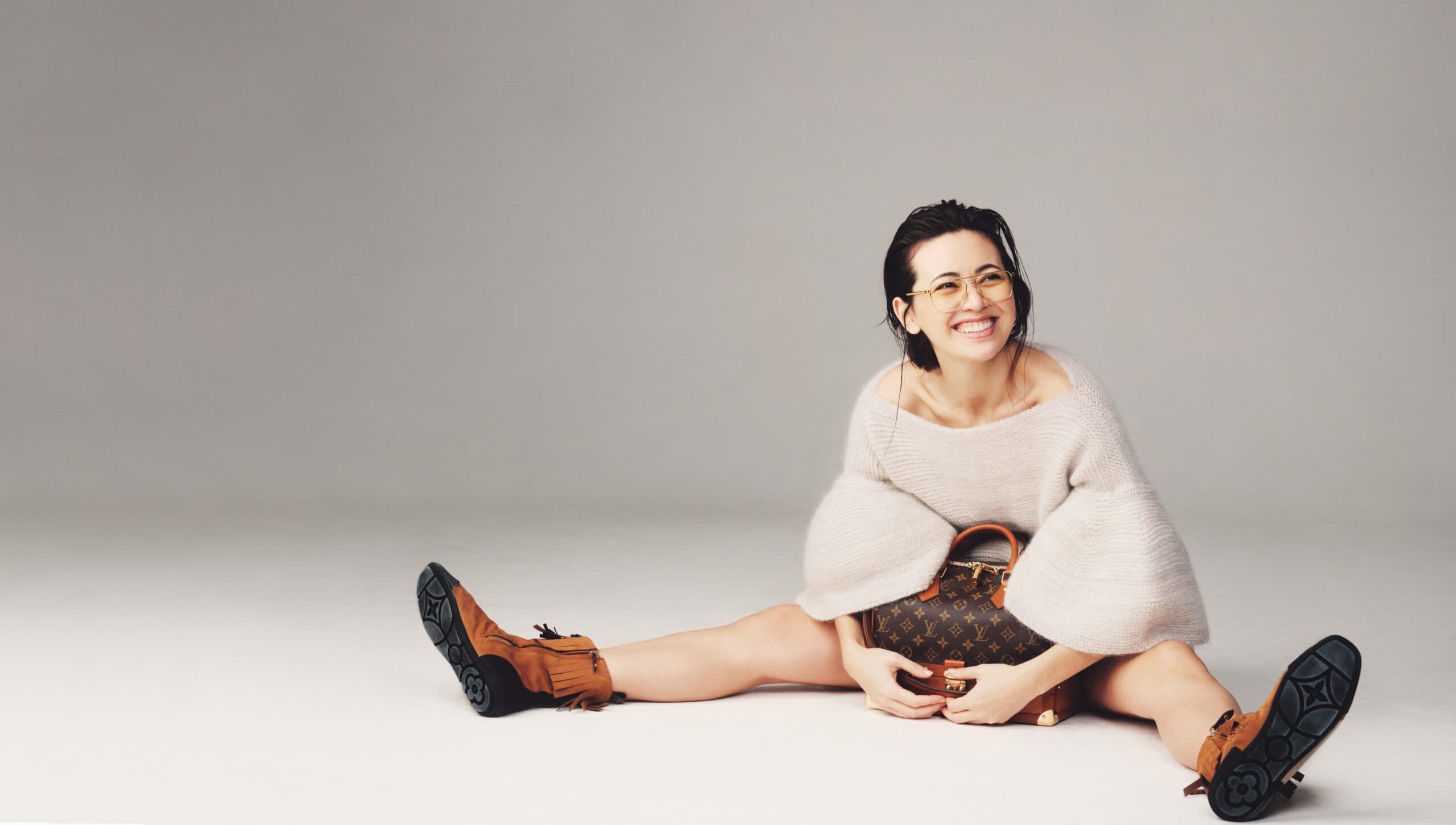
Clothing, shoes, bags and accessories by LOUIS VUITTON. All jewellery worn throughout by LOUIS VUITTON Fine Jewellery. Beauty throughout by La Beauté LOUIS VUITTON.
- PhotographerMark Cant
- StylistAnna Hughes-Chamberlain at The Wall Group
- WriterFlore Boitel
- Make-Up ArtistNicky Weir using La Beauté LOUIS VUITTON
- Hair StylistAlex Sarghe using SCHWARZKOPF Professional Session Label
- Photographer's AssistantTom Hunt-Smith
- RetouchingAlice Constance