Tim Roth’s payback
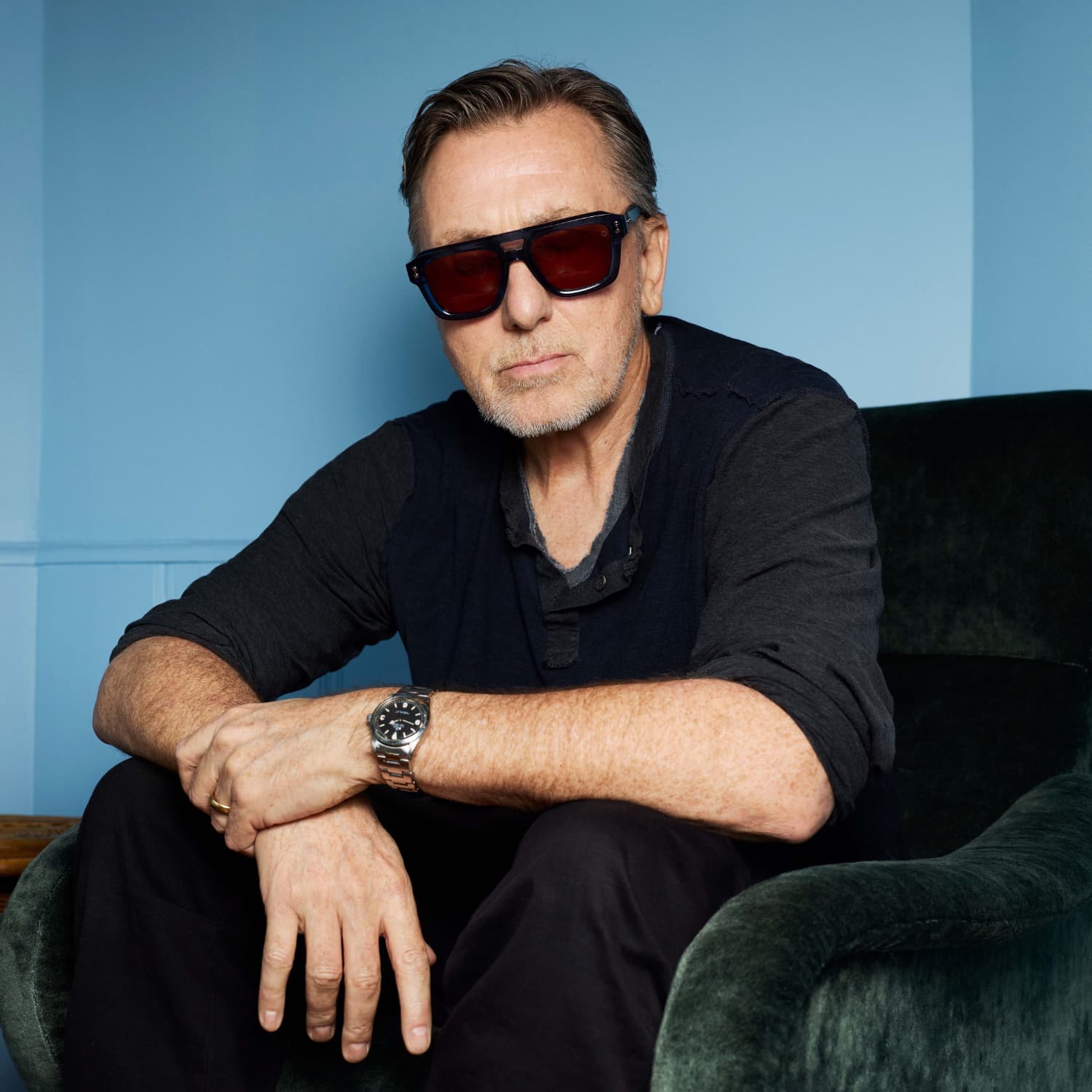
As Tim Roth is about to describe his character in Peaky Blinders: The Immortal Man, he pauses for a second, catching himself before he says the wrong thing, and then lands on the perfect wording. “Basically, he’s a Nazi,” he says, grinning. In the new film, set amidst the chaos of the Second World War, Roth plays Beckett, the Treasurer of the British Union of Fascists. With the atrocities of the war in mind, it would be easy to expect Roth’s inspiration for Beckett would come from the most evil people imaginable — but his actual waypoint was a little more unexpected. “‘Geography teacher’ came up a lot,” Roth says. “A nice guy, you know? Maybe you didn’t like his lessons, but you loved the guy.” Roth didn’t want to create a caricature of fascism — but, in a world where he was increasingly seeing that around him, he wanted to portray something closer to real life. “When I read it, I thought it’d be nice to play him as a gentle, very reasonable guy — which is how they come at you. Somebody who was recognisable as opposed to monstrous. And so, gradually, the monster is revealed.”
Playing the villain is no strange territory for Roth. “I’ve done them,” he laughs. “Those are the characters people remember.” Whether it’s in blockbusters like Tim Burton’s Planet of the Apes (where Roth plays a power-hungry chimpanzee general), or acclaimed dramas like Michael Caton-Jones’s Rob Roy (which sees him act as a foppish aristocrat), Roth has a knack for creating characters you can’t help but hate. And even when he’s playing nice, Roth will always bring a sense of lawlessness to his roles — one that makes you feel like even the good amongst us are a little grey. This specific energy has made Roth one of the most prominent character actors of his generation, and, unsurprisingly, directors love to work with him. After shooting with Quentin Tarantino on Reservoir Dogs, Roth returned to him with a request: “I’d like to work with Amanda [Plummer], as long as she’s got a really big fucking gun in her hand.” Tarantino’s response? “Done.” The director wrote the pair a double-handed role in Pulp Fiction, where they played the iconic Pumpkin and Honey Bunny.
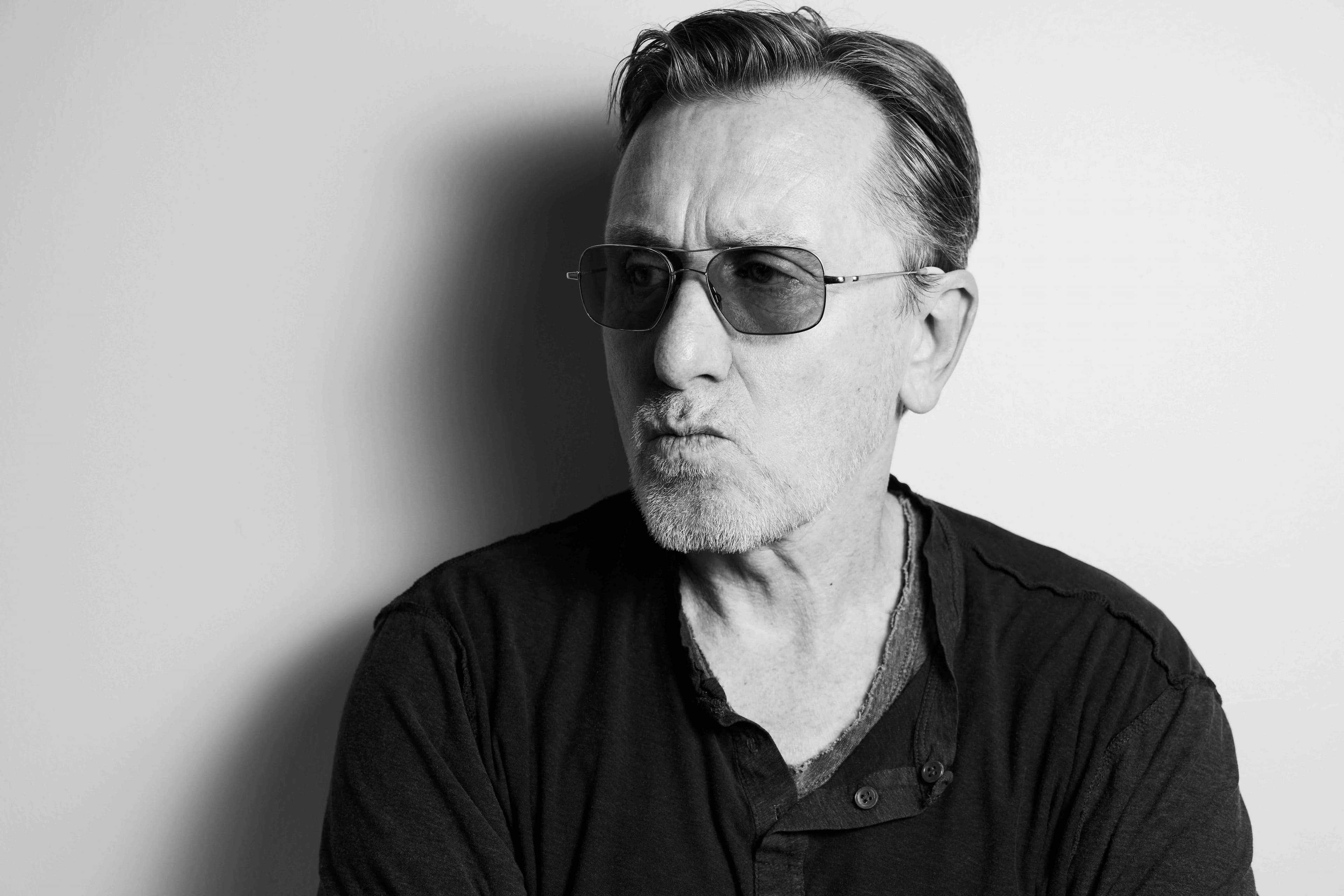
While acting as a villain has defined his on-screen life, the off-camera Tim Roth is a really nice guy. Speaking from his now home of California, the London-born actor is extremely laidback. He tells stories from the set of The Immortal Man with a clear fondness for the cast and the crew — from the wardrobe and set designers, to the lighting team and make-up artists. Roth is so easy-going that his choice to play the bad guy feels like a real decision, and for Roth it was — a karmic one. “When I’ve played skinheads or racists or whatever in the past, you know, I knew those kids. I used to get beaten up by them,” he laughs. Roth takes these experiences — getting into scraps with brutes or arguing with ignoramuses — and channels them into his understanding of his characters. He locates what these people think makes them powerful and plays it up — before ultimately revealing, in a masterful sleight-of-hand, what they truly are: bullies and cowards. “There’s a sense of revenge playing them,” Roth says gleefully, “And, you know, payback’s a bitch.”
“I said, ‘I wish my dad could see this’.”
Although he isn’t old enough to have encountered any real-life Nazis who could have informed his portrayal of Beckett — for Roth, the message is still personal. Roth was born in Dulwich, an area that straddles the London boroughs of Southwark and Lambeth, in 1961. Although South London was extremely diverse, intolerance was still rife. “I remember walking to school and ‘No Irish, No Blacks, No Dogs’ signs were up,” says Roth. In the backdrop of his adolescence, British politics was turning rightward — and the ’60s and ’70s saw the formation and rapid growth of the far-right, fascist party, the National Front. “They were very similar to today’s group,” Roth says, “but today’s group is more successful.” In response to this, Roth joined School Kids Against Nazis — a protest group which saw thousands of teenagers banding together to fight against racism — and later became involved with Anti-Nazi League and Red Wedge.

While his fight against fascism feels inherent, when Roth traces the development of his political consciousness, one name clearly stands out to him: his father, Ernie. Ernie was born in the slums of New York, before he moved to Liverpool with his family as a child. When he was 17, the Second World War broke out and he joined the army immediately. “He became a rear gunner in the bombers, which is probably one of the worst things that you can be,” Roth remembers. When the war ended, Ernie returned to England and changed his last name from ‘Smith’ to the Yiddish ‘Roth’, in solidarity with the Jewish people. “He chose a Jewish name because of what he saw,” Roth says, “He wouldn’t go into too much detail about that, but I think he did see some very heavy stuff. And there certainly wasn’t any counselling around for anyone.” He later joined the Communist Party and eventually became a journalist — although he ended up being fired by half of Fleet Street. “He used to do weird things. He would write these fake letters to The Guardian as a Tory — ‘The Angry Tory’,” Roth laughs. “They busted him, but he kept doing it. He thought it was funny.”
“When I’ve played skinheads or racists or whatever in the past, I knew those kids. I used to get beaten up by them.”
Ernie Roth learnt a lot from his time fighting fascism, but there was one specific thing that stuck with his son. “My father always said, and I remember, he said: ‘It’s not over’.” It’s for this reason that the timing of Peaky Blinders: The Immortal Man seemed right to Roth. “It felt appropriate with what’s happening in the UK, what’s happening in America, what’s happening across Europe,” he says. “The story, the script — it felt recognisable. It got its feet on the ground.” For Roth, the parallels between the two periods of time seem apparent — with fascism on the rise, the dissolution of press freedoms around the world and autocratic behaviour strangling democracies. “Look at the propaganda units that Hitler put together — how they were built, what their aims were. Those units are alive and well now — it’s a question of looking at the echoes,” Roth cautions. “There’s an appetite for that and I don’t think that ever really goes away. I think it goes into hibernation.”

Roth himself saw how quickly this sentiment can be awakened during a recent trip to London. He was staying in the centre of town and decided to take a walk back to where he grew up in the south of the city. “I went past my old school. The building’s still there but it’s not a school anymore,” Roth remembers. But before he reached his childhood haunts, he wandered into an unexpected scene. Or, as he puts it bluntly, “I walked right through a flag shakers march.” Roth’s presence at the march drew some attention — a couple of police officers came up to chat to him, as did some of the march’s attendees. “As I was going through, they’d stop and say hi and ask for selfies. I’d say, ‘Are you guys with this lot? Yeah? Well then, no’,” Roth scoffs.
“ And, you know, payback’s a bitch.”
For Roth, Peaky Blinders: The Immortal Man was a perfection unison — where he combined his life’s work with his personal beliefs. Roth is famous for not watching his own performances, but after wrapping filming on his new film, he recalls a reflection that he had: “I said, ‘I wish my dad could see this’.” Throughout his life, Roth’s father had been a big supporter of his work, but he wasn’t able to see all his performances. “He never came to see me in the theatre because he couldn’t sit in crowds,” says Roth. Yet, this new film felt particularly resonant. As he thinks about what his dad would make of the film, he isn’t quite able to pull an answer out, but it does conjure a memory. In his first filmed role, Roth played a racist skinhead in David Leland’s Made in Britain. “It had just been on the telly and my dad called me in tears. He said: I didn’t know you could do that,” Roth remembers,before adding, disarming as ever, “And I was like, ‘Neither did I!’ I’d never been in front of a camera before. I didn’t know what the hell was going on.”
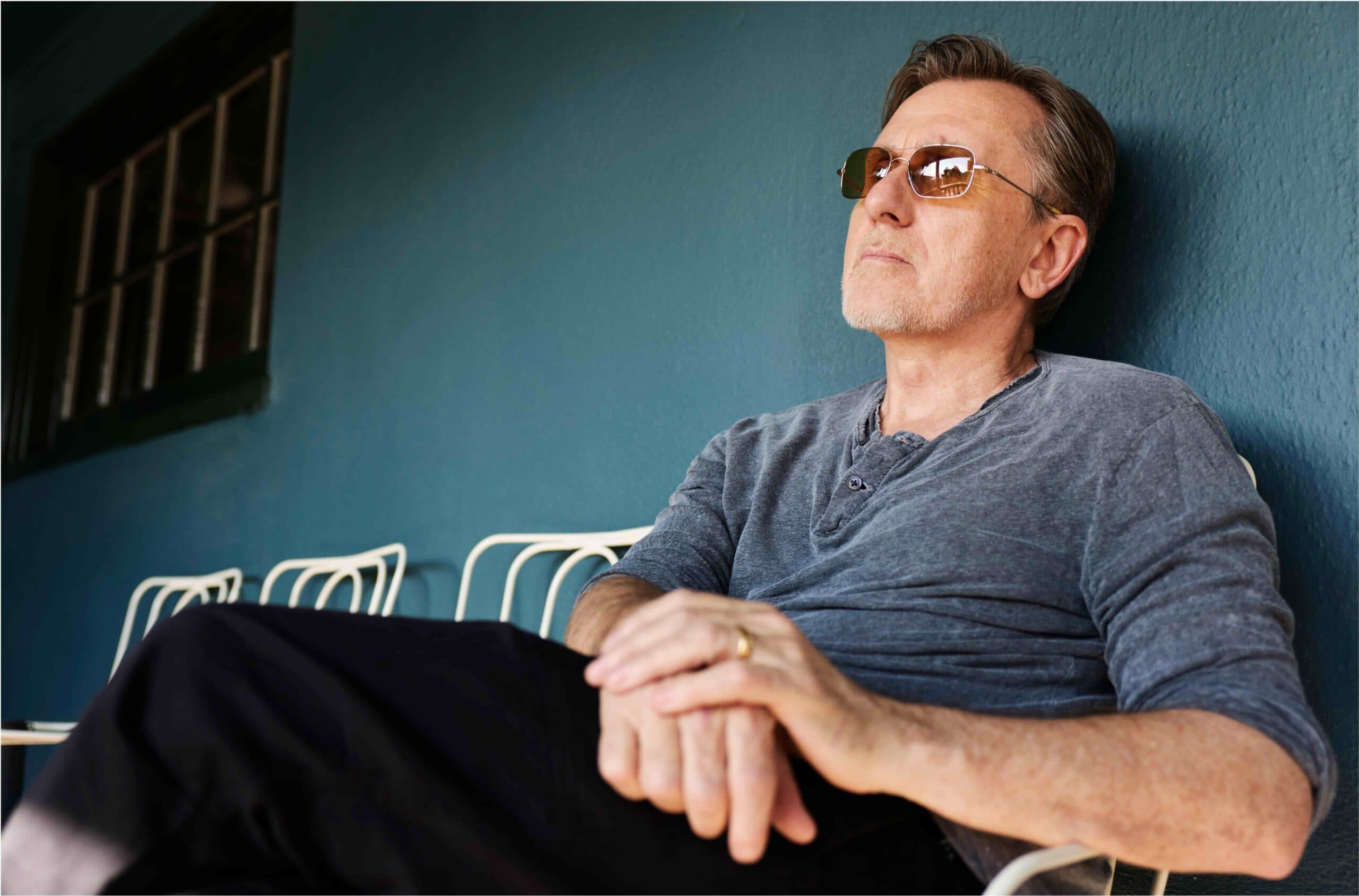
- PhotographerRankin
- WriterRob Corsini
- GroomerCatherine Furniss at Statement Artists
- Photographer's AssistantAsh Alexander
- RetouchingFTP Digital
- LocationZappanest, Hollywood Hills