The Itch are embracing contradiction
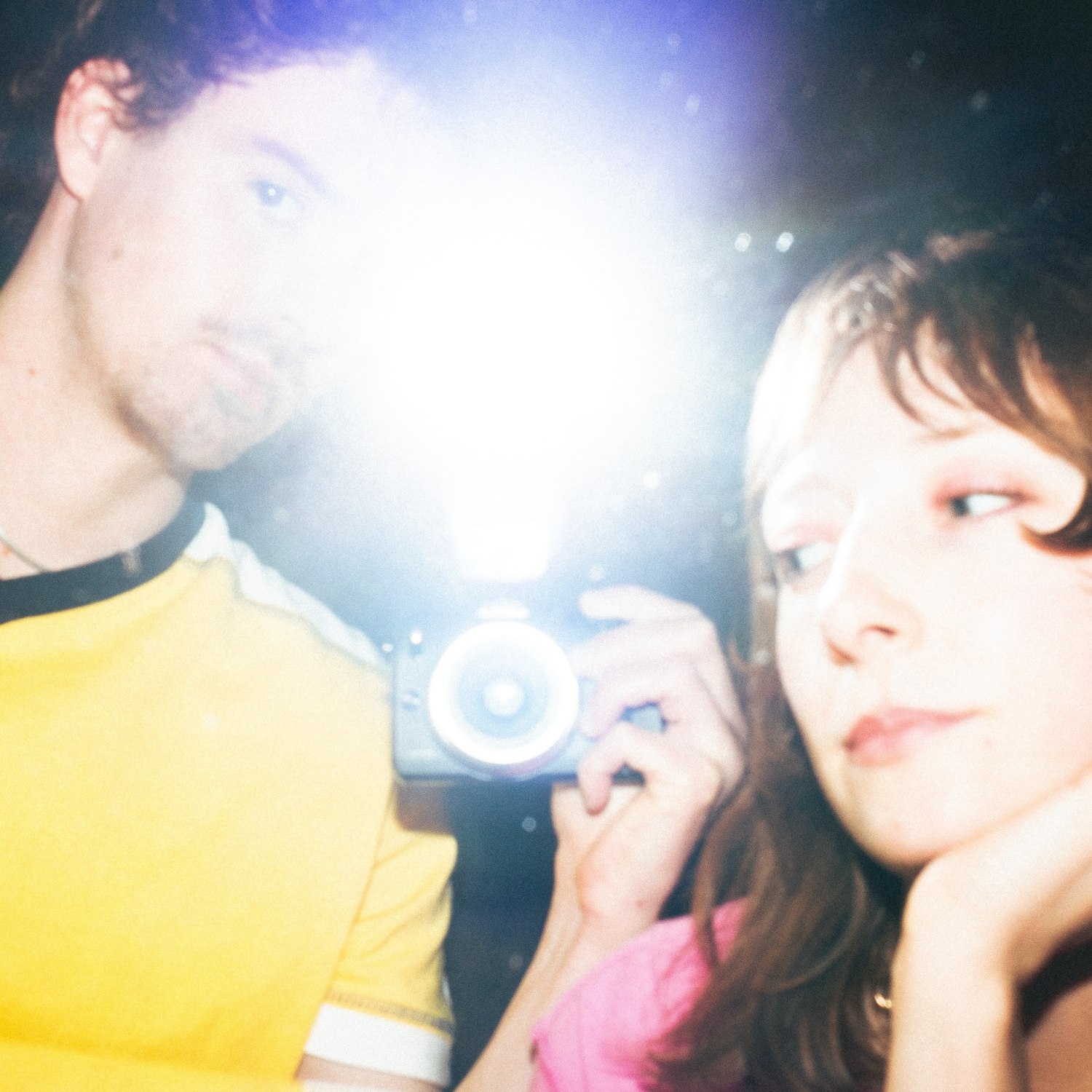
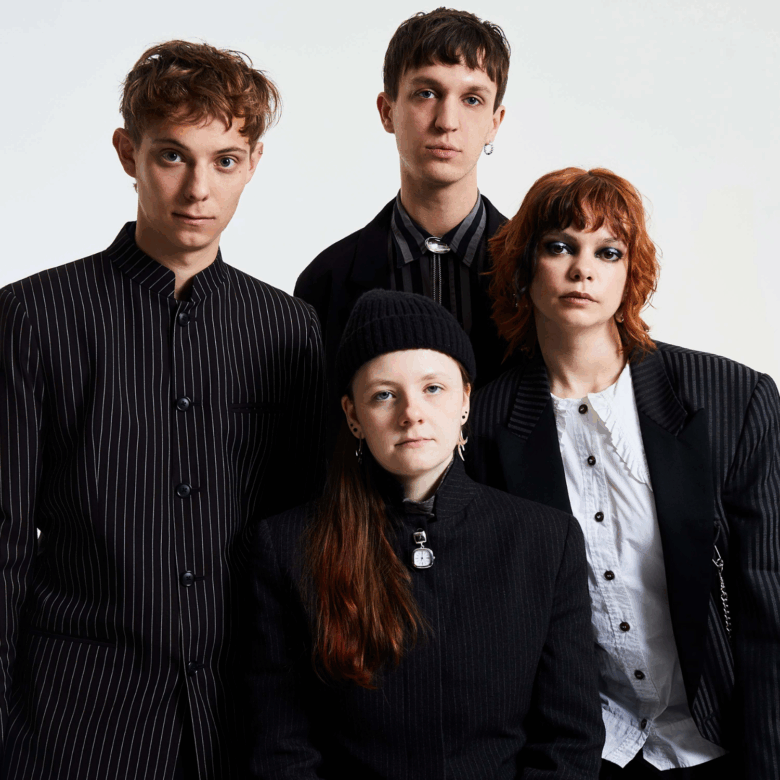
I sit down with The Itch the day after the release of their sixth single. The band’s first love song, ‘Drugdealer’, marks a notable shift in tone. Set against a backdrop of strings and Georgia Hardy’s unique production, vocalist Simon Tyrie’s use of bathos is put front and centre: “Tell me what you want to hear, and I will say the rest. Send me to the corner shop for booze and cigarettes.” This conversational lyricism — which wipes your tears and wraps its arms around you before giving you a slap on the wrist and telling you it’s time to grow up — sums up the band’s identity. It’s built on contradictions.
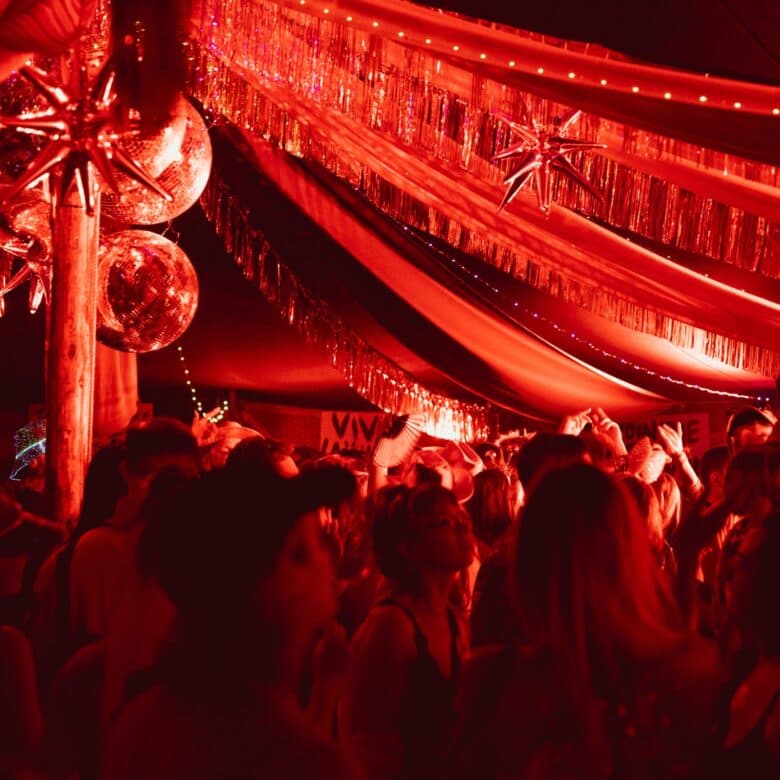
Beginning The Itch as a studio project, Hardy and Tyrie cultivated their fanbase from their electric gig atmosphere. Their songs sample TikTok viral audios and reference Ursula Le Quin. Their album, It’s the Hope That Kills You (which dropped today), is as much an eloquent commentary on the state of the modern world as it is my new go-to soundtrack for an afters.
Considering the duo’s ambition to resurrect the golden age of suburban nightlife culture, I am taken aback by how laid-back they are. While Hardy and Tyrie sit nursing their half-pints, I’m gulping down my full one.
The Dare might have been the poster boy for the indie-sleaze renaissance up to now, but The Itch offers up a more honest (read: sarcastic) British alternative. Hailing from Luton instead of LA, Tyrie’s lyricism is a candid commentary on the harsh realities of the post-modern world and what it’s like to be a suburban creative in a London-centric industry, living on the fringes of sex, drugs and rock & roll. As Hardy describes: “It’s not pleasure and it’s not pain.”
Sonically, The Itch’s music contains multitudes: layered synths, Hardy’s sizzling hi-hats and Tyrie’s signature sprechgesang (which inspired their latest single from the album, ‘No More Sprechgesang’) have opened up base-level comparisons to both The Dare and his forefathers, LCD Soundsystem. But, with a unique sound of their own drawn from ’90s dad-rock, ’00s emo and 2020s hyper-pop — not to mention the confessional, self-conscious lyrics only a Brit could write — the band will be the first to shut those comparisons down.
“I don’t actually think we sound very much like LCD,” Hardy answers on instinct when I bring this up. Listen to It’s the Hope That Kills You and you can decide whether you agree. But trust me on this one: if you’ve got that indie-sleaze itch, Hardy and Tyrie can scratch it like no one else.
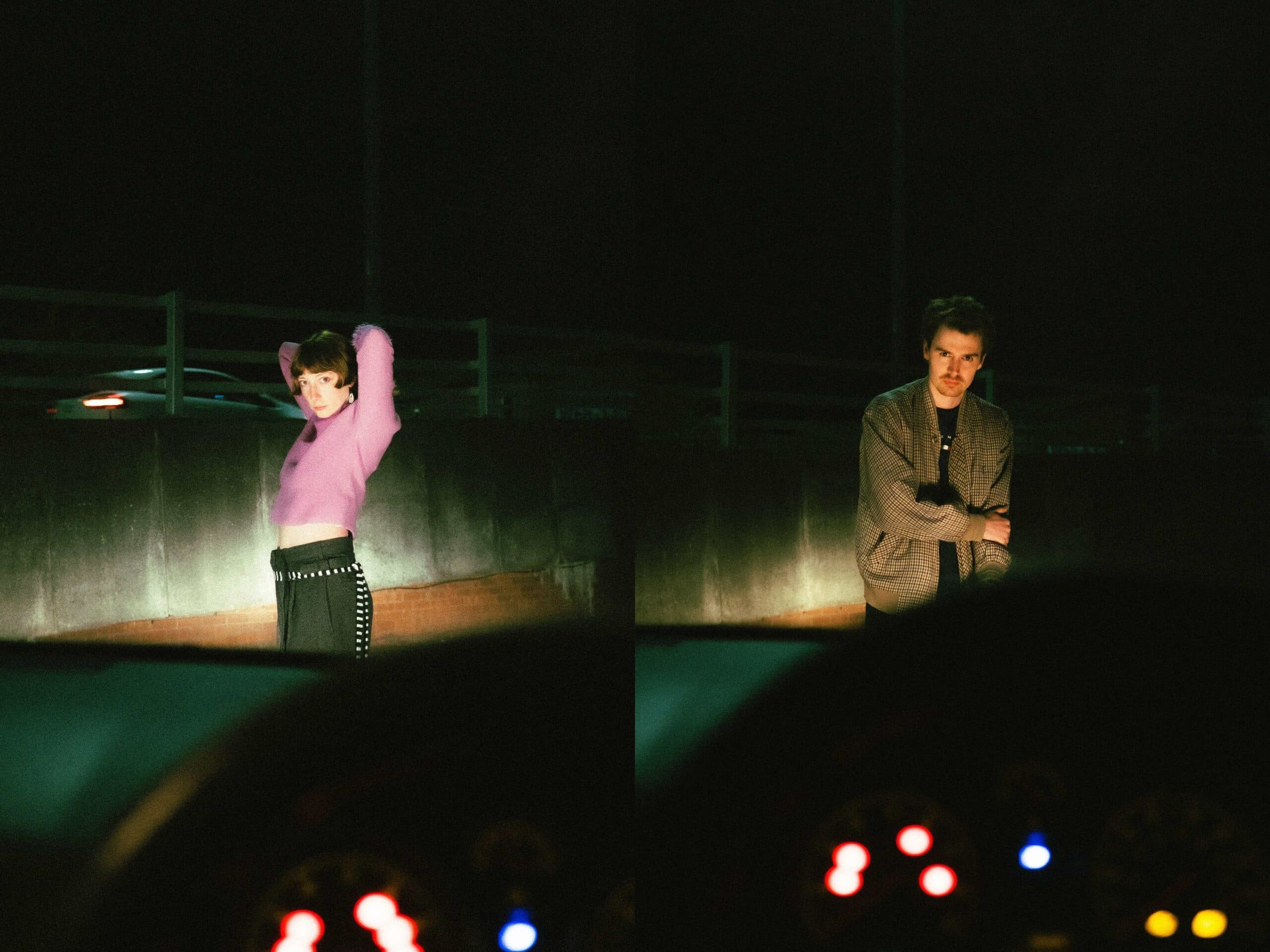
You were in a project called Regressive Left. Why did you decide to leave?
Georgia Hardy: At the time we were quite a solid live piece, Regressive Left, but it always felt quite restrained and formulaic. The shows never had much that could go wrong. So we started The Itch initially with the idea of it having rotating line-ups. We just wanted to play as much as possible, so we never turned down a show. Basically, if me and Simon could do the date, we’d do it, and then we’d ask whoever was free to hop on bass or guitar.
Initially, The Itch started as a studio project, which is interesting because your gigs have a kind of cult status now. What changed?
Simon Tyrie: I think, if we didn’t have that [band] experience, we’d probably be more tempted to just recreate the studio stuff, whereas we prefer to treat it like we’re our own covers band that’s reimagining and trying to play with limited constraints.
Is that sort of gig culture something that you’re going to miss as your fanbase keeps growing?
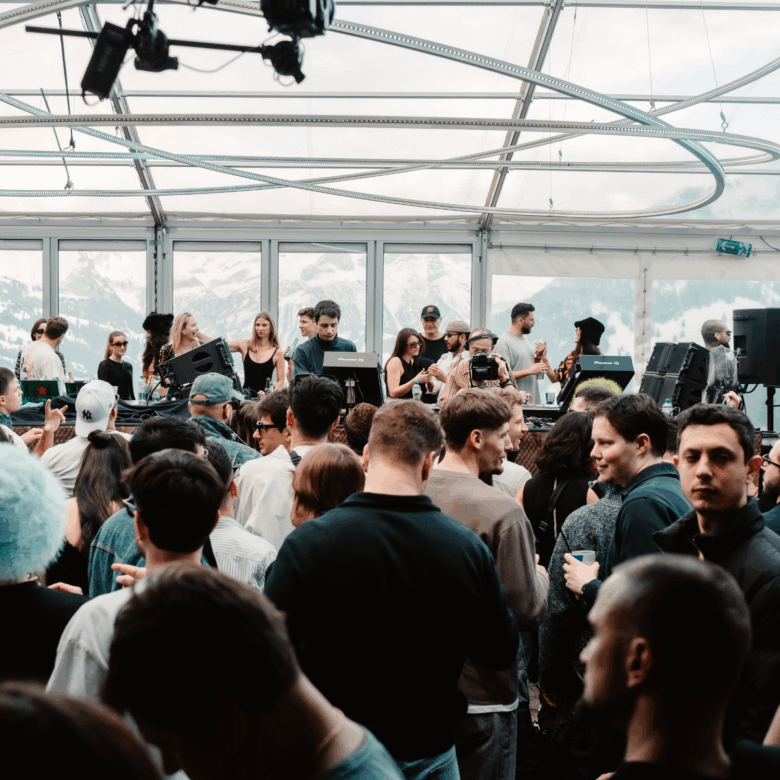
ST: We’ll always prioritise trying to play a vibier venue than aiming for the most amount of tickets. I think there’s a perception that exists within the music industry that you should always aim bigger for each show. There’s been a lot of cases in the last few years of bands running before they can walk.
You get a lot of comparisons to LCD Soundsystem. Where else do you find inspiration? You know how a lot of people say The Dare is a British man in an American man’s body? I think if he was actually British, he would be more like you guys.
GH: Obviously we get compared to LCD quite a lot, but I don’t actually think we sound very much like LCD. When we were writing the album we were listening to The Rapture, Justice, Bloc Party and Crystal Castles. We were also listening to a lot of hyper-pop adjacent stuff for the production.
ST: I think that there is a big difference between these American bands and British bands, and I guess the irony is that LCD — and The Dare being inspired by LCD — were inspired by British bands from the ’80s. Even though LCD sonically tried to capture that, they were always gonna be Americans. I think for a British person, it’s quite hard to write songs like an American does, because we’re never that earnest, literally ever. We’re way too embarrassed of ourselves. So I don’t think The Dare could be British. It just wouldn’t work.
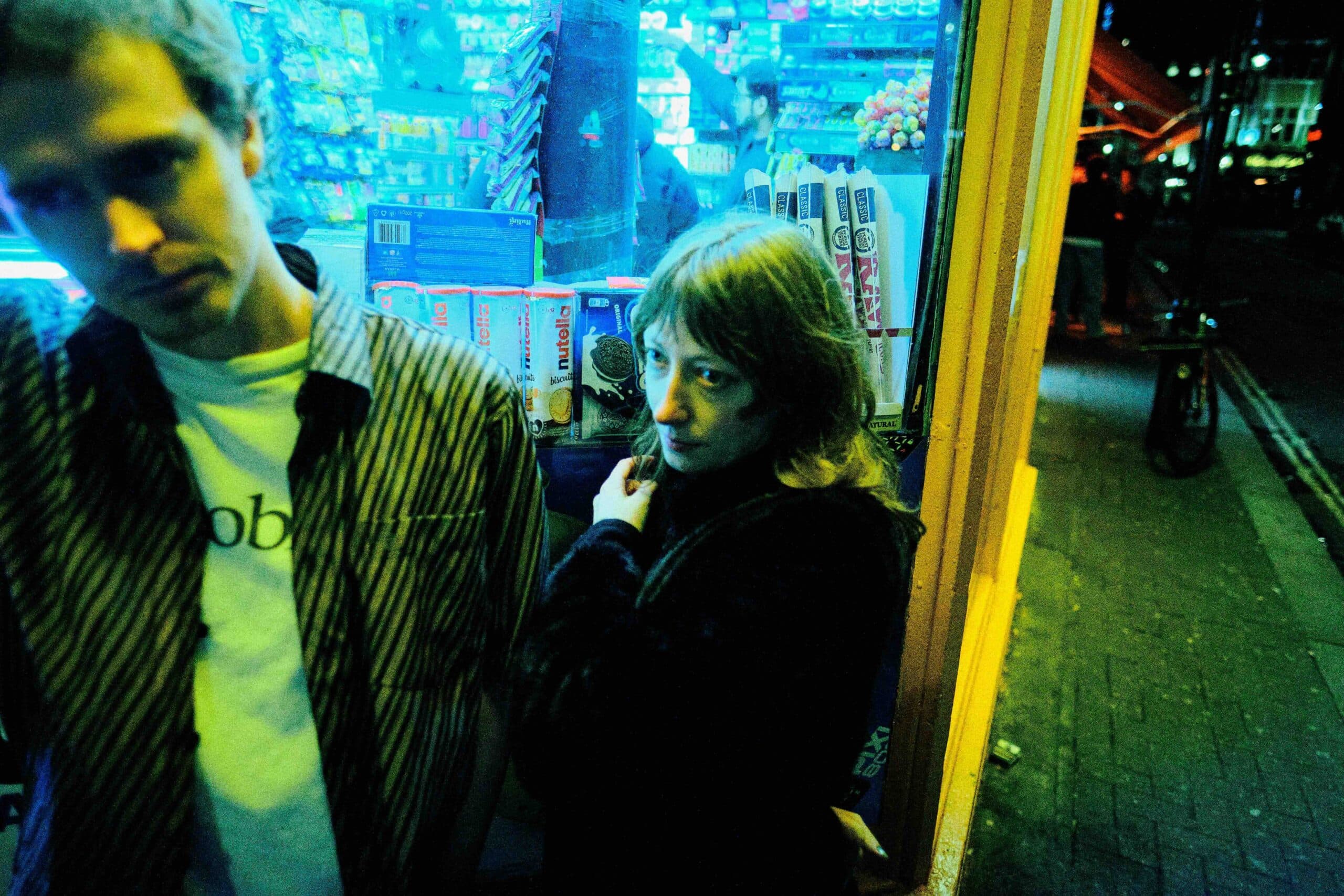
Simon, I’ve seen you say that humour is something you use as a defence mechanism to deflect from sincerity. What do you think you would write about if you were actually being sincere? Or is this sincere for you?
GH: I don’t think you’d know how to be sincere. You’re not, like, innately programmed.
ST: Yeah, I would need, like, so much therapy. I don’t think I know if I am being sincere. I think if I thought about too much, I’d probably ask the label to take down all the music.
I don’t want to give you an existential crisis, so let’s talk about the name.
ST: I was attracted to the name The Itch because it felt like it had so many different interpretations. There’s the sense of making music itself being an itch that needs to be scratched, because I’ve tried to stop quite a few times over my life, and I always end up starting a new project, making music again. It’s almost like a compulsion.
GH: But then the music itself as well has those kind of juxtapositions. It’s not always nice music, sometimes it’s not very nice. Having an itch is a weird sensation, because it’s not pleasure and it’s not pain.
A lot of your music is about the nightlife culture that was formative to your genesis as a band, like Edge in Luton. Do you feel like we’re past the golden age of going out now since venues like that have closed down?
GH: I think, outside of London, it isn’t what it was maybe 15 years ago. Edge, which was the alternative nightclub in Luton, was so formative to us when we were just starting to go out, because coming from a town outside of a major city you’re obviously not exposed to as much. Going to that nightclub was the first time I’d ever heard The Smiths.
ST: Also hearing The Cure or something like that as club music.
We had the same thing back in Sheffield when The Leadmill shut down.
GH: I think each city in the UK has their own culture. These places make their own sounds, and as these venues close down, you lose that, and everything just becomes London-centric.
Is your life as hedonistic as your songs make out? Or is it all tongue-in-cheek?
GH: Like, we live in Luton.
ST: I think a lot of it in the songwriting probably sounds super cringe, but a lot of it is probably metaphorical. One thing I’ve learned is that it’s kind of like a cheat code with music. You can sing about whatever you want if you put a fourth-floor kick underneath and an offbeat hi-hat. You can sing the most depressing song in the world if everyone’s having a good time.
In ‘Aux Romanticiser’ you sample Subway Takes and make fun of aux-cord DJs. A lot of your lyrics are very current like that. Does it cross your mind that older generations might not get it? Or is that the whole point?
GH: We just make music that we ourselves would want to listen to. I’ve not ever thought about it not appealing to older people, because I don’t care if they like it or if it appeals to them.
What’s your favourite lyric from the album?
GH: Mine is from ‘Space in the Cab’ where it says, “I hate this country and I hate this island, but sometimes the people make it all worthwhile”.
ST:In ‘We Can’t Afford This’, there’s a line, “I can dance, I can bury my head in the sand”, which I’ve always liked as a turning point for that song — where it stops being a bit of a dumb song. In [some ways] it’s more dumb at that point, but it feels more meaningful to me. It’s that escapism. I’m just avoiding the problem.
What’s the main thing you want people to take away from It’s the Hope That Kills You?
GH: Just for people to enjoy it. Have a good time. I don’t care if people like it or not. I just hope that enough people get to hear it.
ST: I think the main thing is just embracing contradiction and being okay with things not being okay. It’s okay if it doesn’t make sense.
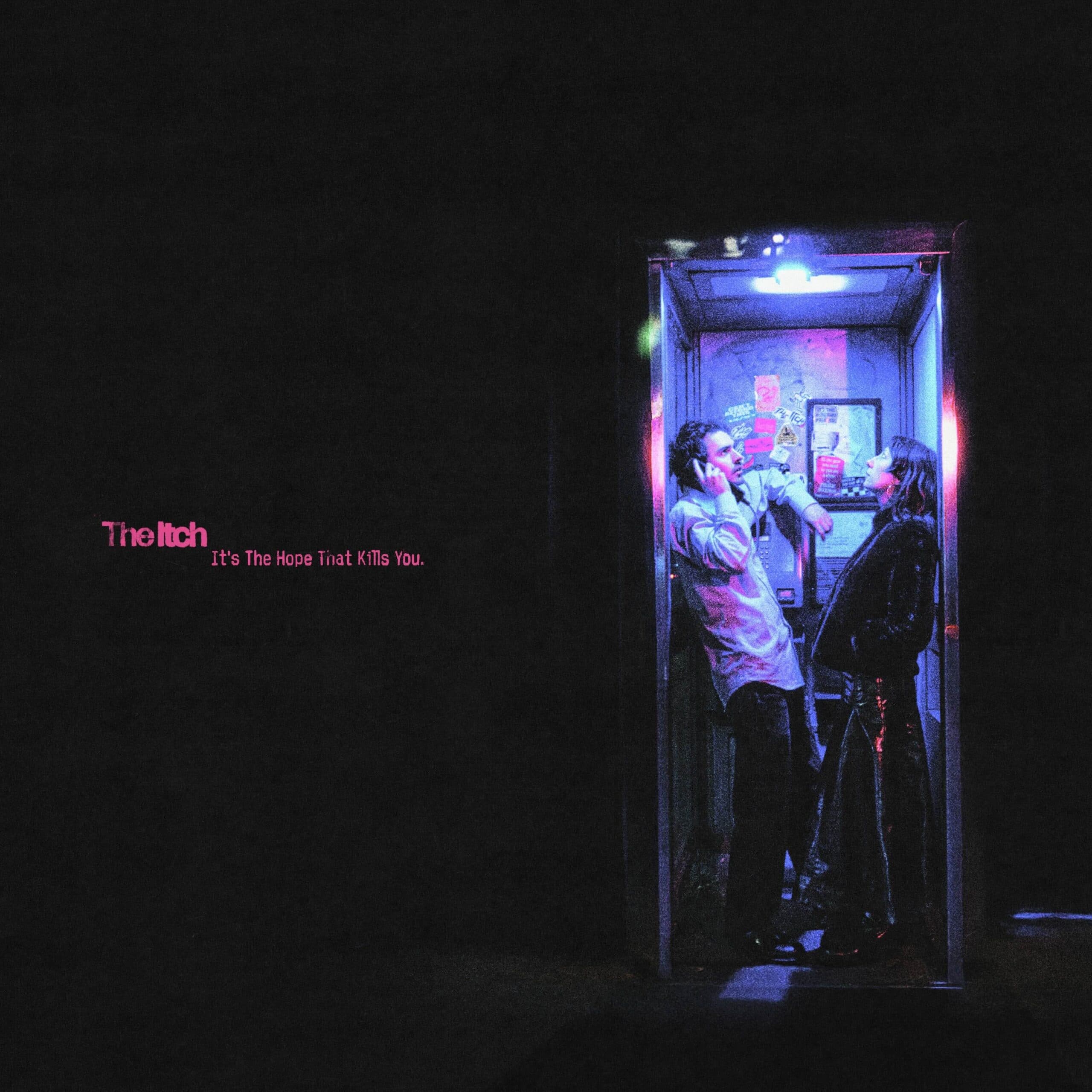
Listen to It’s The Hope That Kills You here.
- WriterLucy Wragg