Mulaa Joans: “It’s not an if, it’s a when”
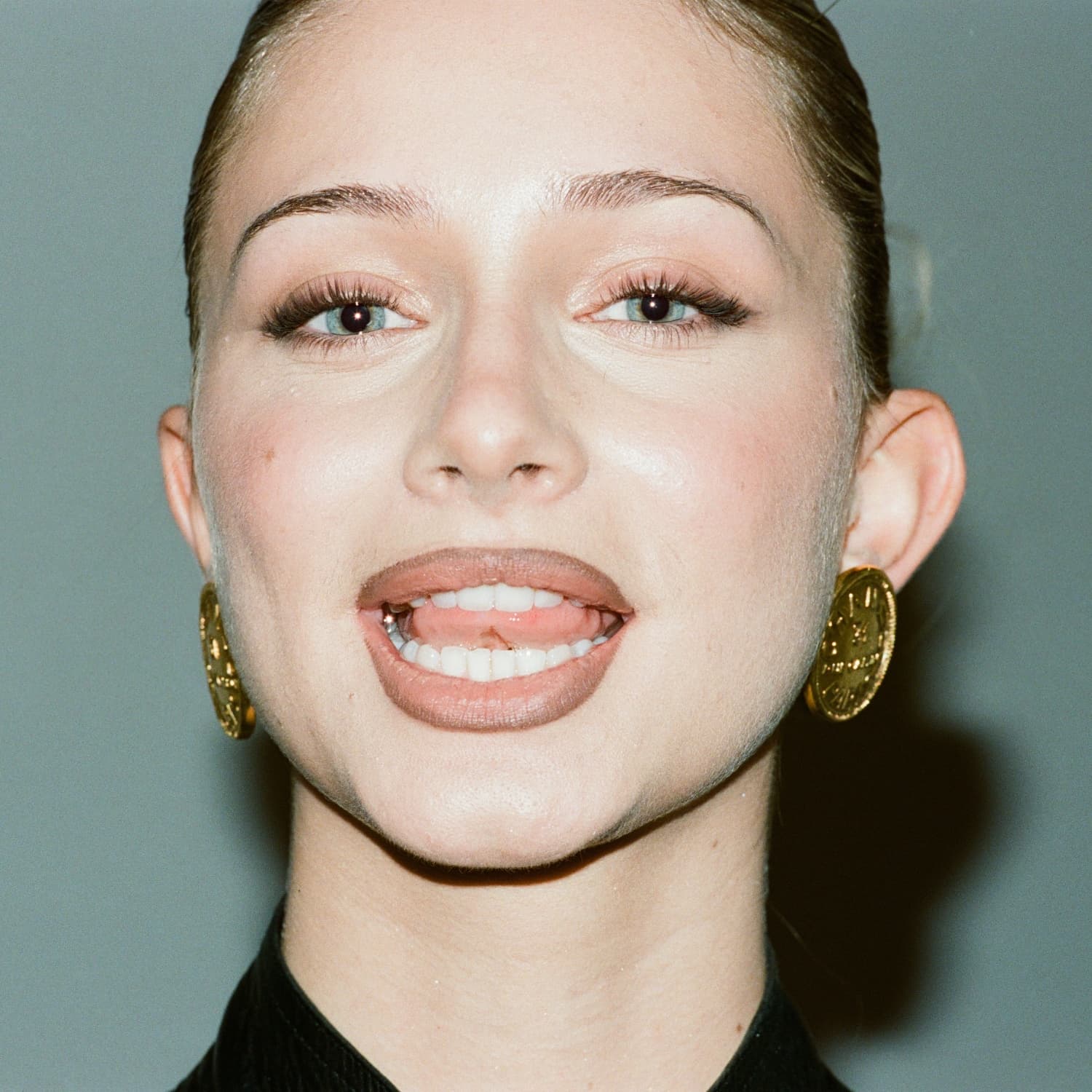
There are artists who talk about where they want to go, and there are artists who are already on their way. Mulaa Joans, at 19, is firmly in the second camp. When speaking to her, she is warm and unhurried yet also unmistakably confident; she’s sure of who she is and what she is building. “My whole life I wanted to be a superstar and do music,” she says. “And I’m actually watching it happen.” The London-based singer and songwriter has spent the past year doing the work with care and conviction, writing honestly, performing with full commitment, and trusting that her music would find its audience in time. With ‘Love Letter’, it did.
While Joans has her own personal attachment to the single, she feels it’s important that everyone can take what they need from it. Writing over a YouTube beat, the way she has done since the age of 10 or 11, she let the words form through whatever thoughts came up. “I wrote it to a YouTube beat in my bedroom,” she says, “and then took it to a session a few days later. I was like, ‘Hey, I’ve written this song, let’s put some chords behind it.’” The song began as something intensely personal, so close to the experience it described that she initially assumed no one else would be able to connect with it. “I posted it on my private Instagram and someone on my team was like, ‘You need to write this properly’. And I was like, ‘It’s really personal.’” The version that eventually came out was a rewrite, shaped enough to let other people in without losing what made it worth writing in the first place.
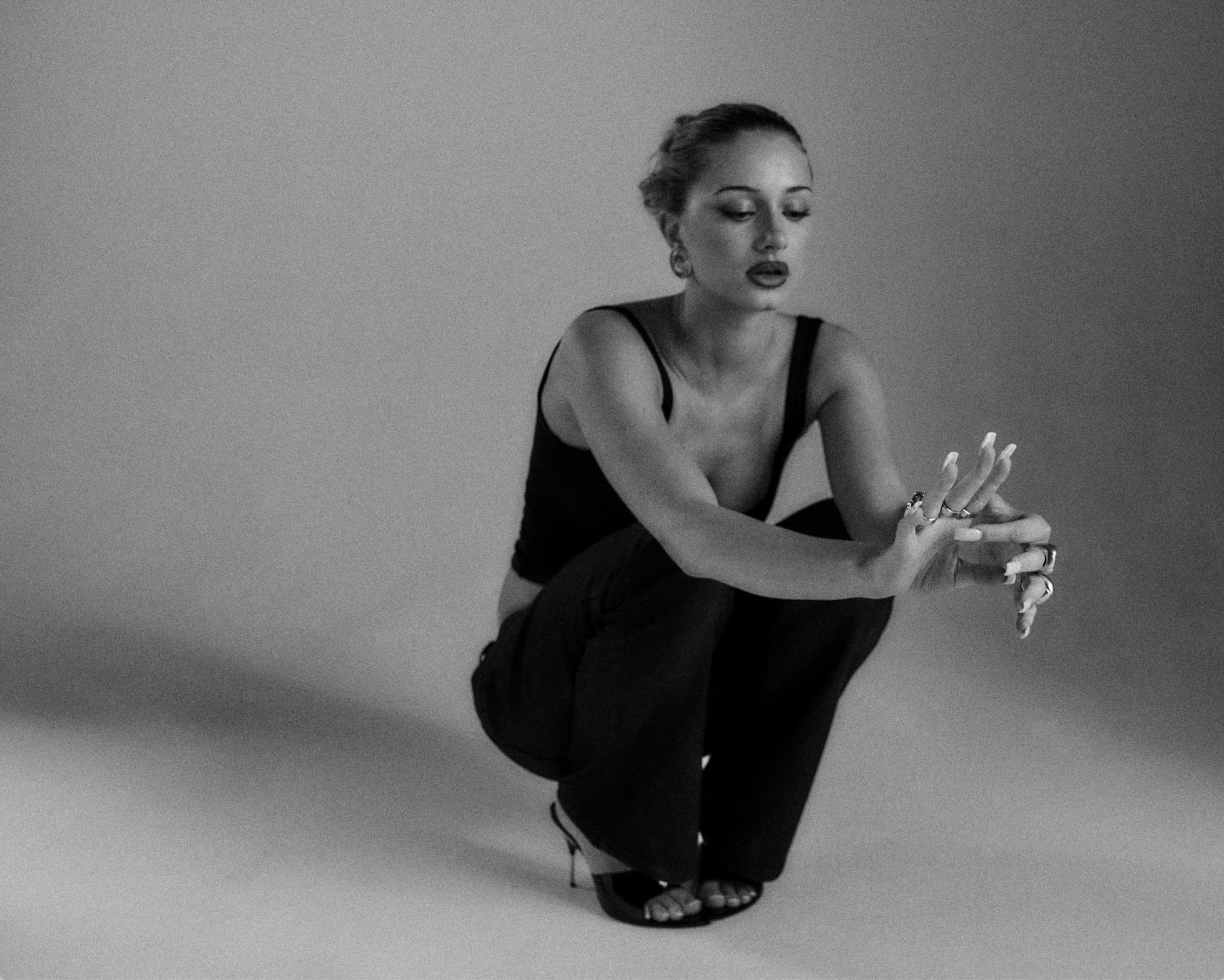
‘Love Letter’ is, on its surface, a song about the decision to leave a relationship that no longer serves you, but what it actually sounds like is something considerably more expansive: verses that draw you close, concluded by a final movement that opens into something almost orchestral. It is the sound of someone who has moved through something painful and emerged with their sense of self entirely intact. “When I listen to it back now,” Joans says, “I think, ‘I actually did that. I did cut someone out of my life that I needed to cut out.’ It makes me feel quite strong.”
The lyric she is most proud of is the one that tells you the most about letting go: “Your words hit like a feather.” Not a wound. Not a slap. A feather. “I was trying to figure out a way to say that without it being so obvious,” she explains. By the time she sat down to write, the person the song addressed had already lost whatever hold on Joans they once had.
When it came to recording, Joans guided the instrumental parts with the same instinct that informed her lyrics, describing the feeling she was looking for and working with the instrumentalists in the room to find it. The result is a record that sounds both immediate and settled. Though the track has been out for less than two months, it already exudes a sense of timelessness; the kind of art that won’t date because it was never trying to be current in the first place. BBC Introducing was the first to recognise that, and the rest followed naturally.
Ask Joans about her headline shows and she becomes even more animated than when on the topic of recording. Her performances are built around a piano, a voice, and an audience she addresses not as a crowd but as a room full of individuals she has made time for. “I’m a big chatter,” she says. Her shows have developed a distinct character over time: she talks on stage, genuinely and at length, shares the stories behind the songs, and allows the performance to breathe into something more reminiscent of an extended conversation than a conventional set.
One moment in particular from a show has stayed with her: performing ‘Love Letter’ live the first time before the song had been released. “I got everyone to scream, ‘Get the fuck out my life’, and they didn’t even know it yet,” she says. “People came up to me after and said, ‘We love that bit.’ That was really cool.”
What has gathered around those shows is, unsurprisingly, an audience that predates the viral moments and the radio plays. Often, they are people who arrived to Joans’s music early and have remained close; they’re the ones who position themselves right by the stage and make sure those standing beside them understand what they are witnessing. “The fans who have been there from the start are still at the front,” Joans says, “and they’re encouraging other people to scream it. It’s become like a collective.”
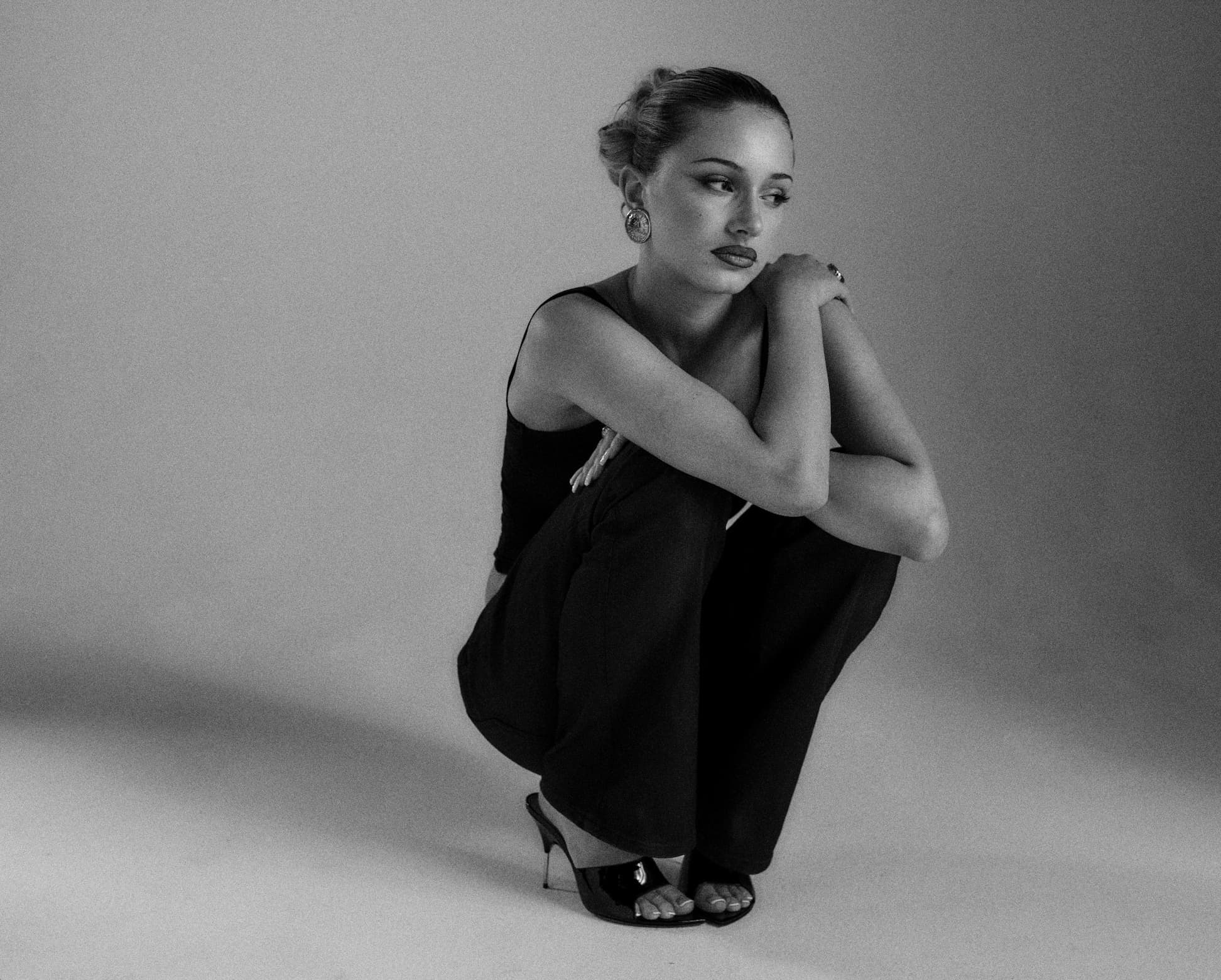
This spring also sees Joans join Sekou across his European and UK tour. For an artist who has spent the past year establishing her project closer to home, it represents a considered next step: the opportunity to walk into rooms full of people entirely unfamiliar with her work and, night after night, introduce herself. “As a support, the people haven’t paid to see you and they don’t necessarily care who you are yet,” she says. “Even if I can make one or two people think, ‘I’m really glad I came and saw her, that would be a success.’” Her approach on tour will not differ from what it has always been: present and considered. She wants her songs to resonate, and she wants the connection between herself and the people listening to feel real.
Her upcoming single, ‘Birthday Makeup’, will arrive on 24 April with the same qualities that distinguish ‘Love Letter’: a story rendered with care and a production that serves rather than competes with the song, headed up by a voice that earns its authority without trying. The detail she is most proud of, Joans tells me, is the bridge; something she recognises can be “hit or miss”. “I said, ‘If we can’t find a lyric that really describes the feeling, there’s no point,’” she recalls. But she landed on it perfectly. Referencing being in an Uber after a break-up and hearing Rihanna’s ‘Love on the Brain’, she found her favourite lyrics on the track. “It would feel like a slap in the face,” she explains. Overall, Joans describes the song as “heartbreaking and also empowering.” It’s a story, she says, about not calling someone out in the moment and then putting it in a song that will exist forever. “My side of the story will always be there,” she says.
Joans’s story, though, is one that she’s only just begun to write. She hasn’t even reached her third decade of life, but she writes with a specificity and emotional precision that most artists take a career to develop. What she is creating is not a moment designed to be capitalised on and moved past. Instead, Joans is building a body of work with longevity, a live practice with real depth, and an audience relationship built slowly and growing steadily. Growth is in fact the name of the game for Joans. Each stage, she says, is simply a step toward the next one; and she always knows she’s going to reach it. “It’s not an if,” she concludes. “It’s a when.”
- WriterImani Randall-Morgan