“Being young makes everything feel world-ending”: Nadia Loren talks Kiss and Drive
It’s snowing when I speak to Nadia Loren, not enough to settle, but enough to make it impossible not to mention. The ‘Sad But True’ singer and I talk about the way the flakes catch on your eyelashes and how the pavements never quite turn white. It feels fitting. Loren describes her music as existing in the “in-between”, and I learn she’s just as comfortable there emotionally, too.
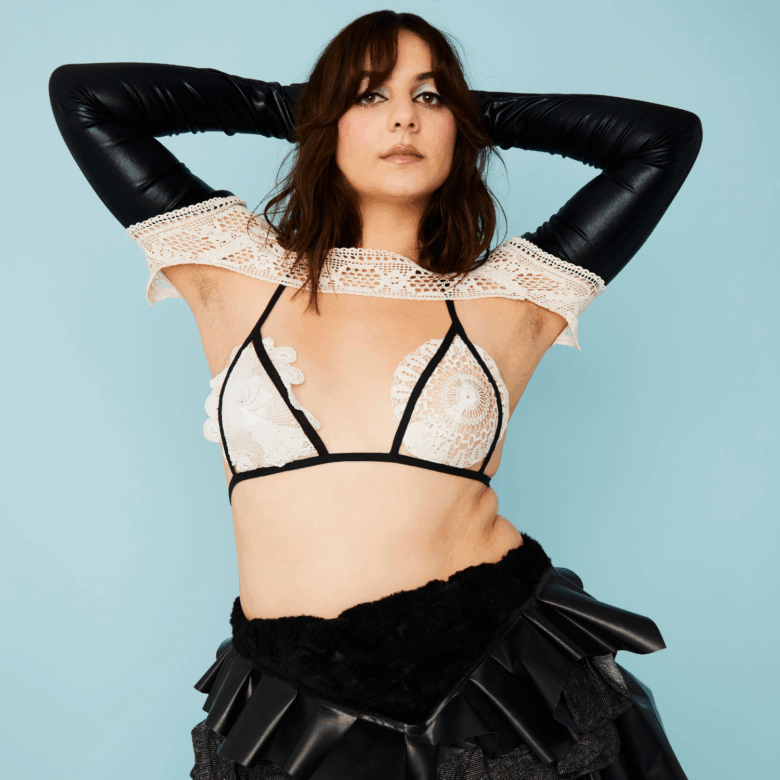
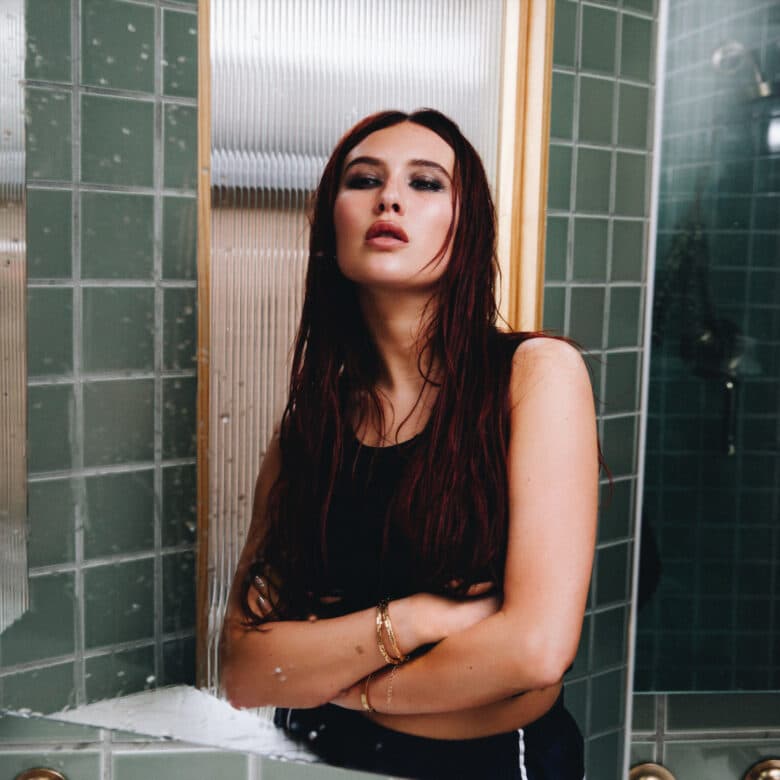
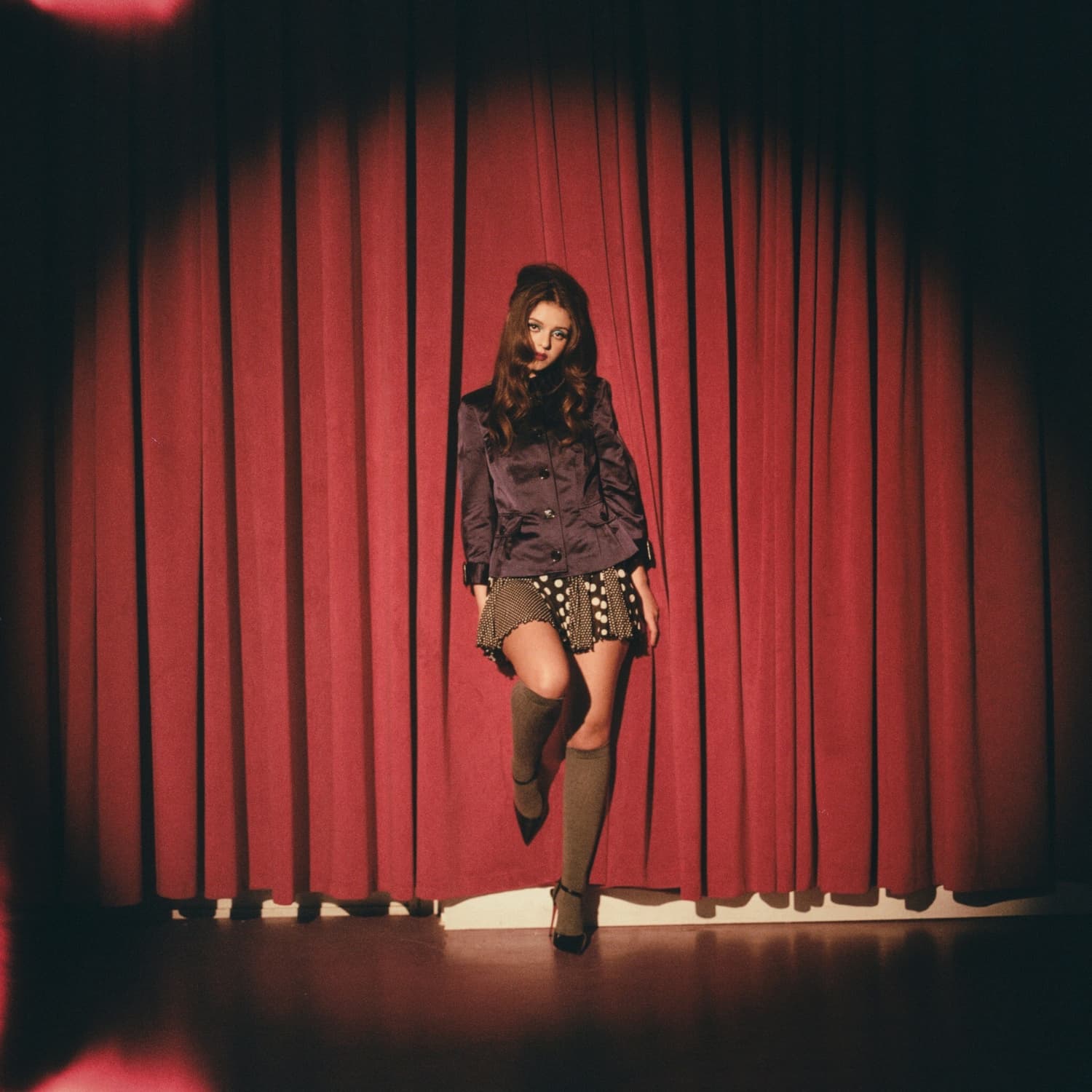
There’s a quiet renaissance in pop right now, led by women who are building worlds to belong in. Loren’s own world is vivid, but soft at the edges: blue eyeshadow and ’60s-era lashes, red nails gripping the back of a motorbike, wedding dresses worn with an unsubtle irony.
Her debut EP Kiss and Drive is a characteristic love letter to liminal space; not quite falling in love, not quite moving on, not quite knowing where you’re headed. At eighteen, with a fiercely loyal community built both online and off, Nadia isn’t chasing resolution so much as atmosphere.
When we connect, Loren has just come in from the cold. In both appearance and spirit, the artist is as fresh as the EP we’re about to discuss.
How does it feel now that Kiss and Drive is out in the world?
It’s such a personal piece of work for me and it felt like the soundtrack to my life. The lyrics are so specific, so confessional. It was exciting to share, but also scary, because it isn’t just yours anymore. People have been so lovely, though, and really open to stepping into the world I was trying to create.
Listening to the EP, it feels like a soundtrack to a coming-of-age TV show. Was that intentional?
I’m obsessed with films and directors, and I love the idea that when you listen to a piece of work it creates a movie in your head. I wanted it to feel really visual, like you’re watching your own film while you’re listening.
What’s your favourite movie?
My favourite director is David Lynch. I’m obsessed with him, and Blue Velvet is an amazing movie. I’m interested in surrealism and films that make you think. I also love a good rom-com. Love Actually is my favourite Christmas film because it’s just so cosy.
Your music has a really distinct visual presence, too. When you’re getting ready, are you thinking about a character?
I’ve always loved imagining my life like a film and I’m a character. It just makes things more glamorous. Romanticising [life] made it easier to manifest and pursue music, because I could imagine I was already this person who had everything. It became a fun way to express myself, but it’s still very much me.
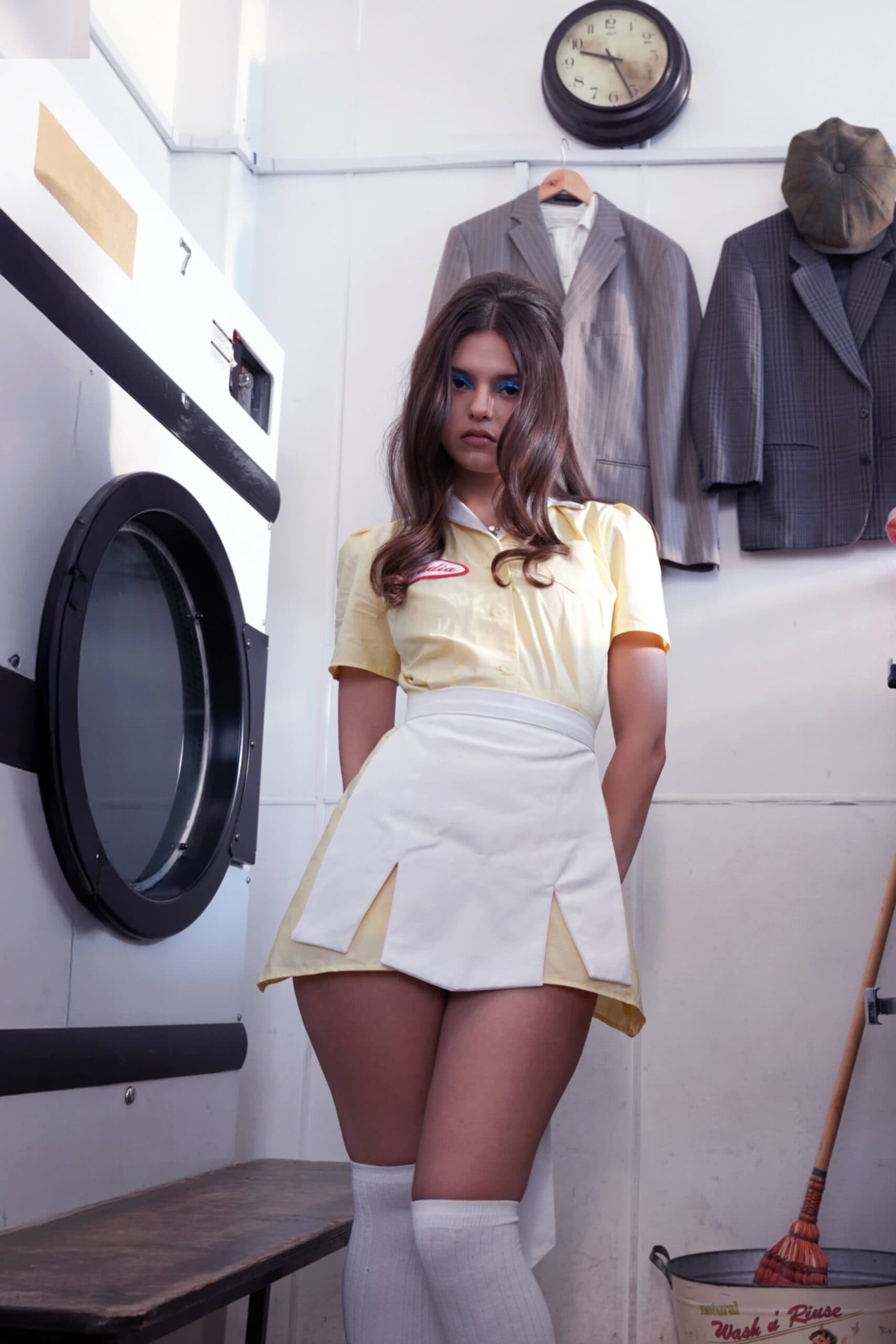
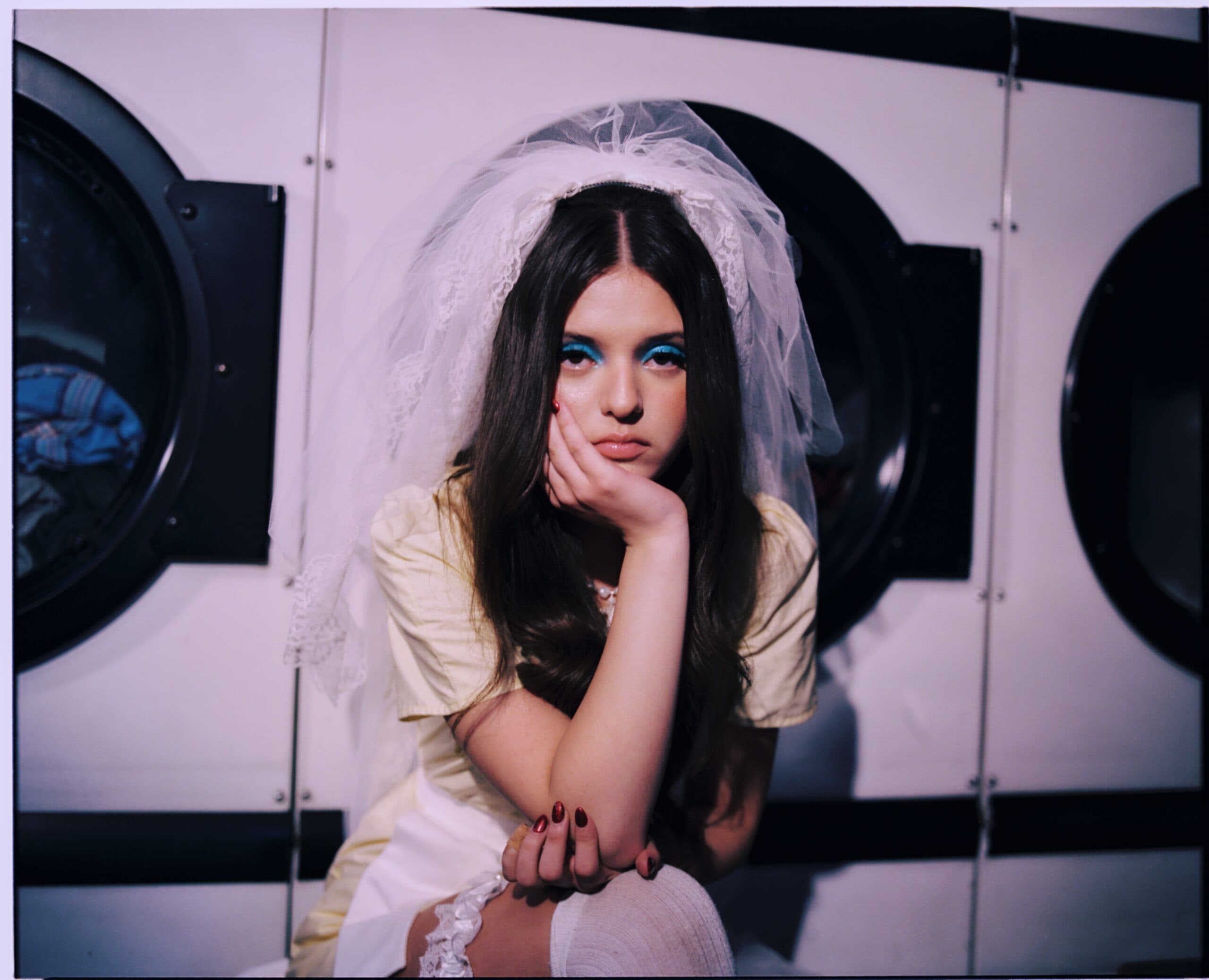
The blue eye shadow started a couple of years ago because I wanted to experiment. Then I began doing these small, self-organised hangout shows, and fans started showing up wearing blue eye shadow, too.
Blue feels like a recurring thread in your visuals, from your make-up to the atmosphere of your videos. Does that colour hold meaning for you?
My favourite colours are red and blue, so you’ll see a lot of both. Blue feels incredibly expressive as it can symbolise sadness, but it can also mean new beginnings. Red, on the other hand, feels more contrasting. They’re like two sides of the same coin.
Do you think the visual side of things has changed how people listen to your music?
Before I released the EP, I had a few songs out that were very DIY. I did everything myself, and I didn’t really have the resources to create strong visuals. I always wanted to build something big, but I couldn’t yet.
That’s been a transition for the fans, as people still remember me as the girl who sings and plays guitar on TikTok Live. And I still am very much her, but the visual side is finally elevated and becoming what I always wanted it to be.
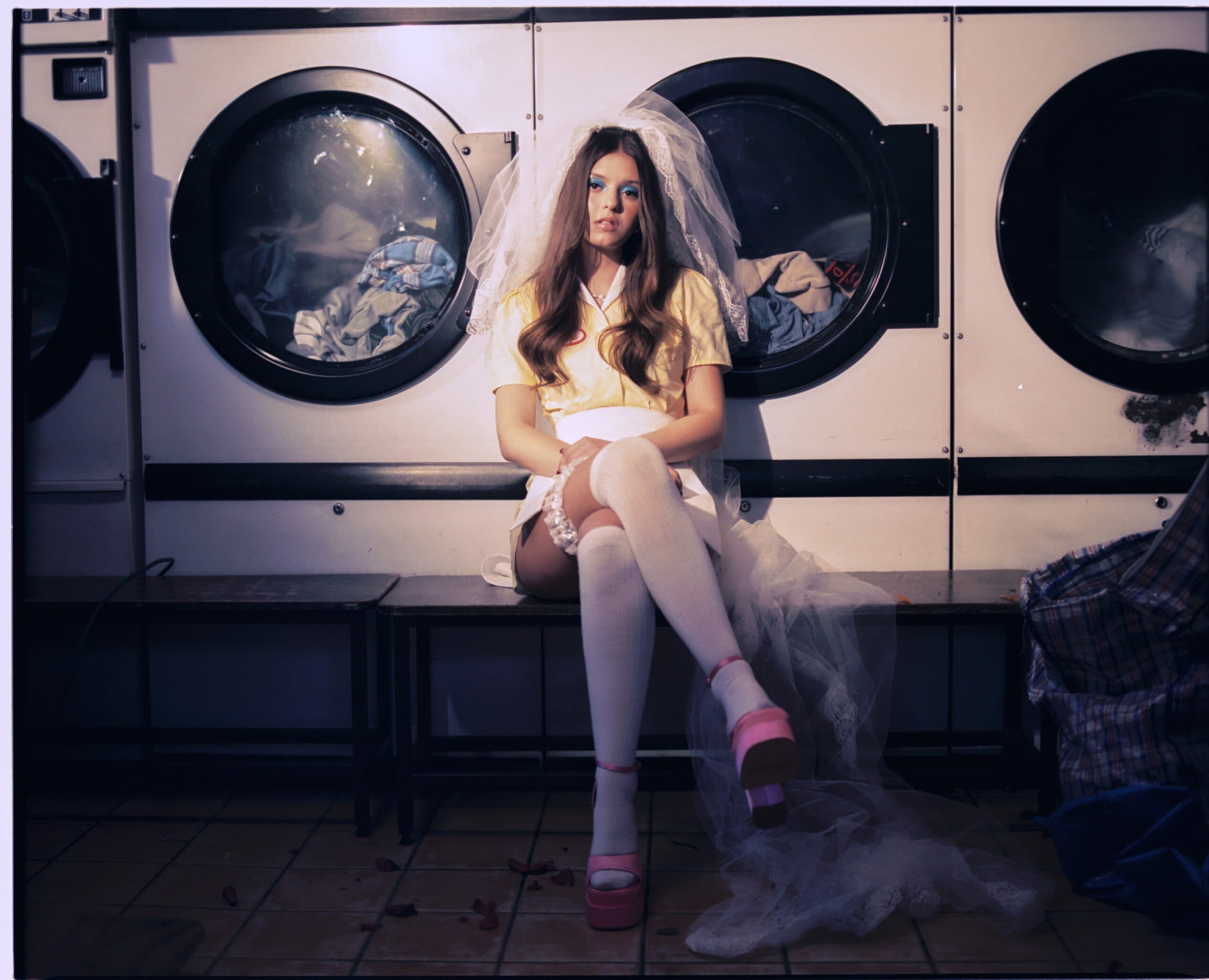
In ‘Laundrette’ you’re wearing a wedding dress, and in another video you’re holding a baby. They’re very loaded images. Why those choices?
The wedding dress felt ridiculous and dramatic, which was the point. You’re meant to look at it and think, What is she doing? The whole video is basically a daydream, imagining this huge future with someone you barely know, then snapping back to reality like, Okay, get back to work. The baby is similar. It’s intentionally strange. There’s all this chaos happening, and I’m so obsessed with the person I’m singing about that I don’t even notice it.
If you had to name three people who’ve really shaped how you see music, who would they be?
My favourite artist ever is Lana Del Rey. Her songs feel like entire worlds. When you listen to her, the aesthetic around it is just incredible. And she’s obviously an amazing singer and songwriter. Another huge influence for me is Lorde. The third one is really hard. At the moment, I’m obsessed with Addison Rae. I also have to say Stevie Nicks, because she basically raised me.
Do you ever worry about revealing too much in your own music?
‘Do You Miss Me’ is really personal. I was genuinely sad when I wrote it and was going through something. I still feel those emotions when I sing it, but now hearing people love it and make it their own transforms it. It feels like it was all for a reason.
When the EP came out, I had people DM me saying, “Did you write a song about me?” Music is how I express myself and gain control over things you can’t really control otherwise. It’s like I’m rewriting the story of how I want it to be perceived.
A lot of your writing seems drawn to the in-between. Why do you think you’re so attracted to those moments?
There’s something so beautiful about uncertainty and ambiguity. When I was writing those songs, I felt really lost. I didn’t know what I was doing with music, I had no management, no label, no money. I was studying for my A-levels thinking I was going to fail, while also turning eighteen and having all these first experiences. I couldn’t really understand my feelings, so I wrote about them. It made everything feel more meaningful.
Do you think being so young made those liminal spaces feel even louder?
Being young makes everything feel world-ending, and then a month later, you realise it wasn’t that deep. Things also happened very quickly for me, going from feeling completely lost to suddenly having meetings and momentum. At times I felt like this was my one chance and I couldn’t mess it up. I still feel that pressure.
You built such an intimate online community before playing live. How has that translated into real-life shows?
Honestly, it never felt like I was singing to strangers. From the first hangout show I organised myself, it felt like singing to friends. Everyone already knew each other from group chats and inside jokes. Over time, that connection has only grown stronger. The only real difference now is seeing people’s faces.
Now we’ve entered the cinematic world of Kiss and Drive, what do you hope for listeners to take away from it?
I hope people feel they can create their own life and make it as romantic as they want. They should let themselves feel every emotion whether it’s ugly or nice, because every emotion you experience is there for a reason: to teach you something.
- WriterRoisin Teeling