How did Louis Tomlinson get here?
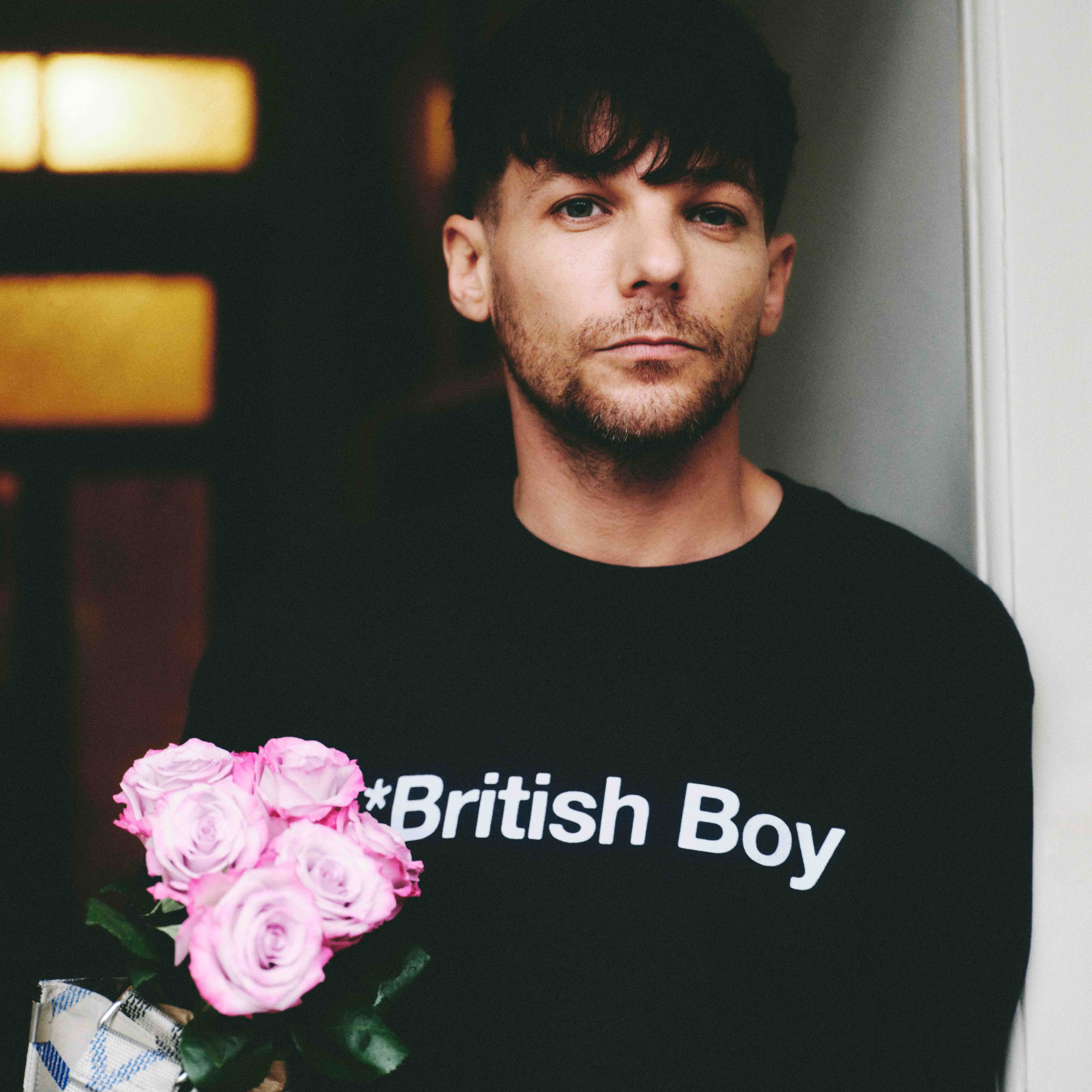
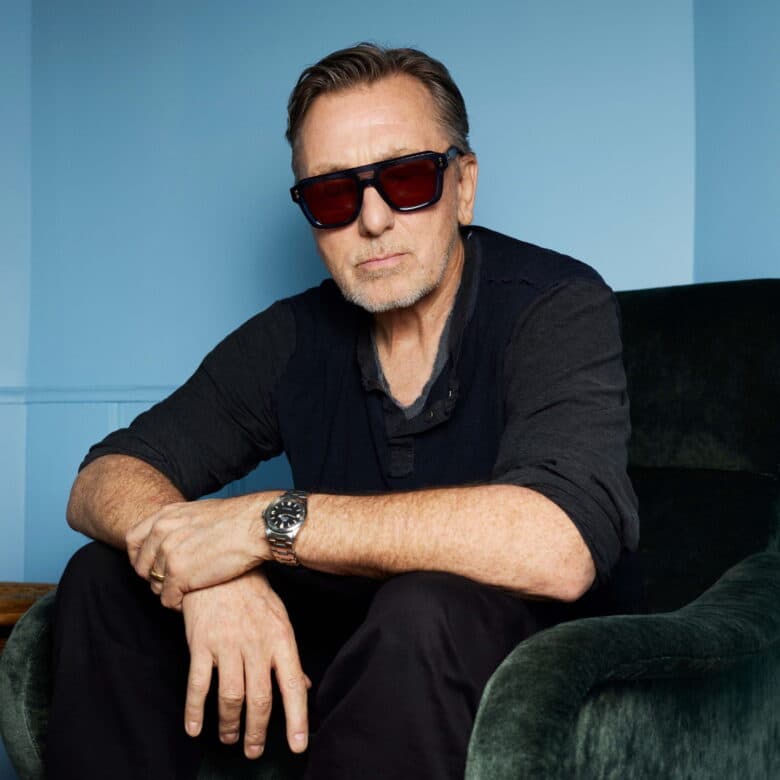
“Sorry to do a faceless interview.” Louis Tomlinson says. “No, no, it’s fine,” I reply. “Can you just describe your surroundings for me?” “Yeah, yeah,” he drawls politely in that light Doncaster lilt, quick to help me out. “I’m currently lying on my sofa in North London, with my feet up. The house is pretty tidy — which I can’t take credit for — just chilling.” ‘But what are you wearing? And what’s the sofa like? And what did you have for breakfast? And how are things going with…’ I want to press for more, but I don’t have time to waste. If this were the 2010s, these sorts of questions would have come first. A faceless interview with the boyband overlord would be unthinkable. The whole story, the full spread, would be dripping in sex and mystique and boy-next-door vibes. His face (and four others) would be emblazoned in print next to a bunch of ‘dazzling exclusives’ about potential girlfriends, Larry (the fanship name for the rumoured relationship between Harry Styles and Tomlinson) and cheeky touring anecdotes. All smooth grins, fluffy hair and Vans.
But this interview is done blind. A fresh start, a new self-assured era for Tomlinson, stripped back to the core of what he now wants to be. What he now is. A musician — a “confident” one at that — who talks of nothing but his love for what he does. He’s a man who’s put out his third solo album, How Did I Get Here, and attributes all his success to his fans’ unwavering devotion. “They are so hardcore with how they support the record,” Tomlinson tells me. “My fans work 10 times harder than everyone else. It blows me away.” And indeed, they do. Twenty-one thousand physical copies of How Did I Get Here were sold, just six days after the album came out, bumping Tomlinson’s third solo project into second place on the Billboard Top Album Sales Chart. His earlier releases, Walls (2020) and Faith In The Future (2022) — which critics were quick to slam, citing Tomlinson’s lack of authenticity and direction — reached equal heights, landing respectively at number four and number one on the Official Charts, all thanks to fan engagement. “They should take ownership in that,” he says. “Every person makes such a massive difference.”
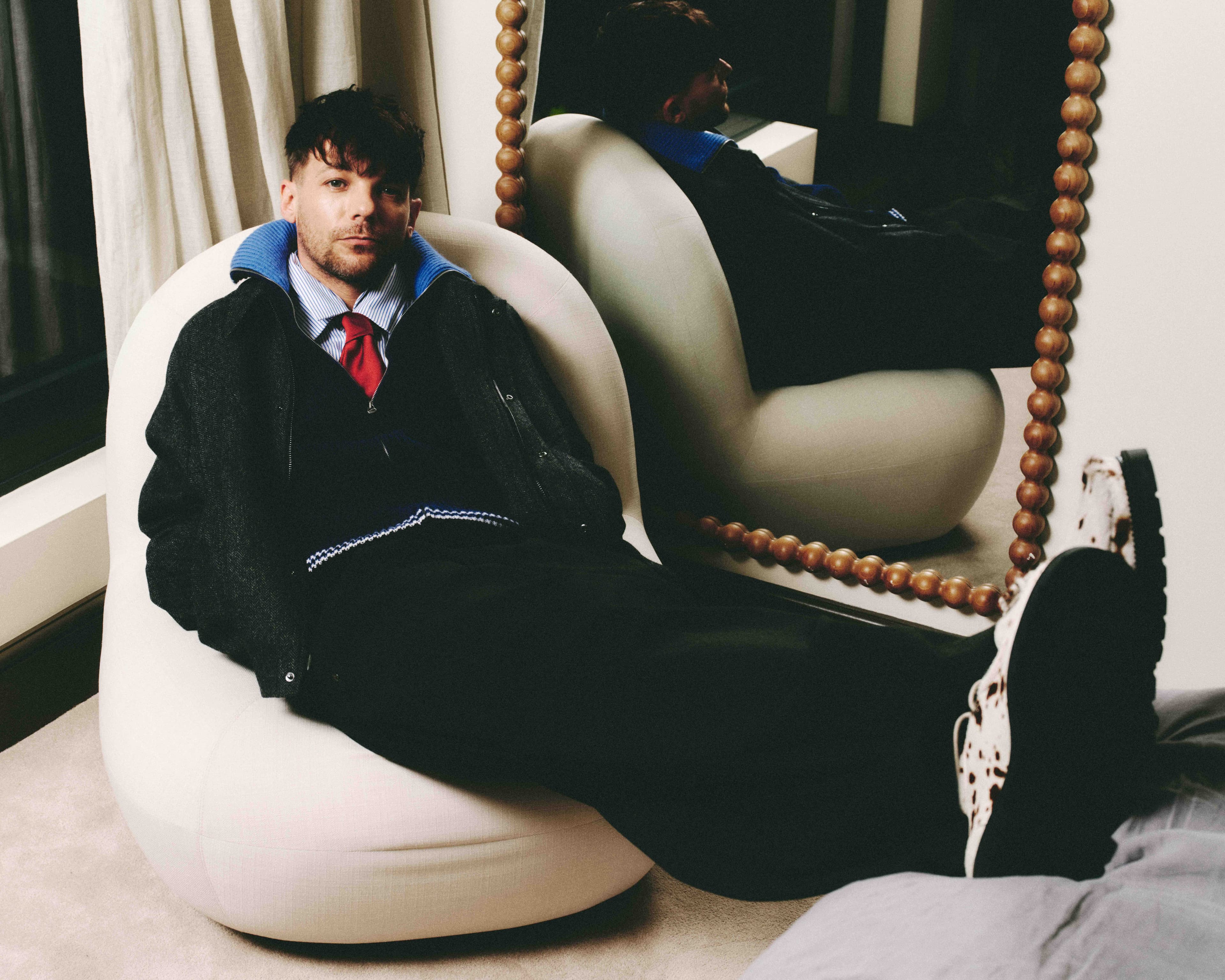
The story behind Tomlinson’s second golden stint at solo success is just what its namesake might indicate: how Tomlinson, through family tragedy (his sister, Félicité, died of an accidental overdose in 2019, and his mother, Johannah, was lost to leukaemia in 2016), a global pandemic (his first tour was disrupted in 2020 by Covid), and struggles with self-confidence (the singer has admitted to not believing his career would be the one to take off post One Direction), came to find himself and his sound. But How Did I Get Here is filled with what producer Nico Rebscher has coined ‘Louis DNA’. “Musically, there’s always been an emotional hook to what I’m saying,” Tomlinson tells me. “So, I think there’s an identity in what I talk about, and in the way I talk about things.” Through tracks like ‘Sunflowers’, ‘Lemonade’, ‘Imposter’ and ‘Lazy’, there is a ‘Dark To Light’ (excuse the pun) spectrum of feeling explored in the record. ‘Last Night’ and ‘Lucid’ even ooze that dizzy pop sound the singer resisted for so long after 1D, as he strove to express his individuality by referencing the music he listens to himself, like Oasis and Arctic Monkeys. Though their influence was more pronounced in his earlier albums, it still seeps through in tracks such as ‘Broken Bones’.
“I was even aware of how cliché that was,” Tomlinson says of this individualist mentality. “But that didn’t stop me wanting to prove a point.” Now, he’s starting to reverse some of that. Now he’s “taking risks (other people won’t interpret it as a risk) by embracing that pop sensibility, those bright colours”. But he’s finding a way of doing so that makes him “feel cool about it”. I ask about ‘Side by Side’, the upcoming bonus track dedicated entirely to his “superpower” fans — the people on whom Tomlison is still endearingly “co-dependent”, despite a now 15-year-long career. Creating “that shit is important”, he says, “because I genuinely don’t have enough words to thank them. Any time I’m doubting whether I can do this, they give me a little shove.” How does he reconcile that gratitude with the more challenging parts of fame? Mobbed hotel rooms and the concept of a private life made forever unattainable. “Truthfully, that comes as much from the press as it does the fans,” he says. “I’ve been around enough to understand it to a degree. These people are so ride or die for me that’s part of the passion, you know? You can’t have one without the other.”
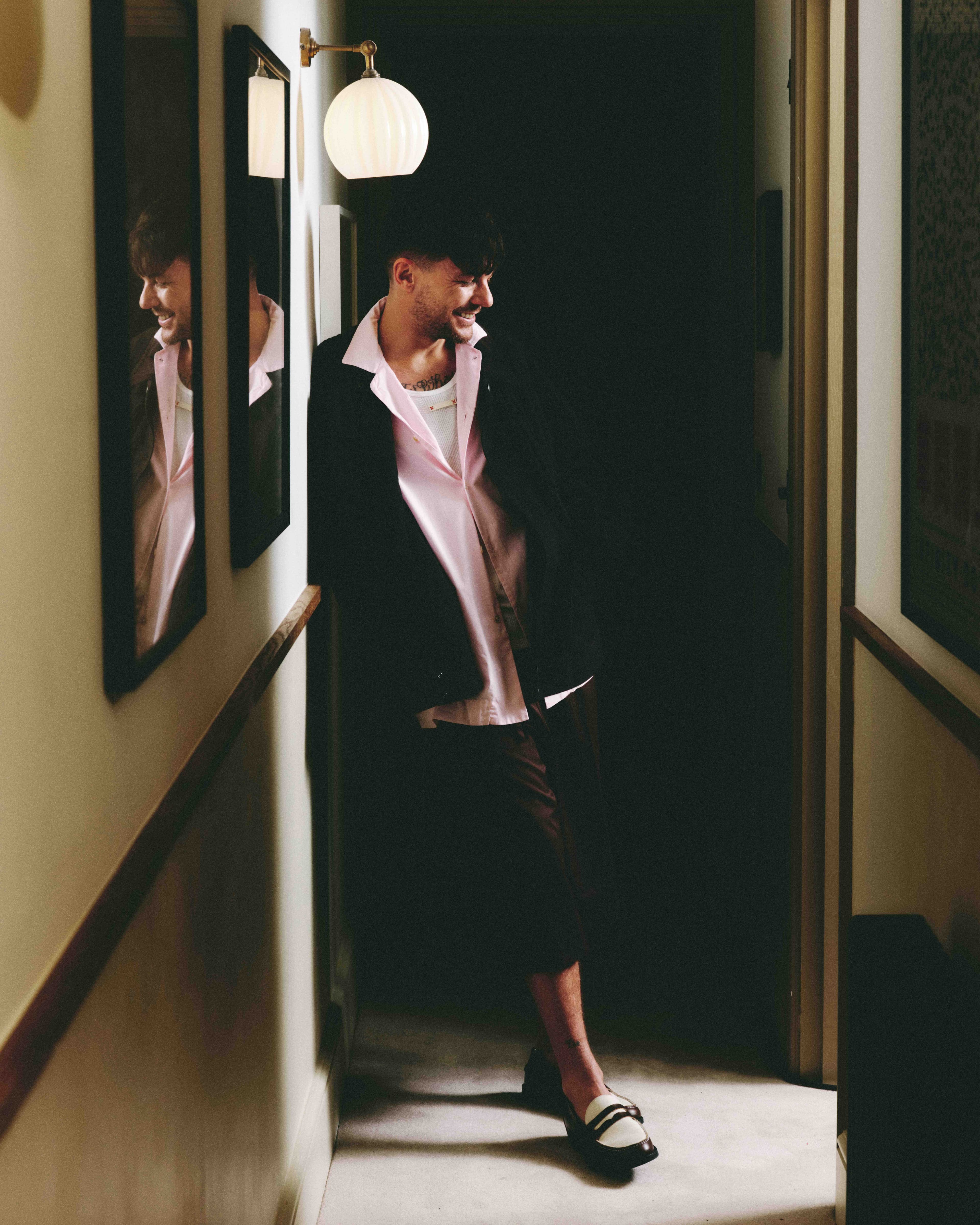
“The music industry feels at least 75 percent mystique and smoke and mirrors. What I love about touring is that it’s really literal. I stand on stage, and I sing.”
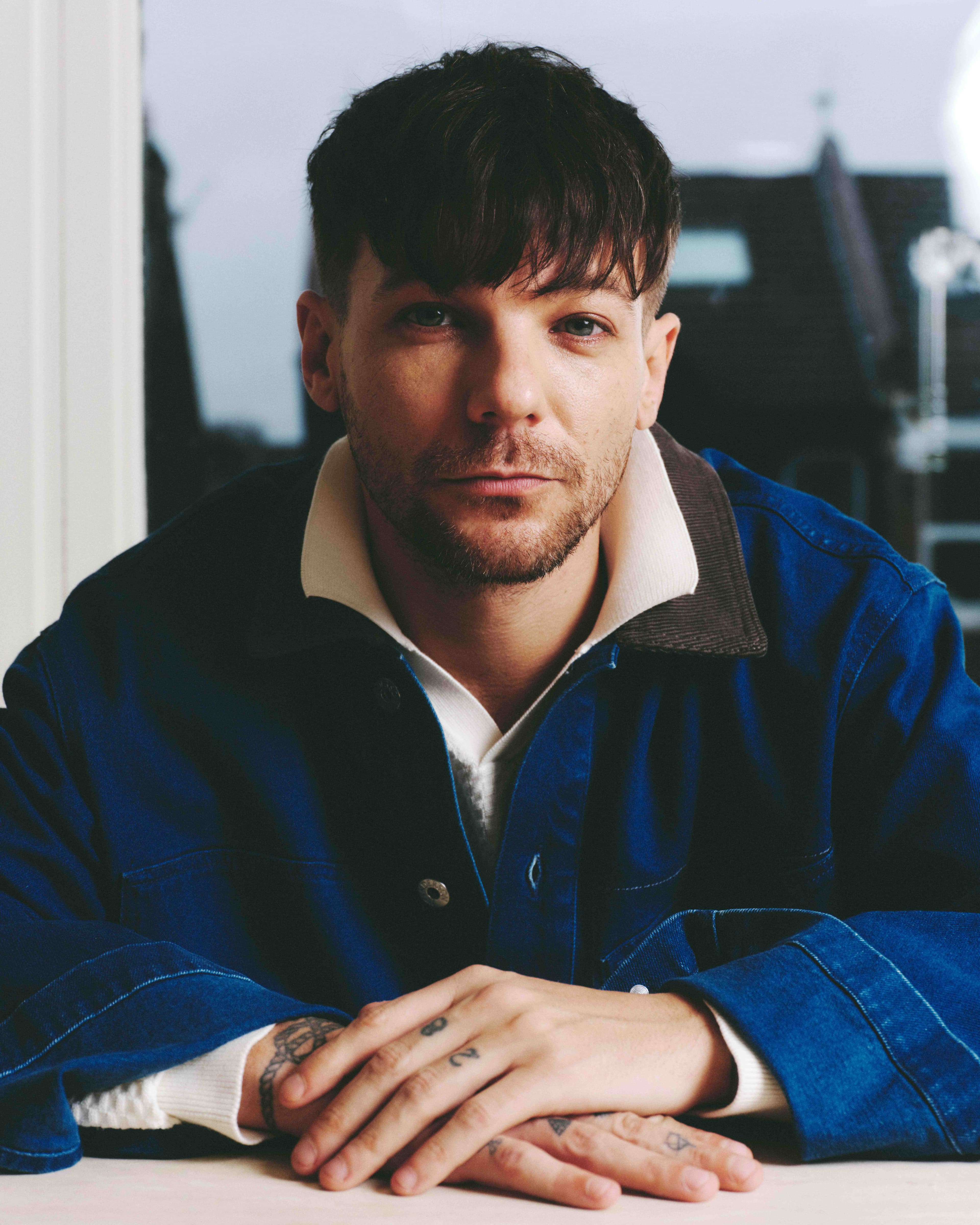
What he does find challenging is the emotional load — the deeply personal stories that naturally come from those who’ve connected with his music and want to share that. “There is a burden after every signing,” Tomlinson says. “There’s a handful of people who will have those conversations with me, and I am thankful to have them, but some of those things are tough to hear.” After the release of ‘Two of Us’, a heart-tearingly raw track from his second album about the loss of his mum, one fan shared her own experiences of grief with Tomlinson at a signing. This helped him to understand the real power of his music in encouraging discussions around difficult topics — something he wants to endorse as much as possible. But equally, Tomlinson knows he’s “not qualified to have those conversations” and often feels “worried about giving advice in that regard”. Fans are quickly whisked through these situations, leaving him little time to process what has happened and dedicate the full attention he would ideally want to give. “Sometimes, you’re left with a lot of guilt,” he says.
These thoughtful reflections are further evidence of Tomlinson’s gentle sensibility — his well-documented down-to-earthness and visible sense of justice. “I thought I’d get to this age and be like, ‘You know what? I’m comfortable looking like a cunt’,” he says. “I’m not. It still feels too pretentious to be rolling about in a flash car.” The artist has spoken vocally about the rising cost of live music, describing the extortionate Oasis tickets as “fucking ridiculous” — but with the caveat he did attend. “Does that make me hypocritical?” he says. He’s also praised his 2022 support band, Only the Poets, who recently charged just £1 for their Brixton Academy gig. Matty Healy labelled VIP meet-and-greet packages as ‘gross’ in an interview with Variety in 2023, and Tomlinson agrees, vehemently stating that they shouldn’t exist and that it’s up to the artists to take the lead on change. “If someone the size of Taylor Swift put some kind of petition out about a [price] cap at a certain level, then there would be an element of guilt for the people at the top to be charging what they are.”
What it really boils down to, Tomlinson says, is that you need these artists to be “a little less greedy for a second”. Because if costs continue to rise, the future of music is totally inaccessible. “At some point,” he says, “there’s only going to be the affluent people at gigs, and that’s not what music’s about. People can’t be priced out of coming to music.” Conversations about affordable ticket prices on his upcoming world tour are constant. Though the artist admits, he’s in
a “pretty niche situation where I don’t have to chase profit quite as hard” because of the money he made in One Direction. The transparency of this comment strikes me as refreshing during a time when two of his former bandmates are engaged in a cold war of opinion and action over the very same subject. Harry Styles is charging upwards of £466 for seated tickets to his 2026 Together, Together tour, and Zayn Malik is making veiled comments — or at least the internet seems to think so — about his disapproval.
Tomlinson, in comparison, is direct and self- effacing about his role in the perpetual saga of fame, scandal and money. As he is about most topics we cover. He shows a genuine interest in receiving music recommendations, is ready to tease and be teased over his media-savvy responses to questions about his and Malik’s upcoming Netflix documentary (nothing further to report here, I’m sorry), and still possesses that schoolboy enthusiasm for performing live. “The music industry feels at least 75 percent mystique and smoke and mirrors,” he says. “What I love about touring is that it’s really literal. I stand on stage, and I sing.” That is where he feels most alive. Like a part of something. Watching his fan reactions, the people who help everything, just “makes sense”.
- PhotographerMatt Moorhouse
- StylistDillon Ware-Lane
- WriterHattie Birchinal
- GroomerKrystle Gohel using ARMANI Beauty
- Photographer's AssistantIan Blackburn
- Digital TechnicianIgor Hill
- Fashion AssistantHannah Shaw