Tuuli Tea is the rebellious herbal brew brand made for real life
When we think of herbal tea, a pastel-coloured box promising words like ‘calming’, ‘unwind’ or ‘detox’ often springs to mind. What draws us to a mug of ‘calming lavender’ or ‘refreshing mint’ can be many things, but more often than not, it’s the promise in the name, a desired mood or state, rather than any feeling we’ll actually experience. We’re lured into the sense that a brew, which undoubtedly tastes much the same as all the other flavours, will reflect back at us the life we want to be living.
Rather than shaming ourselves into downing a peppermint tea after a big night out, Tuuli Shipster, founder of Tuuli Tea, is disrupting not only how we drink herbal tea, but how we might bring balance and self-compassion into an often rigid and inflexible wellness world.
Launched in 2022, Tuuli Tea grew out of Shipster’s fascination with the power of herbs, and the frustration with the lacklustre offerings of supermarket herbal teas, creating brews designed for the real highs and lows of everyday life. With an infusion for (almost) every moment, from heartbreak and focus to sleep and digestion, Tuuli Tea is anything but your average cup of tea.
Setting her brand apart from the usual tropes of the wellness world, Shipster rejects the idea of perfection in how we live. “I really believe that life is about balance,” she says. “You should have a life that’s full of all the things that make you happy, even if that’s the occasional wild night out or an insane party. The way I look at wellness and health is a wide, rich and balanced life.” This philosophy sits at the heart of Shipster’s brand.

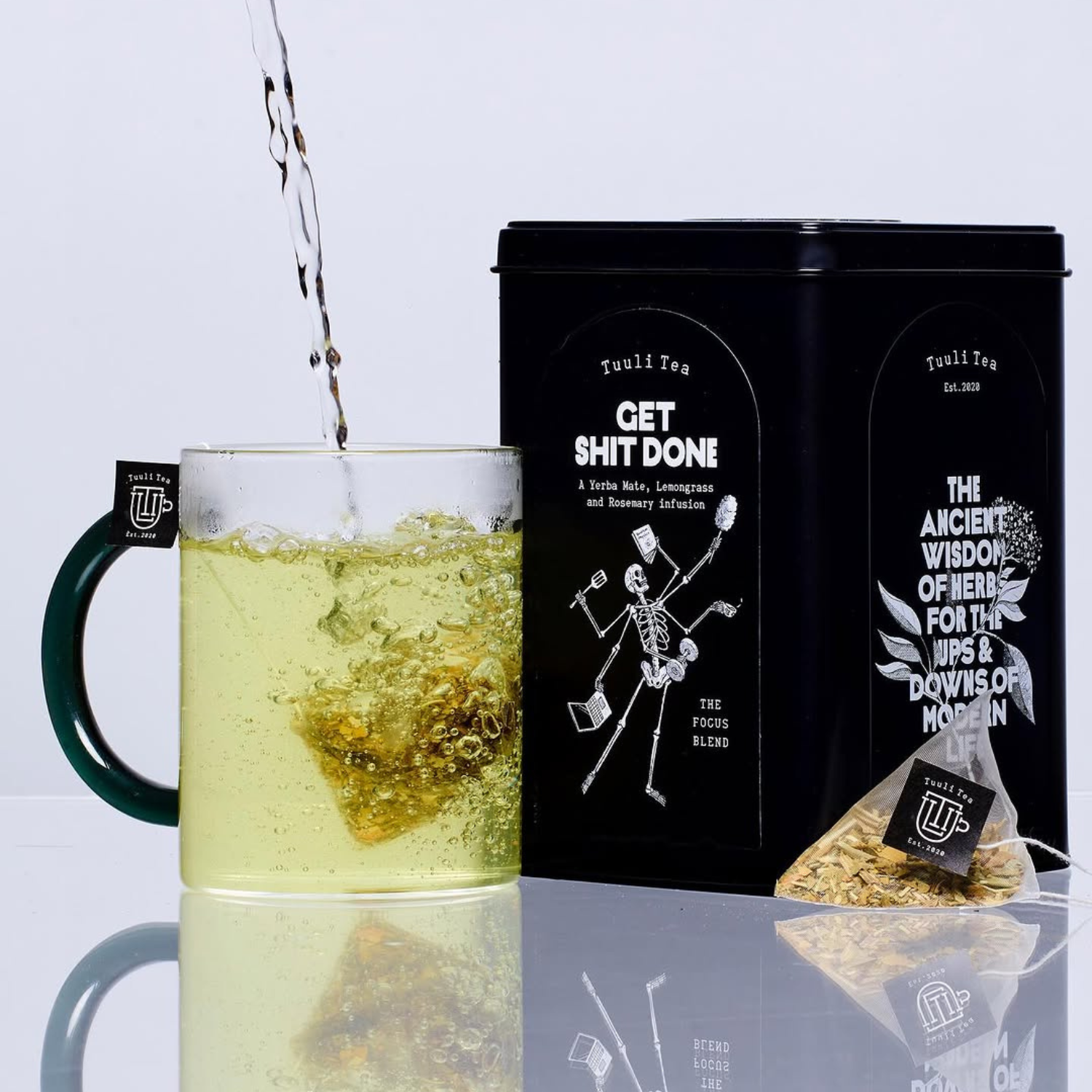
With names like Morning After (The Night Before), I Hate The World, Heartbreak and Get Shit Done, Tuuli Tea varieties are blended to restore a sense of equilibrium amid the chaos of life. Rather than promising serenity or self-optimisation, each tea is designed for a specific moment, with herbs chosen carefully to match.
It was while working as a yoga teacher that Shipster found herself repeatedly asked for advice about food and wellbeing. This prompted her to complete a nutrition diploma, which ultimately led her to the world of herbs. “Halfway through the course,” she says, “I realised nutrition is fine, but herbs are more interesting, because you can do so much with them.” She went on to complete a postgraduate qualification in herbal medicine, and it was there that she began to notice the façade surrounding supermarket herbal teas.
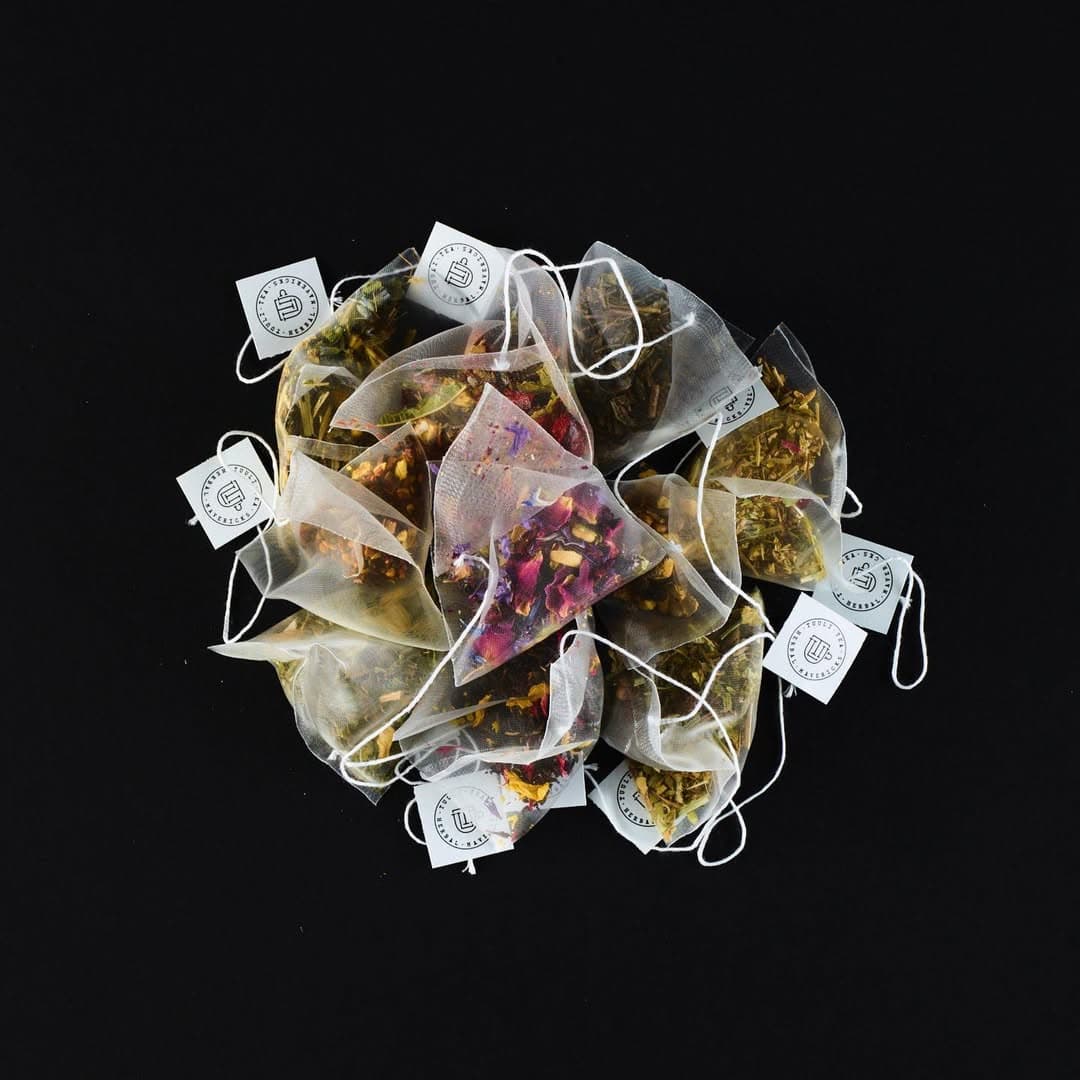
“So many teas are basically just dust in a teabag,” the founder says. Sensing a gap in the market for blends with more depth and interest, she began experimenting with her own bespoke infusions. “I felt a different approach would encourage people who wouldn’t normally reach for herbal tea,” Shipster explains.
The early days of the business were, by her own admission, “amateur”: blending teas in her flat using tiny weighing scales bought on Amazon, delicately measuring pinches of ingredients by hand. She has since partnered with a small factory in Kent to recreate her original blends at scale, but remains closely involved in the process. “It taught me so much about herbs and flavour,” she says. “I knew every part of it, which most tea brands don’t. They just go to a company and say, ‘Blend this for me’.”
Speaking about her process, Shipster’s passion is unmistakable. She combines her knowledge of plants and formal training into a holistic approach to wellness and ritual. A self-confessed “tea obsessive”, she places real value on the ceremony of making a brew, particularly, she notes, in Britain. “Herbal teas aren’t powerful just because of the herbs,” she says. “It’s the ceremony of making a cup and taking a moment for yourself. That’s self-care.”

While her belief in the power of herbs is unshakeable, Shipster’s approach to wellness is anything but solemn. Keen to retain a sense of playfulness, she deliberately avoids the seriousness that can surround the industry, which she believes can feel dull and ultimately uninviting. “Tea can be quite boring and serious,” she says, “and it doesn’t encourage a lot of people to drink it.”
With striking skeletons on her packaging — “everyone has one; there’s no gender, age, race or body type” — Shipster aims to show that herbs are not only purposeful, but interesting. And, she insists, they are best enjoyed as part of a broader, more forgiving approach to wellbeing. “I’d love to encourage people not to chastise themselves,” she says. “To enjoy life and embrace balance.”
Although Shipster is keen to grow the business, she has no desire for it to become an enormous name. “I want it to retain its ethos, its point of difference and its maverick status,” she says. Hinting at a broader future for the brand, she adds: “I do want to explore other herbal products, and I think I’ve spotted another little gap in the market.”
In a culture where wellness is so often packaged as a cure, Tuuli Tea positions itself instead as a companion to everyday life. “We have enough challenges already,” Shipster says. “I want my brand to reflect that — like a herbal tea toolkit for coping with the way life can be, rather than something that claims to fix all your problems.”
- WriterKatie Inglis
- Image CreditsTuuli Tea