Galería Alta is showing never-before-seen works by Frank Horvat
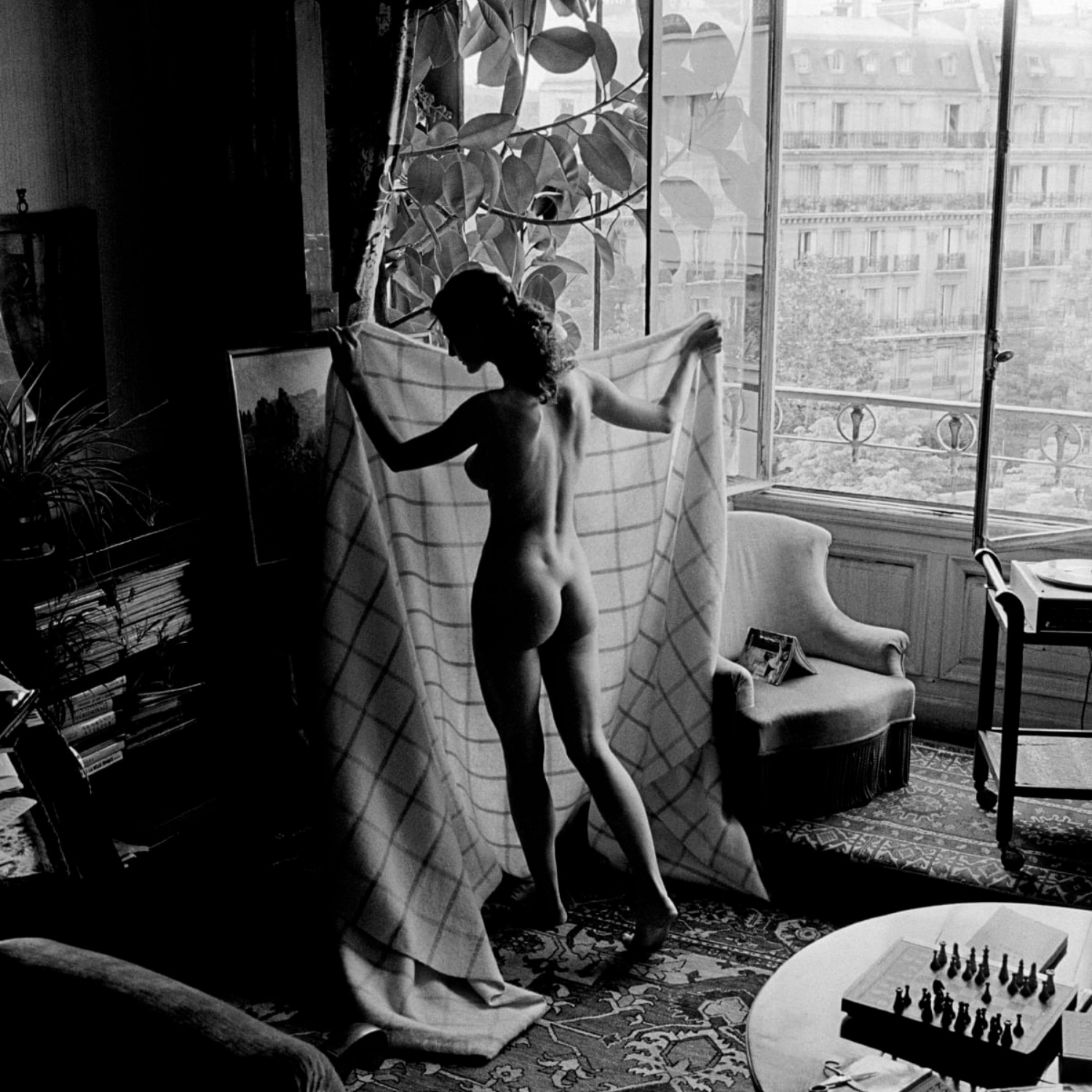
In exciting news for the art world, Andora’s Galería Alta has acquired previously unseen works from the estate of twentieth century photographer Frank Horvat. For those unfamiliar with the Croatia-born artist, Horvat was a preeminent figure in photography, who fled to Switzerland after facing exile, and later visited India and the United Kingdom, until eventually settling in Paris. His work, spanning photojournalism to commercial fashion shoots, is known for its spirit of spontaneity.
Working with Horvat’s daughter, Fiametta, gallery co-owner Pancho Saula explained in a short feature entitled ‘Do Not Push the Button’, how this collaborative project started: “We looked for works that conveyed both stylistic innovation and the honesty of his vision.” Saula explains that, “For the selection, we prioritised pieces that represent his different stages, from fashion to photojournalism. We wanted to show his duality, humanism and sensitivity.”
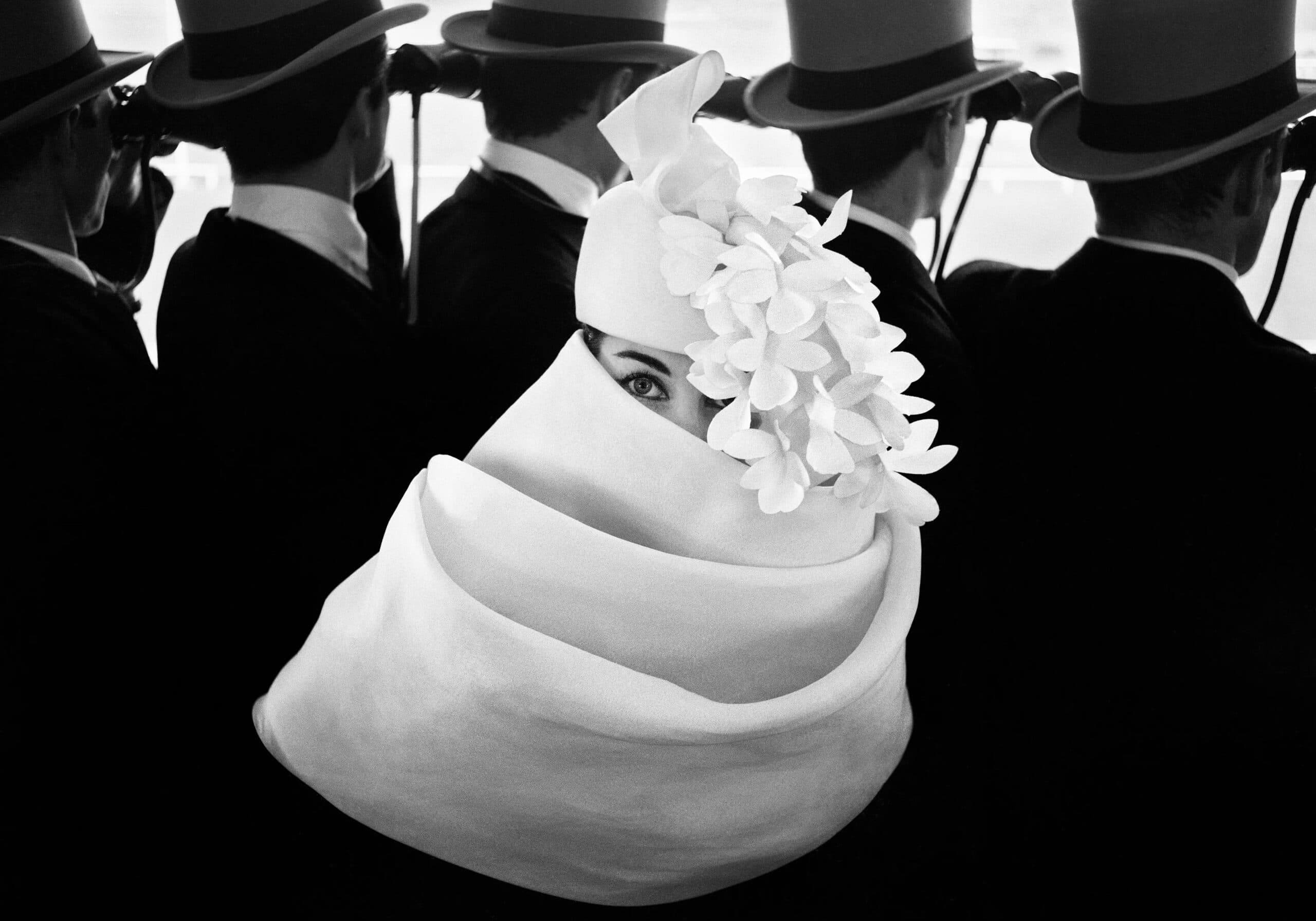
This humanist lens, both the one fronting his 35mm camera and his intangible artistic eye, comes through each of Horvat’s shots to touch thoughtfully on the everyday. Fiametta, who champions the enduring legacy of her father’s works, says this came from a consistent curiosity toward all of his subjects. “For him, photographing someone — whether a person or a tree — meant discovering its true essence,” his daughter explains. “He said every photo was a portrait: a portrait of an object or a being.”
There’s certainly a freedom in photographs like ‘boxing boys’ (1955) set on a Lambeth street; but his talent for digging beyond the facade can be seen just as well in his shots for Jardin des Modes (1957) and Vogue Italia (1986). Whether a glamorous Paris apartment or a fight between children on the street, Horvat had an eye for freedom.
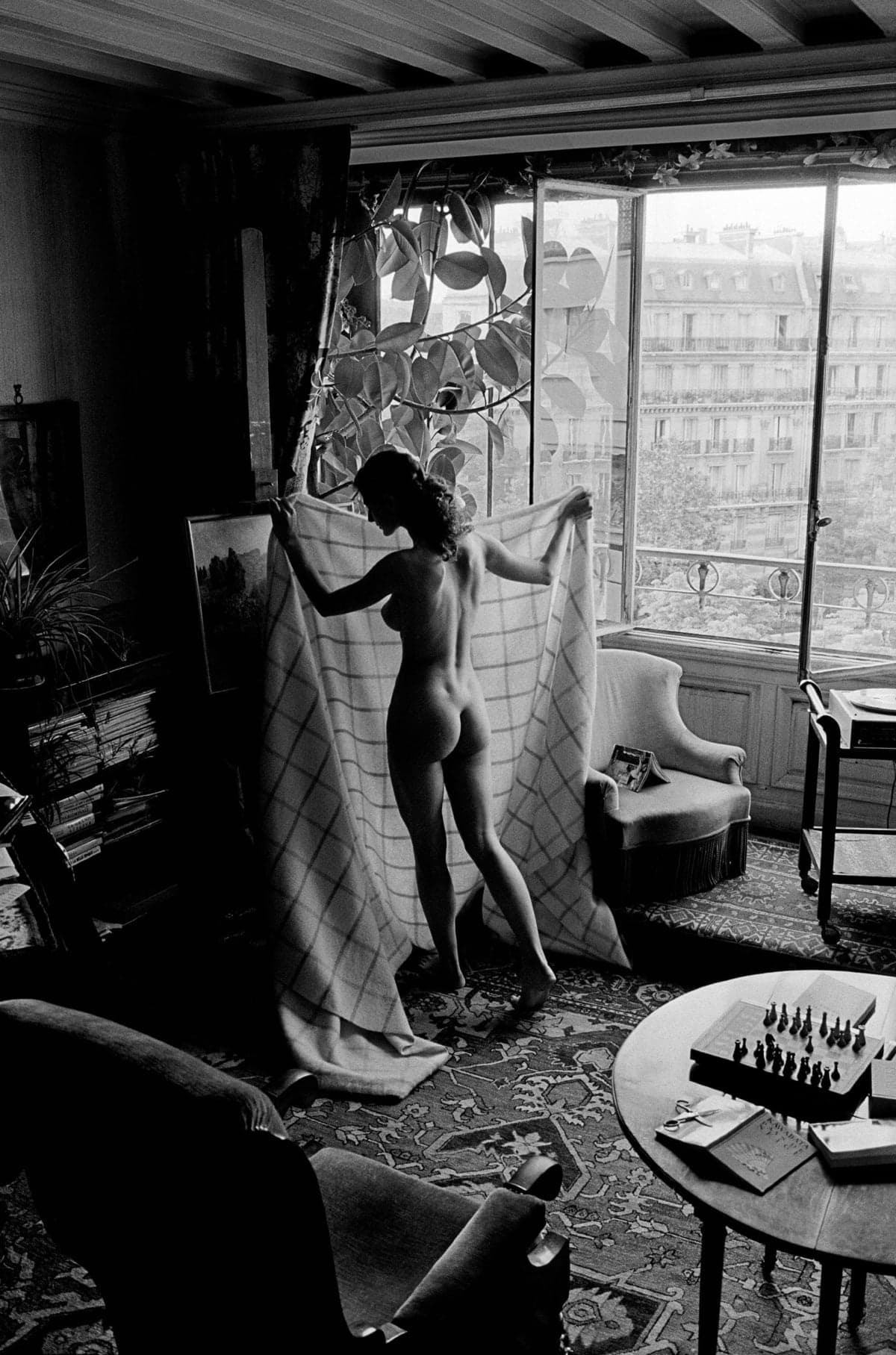
Speaking to writer Íñigo de Amescua for the featurette, Saula discussed the unique opportunity of revealing new pieces to the public: “Fiametta allowed us to bring to light previously unseen photographs that her father never printed in his lifetime. The idea of adding his work to Galería Alta was born almost naturally, stemming from our intention to bring in figures that can dialogue across different generations and styles.”
Horvat’s enduring legacy, Alta’s new acquisitions and the apparent excitement shared between Fiametta and Saula alike surely promises a welcoming reception as these previously unprinted pieces see the light of day. It’s telling that ‘Do Not Push the Button’s opening line proclaims: “Horvat was the twentieth century.” Now, an exciting prospect for our own times will pull him into the twenty-first.
- WriterDaisy Finch