Every photographer needs their own Françoise
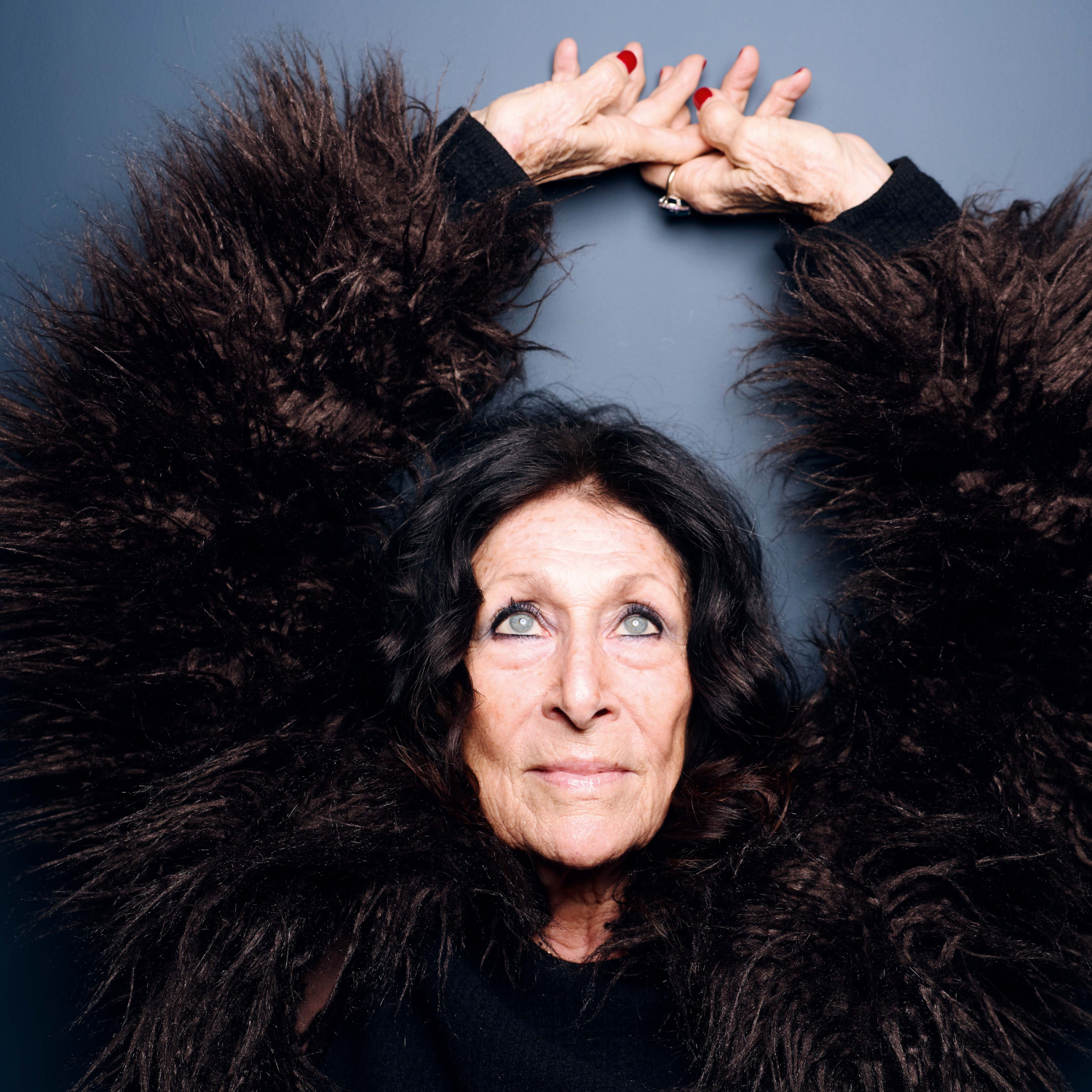
Producer, agent, business manager and devoted partner, Françoise Kirkland made a name for herself as the woman behind one of photography’s greatest legacies, Douglas Kirkland. From reloading cameras in open- door aeroplanes to sitting on her husband’s deathbed with none other than Grace Jones, Kirkland’s devotion to her life partner made such an impression within the photography community that she garnered her own tagline: ‘everybody needs a Françoise’. Since her husband’s death, she has channelled her loss into purpose. She’s just published ROMANCE with Damiani Books and is currently working on her upcoming project, muse. But most importantly, Kirkland has partnered with the Morrison Hotel Gallery to ensure her husband’s work (and the stories woven within it) don’t die with him.
Here, Kirkland sits down with Rankin for a heartfelt conversation on marriage, Marilyn Monroe and her mission to keep her late husband’s legacy alive. In her own words: “You die when the last person says your name.” She has no intention of letting that happen.
Rankin: Am I right in saying you were Douglas’s assistant? What was your actual role?
Françoise Kirkland: I married Douglas, and then I realised that really my rivals were not the beautiful women that he was photographing, but it was the camera. I made myself indispensable and I did everything from carrying the cameras to cooking, to sweeping the floor. I was trying to create his playground basically, so that he wouldn’t have to worry about other things. And I was his producer. I eventually ran the business because it was easier for him to just let me take care of it. I was an agent, too.
“When he was shooting, he was like a monster sometimes.”
R: So, you were a Jack of all trades.
FK: Oui, exactement. There was a popular saying among some photographers that I was a secret weapon and ‘everybody needs a Françoise’. I had to reload cameras in the aeroplane with the door open — I remember the first time he threw me a camera, it was above Montréal. He throws me the camera and he says, “Reload”. So here I am, rewinding this very slowly ,thinking, ‘What do I do if I ruin the film? I’d better just jump out of the plane or something’. I did whatever there was to be done, and then, as I gained confidence and as I got older, I ran the show.
R: Douglas was successful before you, but it sounds like you amplified it.
FK: He was actually 12 years old when he knew he wanted to start to take pictures, and he lived in a very small town called Fort Erie in Canada. His parents received Life Magazine every Friday and Douglas would come home from school and he’d go through it with his father and dream about all these places, because nothing ever seemed to happen in Fort Erie. He took his first picture when he was 12 of a box brownie, and from then on, decided that he was taking pictures. He moved to the states, eventually ended up in Richmond, Virginia, was married, had a child. In Richmond, he got introduced to the work
of Irving Penn and he wrote three, four letters to him. Finally Irving Penn answered and said, “Well, there’s no work here, but if you ever come to New York, you’re welcome to come and visit the studio”. Douglas went there with a portfolio and he knew how to print colour, and Irving Penn was interested. So, Douglas started working and… Oh, this is a very sweet story! The first day that he was left alone in Irving Penn’s studio, he decided to wash all the windows, and Irving Penn came back and said he “ruined everything” because he’d been waiting to make the light soft. Anyway, it’s become a bit of an urban legend.
“I’m not impressed with movie stars, I’m impressed with people who have empathy, or who are interesting.”
R: But how long did Douglas work for Irving Penn?
FK: About six months, and then he gave himself a year to go back to New York
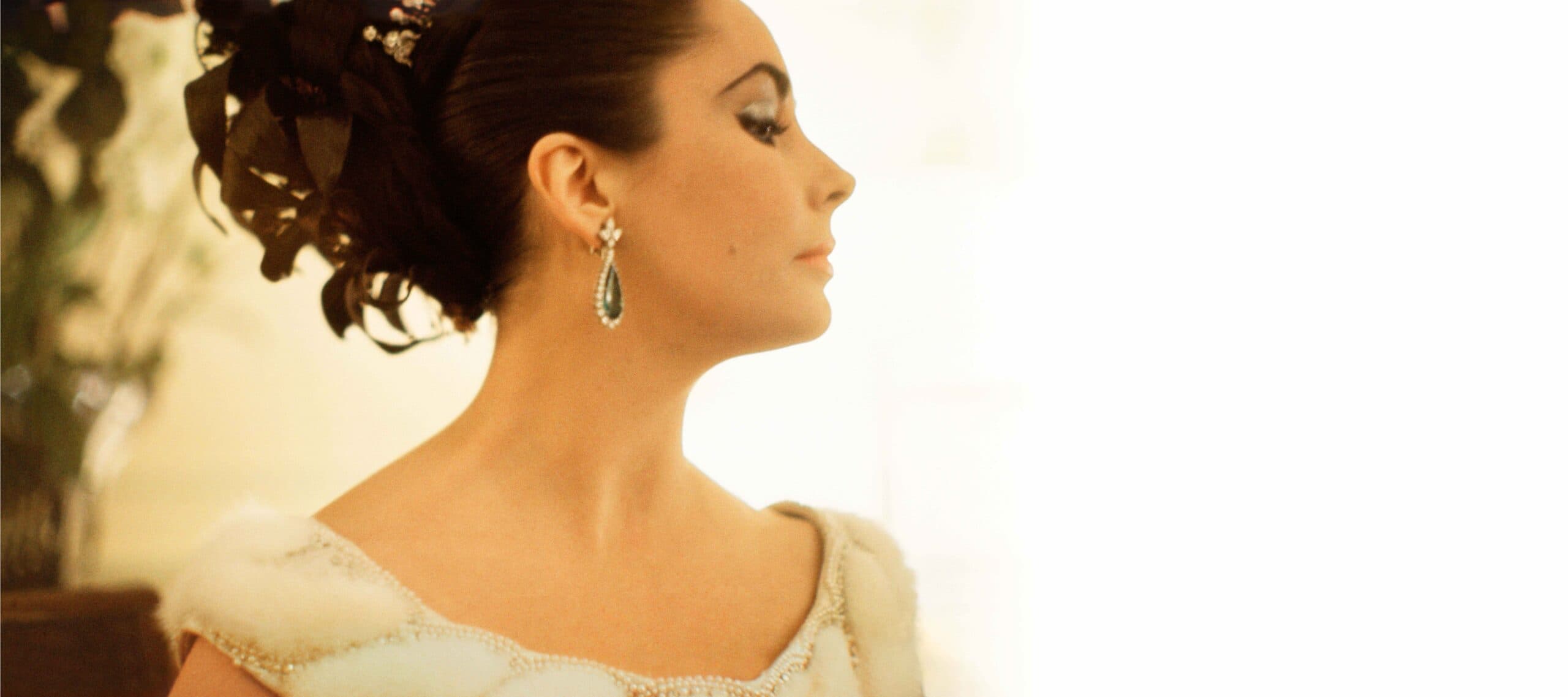
and make it work or go back to Fort Erie. A man called Morris Gordon sent him to Look Magazine to be interviewed and none of their staff photographers were shooting colour, so he got hired. He got a call from the editor- in-chief saying, “Elizabeth Taylor is in Las Vegas”. It was after she had the tracheotomy and she agreed to do an interview, but she said no pictures. Douglas sat behind the scenes very quietly, and at the end of the interview, he got up and said, “Elizabeth, it’s been wonderful to meet you. I’m new with this magazine. Can you imagine what it would mean to me if you allowed me to photograph you?” She thought about it for a minute and she said, “Okay, come back tomorrow at eight in the evening”. And he took those pictures, which basically made his career.

R: So, was it the pictures of Elizabeth Taylor that made him?
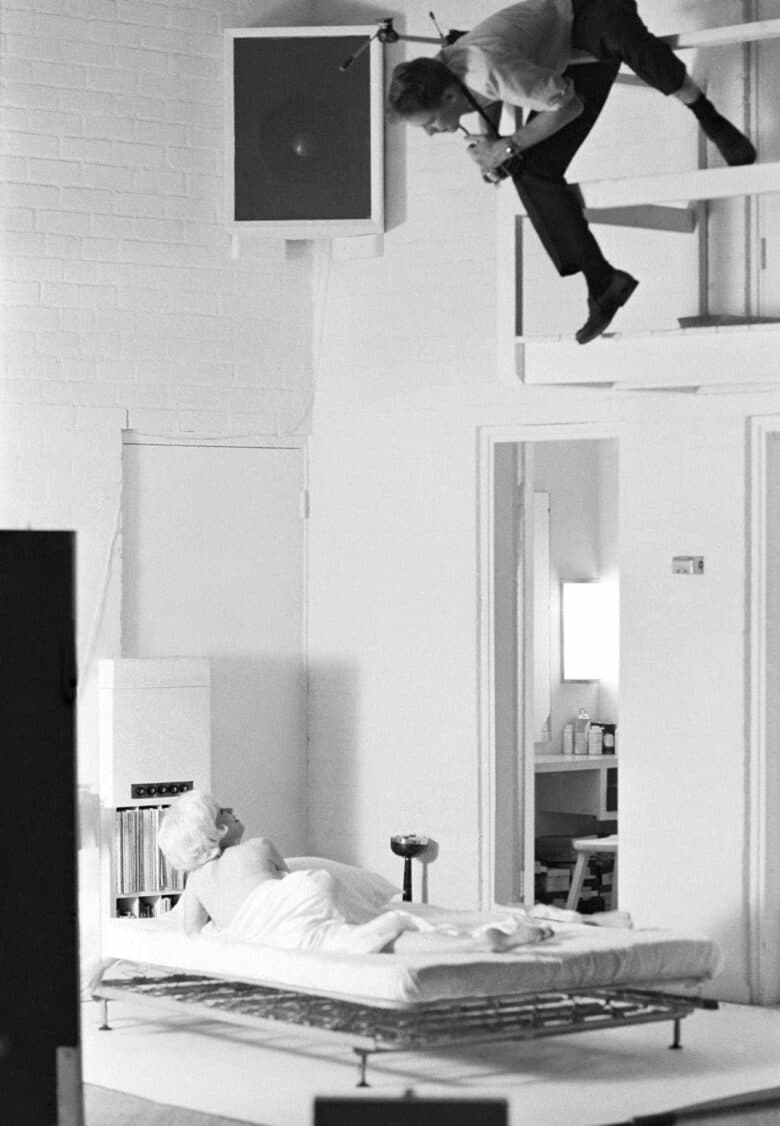
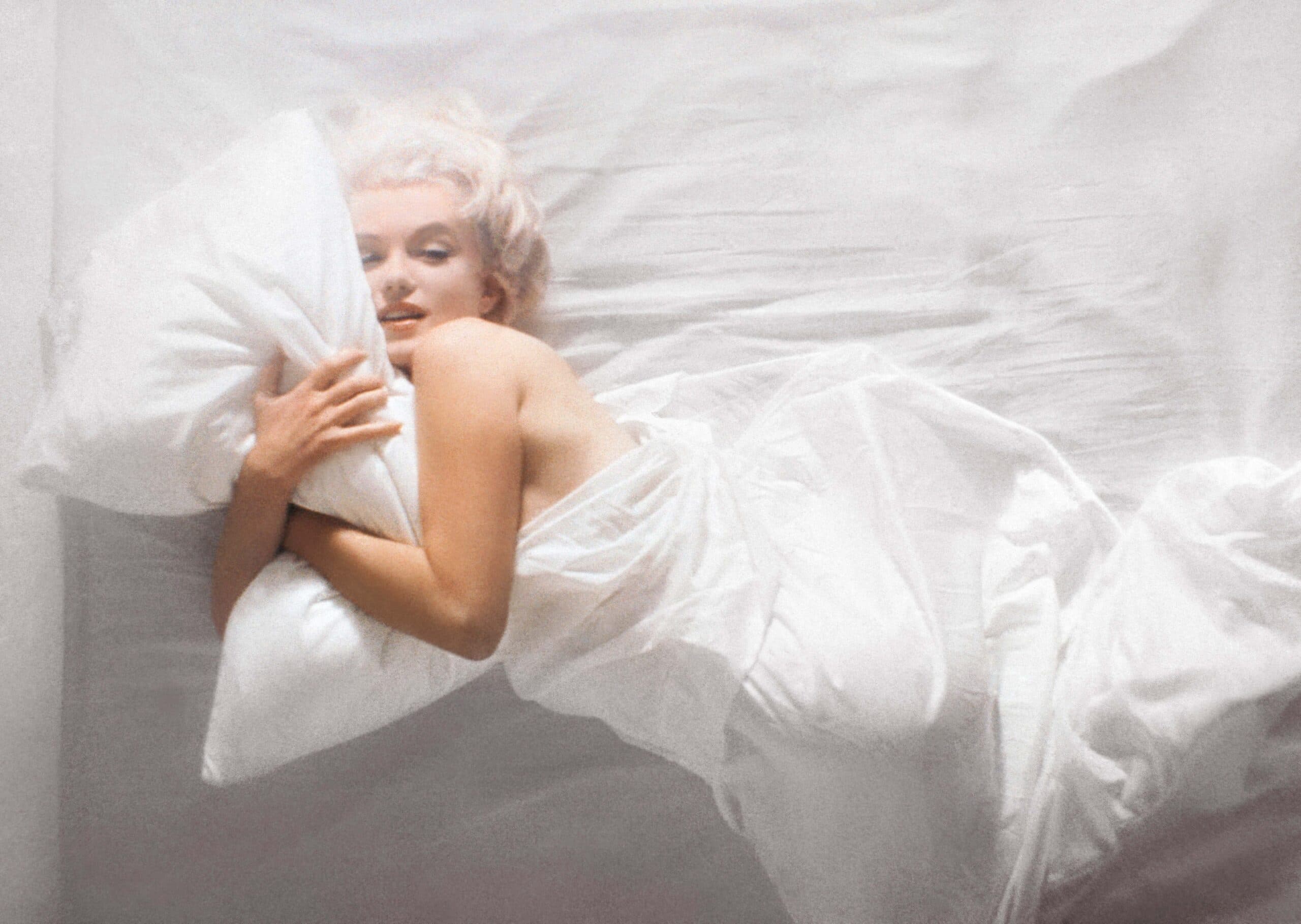
FK: Yes. Everybody always thinks it’s Marilyn Monroe. But the pictures of Marilyn Monroe only became famous much later on as part of a story, ‘How do you want to be remembered 25 years from now?’
R: And was that how she wanted to be remembered?
FK: She wanted to be remembered in bed. With the sheets. It was her idea.
R: I didn’t know that! I thought she collaborated with him on the idea.
FK: She didn’t collaborate, she told him what she wanted. She told him, “This is what I want: I want Frank Sinatra records, silk sheets, Dom Perignon champagne. I’ll wear nothing under the sheets.” And the day he showed her the pictures, she was in a dark mood and she cut a few of them, but the horizontal classic — the one where she’s grabbing the pillow — she said, “That girl is the kind of girl that a truck driver would like to be in bed with”.
R: When did you meet Douglas?
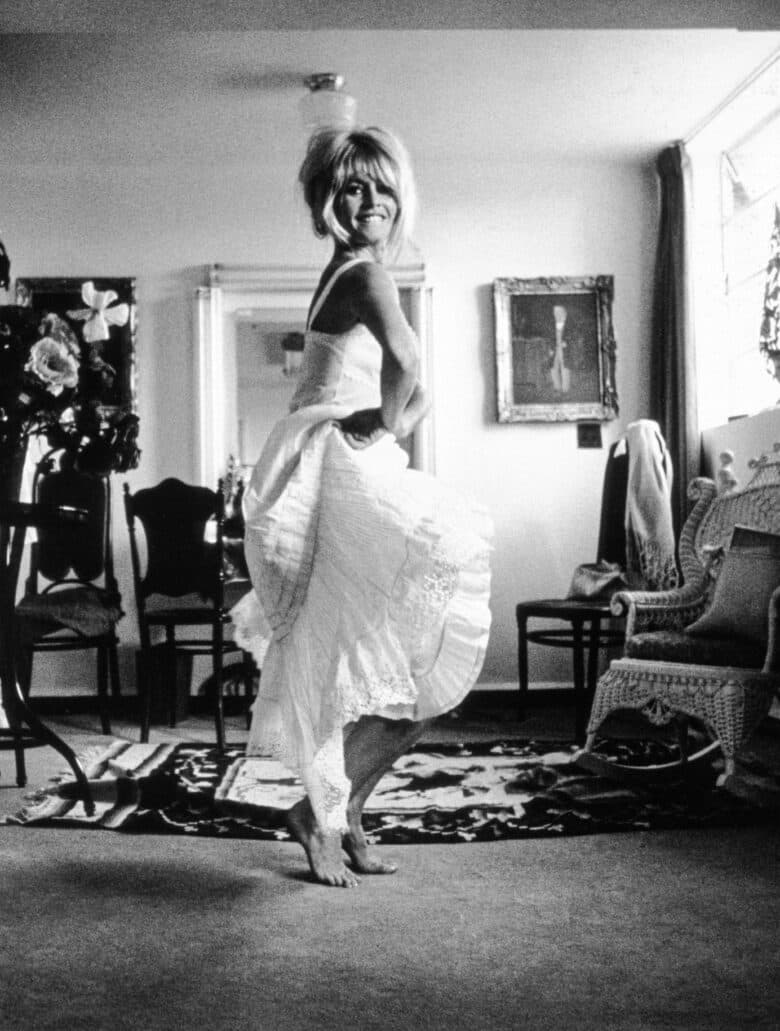
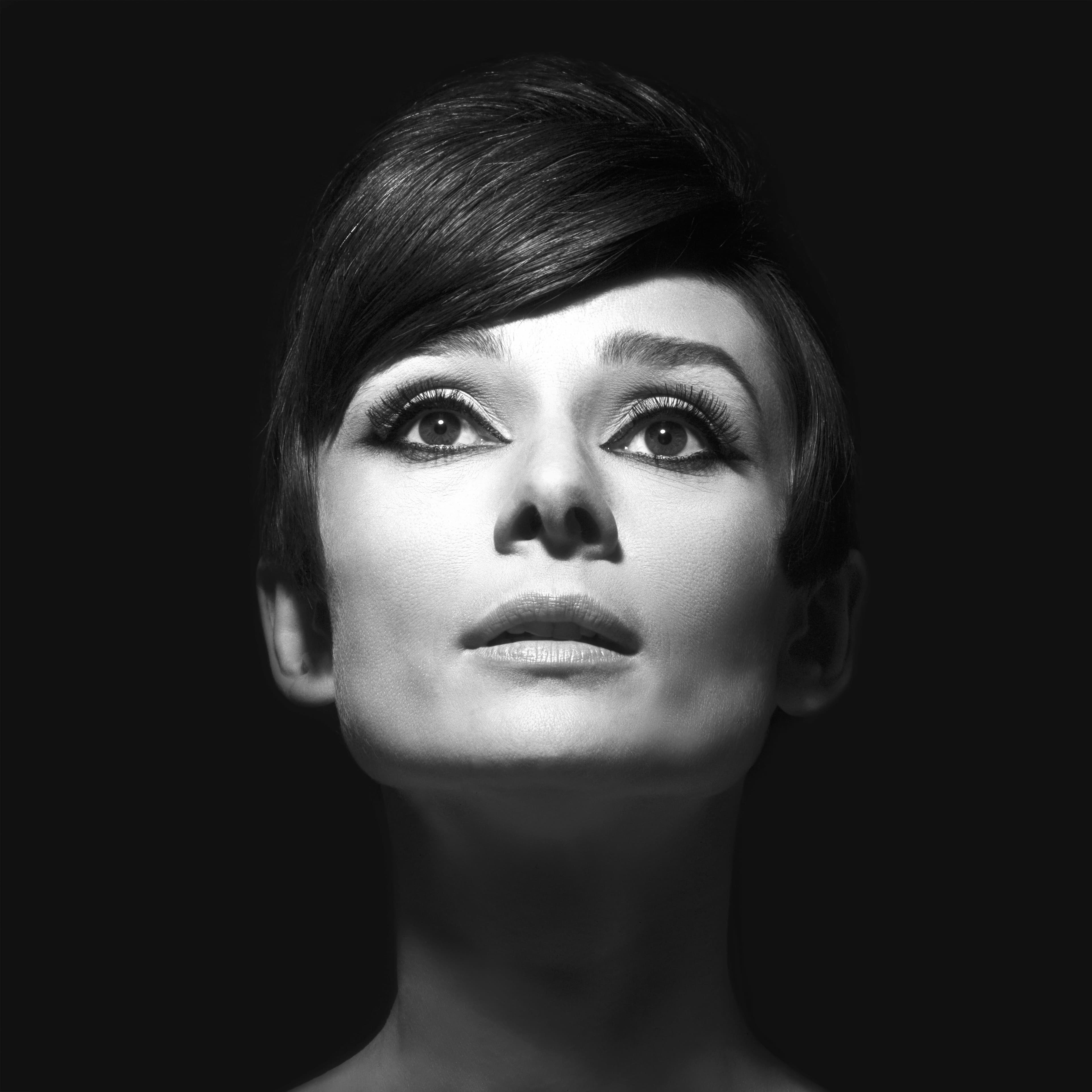
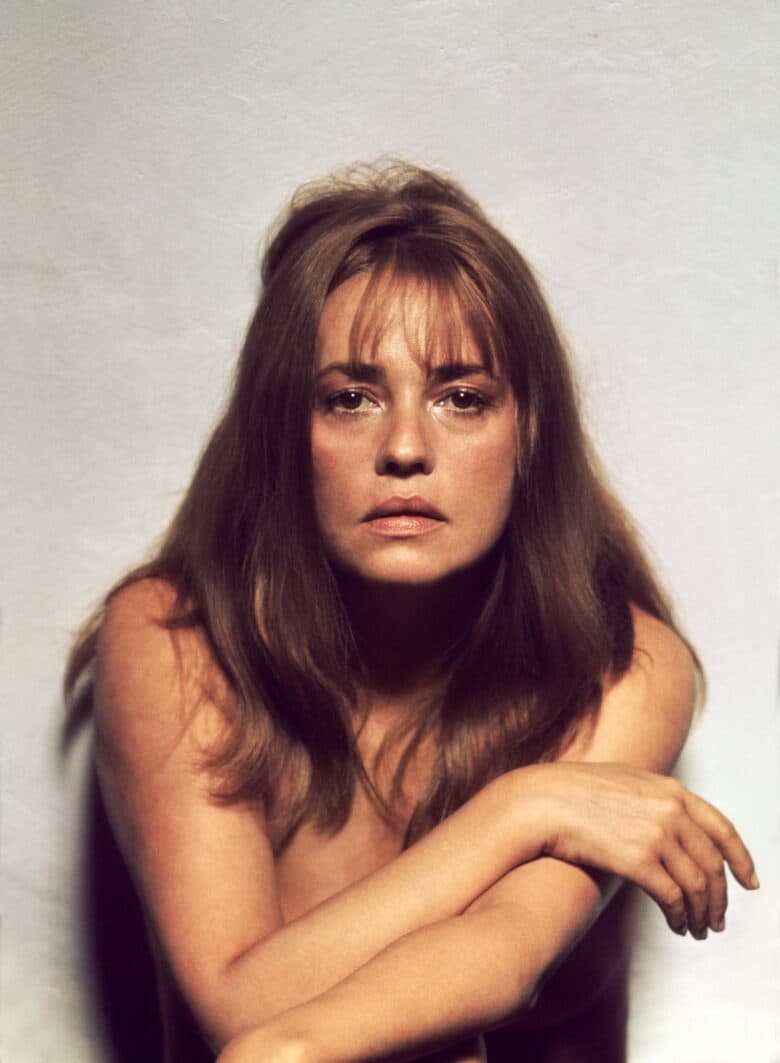
FK: I met Douglas in 1965, in Paris. My mother was the publicist of How to Steal a Million Dollars with Audrey Hepburn and Peter O’Toole, and Douglas was hired as a special photographer. I went to the studio to see my mother and I had heard about Douglas. I mean, he was coming with quite a reputation. He was just divorced, Brigitte Bardot really liked him, he’d had an affair with Jeanne Moreau on Viva Maria, and in comes Douglas. He sits in the big armchair and he falls asleep, so I had 20 minutes to look at him and, God, he was so good looking. And then he woke up and said, “Would you like to
go to dinner?” And in the middle of dinner, he looked into my décolleté and he said, “You have very blue eyes”, and I went to bed with him that night. The next morning, I called my boyfriend and I said, “C’est fini! It’s over!”
“I was trying to create his playground.”
R: There’s lots of things that people say about photographers — everybody’s got a reputation. Douglas’ reputation has always been the most charming of men. Was he that charming?
FK: He was, but not only was he charming, I think Douglas was very pure. And he had no agenda. He wasn’t a complicated person. He loved photography. He loved women. He loved to make people look beautiful and to see beautiful things. But he was very noisy.

R: Noisy. What do you mean?
FK: He would scream and yell. He’d be sweaty and excited. In real life, he was a very laid- back person, but when he was shooting, he was like a monster sometimes.
R: When you were on set with him, who did you like working with?
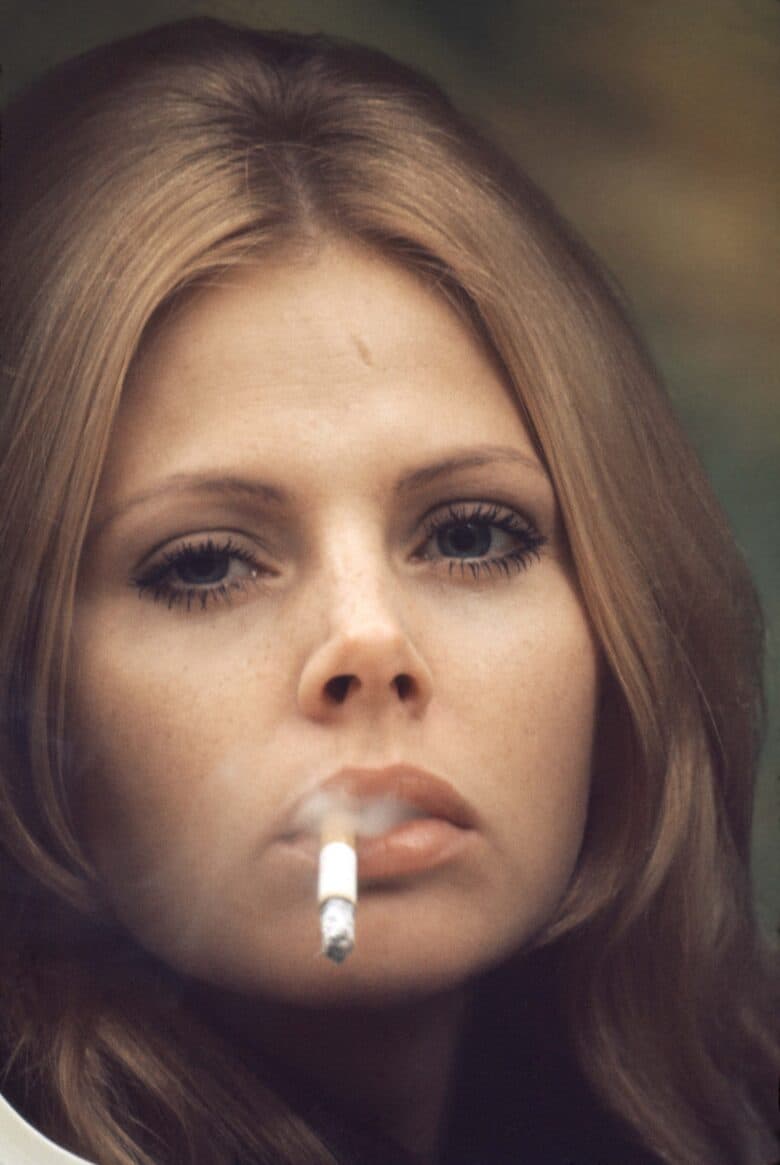
FK: Frankly, I was not always that impressed. I’m not impressed with movie stars, I’m impressed with people who have empathy, or who are interesting — who have something to offer, something to say. Somebody who I’m extremely fond of is Elle Fanning. She’s somebody that I really respect and I adore. And Grace Jones.
R: What was Grace Jones like with you?
FK: Grace Jones is the most wonderful person. She reveals herself completely. When Douglas was very ill, I went to a concert at the Hollywood Bowl and she said to me, “Where’s Doug? Where’s Doug?” And I said, “He’s not doing very well.” And she kind of stopped everything and she said, “I need to talk to him”. Two days later, she laid down on the bed next to him and she sang a little bit, and he was squeezing her hand. Douglas died four or five days later. I will never forget that, because movie stars don’t do that.
R: How is it now, curating all of his work? I guess you are trying to define his legacy, right?
FK: I’m not trying, I’m doing it. Douglas died three years ago and my mission in life is to continue his legacy. Actually, I know exactly what I want to do for the rest of my life. I want to make books and continue Douglas’s legacy. I want to have great parties and I want to do something good for photography, once in a while. That’s my mission.
R: I feel like you bring him alive.
FK: I believe that you die when the last person says your name. As long as someone says your name, you’re alive. I don’t believe in the afterlife. I don’t believe in anything. But I believe in that.

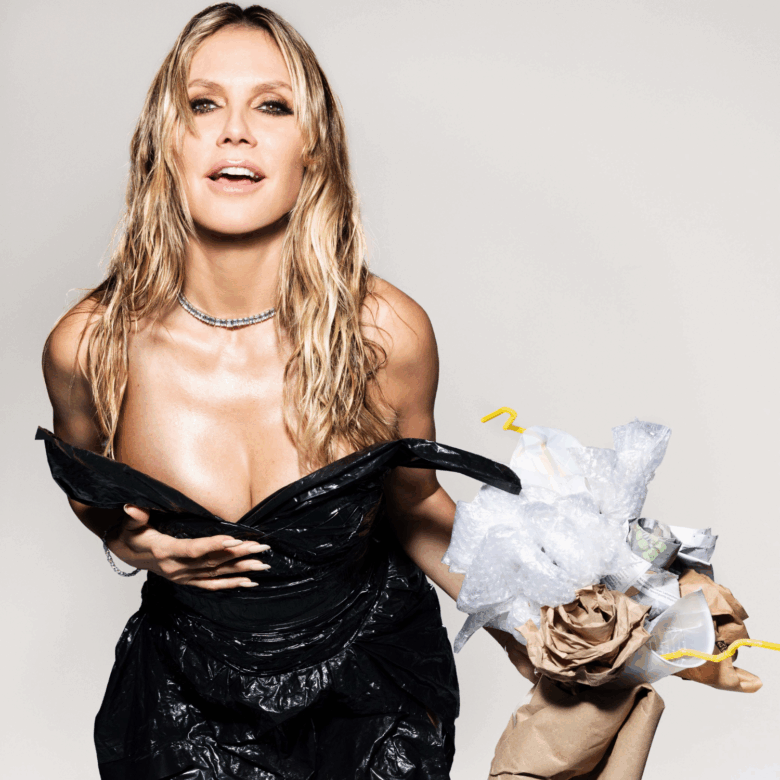
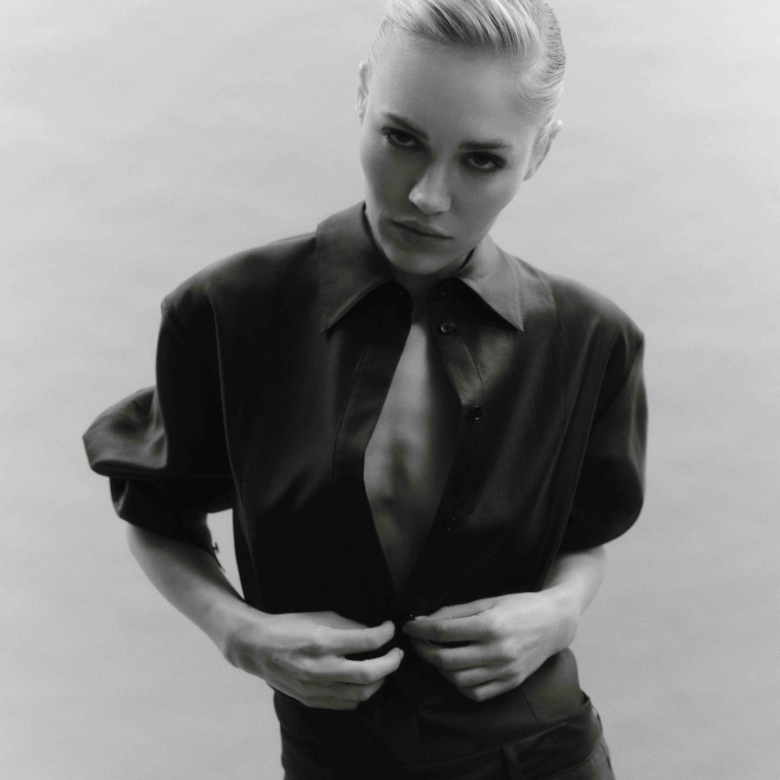
- PHOTOGRAPHS OF FRANÇOISE KIRKLAND by Rankin
- Interview by Rankin
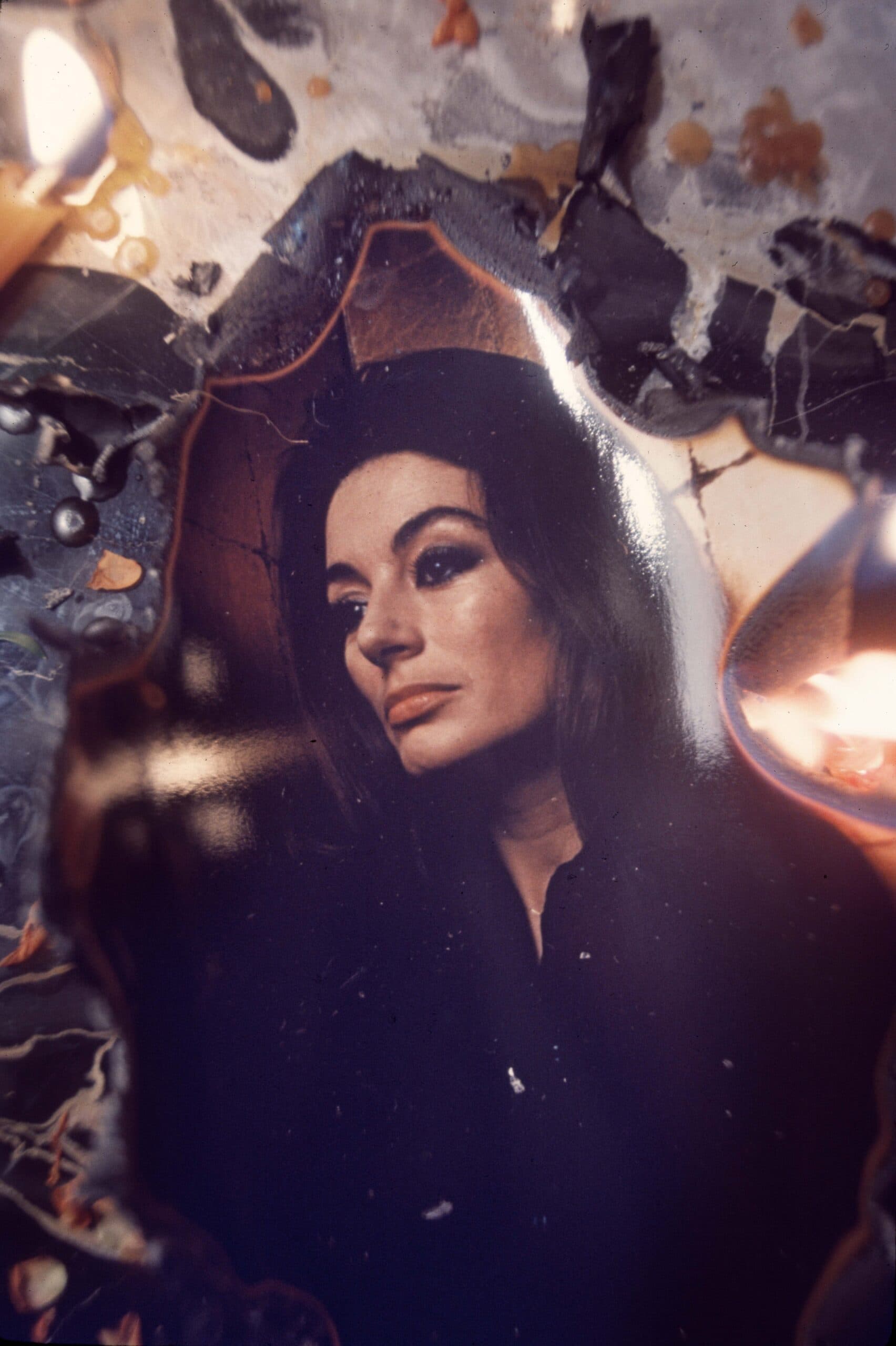
- Archival images courtesy of Douglas Kirkland