Inside Ministry of Sound: 35 years of London’s legendary dancefloor
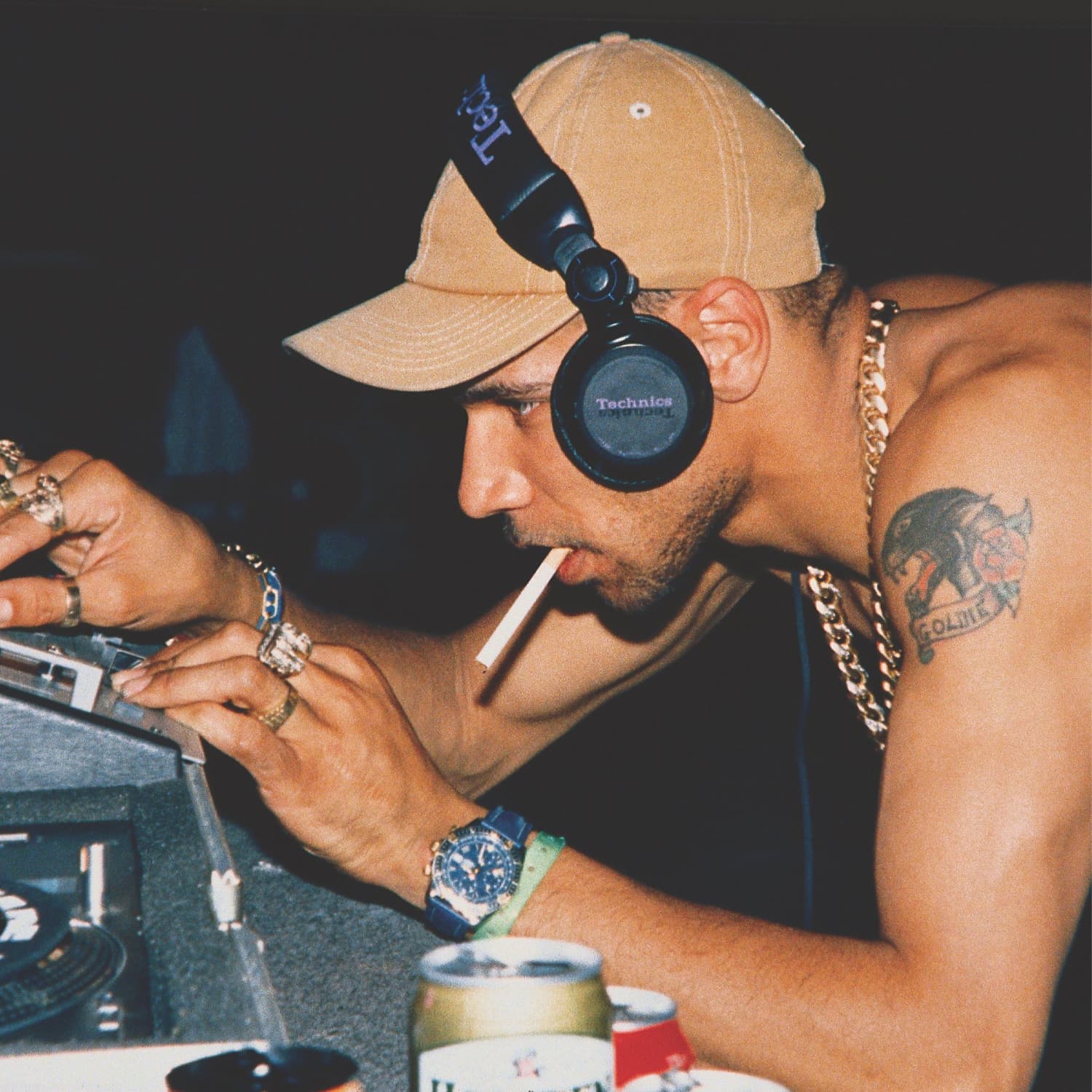
From the outset, Ministry of Sound burst onto the scene with unbelievable ambition. It’s hard to believe the club, known for its impressive line-ups and unforgettable parties, was a disused bus station in Elephant and Castle when co-founder Justin Berkmann first stumbled upon the space in 1991. After visiting the legendary Paradise Garage club in New York, Berkmann knew he wanted to bring the same superior audio-engineering and immersive lighting experience to London. He was struck by how its industrial, sound-first architecture felt akin to the ’80s raves in warehouses.
Incidentally, when Ministry of Sound first opened its doors, it coincided with the crackdown on illegal raves due to the Criminal Justice and Public Order Act of 1994. But, by gaining the first ever 24-hour late night venue licence, Ministry of Sound helped legitimise dance music in UK culture. Perhaps unimaginable to Ministry-goers of the modern day, to secure this licence, the club initially didn’t sell alcohol until it finally got its alcohol licence later that year. Yet, it retained a secret allure through choosing not to advertise, operating via word-of-mouth and relying on flyers and a brief listing in TimeOut.
As the ’90s progressed, Ministry of Sound nurtured DJs who would later become global names including Pete Tong, David Morales and Larry Levan. Though, 35 years later, Ministry of Sound is now one of the biggest clubs in the capital, a fond nostalgia for its opening days remain among its original ’90s clientele — notably Melanie Brett whose brother, Stretch, forms half of the duo Stretch&Vern. “We literally lived for going out on a Friday night at Ministry,” she recalls. “We were the first ones in and probably the last ones to leave.”

Among those many sojourns, some key nights stand out in Brett’s mind. “I remember people queuing when [Stretch&Vern’s] song ‘I’m Alive’ had been released,” she recalls. “When [the] tune came on, I was on the stage dancing on a podium and [Stretch] was dancing behind the DJ booth. We were dancing to each other and it was like it was just me and him in the room.” At 60 years old, Brett is planning on attending “one more rave” soon, which, she affirms, “will probably be at Ministry of Sound”.
The lamenting of ’90s club culture comes with good reason. With higher operating costs and changing attitudes towards nightlife, clubs today are facing considerable challenges compared to the golden era of nightclubs in the 1990s. Ministry of Sound has itself overcome huge hurdles over the decades, including threats of closure due to nearby residential developments.
Luckily, even the Mayor of London understands the need for a good night out. The capital’s nightlife taskforce, created last month by Sadiq Khan, aims to support the growth of the city’s nightclubs with funding and infrastructure aids. And it adds to the renewed confidence in London’s electronic music scene: new venues such as Palais Peckham, 77 Marylebone and Eutopia have opened in the city, set against a backdrop of hero venues like Ministry of Sound, which stand as enduring cultural pillars of the music scene.
Indeed, Ministry of Sound has witnessed over three decades of change in club culture, and it continues to lead the charge for innovation. Earlier this year, the club marked its 35th anniversary with the renovation and reopening of its main room, The Box (think: new soundsystem, an immersive lighting installation and a lowered DJ booth). “We wanted it to be visual and we hope to bring energy back to the dance floor.” Caitlin McAlistair, managing director of Ministry of Sound says.
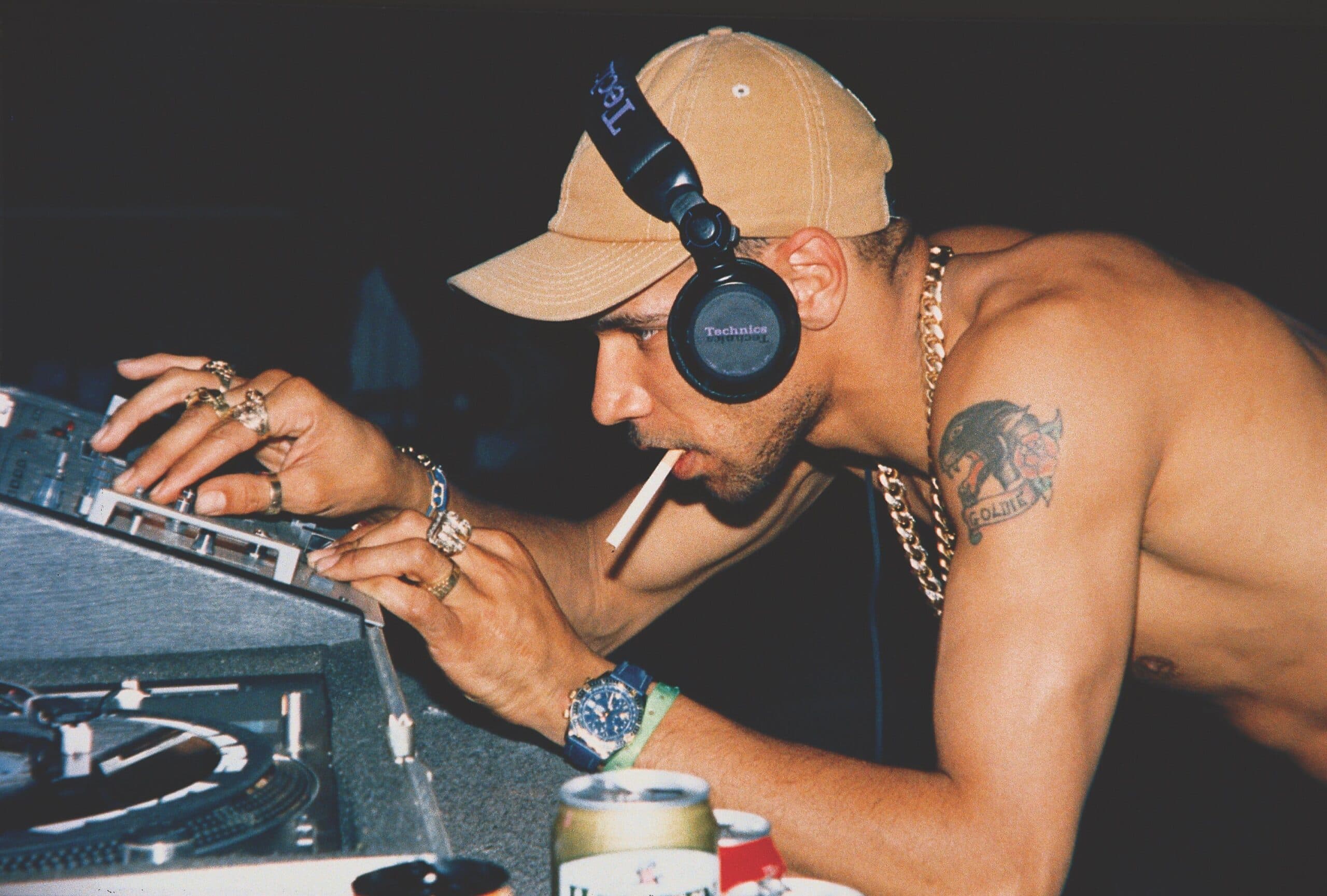
In this climate of immense uncertainty for the nightlife industry, Ministry stands as an example that club culture is certainly not dead. “There are a lot of challenges in the nightlife industry,” McAlistair admits. But there’s hope. “People are still going out,” she affirms. “We’re getting an average of six thousand to eight thousand customers through the door weekly.”
Without doubt that is, at least in part, due to the variety of music Ministry of Sound has to offer. It promises an eclectic selection, whether you’re into techno, house, garage, R&B or disco. “People have an appetite for new experiences and this means that we are constantly innovating, keeping up with new genres, and booking diverse artists,” McAlister explains.
Ministry of Sound isn’t just a mecca for party-goers, either — it’s a venue many artists hold close to their hearts. Sam Divine is known for her high-energy sets of classic house and soulful garage-infused tracks, but, for her, Ministry is where it all started. Divine first played at Ministry of Sound in 2009, and later signed to Defected Records, becoming, as she is known now, ‘The First Lady of Defected’.

“Ministry of Sound is iconic,” Divine effuses. “It’s one of the best clubs in London.” The artist takes a trip down memory lane: “I remember my first set at The Box and there were a lot of decks and mixers. It was the biggest set up I had ever played. Then I came back to play my first headline show in 2014 and it was super special.” Time might move on but, for her, the atmosphere at Ministry remains as pure as it always has. “I love the old school culture vibes the main room gives,” Divine says. Having recently launched a new record label, 555, she’ll soon be returning to the venue with her label’s takeover of Ministry of Sound on 30 May.
DJ Mak10 is, too, something of a Ministry of Sound legend. At the forefront of the UK grime and urban music scene, he started playing at Ministry in the early 2000s. “What really stood out to me was the sound system — it’s really high quality,” he says. “So the first time I played there was incredibly exciting and every time since has always been an equally exciting experience.” He continues: “I think it’s a great place to test new music. You can experiment with your selection because it’s not just your followers in your crowd. It’s a melting pot of people.”
For 35 years, then, Ministry of Sound has been not just a venue, but an institution of club culture. It’s forged a community of electronic music enthusiasts and fostered new talent in the DJs who play behind its decks. It has experienced, overcome and thrived in three-and-a-half decades of change, yet it’s as much a cornerstone of the capital as it’s ever been.
- WriterHeather Gosling