Andrea Riseborough and the art of staying still
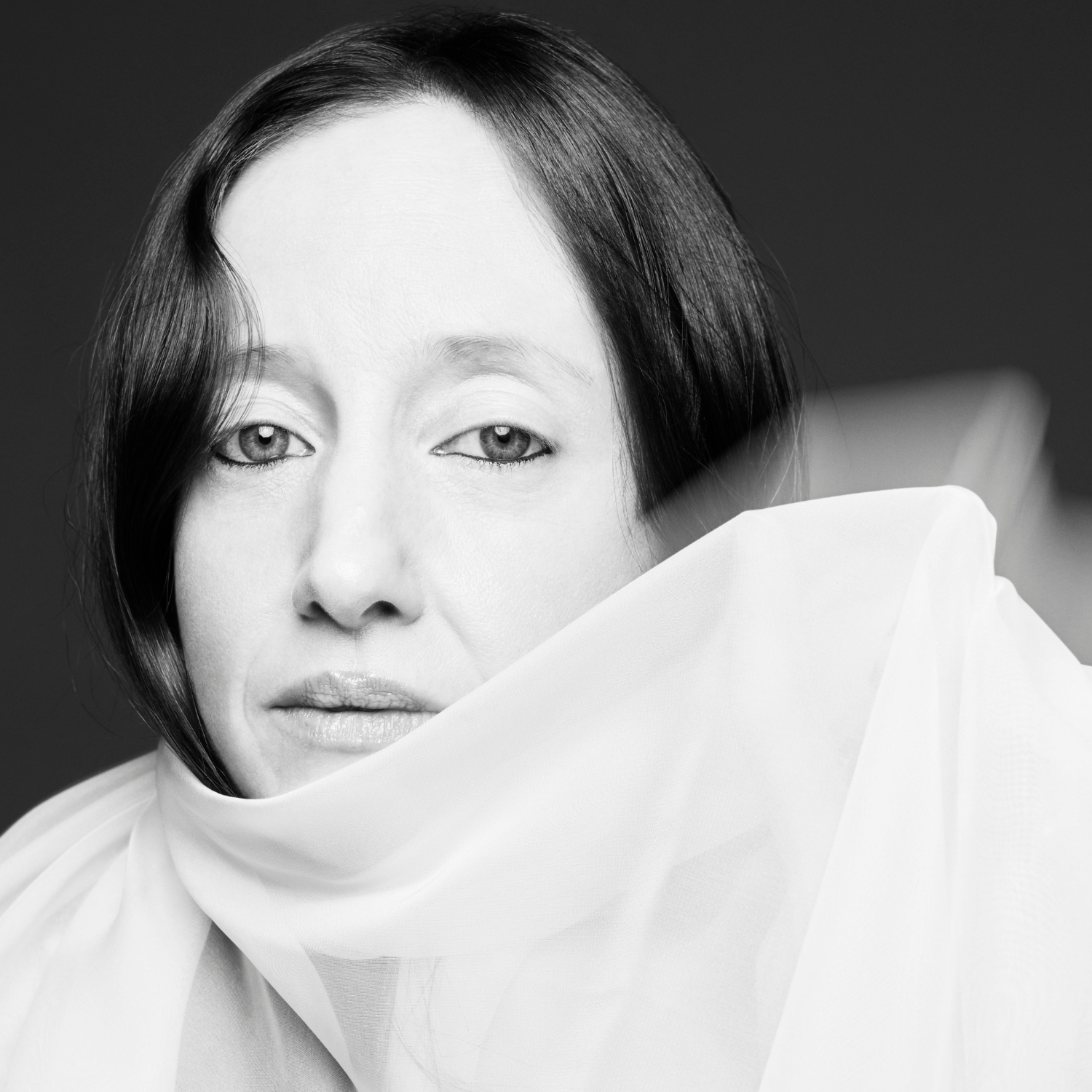
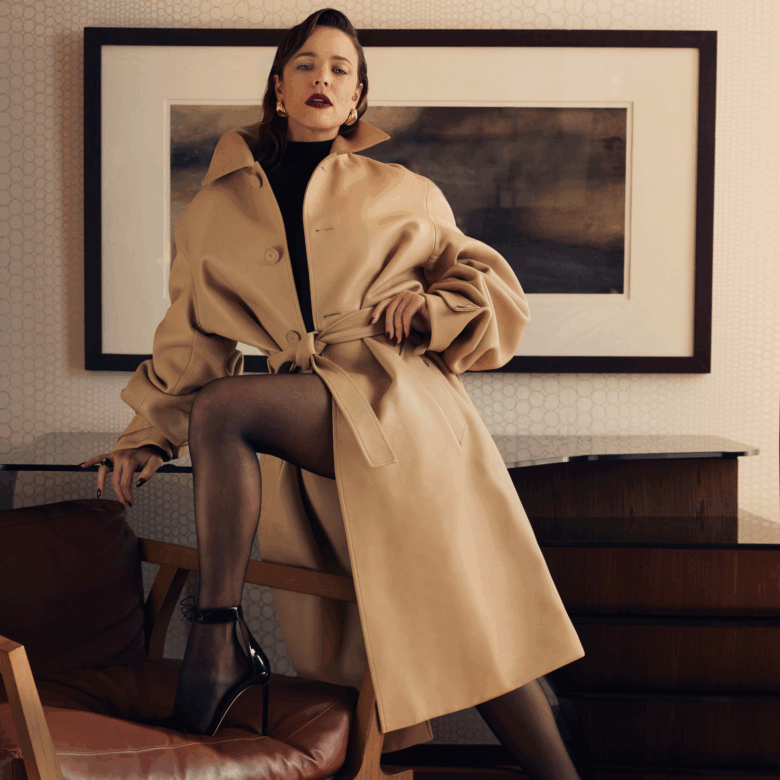
English actor Andrea Riseborough, with film, television and theatre credits in the seventies, could be considered British royalty for her service to the arts. Calling in from Switzerland, between undisclosed filming obligations, the 44-year-old Academy Award nominee’s answers are considered and meticulously crafted. During long pauses, one can presume her process for selecting scripts mirrors this pattern of behaviour. Closed off, though, she is not. Riseborough appears modest, warm and open to being ever so slightly probed; unlike some of the select character studies she has fronted over the course of her impressive career.
Those acquainted with Riseborough’s portfolio will recognise a penchant for provocation, transgression even; like her leading role in To Leslie, the 2023 indie drama in which she plays a single mother battling alcoholism. The actor, however, is clear to communicate her drive for different projects, regardless of subject. Riseborough has played characters spanning Wallis Simpson, the American socialite in the Madonna-directed W.E. (2011), to Margaret Thatcher in the eponymous 2008 drama. “Every time that a piece of writing is really beautiful,” the actor hypothesises, “it almost appears genreless.” Take the LSD-laced Mandy (2018), where she plays the titular role: an artist targeted by a religious cult. While Riseborough recognises its outside horror appeal, her observations on the film cut through its classification. “I know, really, the film is about [director] Panos [Cosmatos] letting go of his parents, his grief,” she says. “It means something completely different from the inside. It’s really not the exterior that attracts you.”
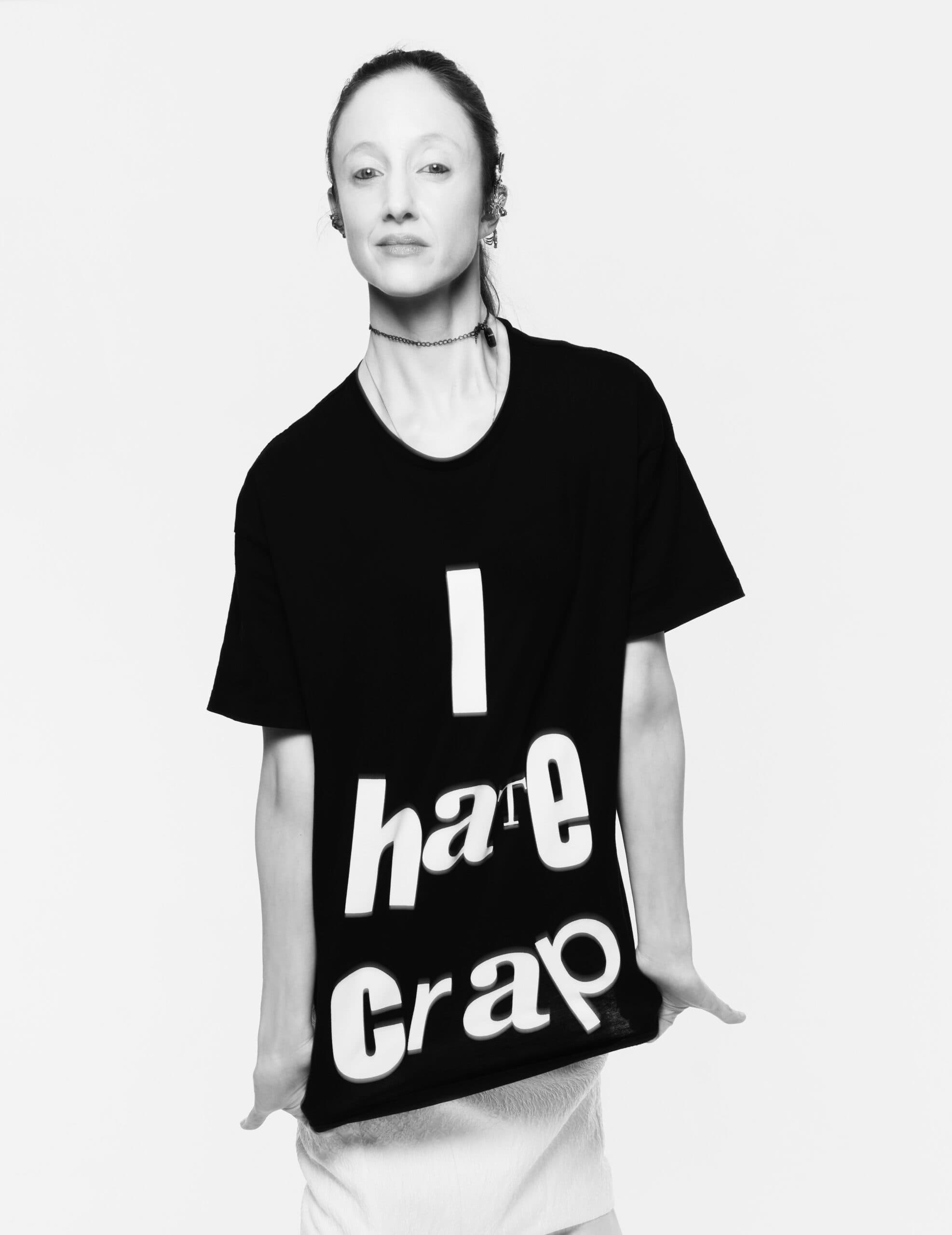
Perhaps her most frightening immersion took hold in the Black Mirror episode, ‘Crocodile’. Cast as the infanticidal Mia Nolan, what Riseborough relished in the project was the opportunity to explore complicated interpersonal relationships, specifically between women. More than that, though, she got to immerse herself in the dystopian reality of creator Charlie Brooker; a world Riseborough believes has profoundly affected storytelling in our age. A Netflix titan for a reason, Brooker is known to favour plots drawn from his instincts and personal fears over trends. “It’s really difficult as a creative person, best laid-plans,” Riseborough states. “You can plan for everything, but the opportunities at the time might not be there; might not be the general zeitgeist.”
In a similar vein, Jan Komasa’s The Good Boy (2026) — Riseborough’s latest black comedy — explores technology and the attention epidemic of the social media age. In the film, she plays Kathryn, the wife of Stephen Graham’s Chris. Following Matilda the Musical (2022), it marks the second time Riseborough and Graham play a couple. But here, they head up a particularly twisted take on a nuclear family, imprisoning an unruly, foul-mouthed city boy called Tommy (Pistol’s Anson Boon) in an attempt to rehabilitate him.
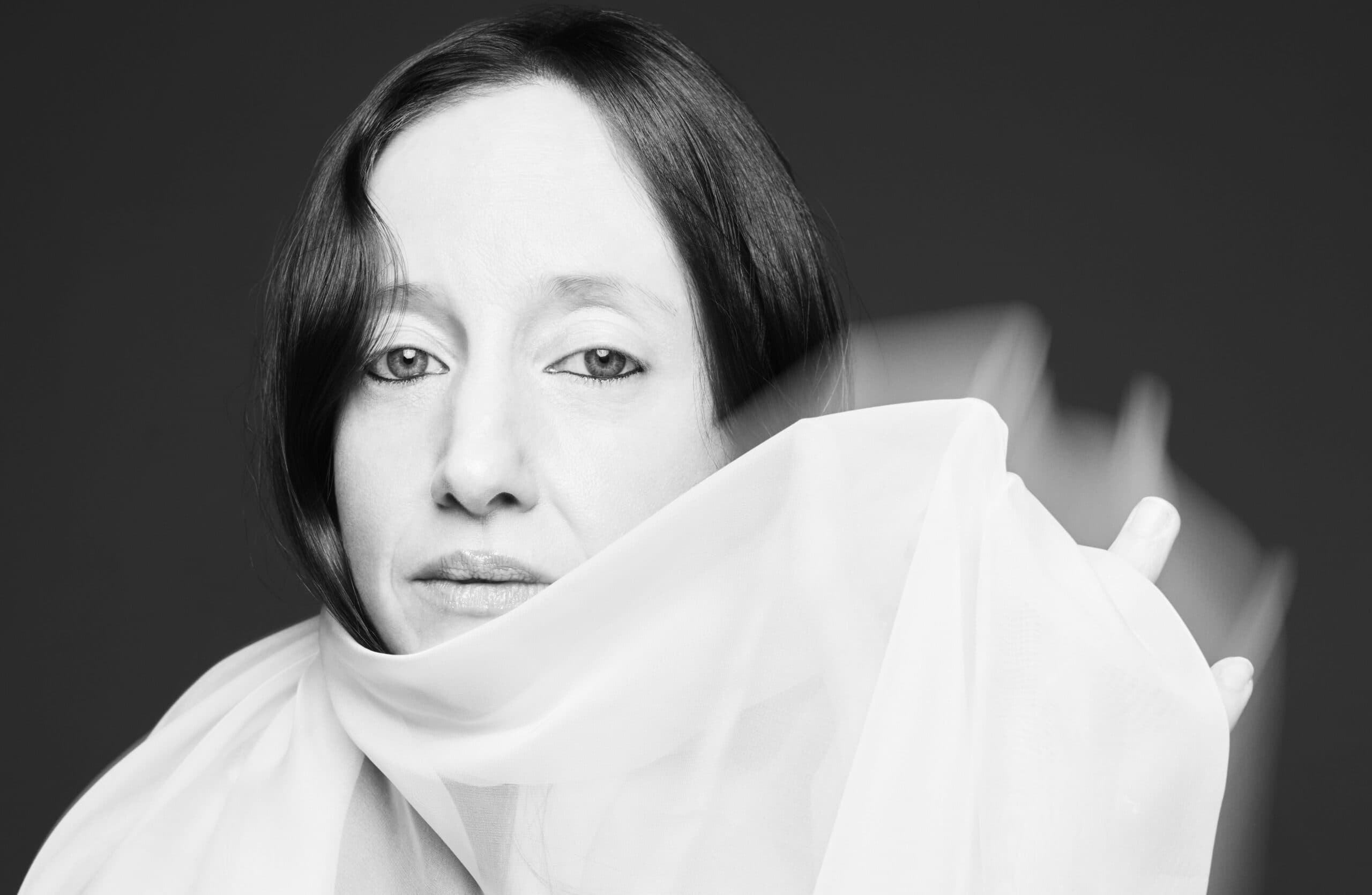
Introducing Tommy to literature plays one part in his extreme social-media detox. “It was magical to find solace in literature; which I do in my own life,” says Riseborough. Presented with the studious Kathryn, the actor revelled in returning to her Shakespeare and Jacobean-steeped roots as both a trained and well-seasoned actor. “I rarely really use anything from my own skill set when I’m playing a character,” Riseborough admits. But here, she was able to bring the “stillness, quietness, contemplation, reflection and thoughtfulness” she gains from analogue media in her own life to the screen. “What [Kathryn] passes on to Tommy, you really understand why he craves it,” Riseborough says. “Especially in a world that is so frantic with very fast-moving imagery. Everything’s so instantaneous now that you see how he finds peace with [Kathryn and Chris], even though it’s in many ways deeply broken and unhealthy.”
Set in this screen-free household, The Good Boy has an almost period feel, even though it takes place in the modern day. Extreme though it might be, Riseborough sees the positives of this way of life. “What they’ve been able to preserve is the want to put learning first and to take time,” she says. “To take in knowledge and to appreciate art and creativity. It’s really difficult to do now.” Unsurprisingly, Riseborough isn’t on social media. “I think it’s so wonderful because I’m madly busy,” she says, “and I wouldn’t have any time at all to reflect on things that I am doing in life, or the things that I’ve taken in; the countries I’ve been to, or the people I’ve met; new ideas that come in and out.”
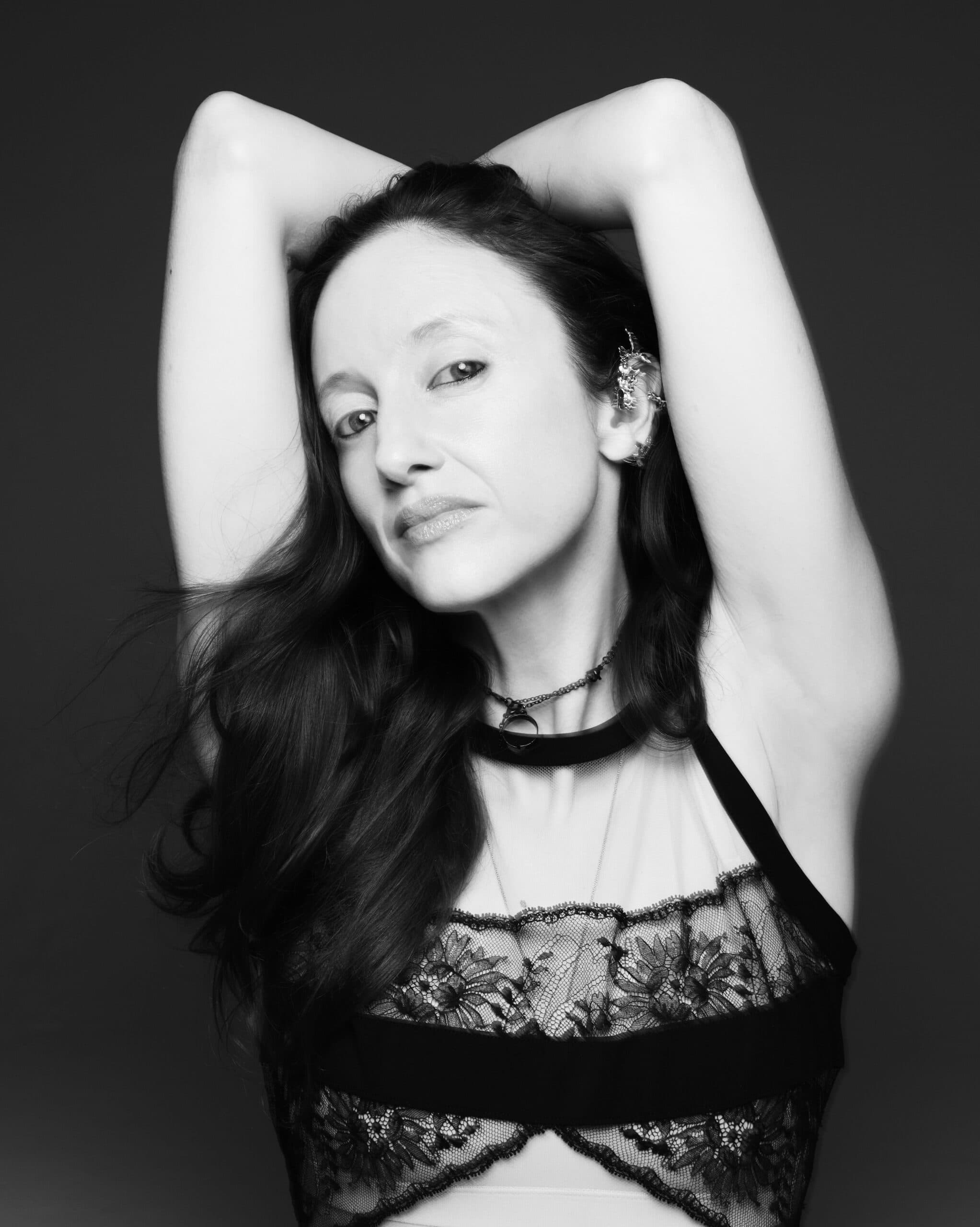
Riseborough was “absolutely desperate” to work with the Polish filmmaker after having seen Corpus Christi, Komasa’s acclaimed project also about taboo individuals forming real relationships and much-needed connections. But it was through synchronicity that she became attached to The Good Boy, introduced to the project by Graham, who had stuck by the “extraordinary” script for a long time. “I’ve learned that if you really stick by things that you think should be made, as an actor or a director,” Riseborough says, “the miracle is that it does eventually happen.” Unbeknownst to Graham, Riseborough is making another film with Komasa: “A period piece based on a very beautiful book,” she hints.
Taking on another pale figure, Riseborough is slated to play The Ghost of Christmas Past in Ebenezer, horror auteur Ti West’s powerhouse adaptation of Charles Dickens’ novella, A Christmas Carol. “I’ve just finished shooting,” she says. “That was an absolutely wonderful experience.” Already familiar with the mind behind the madness of A24’s X trilogy, the actor says: “I don’t have much relationship with very straight horror, but Ti had a very deep connection to the book.” Once again, it’s a film in which deeper meaning comes to the surface. “[Ebenezer] is so true to the vein in which Dickens was attempting to shine a light on child labour in Victorian times, amongst other things,” she says. Appearing alongside Johnny Depp and Ian McKellen, Riseborough is eager to dispel the notion that the classic story is “a sort of fluffy mortality tale,” especially to those who connect mostly with its buoyancy. “What was really important is [West] and his writing partner [wrote] their own adaptation, rather than it being written by committee; which happens a lot now, especially in episodic work,” she says. “It’s always incredible to feel in the safe hands of an auteur.”
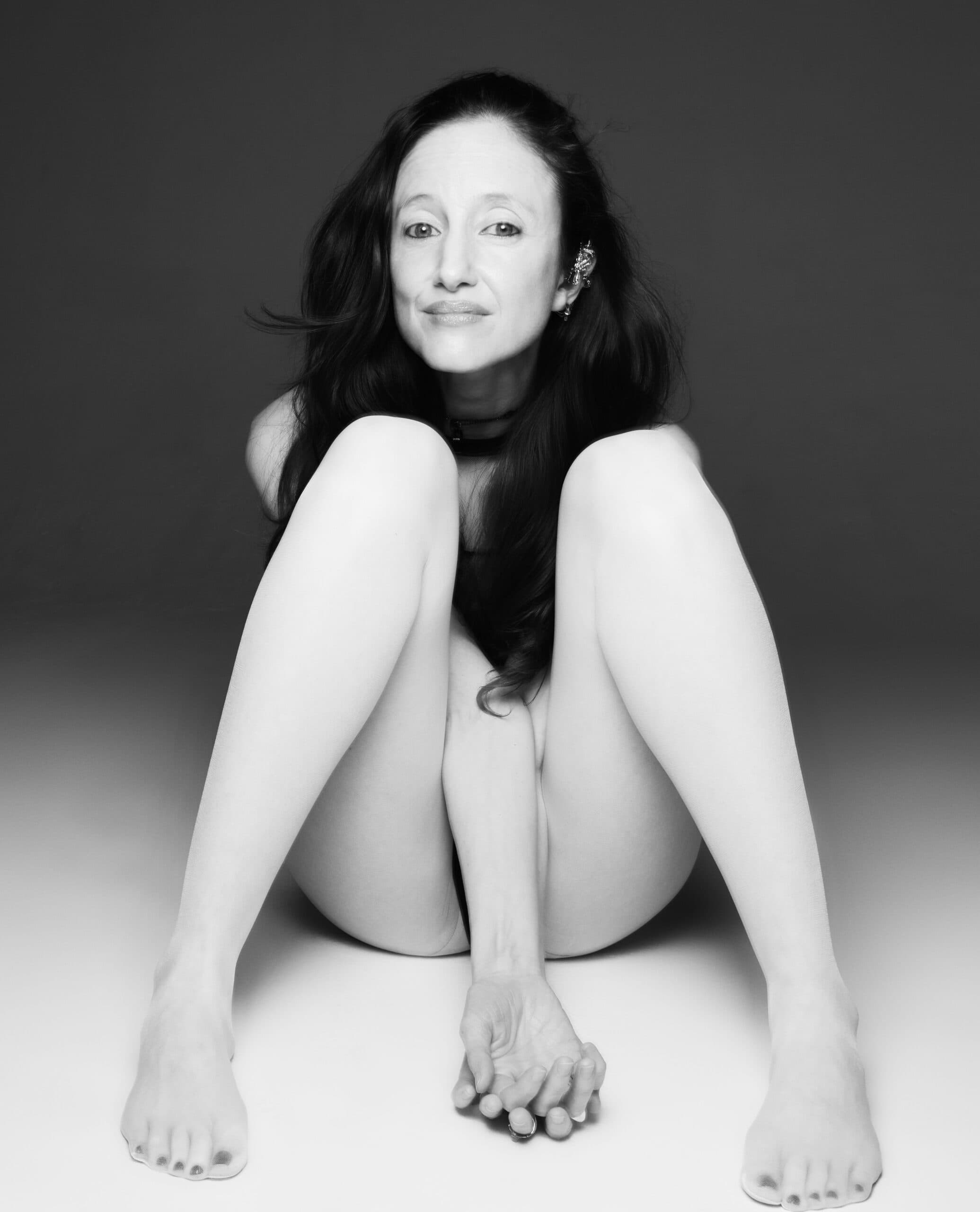
Riseborough understands the responsibility that comes with agency over a body of work. That is why, roughly 15 years ago, Riseborough founded her own production company, Mother Sucker, which prides itself on inclusivity and better representation for people in the industry. Admittedly, creating her own company wasn’t something Riseborough would have chosen to do as a creative, but the human self wanted change; and saw that it was necessary. In this stretch of time, the actor has engaged in this side of the industry more through necessity than choice. “It started to feel a bit wrong not to engage in every side of it,” she says. Championing female directors has been part of Riseborough’s mission, working with the likes of Christina Choe, who won the Waldo Salt Screenwriting Award at Sundance in 2018 for her film Nancy. “We had an almost entirely female crew on that,” Riseborough says with pride.
The actor’s affection for her collaborators has, most recently, extended to the late iconoclast Isabella Blow: fashion editor and mentor to Philip Treacy, who is famously credited with discovering the legendary Alexander McQueen. She has just wrapped on Alex Marx’s debut feature, The Queen of Fashion, which she produced as well as starring as Blow. “[For] Izzy, it didn’t end well,” Riseborough laments. “She was a mixture of extreme kindness and celebration of other’s artistry. That’s one of the things that maybe I identified with a lot.” As with The Good Boy, the circumstances around The Queen of Fashion feel somewhat serendipitous. “Actually, quite fortuitously,” the actor says, “[fashion designer] Jeremy Scott and I have a project together, which I’m producing. So that strangely ties in because he was somebody that Izzy really championed.”

It appears that Andrea Riseborough’s momentous life is a series of odd circumstances. But randomness reaps rewards, be it in the shape of an accolade, or the simple pleasure of reinterpreting a literary source in a way that adds meaning. “I would say every job informs the future jobs that you do,” the actor professes. Yet, it’s only from being present in the real, analogue world that these connections, these realisations, can be made; and, more importantly, actualised. “It’s a question of what’s out there,” Riseborough concludes. “You just really want to be part of discovering what that’s going to be and then sharing it with the world.”
- PhotographerRankin
- StylistMartha Ward
- WriterDouglas Jardim
- Make-Up ArtistCharlotte Hayward at The Wall Group
- Photographer's AssistantJoshua Bentley
- ProducerKatherine Pitman
- RetouchingFTP Digital