Artists’ favourite artists: Leah Wood
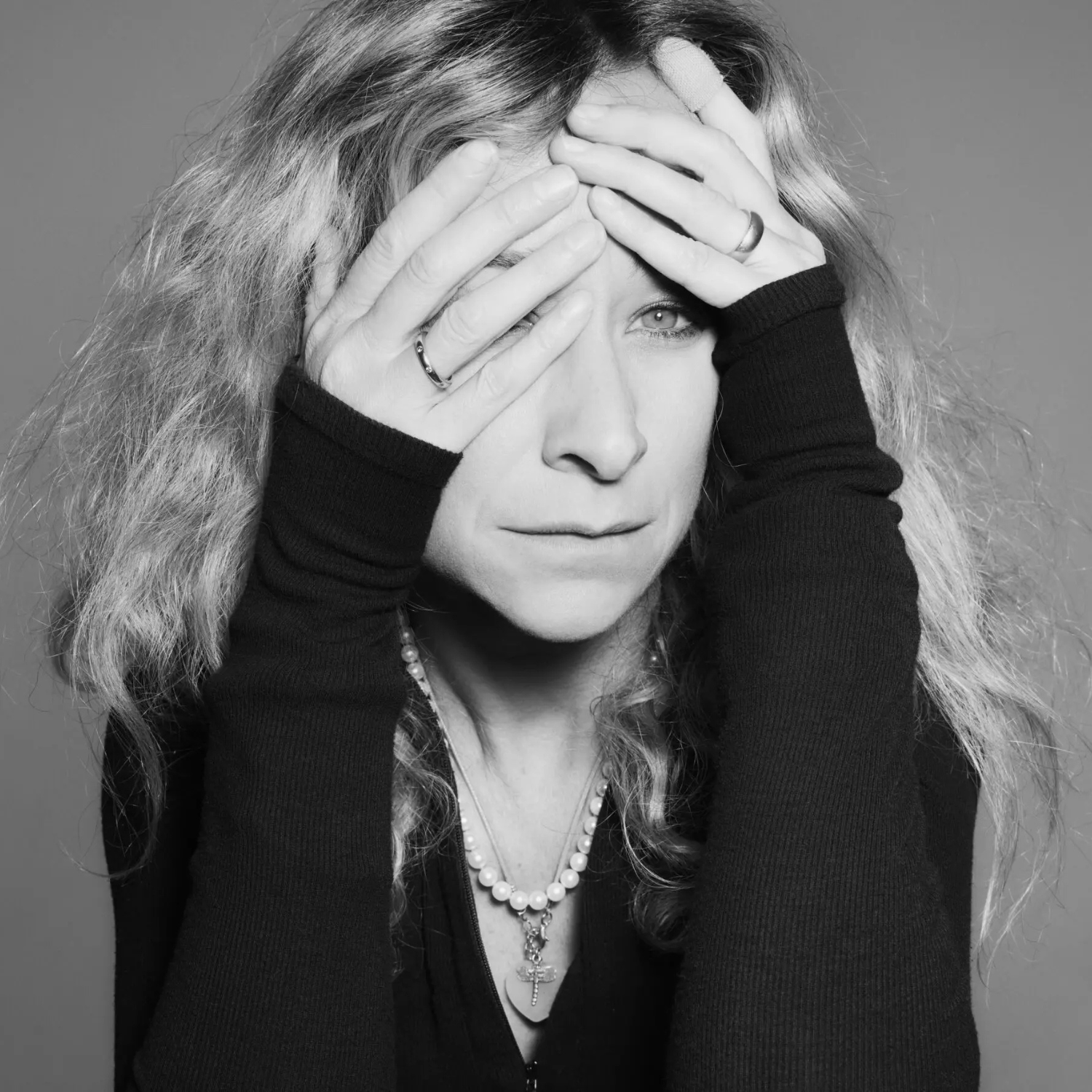
Fresh off the back of her exhibition Tracing Time at The Roof Gardens in Kensington, Leah Wood is already concocting ideas for her next collection. It’s a few months after our last conversation and the changing season has driven Wood inside. This time there’s no dogs barking to be let out from the sunny confines of her garden studio. Instead, she appears in a corner of her living room in a cosy jumper. An artist whose last collection showed her to be deeply in tune with the natural world, Wood’s creative spirit certainly hasn’t dimmed along with the late afternoon sun that catches the end of our conversation. This time, we’re exploring her influences, which run from the likes of Turner to Pollock as Wood touches on her expressionist influences and the romance of the natural world alike.
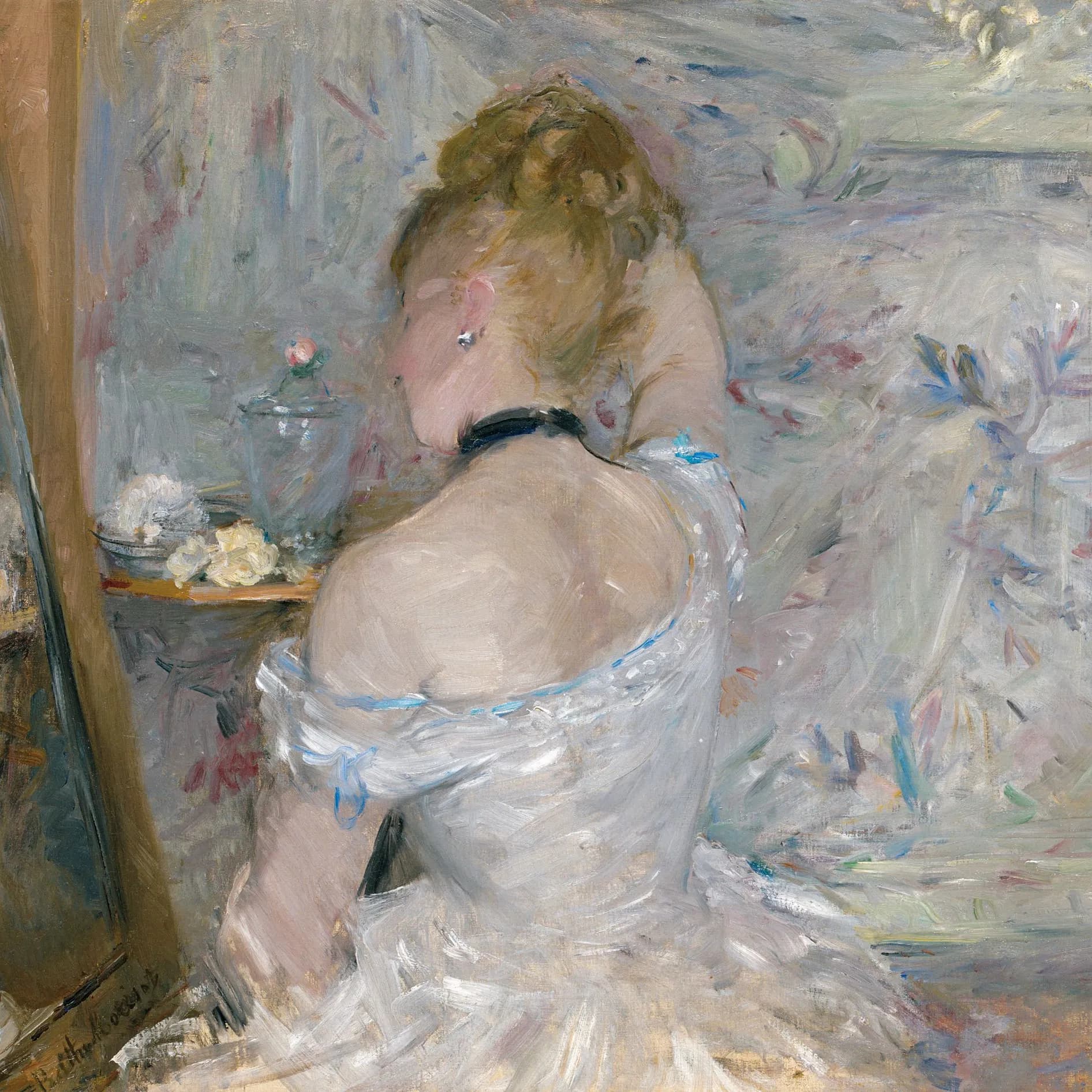
Wood explains that the work of artists like Berthe Morisot has directly inspired her to expand her catalogue of studies, just as they have gradually informed her style over the years. “[Morisot’s] style is something I would love to do — I think my style is quite expressionistic whereas she does people and landscape as well,” Wood says. “But I think that’s something I will probably experiment with over the years.” Ahead of our conversation, we asked Wood to put together a selection of her favourite names in the art world — past and present — and she arrives at our call armed with subtle explanations for each, painting her own brushstrokes in a new light.
Talk me through the artists you chose as your top inspirations.
Turner has always been on my radar. His work is romantic and beautiful and quite moving. At the moment, I’m doing a lot of watercolours, so it’s nice to see someone who was so great back in the day do watercolours, as well. I’ve recently found Berthe Morisot who was a French painter and was married to Manet, funnily enough. The two would work together and maybe give each other little criticisms or positive directions. I’ve been reading up about her and looking at her work, and I’m quite fascinated with her because she was also married to such an amazing artist. Her brushstrokes are really quick and kind of impressionistic, which is another thing that I love about her.
[Another is] David Hockney, a pop artist as well as a photographer, [who] painted in quite bold, bright colours. He used to paint trees and people by swimming pools, and they were all done completely differently to, say, Berthe Morisseau, who was a French impressionist, mixing all of her colours to create a deeper blue or a deeper red. He just plopped it straight on to the canvas, which is quite brave of him, I think.
My next choice is an American artist called Joan Mitchell. It’s completely different to the rest of the people that I’ve mentioned. She was an abstract expressionist and painted with intense emotion, intense style and really big brush strokes. In that same vein, [is] another American: Jackson Pollock. When I was in my teens and early twenties, I got really inspired by him and took over my dad’s garage. Painted like him, dripped paint all over my canvas like him. There was something about that feeling which rang a bell with me. I did a whole load of paintings like that and I adored how I made marks on the canvas, how you could really get involved with the paint and the canvas. There’s something very freeing about not staying in the lines.
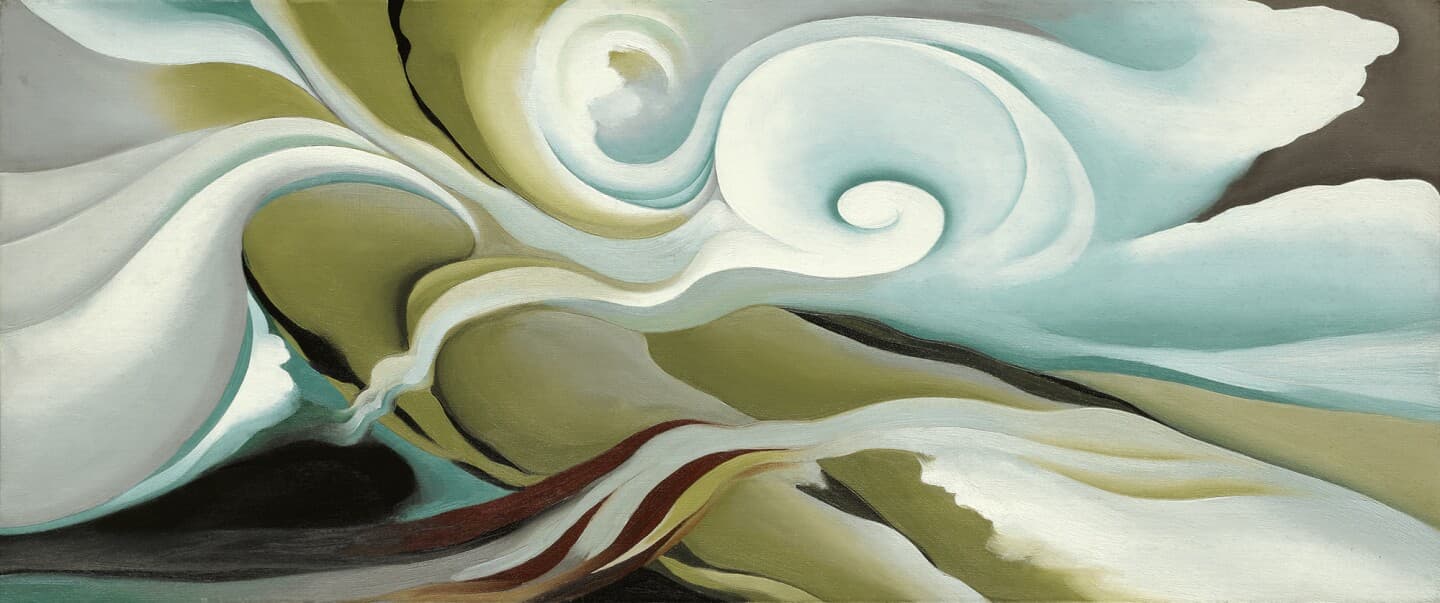
Georgia O’Keeffe, [is] another American female artist who inspires me a great deal. She uses the beauty of nature, the artificial world in a contrast of ideas. When I first started getting into painting, I was given a book by my husband’s mum. It was something that I thought I wouldn’t really like, but then I started getting into each page and looking at the forms and shapes of her flowers and skulls and the way she saw things, which really grasped something in me, as well. So I did a whole body of work which was based around her take on flowers. That, too, has stayed with me as an artist. Those are the six people that have kind of taken a place in my artistic world.
Is there any common theme to what inspires you in an artist’s work?
I think it would be the beauty of what they’re trying to convey, their brushstrokes, their use of colour. If it’s an old painter, like Constable or Rembrandt, I will go up to the painting and really look at how they’ve painted a nose or the lips or the hands, because hands are always so hard to paint. It always looks like they’ve managed to do it so easily, a few little brushstrokes here and there. But again, that depends on the painter, as well. If you’re an impressionist, they just put a few little lines for hands or if they’re a realist, how are they defining the fingernails? It’s amazing how different you can be as an artist, how detailed you can be. My most favourite day is going to a museum and looking at all the greats, getting inspired, taking notes, coming back home and trying to do it in my style.
Your recent showcase focussed heavily on the natural world. Do you see a lot of these natural themes across your favourite works, or perhaps natural movement in the case of artists like Pollock?
With Pollock, it’s free, there’s no real composition. He’ll just drip paint — from what I know — and express it on the canvas. Whereas if we’re talking about a Turner or a David Hockney or even a Georgia O’Keeffe, they’re completely different. But it doesn’t mean your talents have to stop with just one style. Being an artist means you can experiment with the abstract, with drip effect.
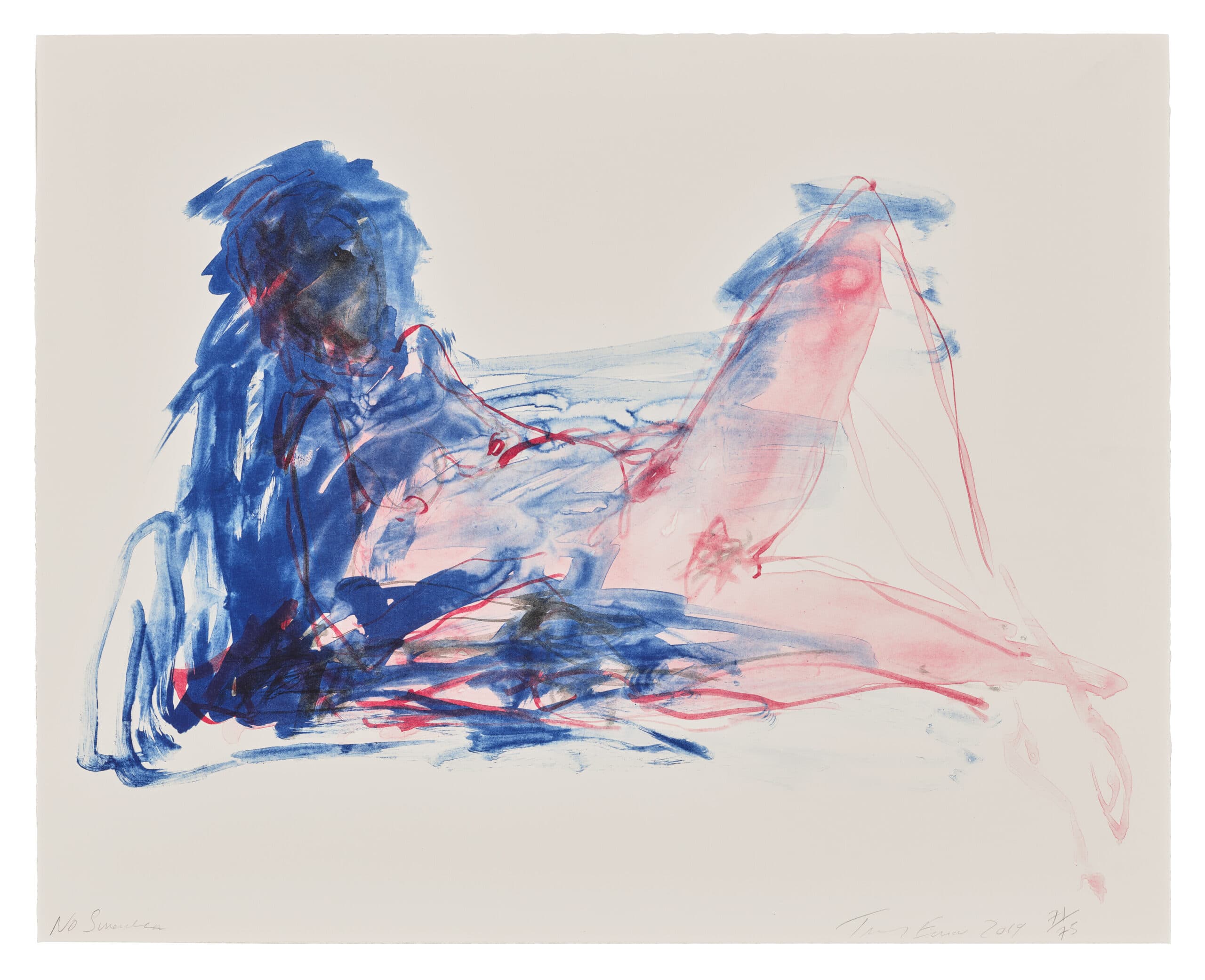
For me, it depends how I’m feeling, what I’m going through at the time. I’ve got quite a lot to learn still. I think my next body of work has to be a bit more expressive. My landscapes were expressive [but] there were some which were a little bit more tidy, a bit more painted in. I want to go more loose in my next body of work. Whether that’s painting the evening skies and the clouds or whether that’s painting figure drawing. I’ve just seen Tracey Emin, a few of her bodily paintings and some of them are really loose — it’s almost like she’s taken a marker and drawn loads of lines around the body. It’s so expressive. She’s gone through a lot of trauma in her life which helps with that expressive way about her, and makes her the great artist that she is today.
Why do you think you’re drawn to this fluid style?
I don’t really like staying within the lines. As I get older, I want to express myself more. If you stretch out and get all your body moving, your thoughts moving and everything just flowing, it’s quite healing. If there’s some method to your madness, it’s freeing, and it feels good to let go.
Turner’s a very controlled artist, how did your taste evolve to include work by artists like Pollock and Hockney?
My family are all artists in their own right. I’ve been influenced by art all my life. I studied art and I guess it’s a natural progression. You go from one artist to another, you get inspired by that artist and then when you’ve had enough of that artist, you go on to the next one and the next one. I think, inside, you build up some kind of art file and then you get your own style through a mishmash of information. That’s where taking pictures for me comes into play — there’s so many ways you can express yourself with photography these days. It’s another tool to your creativity, if need be.
Your round up of artists includes a large number of women, is there anything in their work that connects to you on a personal level?
For me, definitely. I’m always looking for interesting, soulful women.You’ve got Frida Kahlo, Joan Mitchell, Berthe Morisot. I think it’s really important to be one of those influential women artists because men in art get quite a lot of attention. To be a woman artist in this day and age, especially to break through into the art world, is a challenge. But it’s also inspiring to those younger artists who are looking for a way [in] and who are looking for someone to look up to. I think it’s really important to show what you have as a creative, to put it out there [and] see if people are accepting of that. It’s really important to be a woman artist these days.
How would you recommend people discover artists they can connect to?
It’s research, really. Going to museums, doing further reading on certain books that you like. Audiobooks are really good if you don’t have that time to sit down and actually read. I came to Berthe Morisot, and one day went, Oh my God, who is that person? I’ve never heard of her before. Then I Googled her and started looking at pictures that she’s done. Now I’m [listening to] an audiobook of hers. It’s personal taste and discovery.
- WriterDaisy Finch
- Banner Image CreditRankin