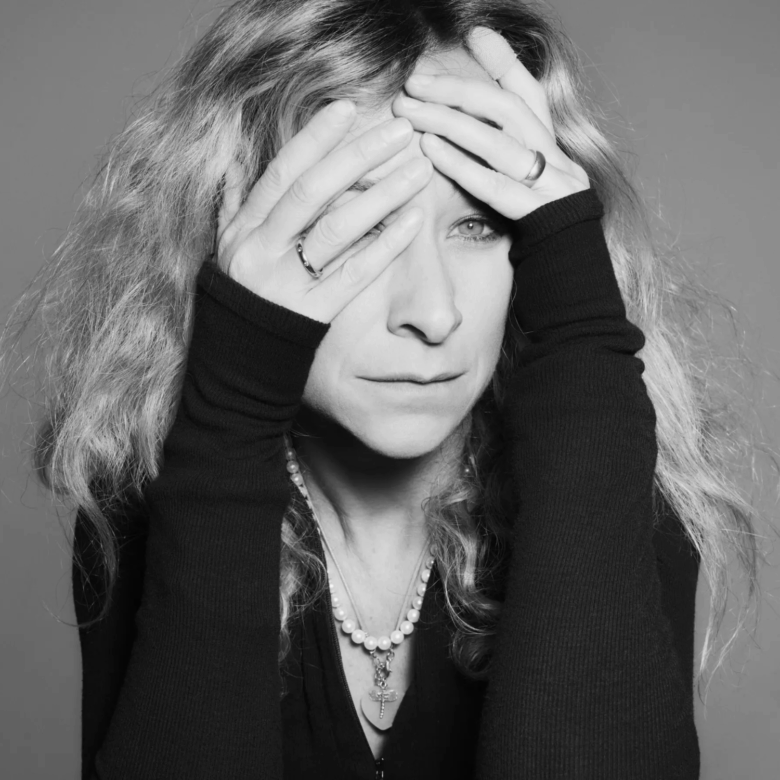
SHOLTO’s latest album, The Sirens, is an ode to his mistakes
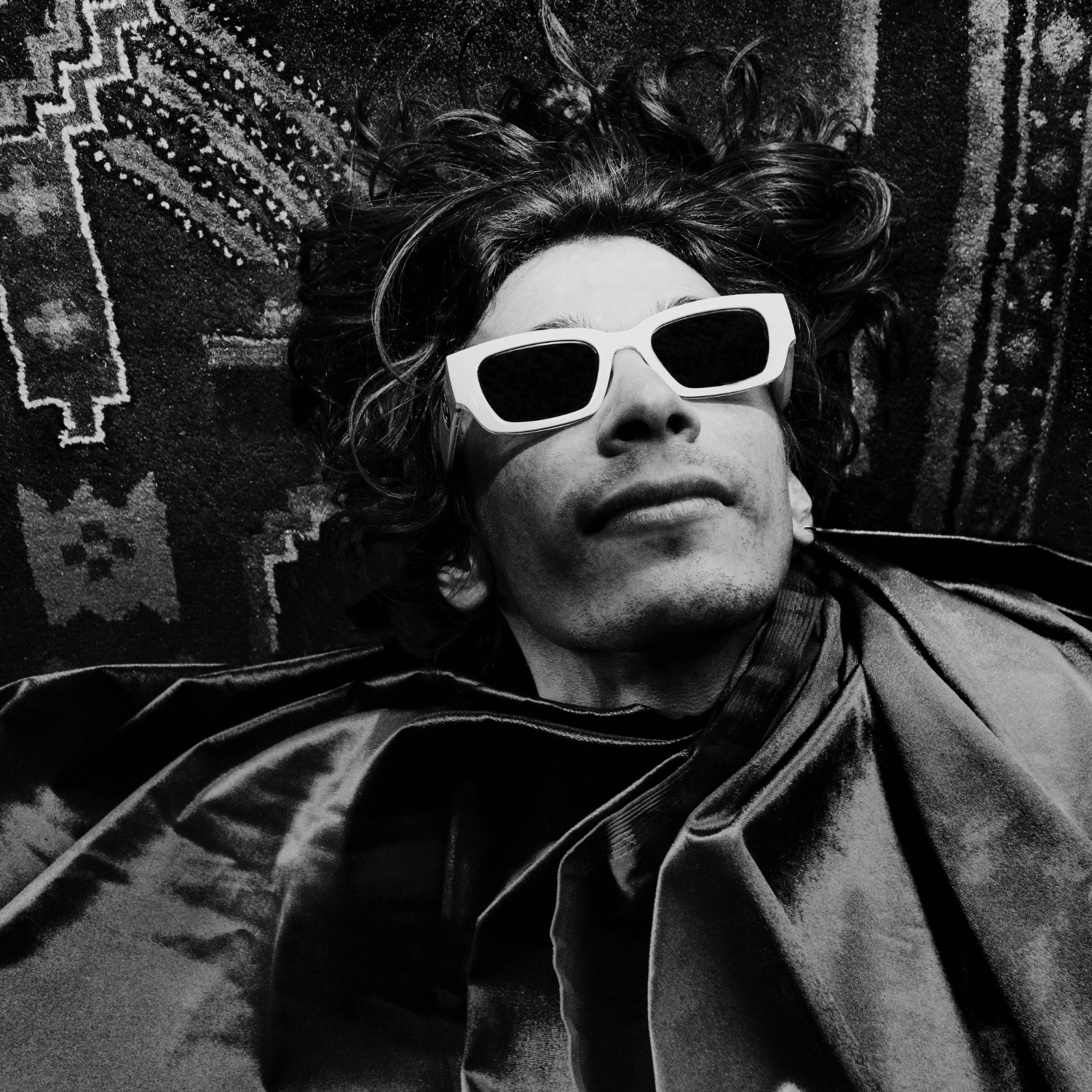
Oftentimes, when I hear someone speaking about jazz music, I think of Louis Armonstrong on the sax, or Miles Teller in Whiplash. Whether it’s frenzied or luxuriously slow, jazz, to me, has always meant a kind of technical perfection. But I’m wrong — jazz can mean many things, and in an ever-changing, genre-bending industry like music, it makes sense that it’s actually become more of a blanket term, rather than an exacting definition. And under that definition falls all sorts of music: instrumental, various scores, bebop, hypnagogic pop. And crucially, SHOLTO.
SHOLTO tells me it’s not so much about the technical prowess of an instrumental musician as it is about delivering an emotion. The London born and bred jazz musician has now released his third album, The Sirens, in a period of just three years. For people in any industry, releasing a big project consistently each year is a daunting task, but for SHOLTO (real name Oscar Robinson), creation is how he reacts to the world around him. Film, moments, daily life, other people’s music.
It’s how he stays relevant. How he stays punk. Because, some say, jazz is the original punk music. Technical brilliance that blew people’s minds away, packaged neatly into something white-suited businessmen could sell to the world. “It was cool,” SHOLTO says. “Like African American classical music that’s now been taken through its own journey.” But, of course, that added an element of pressure. “I used to be overwhelmed by the idea of being a jazz musician,” he says, “maybe not being technically proficient as other people.” But after a career spanning more than a decade and several albums, SHOLTO has found his niche in the music industry, creating music that is so much more than just its genre.
How did you first get into music?
I started in a rock band. I lived in Los Angeles for a year (2013) when I was nineteen, experiencing it in such a warped way — mixing with celebrities but being no one. And we were too young to drink, but we had a friend who was studying and working in a strip club who let us hang out there. It was so seedy and weird. We couldn’t drink, but that’s where we’d hang out. We were recording in an amazing studio, having smoke blown up our asses, but when you’re that age all you want to do is just rock out. Then after the contract ended, I moved back here and started doing it ‘the more normal route’. But my grandma was an opera director, so there was always classical and jazz music floating around in my life as a kid.
You say you’re not classically trained in music, but that you make jazz. Do you feel pressure to have a great technical musical ability?
I think at first I was pretty overwhelmed at being a jazz musician, but now I’ve landed in this bracket and, actually, I think it means any musician that’s got some cross-genre pollination — a bit of soul. And it’s a feeling. It’s about getting across a mood with music, rather than music. You can deliver the emotion without being technically… It’s like someone can say something, and wrap it up in just a few words rather than an entire paragraph. And it has just as much meaning. The analogy is how you word it.
So where do you begin when writing?
The emotion. I love watching films (on silent so I don’t know what’s going on) and then picking out a scene, and making a soundtrack to that [scene] in my head. A lot of the music I make is very much soundtrack music. Classical music, jazz music, rock music — they all sort of got mixed up to make what we call soundtrack music and library music, and that’s really where my biggest influences lie. I’m not classically trained, but if you just spend fifteen years fucking around with something, you’re going to end up knowing how to do it a bit.
It feels like there’s been a revival recently around library sequel music and, consequently, analogue sound. Did you find yourself using more analogue instruments or techniques to make The Sirens?
One hundred percent. My first experience in LA was in a studio called Sound City Studio in Van Nuys, and it’s a completely analogue studio. It’s where Fleetwood Mac and Nevermind by Nirvana recorded. It’s a really historic studio and I’d never been to a recording studio before that. They had the Bob Dylan Highway 61 mixing desk… I was just like, This is how you record music. I love the process of analogue. It’s like a tape recorder where you can’t really go back, you just have to hit record and record it. You can change it in post, but really, what you hear is what you get. And I love that all or nothing approach.
But, really, my music is a hybrid, and it should be — I don’t want to make something pastiche or vintage, I want it to be sentimental but with elements of the now or the future. The thing with AI now is that everything is so perfect, and analogue still allows for discrepancies to happen in a beautiful way. And the more AI goes on, the more I just want to sound human. We’re living in a weird time, aren’t we?
It’s important for music to have a meaning — AI has no meaning.
Totally. AI takes away the soul. Music is art, or at least it used to be. I was working for Damian Hurst a while back, and he always said the art is the description underneath the painting, not the art itself. It’s the story of how this piece of art came to exist and why you did it, as opposed to the finished product. That stuck with me.
So The Sirens… How does all of this apply to your newest album?
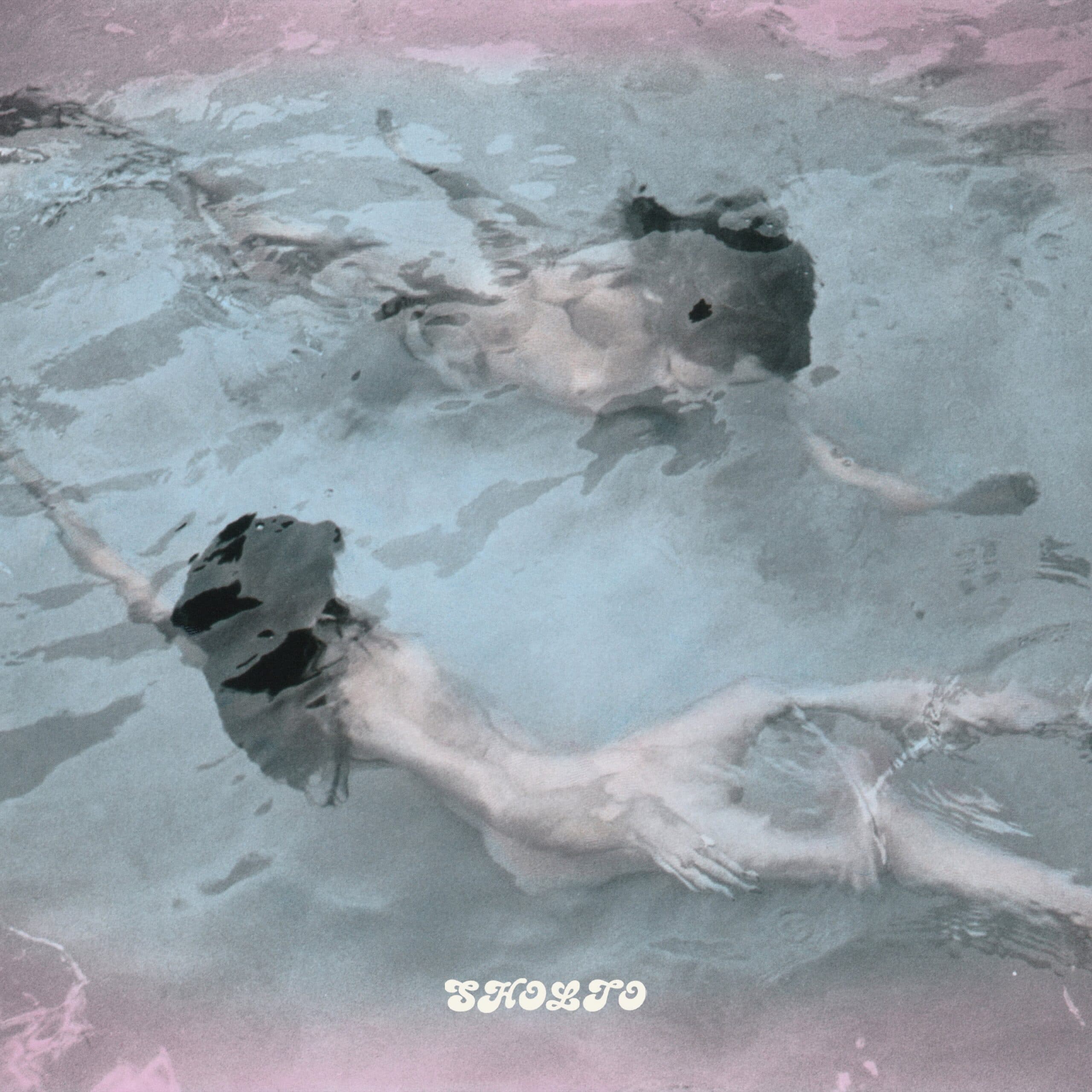
I’ve made three albums in three years, and they’ve all been about change and my, sort of, sonic diary of where I’ve been at emotionally, progressively. Where I was a human and as a man. The sirens are like a beacon or a figurehead for temptation — things that are so alluring and beautiful, even when you know it’s bad for you, but you go do it anyway. Really, it’s confronting a lot of my life and the darkness in my habits and patterns that I wanted to change. It’s kind of a wake-up call. I turned thirty and wanted to make an ode to my mistakes. Confronting them and being aware of them is the first step to any real change or growth. So it’s very personal, but there were no words to describe it, so it had to come across in the concept.
If this isn’t too personal, what are some of your vices, or ‘sirens’?
Without being morbid, I’ve experienced a lot of grief in my life early on, and therefore guilt. Not because it’s my fault, but because I thought, Oh, I’m lucky to be here, or, I shouldn’t be here because so many people aren’t. That then played into this numbness I felt, taking other people’s emotions for granted because I was like, Well, you can’t be hurting as much as I’m hurting. A kind of trauma competition, you know? And from there, those repeating patterns — whether that’s drinking too much or generally self-sabotaging. But like my friend says, “Darker people release the most beautiful music. It’s the juxtaposition.” The Sirens is darker than my other [albums], but I’m in a better place now. When you’re in a darker place, you want to make these things that are celestial and beautiful, which is what I’ve done. Music or art has to confront something, or be total escapism.
Stream The Sirens here.
- WriterCamille Bavera